 San Martino di Castrozza
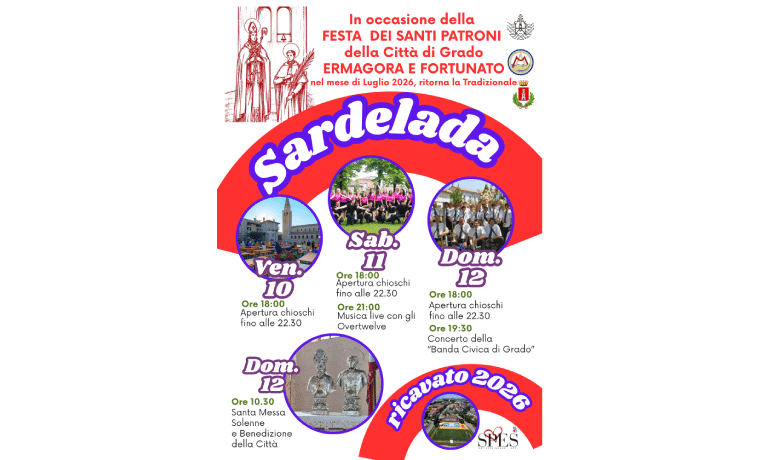 Sardelada 2026
 Tandem paragliding flights in Tirolo and Merano: the thrill of flying over the Alps
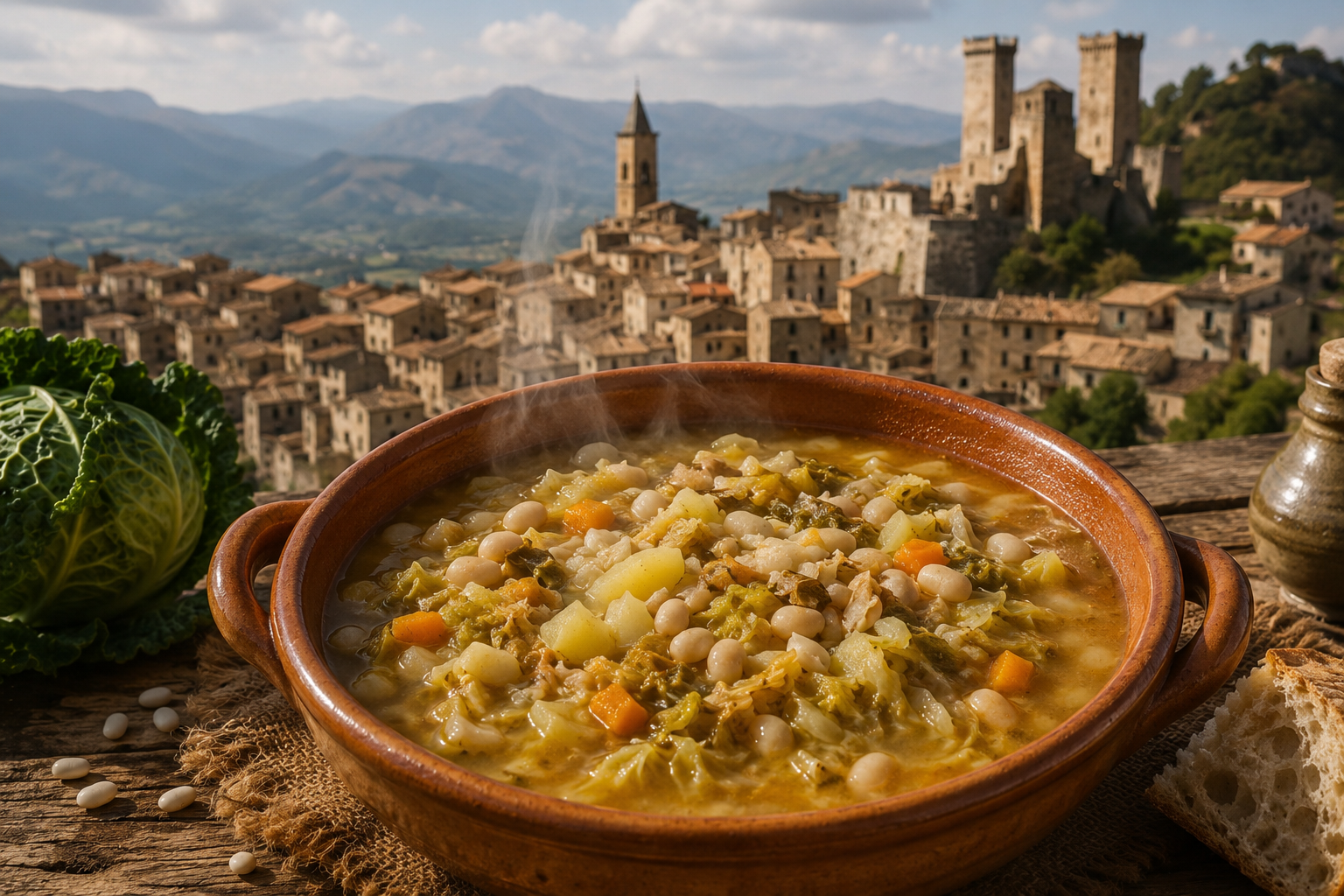 Recipe: Polta di Pacentro, the peasant dish that symbolises the traditions of Abruzzo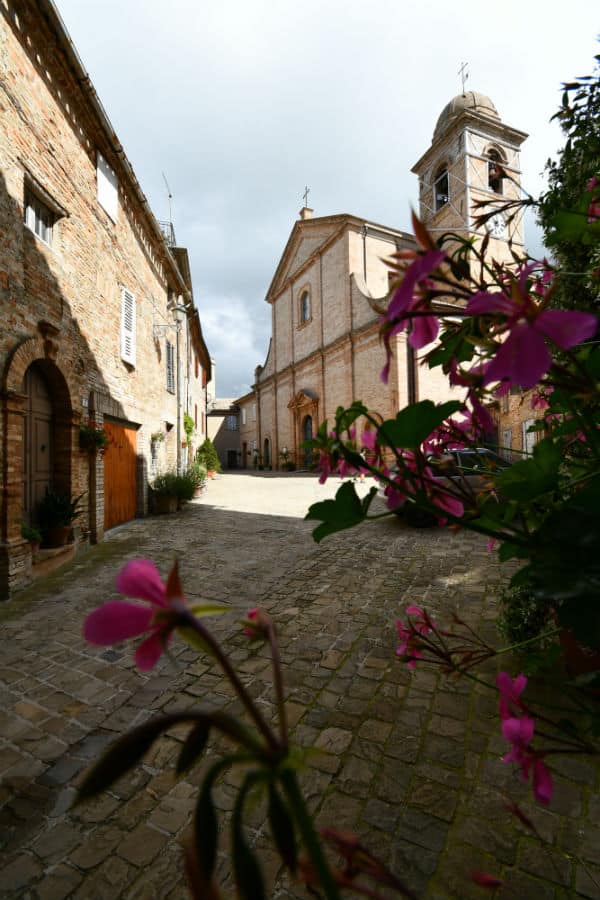
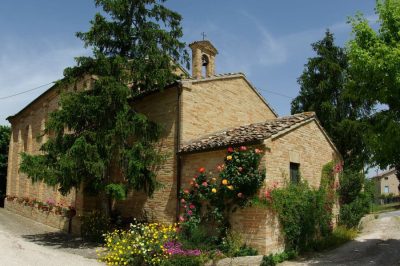
The Church of San Vito Martire in Monte Vidon Corrado, in its present form, dates back to the second half of the 18th century, when the old, dilapidated building was demolished and rebuilt between 1760 and 1765 in the Neoclassical style. During this phase, the original layout was also altered, with the chancel situated outside the ancient walls, whereas in the previous church it had been located at the base of the present bell tower.
Over the centuries, the building has undergone numerous alterations: in 1886 the façade was restored; between 1952 and 1954 work was carried out on the roof and vault; and in 1984 the floor was relaid with local terracotta tiles, with the side chapels reopened. Following the damage caused by the 1997 earthquake, the church was restored once again, whilst the 2016 earthquake necessitated safety measures; today it can only be visited on special occasions, such as FAI Open Days.
The interior consists of a single nave, with three chapels on each side, and houses a rich artistic heritage. The Chapel of Saint Vitus, enclosed by a wrought-iron gate dating from 1854, is decorated with 17th-century stucco work by Bernardino Maccario, depicting saints, cherubs and ornamental motifs. The frescoes, though deteriorated, depict episodes from the saint’s life.
Also of great interest are the paintings on canvas by the Fermo-born artist Lorenzo Foschi (1646–1648), including the altarpiece depicting Saint Vitus assisted by Saints Modestus and Crescentia, the Transfiguration of Jesus, and Saint Mary Magdalene with other Virgins. In the central right-hand chapel is the Madonna delle Grazie, attributed to Alessandro Ricci, whilst in the left-hand chapel stands out the Pietà with Saints Liberato and Vitale, one of the artist’s most significant works.
The Chapel of Our Lady of Sorrows is adorned with paintings and stucco work, featuring tempera paintings created in 1888 by G. Nunzi, whilst the Baptistery Chapel houses a canvas depicting the Baptism of Jesus, also attributed to Alessandro Ricci and inspired by a model by Carlo Maratta.
On the high altar stands an imposing Crucifix of the Bolognese school, characterised by a powerful expressive intensity and a use of light reminiscent of Guercino’s style. Taken together, these works make the church a place of great artistic value and a testament to the religious history of the area.