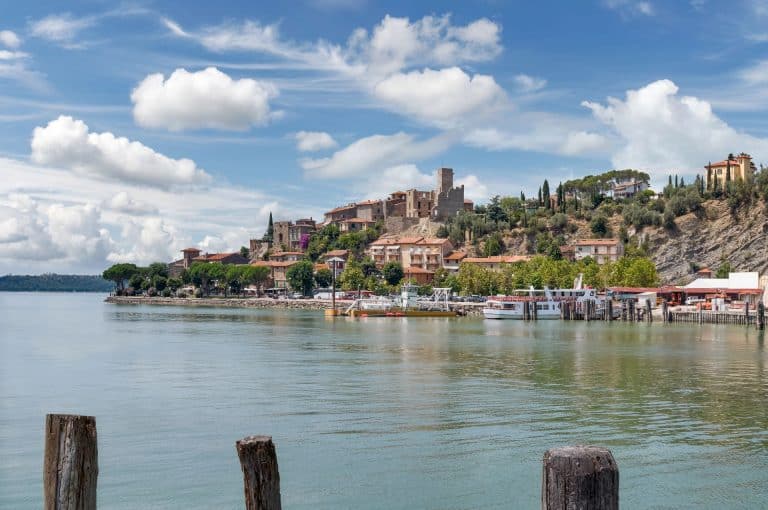
 Passignano sul Trasimeno
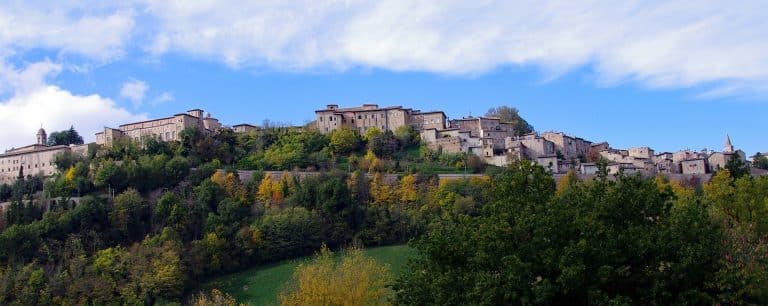 Montefeltro
 Terronia Summer Camp
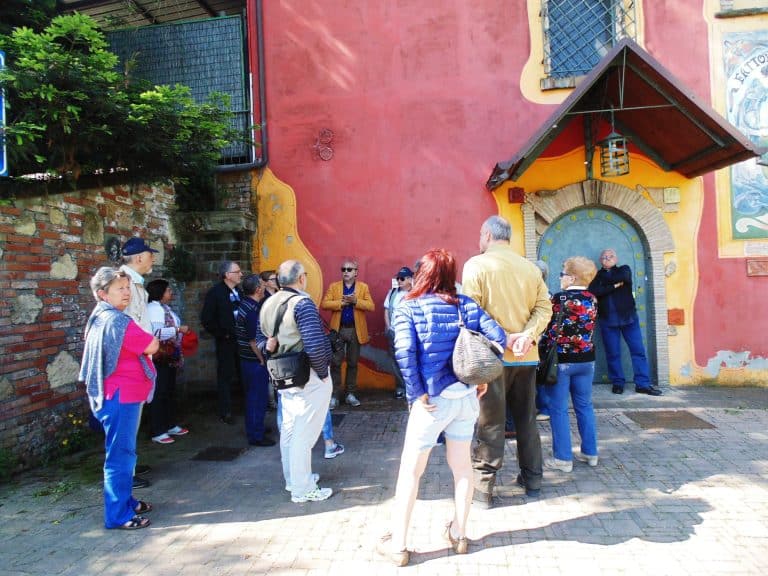 The Ca’ Rossa Experience: from vineyard to glass
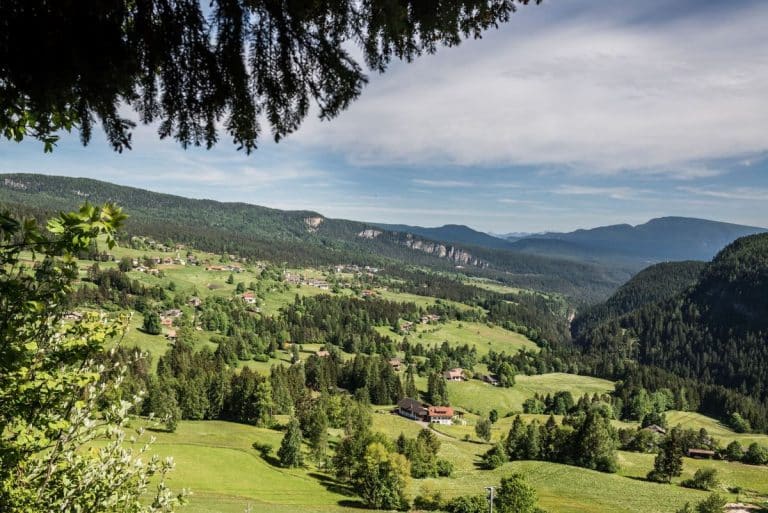 Upper Val di Non: A melting pot of cultures between South Tyrol and Trentino
The Church of San Rocco in Sasso di Castalda, dedicated to the village’s patron saint, was built in 1658 by the local people as a token of gratitude for having been spared the terrible plague of 1656–1657 that struck the Kingdom of Naples. The church was constructed by extending and renovating a previous chapel dedicated to Santa Sofia, situated near the Marquis’s old tavern.
The building features a façade divided into three orders, culminating in an upper tympanum. The second order features two windows and a central niche housing the statue of San Rocco. The entrance is preceded by a large 17th-century stone portal, accessible via a striking polygonal staircase, built in 1964 thanks to donations from the faithful and a symbol of the community’s strong devotion.
Inside, the church has a single nave and ends in a polygonal apse, where the high altar is situated in accordance with pre-Vatican II tradition. The slightly raised chancel is separated from the nave by a round arch and a polychrome marble balustrade. On either side of the arch are niches containing statues of Saint Roch and Saint Anthony of Padua, whose veneration was introduced during the 18th century. The side walls are punctuated by blind arches, three on each side, interspersed with tall pilasters and surmounted by a cornice above which the windows that illuminate the interior are set. The central arches feature statues of Saint Lucy and Our Lady of Mount Carmel, whilst above the entrance stands a carved and painted wooden choir loft.
Adjacent to the church stands the imposing free-standing bell tower, rebuilt and enlarged following the earthquake of 1857. It is built on four square levels, each progressively smaller, and is topped by an octagonal dome once covered in majolica, now replaced by lead sheets. Inside are three bells, dating from between 1782 and 1823.
Over the centuries, the church has undergone various alterations: in the 18th century, a sacristy and a wooden choir were added; in 1925, it was restored thanks to contributions from the local community; and following the 1980 earthquake, it underwent a major renovation that gave it its current appearance. Situated on a churchyard raised above street level, the church remains one of the main spiritual and cultural landmarks for the inhabitants of Sasso di Castalda.