 San Martino di Castrozza
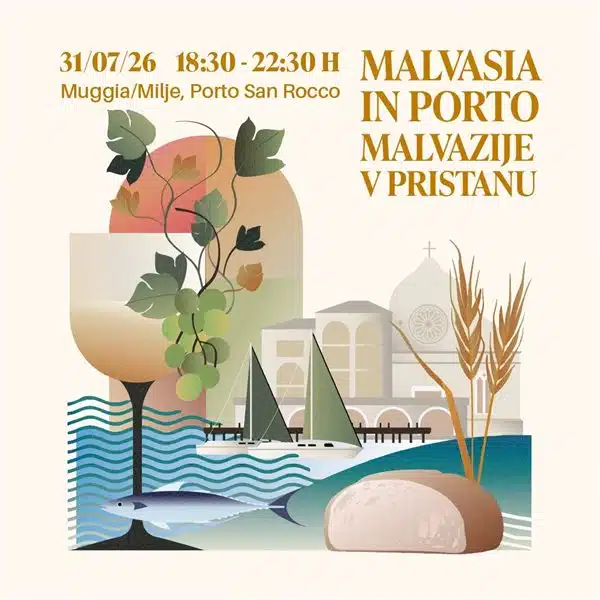 Malvasia in Porto 2026
 Tandem paragliding flights in Tirolo and Merano: the thrill of flying over the Alps
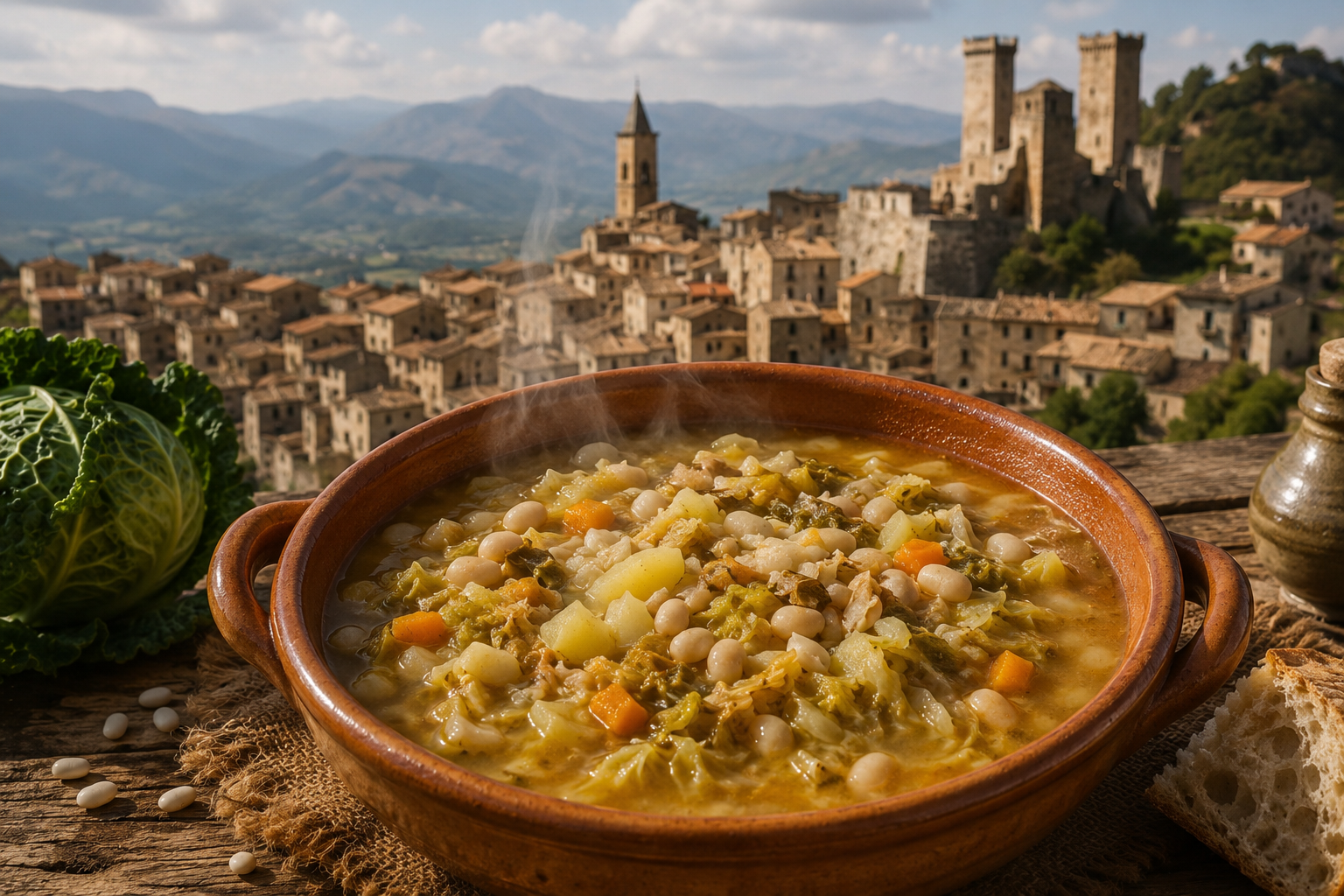 Recipe: Polta di Pacentro, the peasant dish that symbolises the traditions of Abruzzo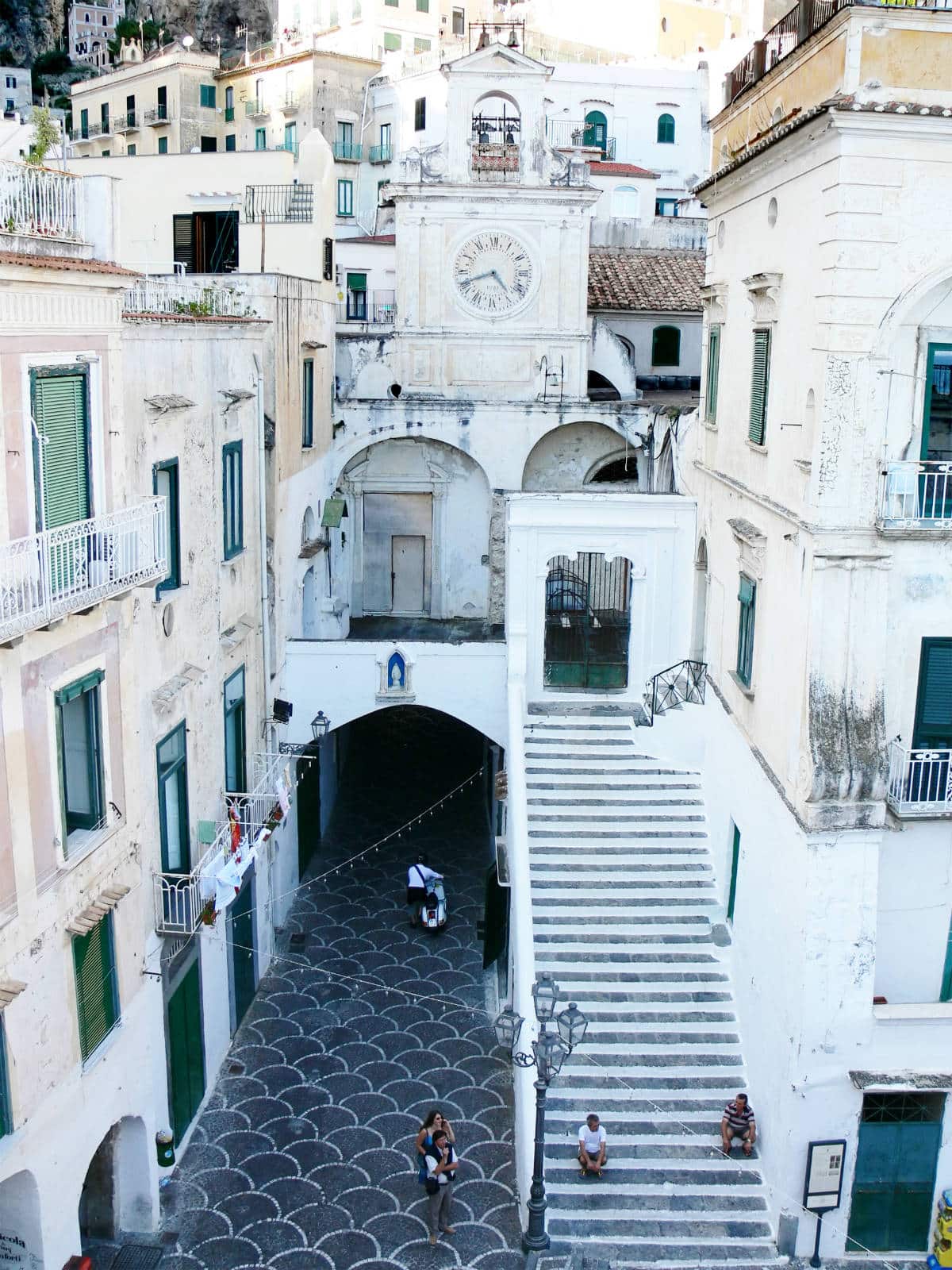
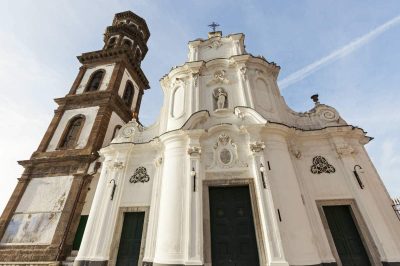
The Church of San Salvatore de’ Birecto in Atrani, built in the 10th century, is one of the most significant buildings in the history of the ancient Republic of Amalfi. Originally, it had a square plan with a pronaos at the front and was divided into three naves covered by barrel vaults. During the Baroque period, elements were added that still characterise its appearance today, such as the façade with the clock, the spectacular staircase and the atrium.
In medieval times, the church played a role of great importance: it was, in fact, the palatine chapel where the Dukes of Amalfi were crowned and where their ashes were laid to rest, thus becoming a symbol of the city’s political and religious power.
Inside, important historical artefacts are preserved. Among these, a 14th-century tombstone depicting the Atranese noblewoman Filippa Napolitano and a 12th-century marble slab decorated with two peacocks—a symbol of pride and prestige, particularly significant for the Amalfi nobility—stand out.
The bronze doors, crafted in 1087 and divided into panels decorated with figures of Christ, the Virgin Mary and various saints, were also of great artistic value. Today, these doors are housed in the nearby church of Santa Maria Maddalena, helping to preserve one of the most precious elements linked to the church’s history.