 San Martino di Castrozza
 Malvasia in Porto 2026
 Tandem paragliding flights in Tirolo and Merano: the thrill of flying over the Alps
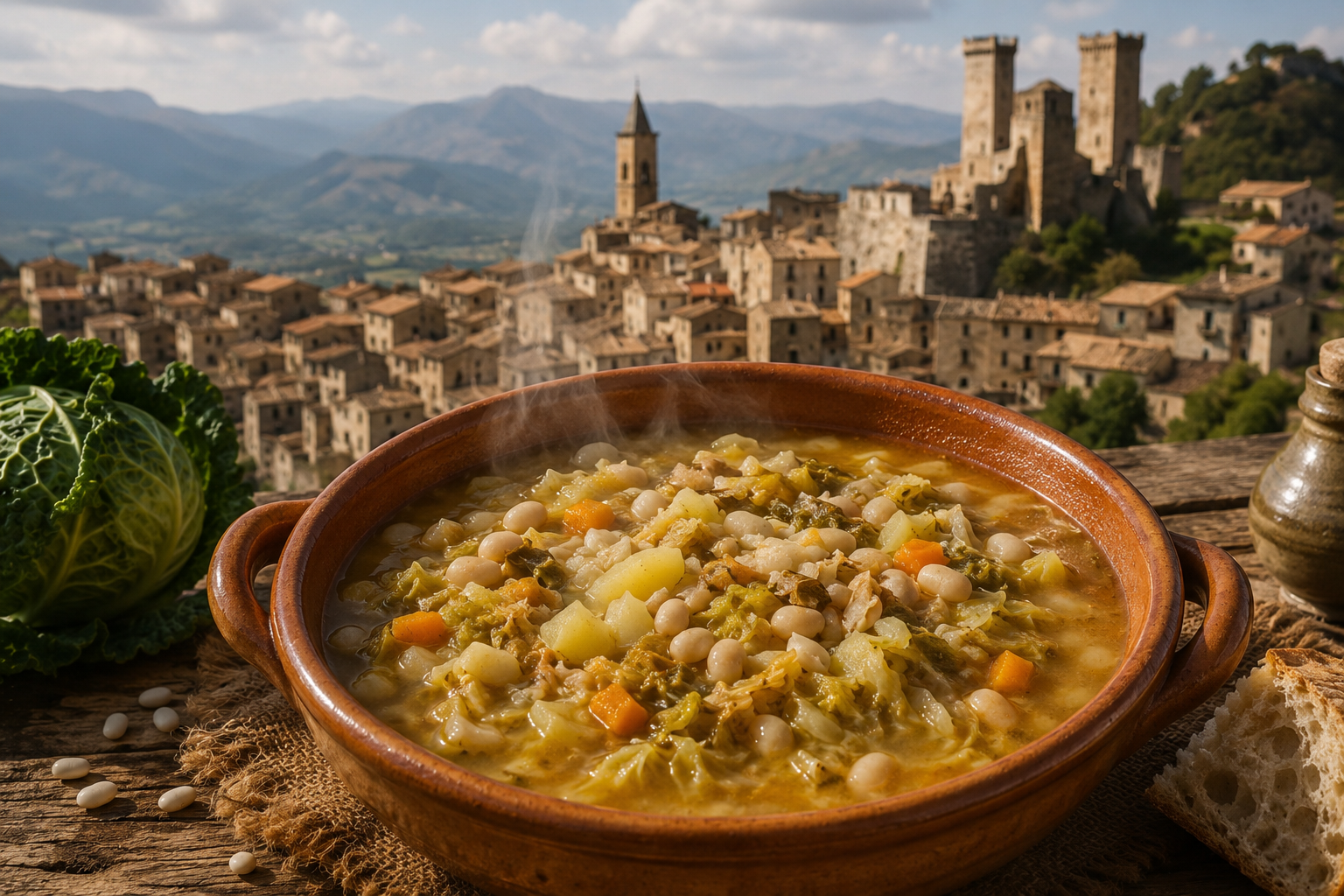 Recipe: Polta di Pacentro, the peasant dish that symbolises the traditions of Abruzzo
The Museum of the Collegiate Church of Castiglione Olona houses one of the most extraordinary artistic complexes of the early Italian Renaissance. Situated in the heart of the ancient village, the museum comprises the Collegiate Church, the Baptistery and the exhibition rooms of the former rectory, offering a fascinating journey through art, spirituality and history.
The entire complex was strongly championed by Cardinal Branda Castiglioni, a central figure of Lombard humanism, who between 1422 and 1425 promoted the construction of the new Collegiate Church on the ruins of the ancient medieval fortress. The project was entrusted to the Ticino architects Alberto, Giovanni and Pietro Solari, leading figures in the architectural renewal of 15th-century Lombardy.
The church, built in elegant Lombard terracotta with insets of pietra serena, is a splendid example of late Lombard Gothic architecture. The gabled façade, punctuated by buttresses and decorated with trefoil arches in terracotta, welcomes visitors with a magnificent carved portal and a fine central rose window. Above the entrance stands the lunette from 1428 depicting the Virgin and Child together with the patron saints and Cardinal Branda Castiglioni himself.
The interior of the Collegiate Church is striking for the brightness of its spaces and for the exceptional cycle of frescoes painted by Masolino da Panicale, one of the great masters of the early Renaissance. On the vaults of the apse, the artist painted the famous “Stories of the Virgin”, from the Annunciation to the Coronation of the Virgin, creating a masterpiece that still blends Gothic elegance with new Renaissance perspectives.
In the lower section of the church, meanwhile, are the frescoes by Paolo Schiavo and Lorenzo di Pietro, known as il Vecchietta, dedicated to the lives of Saints Stephen and Lawrence, patrons of the Collegiate Church.
Adjacent to the church stands the exquisite Baptistery, considered the true artistic jewel of Castiglione Olona. Here, Masolino created the magnificent cycle of the “Stories of St John the Baptist”, one of the absolute pinnacles of Italian Renaissance painting. The frescoes, rich in landscapes, architecture and scenes of great realism, completely envelop the space, creating an extraordinary atmosphere.
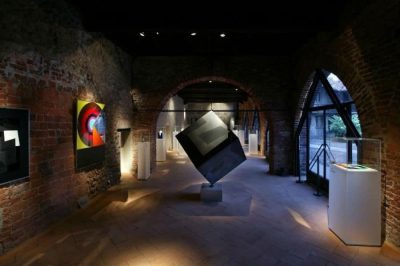
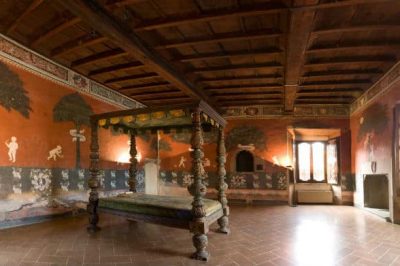
The museum also houses important works of art and historical artefacts, including illuminated manuscripts, 15th-century gold and silverware, paintings, sculptures and precious ivory carvings, displayed in the rooms of the ancient rectory commissioned by Cardinal Branda Castiglioni.
Today, the Museo della Collegiata is one of Lombardy’s most fascinating cultural attractions, offering an insight into the transition from the International Gothic style to the Renaissance through works of exceptional artistic and historical value.