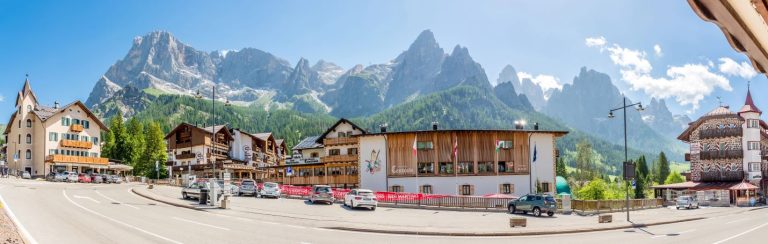
 San Martino di Castrozza
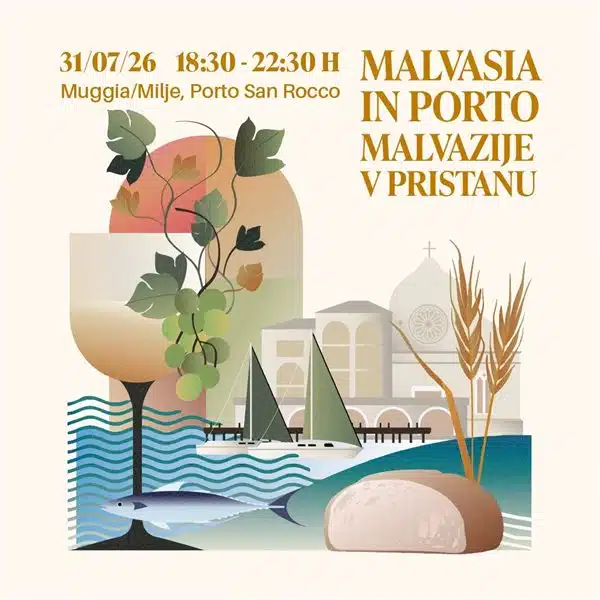 Malvasia in Porto 2026
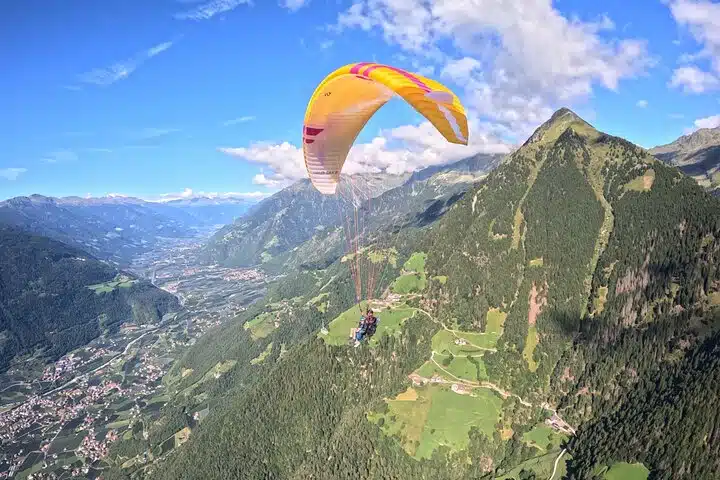 Tandem paragliding flights in Tirolo and Merano: the thrill of flying over the Alps
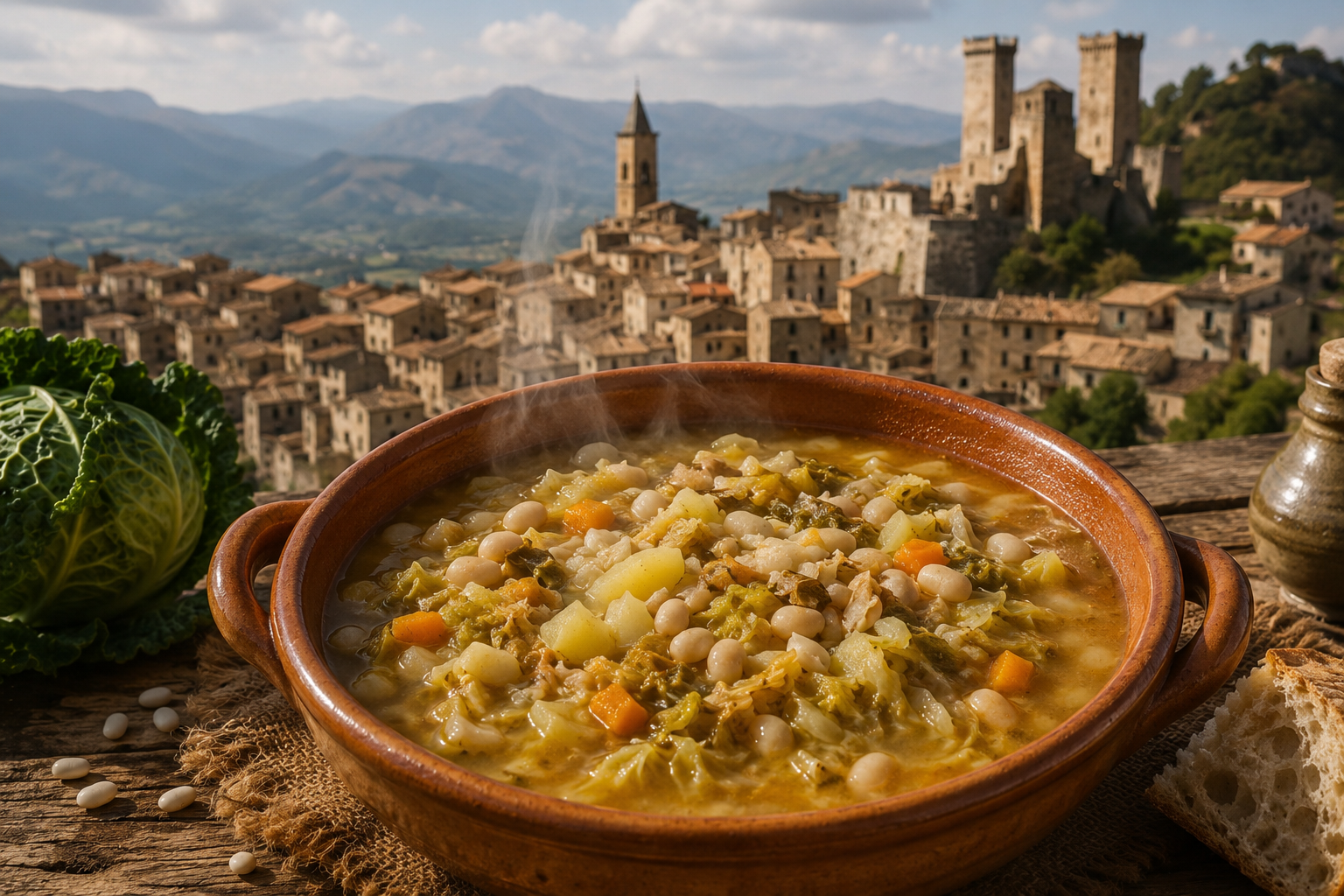 Recipe: Polta di Pacentro, the peasant dish that symbolises the traditions of Abruzzo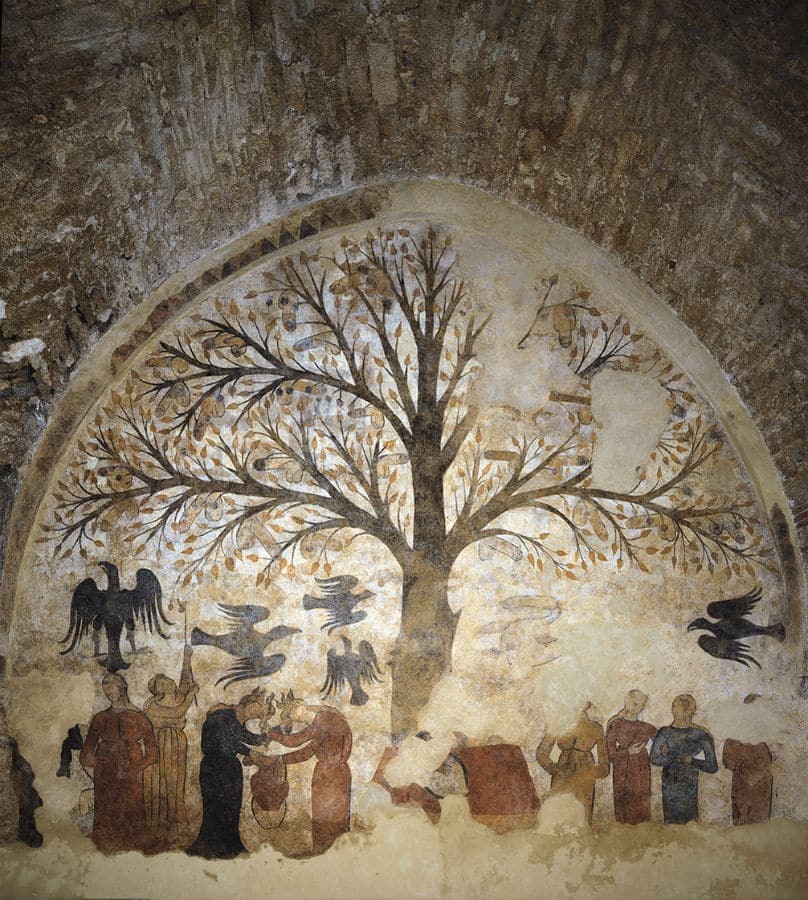
The Palazzo dell’Abbondanza in Massa Marittima is one of the most fascinating and much-discussed medieval buildings in Tuscany, closely linked to the historic Fonte dell’Abbondanza, an ancient public work that symbolises the town’s prosperity. The building, characterised by its imposing rectangular shape and three large front arches, was originally intended as a place for storing the community’s food supplies.
Above the fountain, a vast public warehouse was built and used as the town’s granary, where the inhabitants stored part of their agricultural harvest. The stored provisions would then be used in times of need, such as wars, famines or periods of scarcity. This social and economic function gave rise to the name Palazzo dell’Abbondanza, which remains deeply linked to the town’s historical memory to this day.
However, the building also houses one of the most enigmatic medieval Italian frescoes: the famous Tree of Fertility, discovered by chance during restoration work in 1999. The work, dating from between the 13th and 14th centuries, depicts a large tree from whose branches hang twenty-five male phalluses, whilst female figures vie for the ‘fruits’ under the gaze of black birds and other symbolic elements.
Over the years, this extraordinary fresco has aroused astonishment, curiosity and numerous interpretations. According to one interpretation, the work has an apotropaic and propitiatory meaning: the phallic symbols represent fertility, prosperity and agricultural abundance, whilst the crows and female figures allude to threats against the harvest and the community’s well-being.
A second interpretation, however, links the painting to the political climate of the time, viewing it as a sort of propaganda poster between the Guelphs and Ghibellines. According to this theory, the fresco was commissioned by the Guelphs to discredit imperial supporters, associating them with heresy, witchcraft and immoral behaviour prevalent in medieval popular beliefs.
The mystery remains unsolved to this day. It is known for certain that the Palazzo and the Fonte Nuova were completed in 1265 at the behest of the Ghibelline podestà Ildebrando da Pisa, but there is no precise documentation regarding the date of the fresco. It is precisely this detail that could completely alter the meaning of the work.
Beneath the Palazzo dell’Abbondanza lies an evocative underground gallery stretching over 250 metres, which can be visited with specialist guides. This ancient subterranean passageway adds further charm to one of the most unique and mysterious monuments in Massa Marittima.