 San Martino di Castrozza
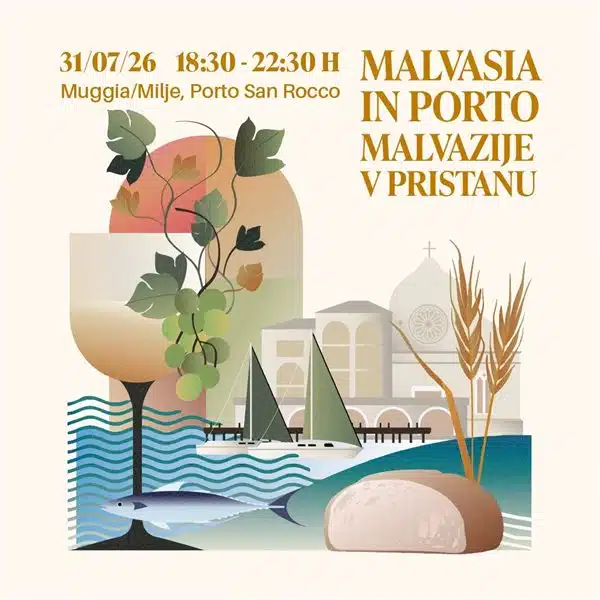 Malvasia in Porto 2026
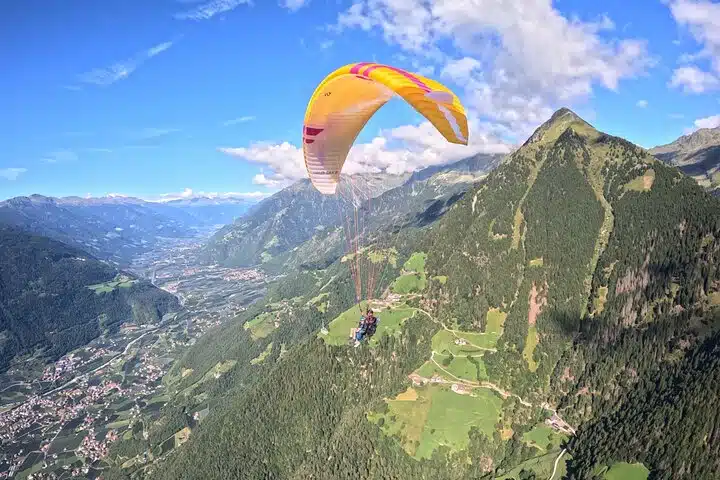 Tandem paragliding flights in Tirolo and Merano: the thrill of flying over the Alps
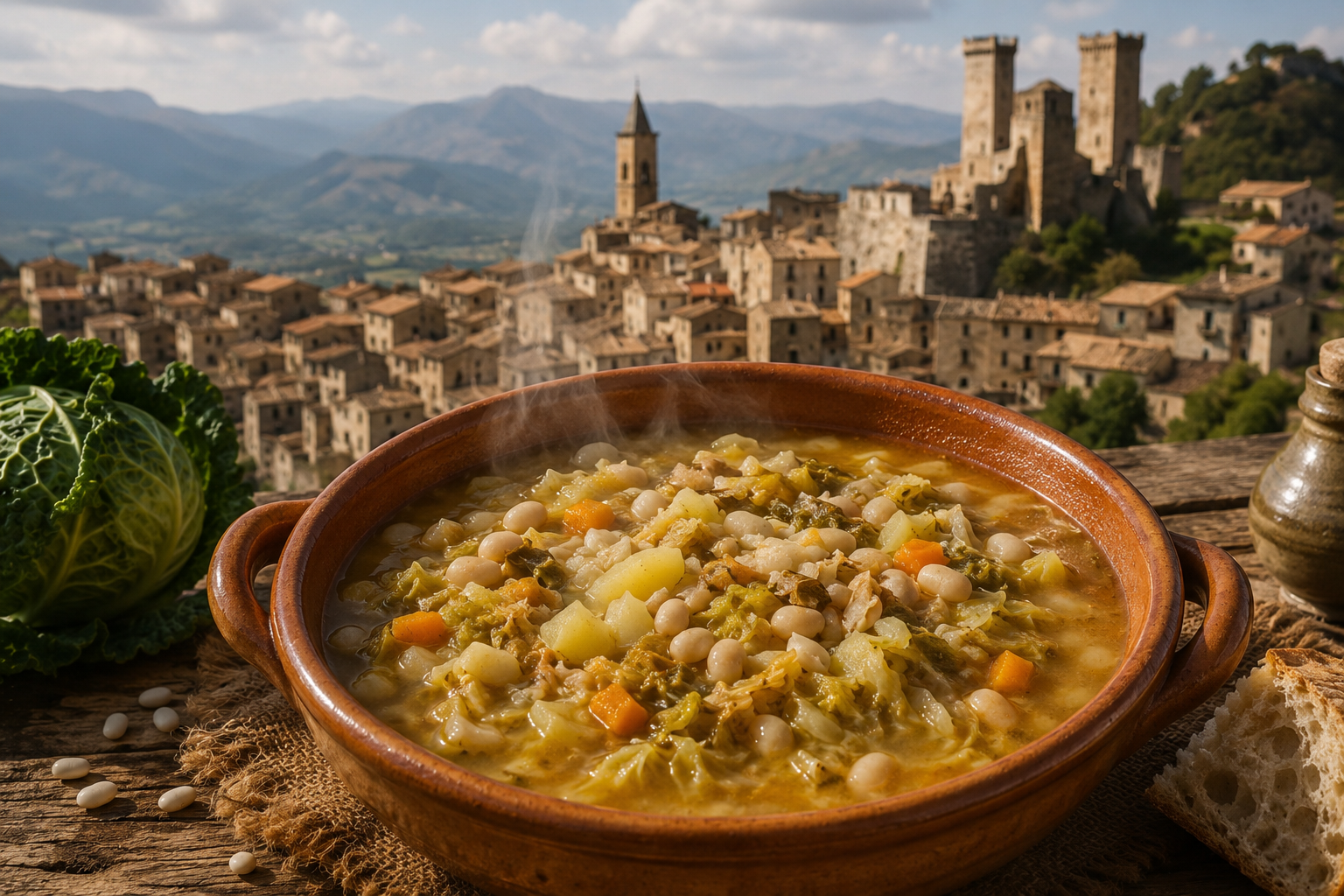 Recipe: Polta di Pacentro, the peasant dish that symbolises the traditions of Abruzzo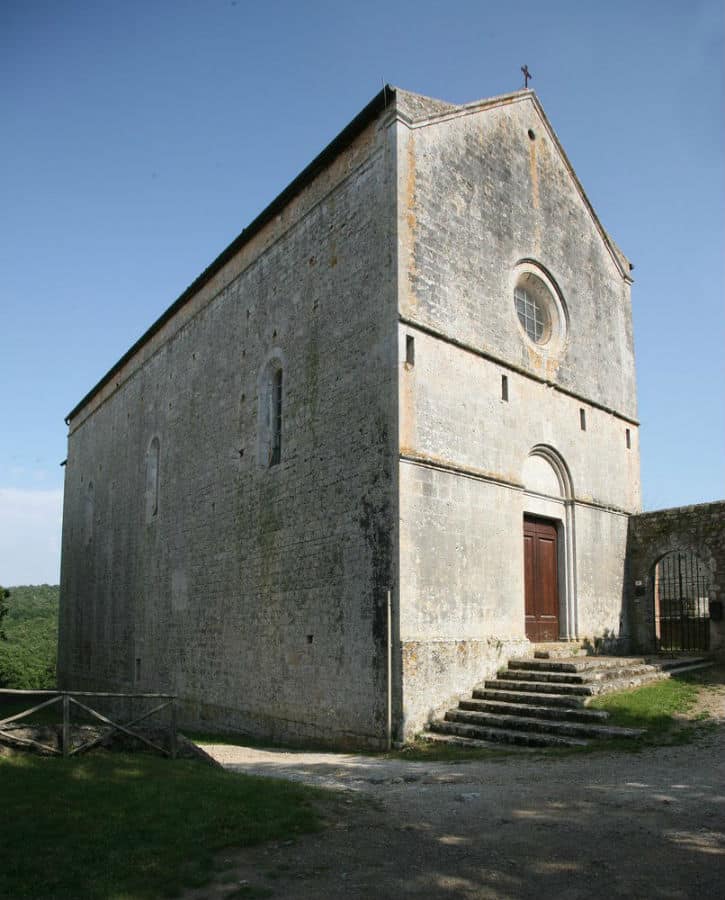
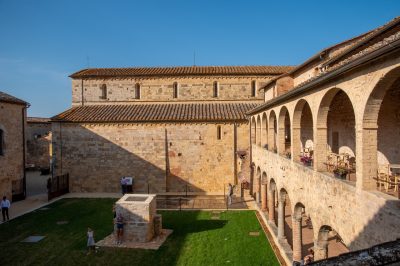
The Hermitage of San Leonardo al Lago is one of Tuscany’s most fascinating spiritual sites, nestled amongst holm oak and oak woods along one of the most picturesque stretches of the Via Francigena. Situated in the hamlet of Santa Colomba, within the municipality of Monteriggioni, this ancient monastic complex still retains an atmosphere of contemplation and mystery, suspended between medieval spirituality, Sienese art and unspoilt nature.
The hermitage owes its name to the ancient Lake Verano, now gone following the land reclamation of the 18th century, which once characterised the surrounding landscape. The earliest evidence of a hermit community dates back to the early 12th century, although the complex’s origins may be even older. In 1239, the hermitage passed to the Augustinian Order and, a few years later, was merged with the nearby monastery of San Salvatore di Lecceto, becoming an important religious centre and a destination for pilgrims.
The presence of the Blessed Agostino Novello, who spent the last years of his life here and died in 1309, contributed significantly to the spiritual renown of the place. Thanks to donations and the support of the Republic of Siena and the Hospital of Santa Maria della Scala, the monastery enjoyed a period of great prosperity and was expanded between the 13th and 14th centuries.
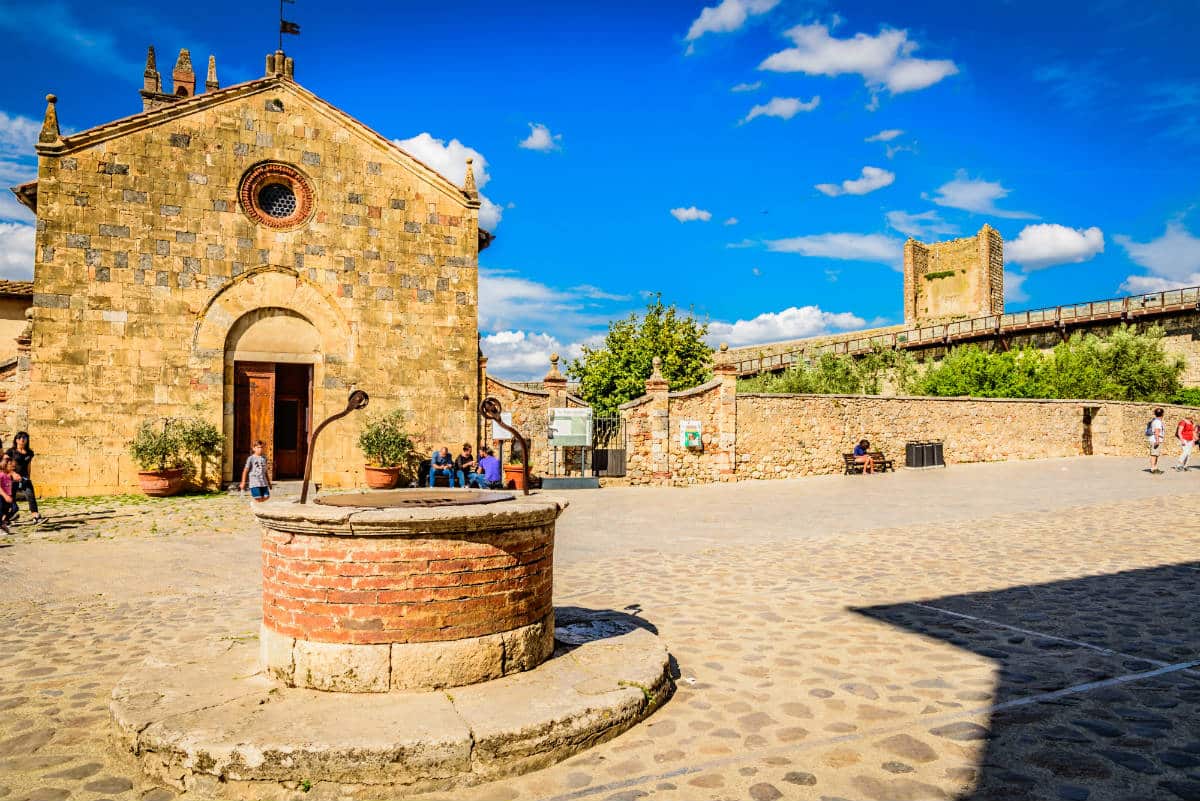
The architecture of the hermitage represents a fascinating transition between the Romanesque and Gothic styles. The church, with a single nave divided into three bays with cross vaults, features a simple façade dominated by an elegant splayed portal with a round arch. In 1366, the entire complex was fortified with walls and towers to offer refuge to the local inhabitants during times of war; sections of the walls and the two towers, one square and one round, are still visible today.
Inside the church, precious artistic treasures are preserved. In the apse area, one can admire the splendid frescoes painted by Lippo Vanni between 1360 and 1370, dedicated to the Stories of the Virgin, populated by angels, saints and scenes of intense spirituality. Despite subsequent neo-Gothic decorative alterations, these paintings still represent one of the most important pictorial testimonies of the Sienese fourteenth century.
The large fresco of the Crucifixion, housed in the monastery’s ancient refectory, is also of extraordinary value; it is attributed to Giovanni di Paolo and was painted around 1445. Although fragmentary, this masterpiece of 15th-century Sienese painting still impresses with its expressive intensity and chromatic refinement.
Surrounded by the tranquillity of the Tuscan countryside and the timeless charm of the Via Francigena, the Hermitage of San Leonardo al Lago is an ideal destination for those wishing to rediscover medieval spirituality, sacred art and the authentic beauty of the Sienese countryside.