 San Martino di Castrozza
 VIVA! Festival 2026
 Tandem paragliding flights in Tirolo and Merano: the thrill of flying over the Alps
 Recipe: Polta di Pacentro, the peasant dish that symbolises the traditions of Abruzzo
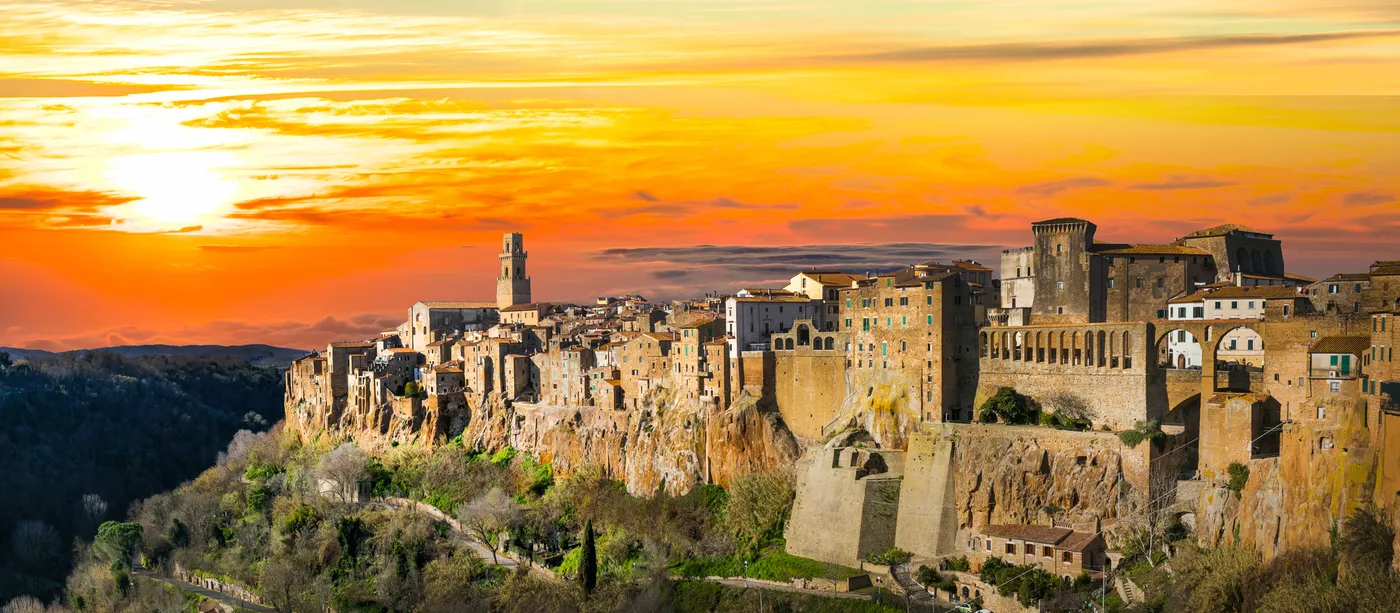
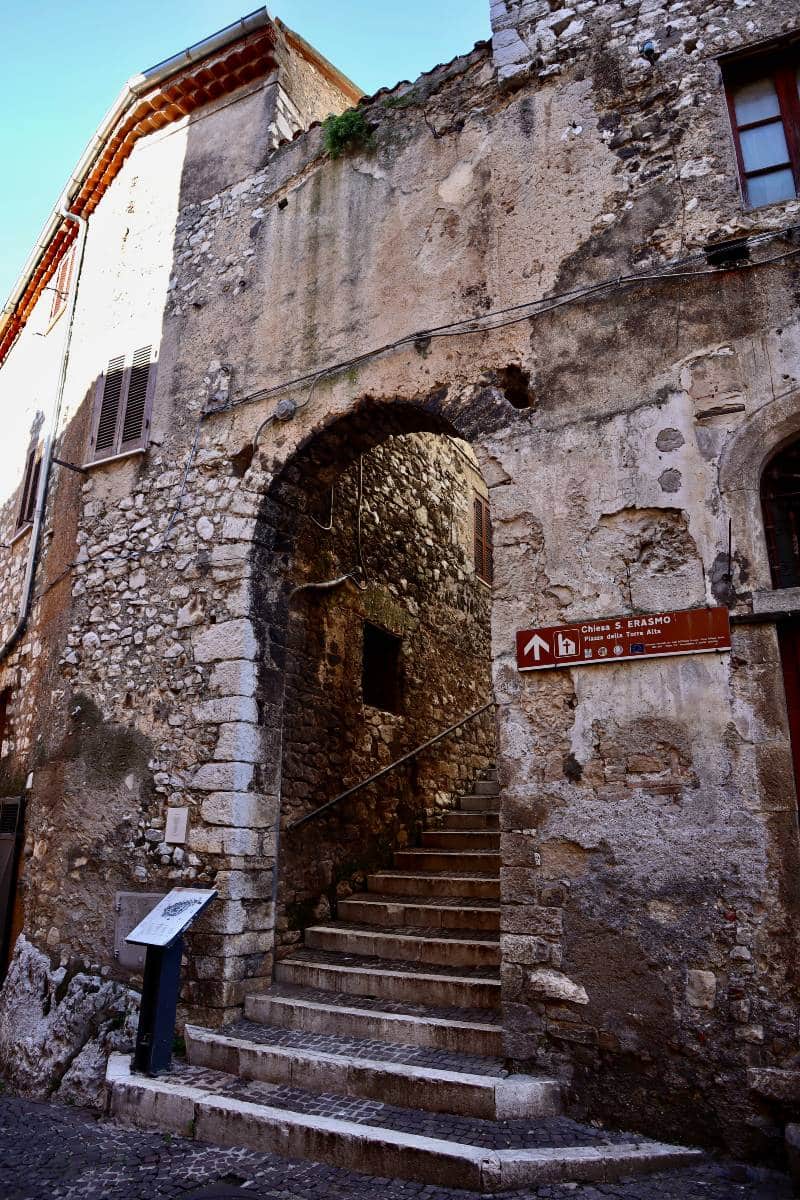
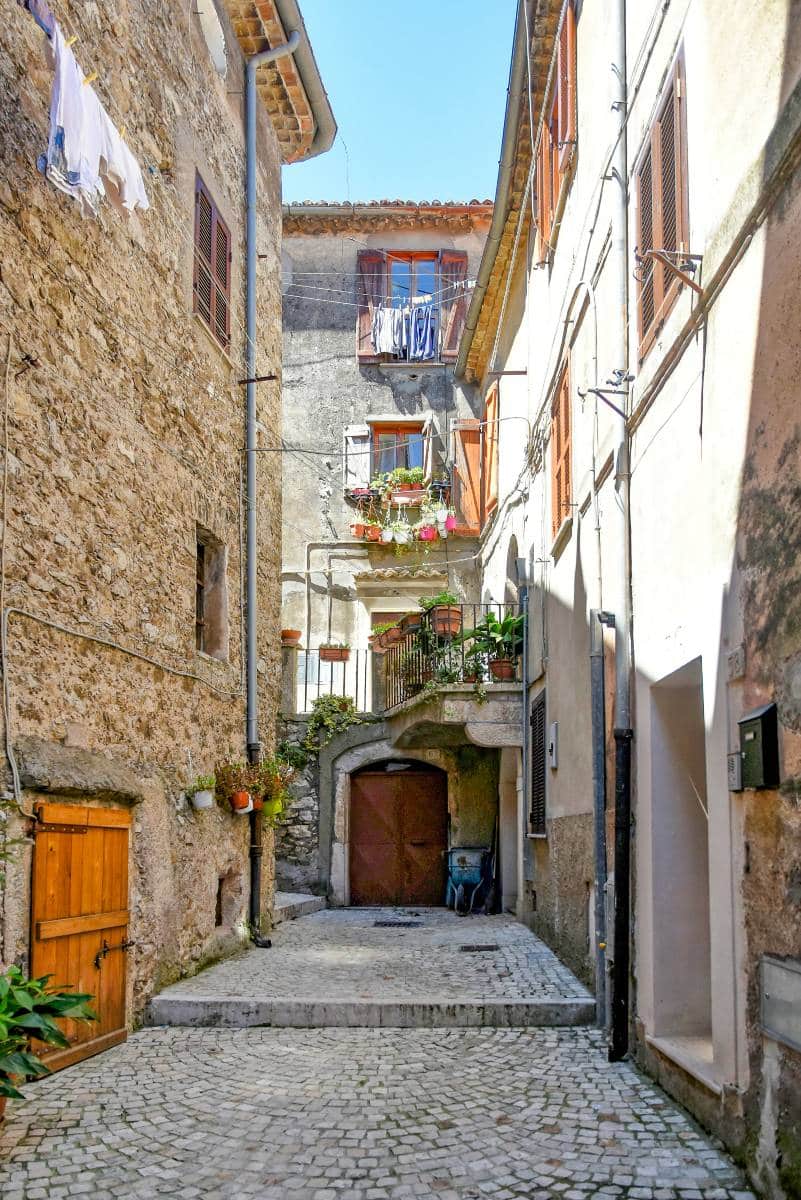
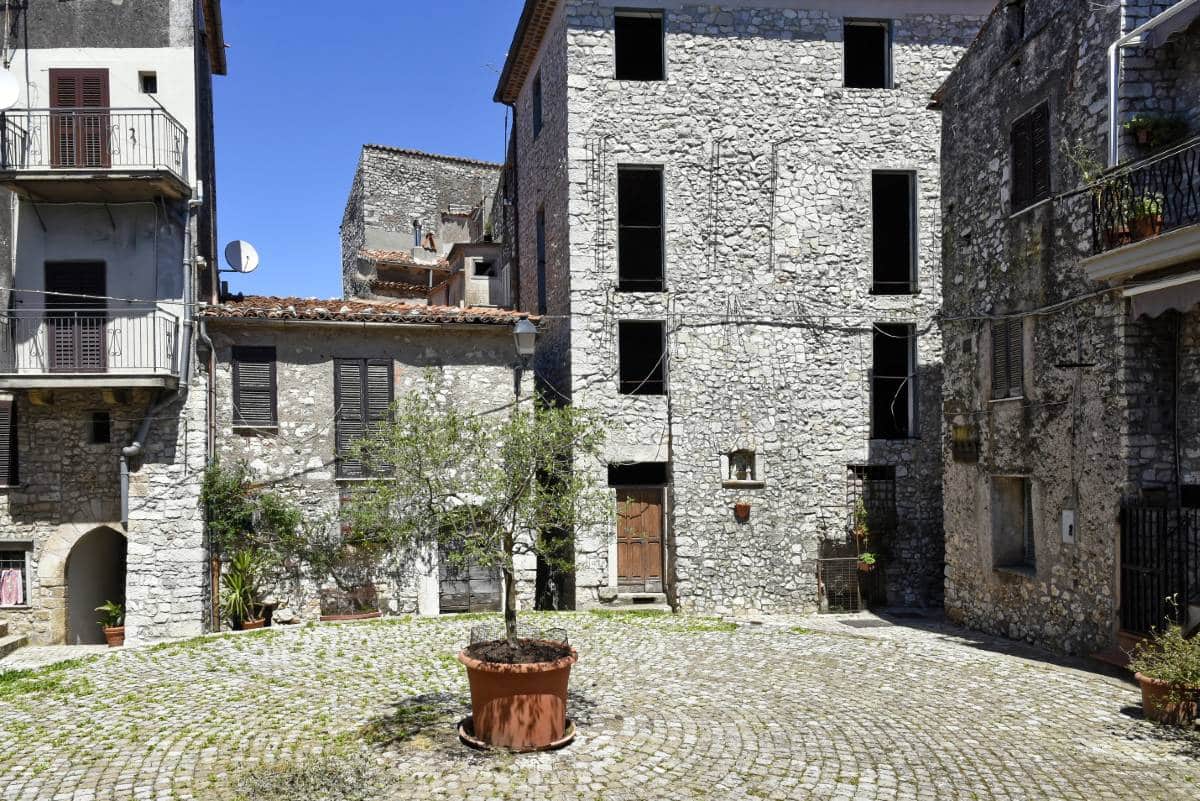
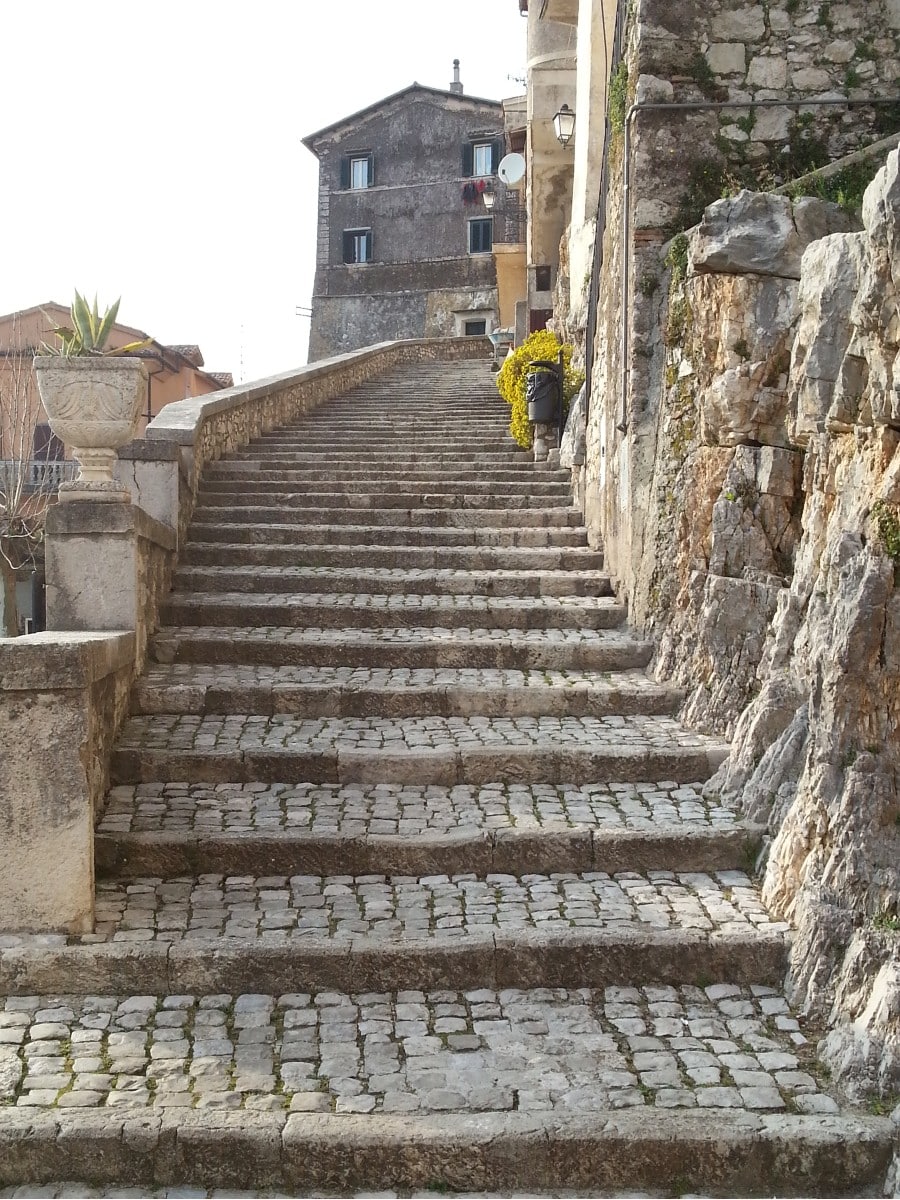
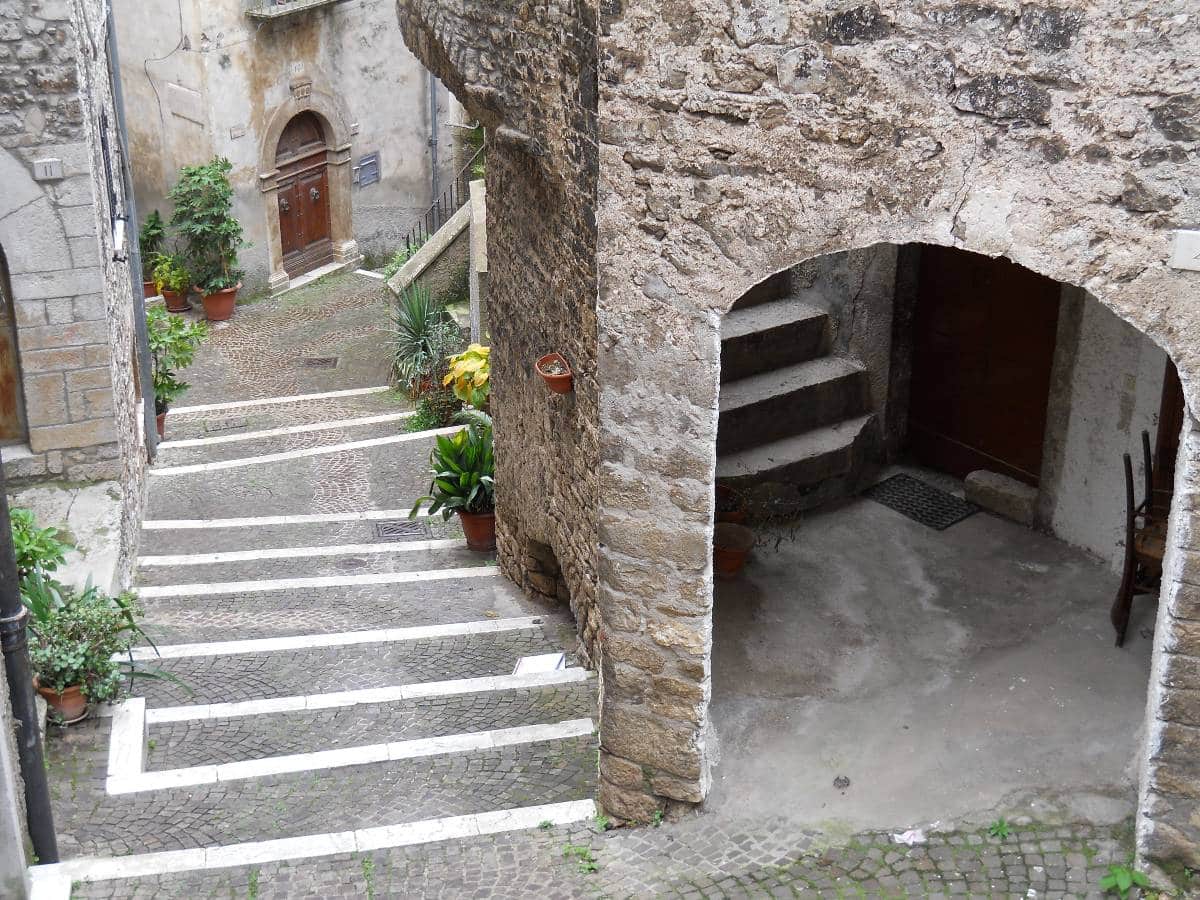
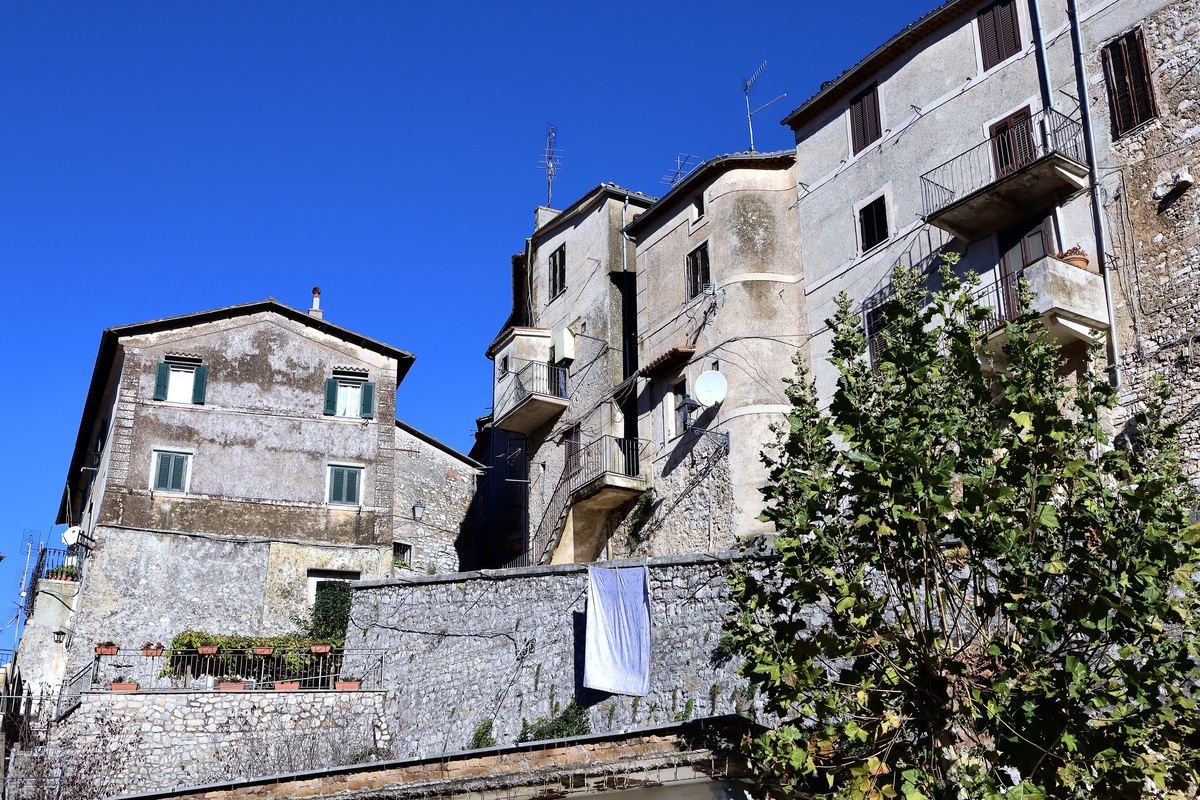
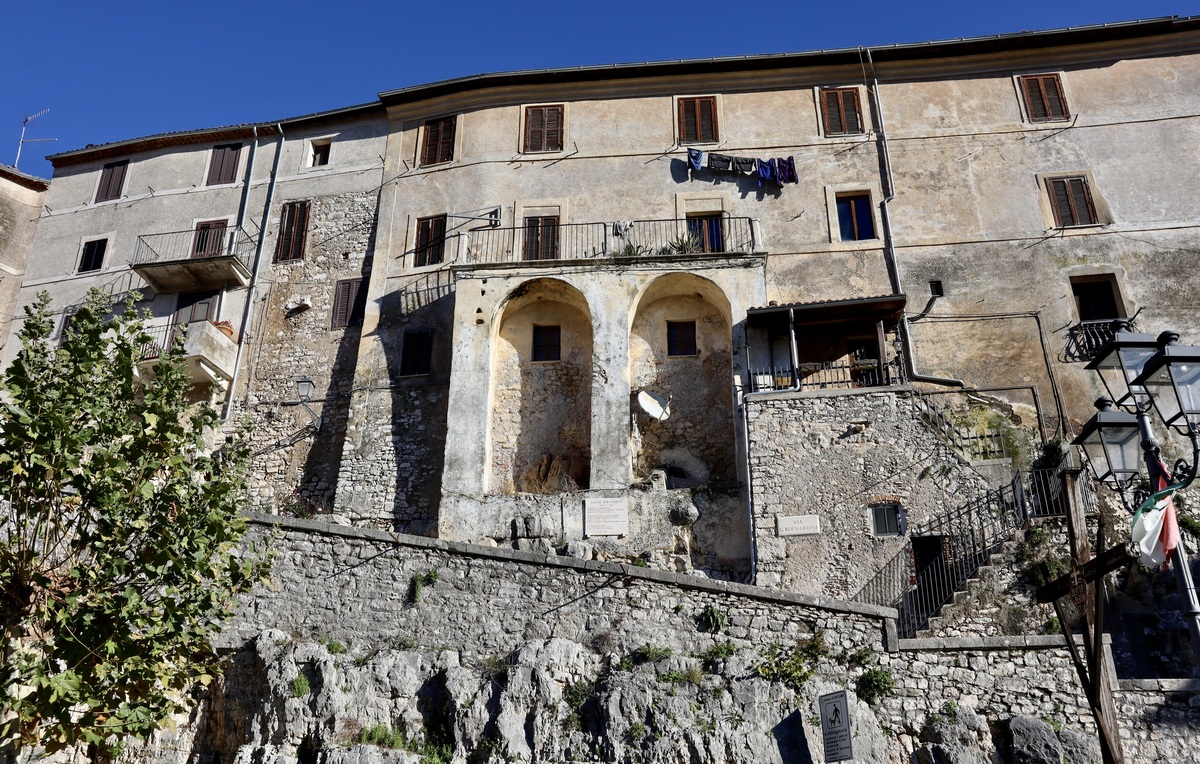
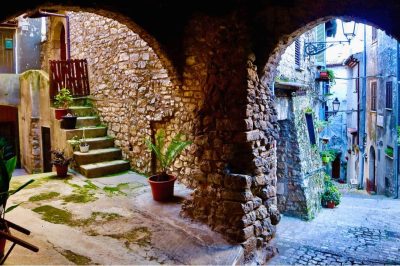
Nestled in the Lepini mountains, the ancient village of Bassiano is the highest in the province of Latina. Its architecture, in fact, consists of houses built in a spiral that culminates in the highest point of the hill where the fortress once stood. Numerous testimonies of the past tell the story of Bassiano, where historical and political events have animated antiquity. The town, in fact, still preserves the aspect of a fortified village typical of the 13th-14th century. Stone houses, towers, meadows, woods and forests surround the village. The terraces constitute a typical element and, at the same time, safeguard the territory.
Photo gallery
Village videos
Historical notes
Despite the available material and immaterial evidence, the origins of Bassiano remain obscure. At the basis of its foundation there are surely the barbarian invasions typical of the X century, which continuously threatened the peaceful farmers and shepherds of lower Lazio. The latter, tired of the continuous attacks, decided to take refuge in the mountains from where they could better face their enemies. The name Bassiano appears for the first time in a document from 1169 found in the archives of the Collegiate Church of Santa Maria in Sermoneta. The document refers to a Castrum taken by deception from a Lord of Bassiano by a certain Gregorio Leonis.
Moreover, historical links with the area of the Acquapuzza Tower would suggest that the anthroponym Bassianus referred to the castle of the same name. Finally, the history of Bassiano is based on spiritual evidence of the presence of monks, friars and templars who met here in meditation. In the 14th century it was the turn of the Caetani family, who built the Baronial Palace around which the present architecture originated.
What to see
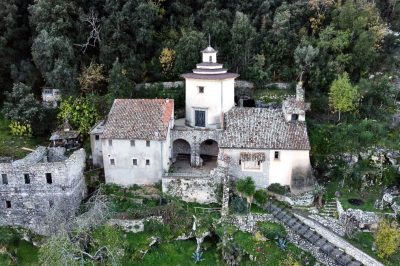
As previously mentioned, the presence of monks and friars gathered in prayer led to the construction of numerous churches. Today, walking through the historical centre of the village you can admire valuable religious architecture such as the Church of Sant’Erasmo, enriched by an ancient Romanesque baptismal font and numerous frescoes.
The Church of San Nicola is part of the monastery and is on two levels with an oratory and chapter house.
The Church of the Crucifix, on the other hand, is just outside the village in Selva Scura.
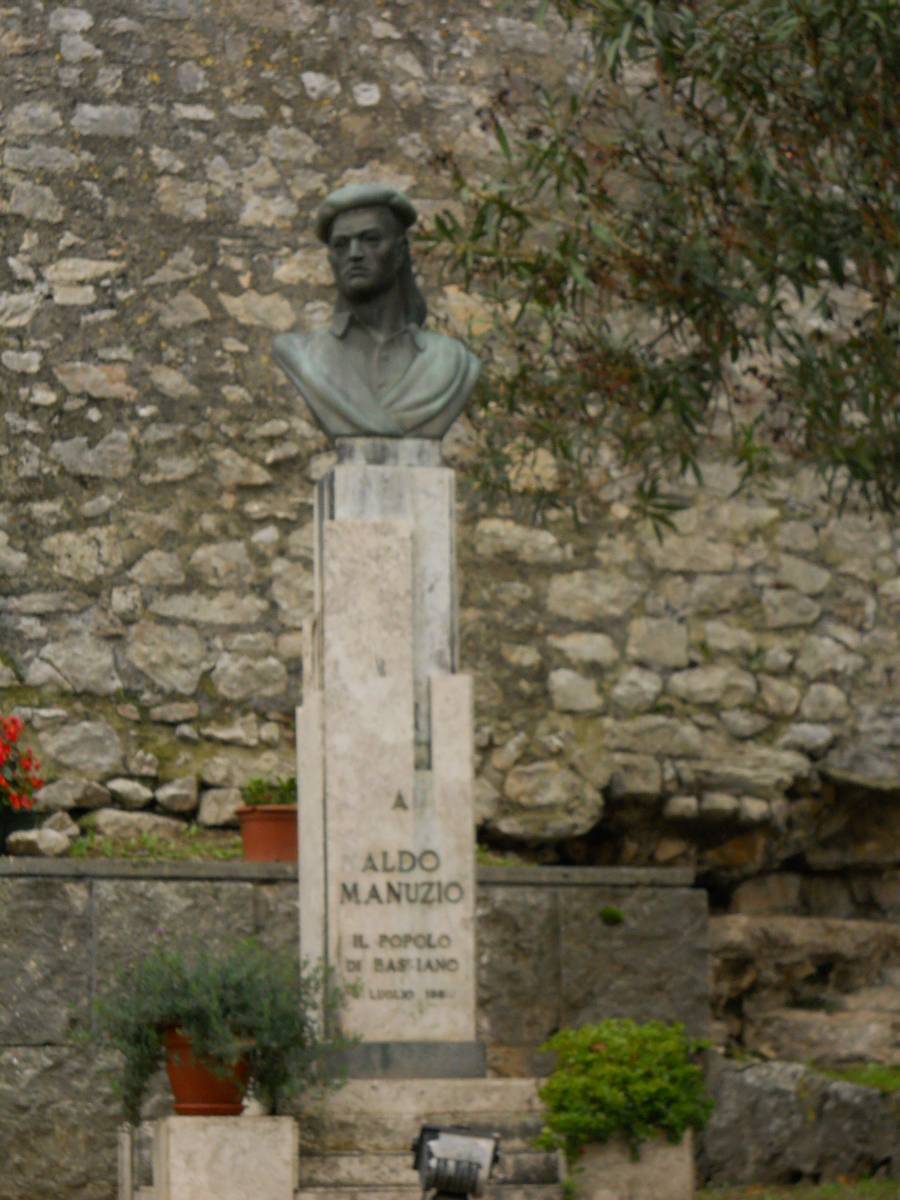
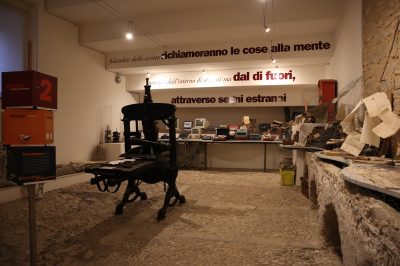
The points of interest continue with monuments and museums, the most important of which is the Aldo Manuzio Scripture Museum. Here, it is possible to admire the written evidence of the anthropological research carried out over time in collaboration with Rome’s La Sapienza University. The Graffiti Room is the most evocative as you can admire numerous charcoal graffiti.
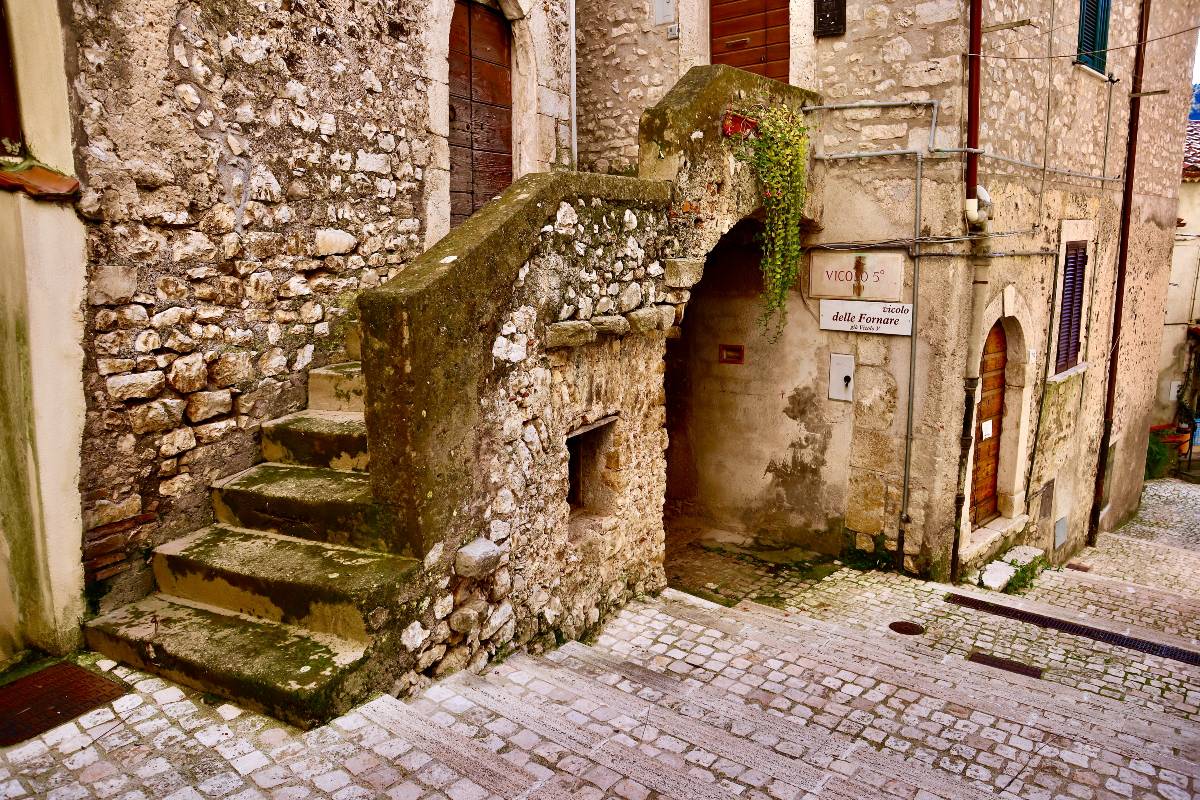
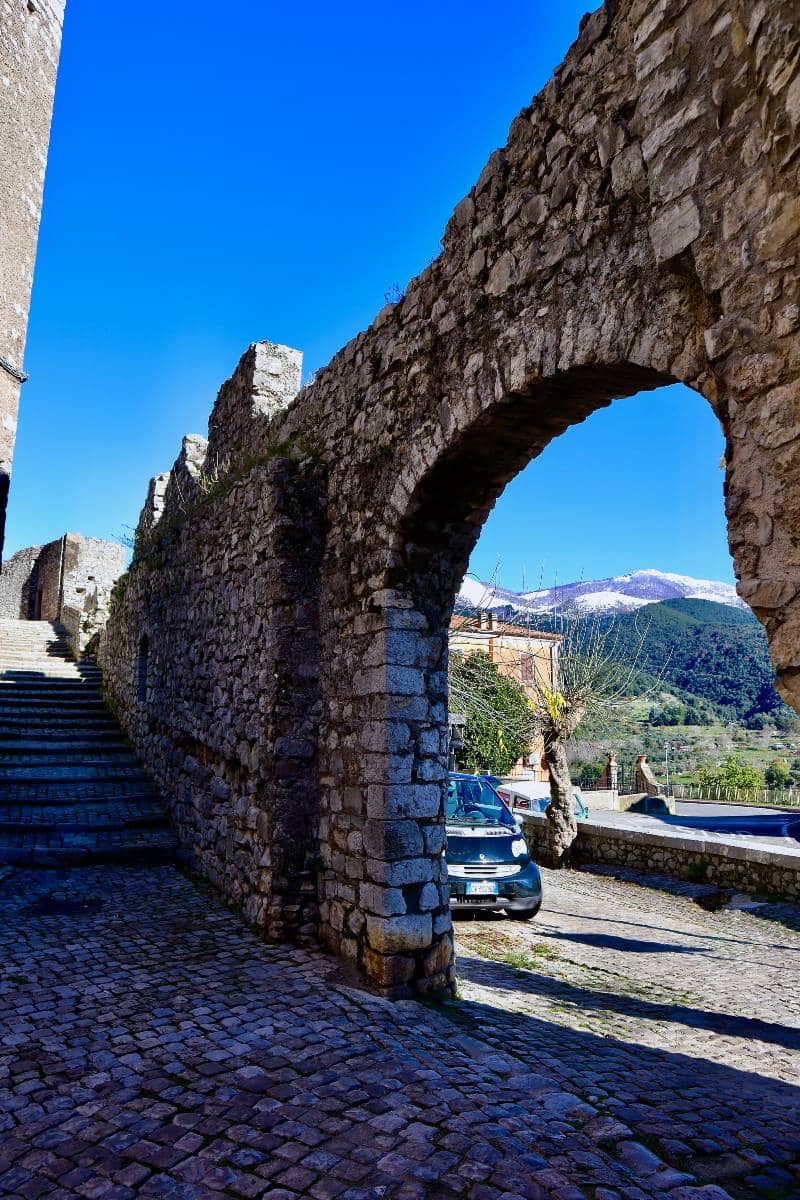
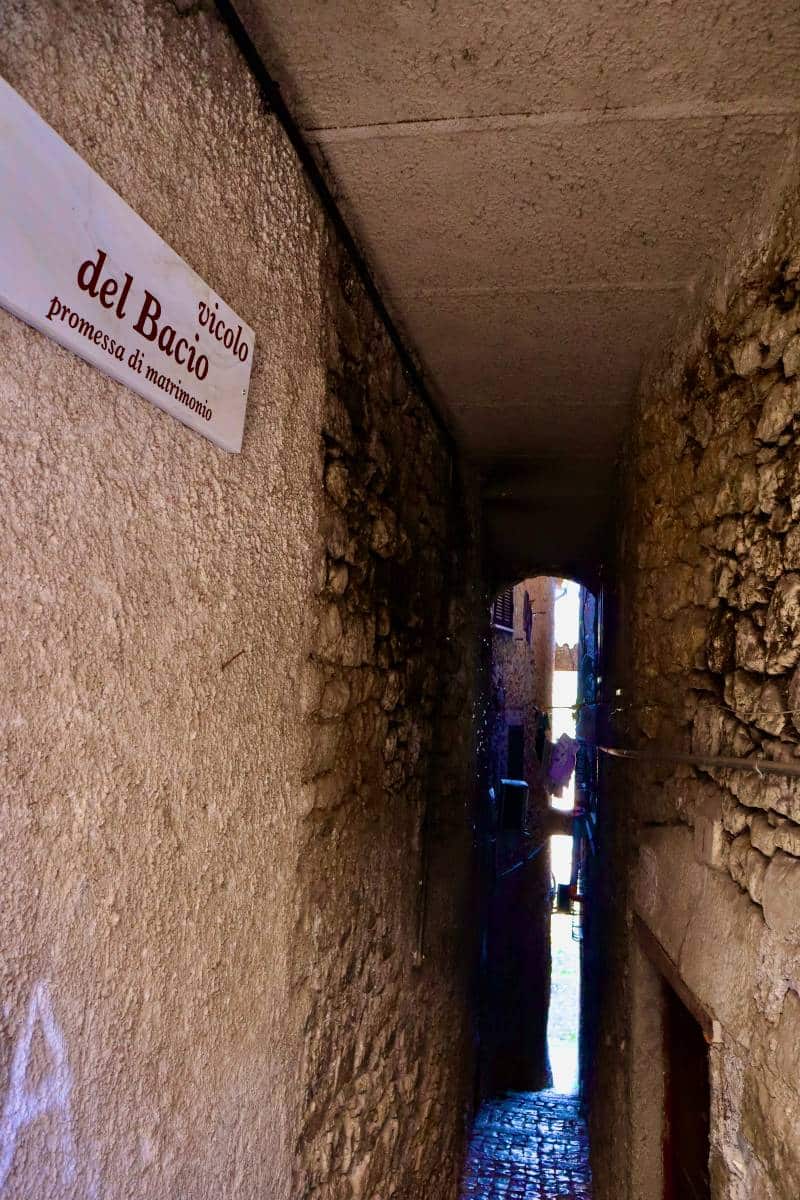
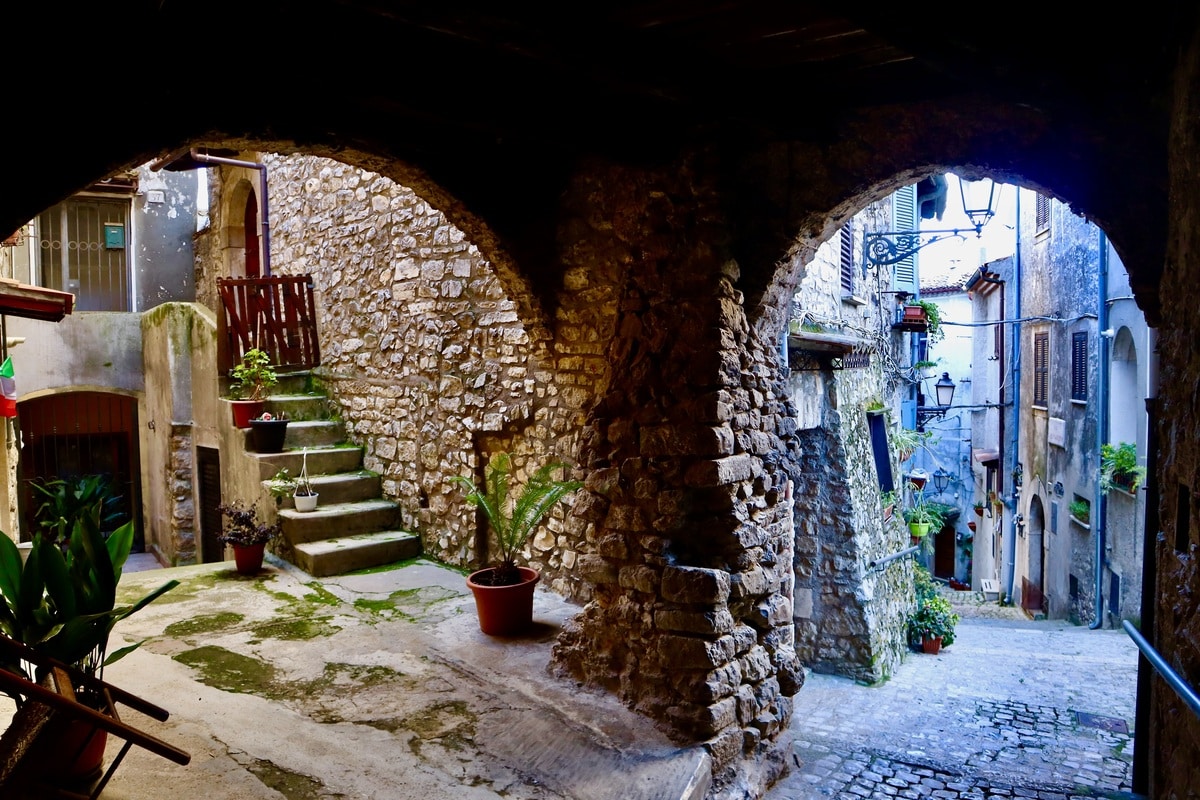
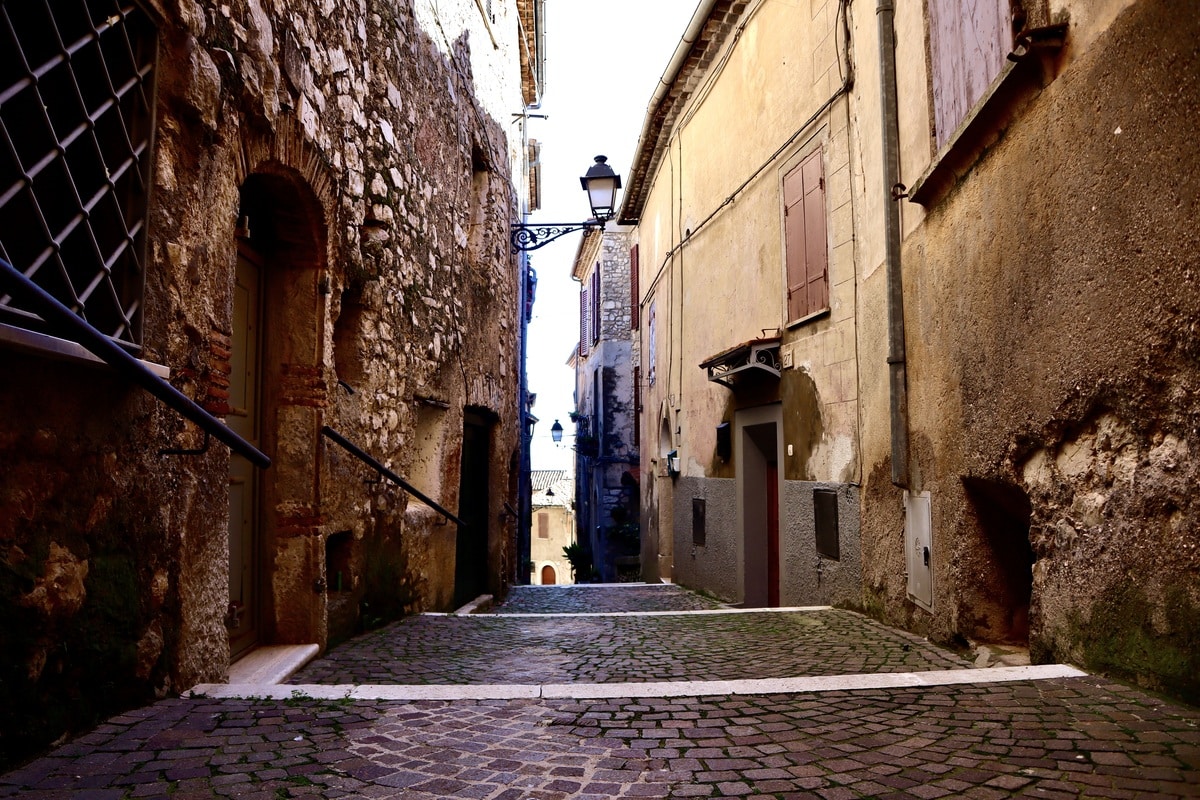
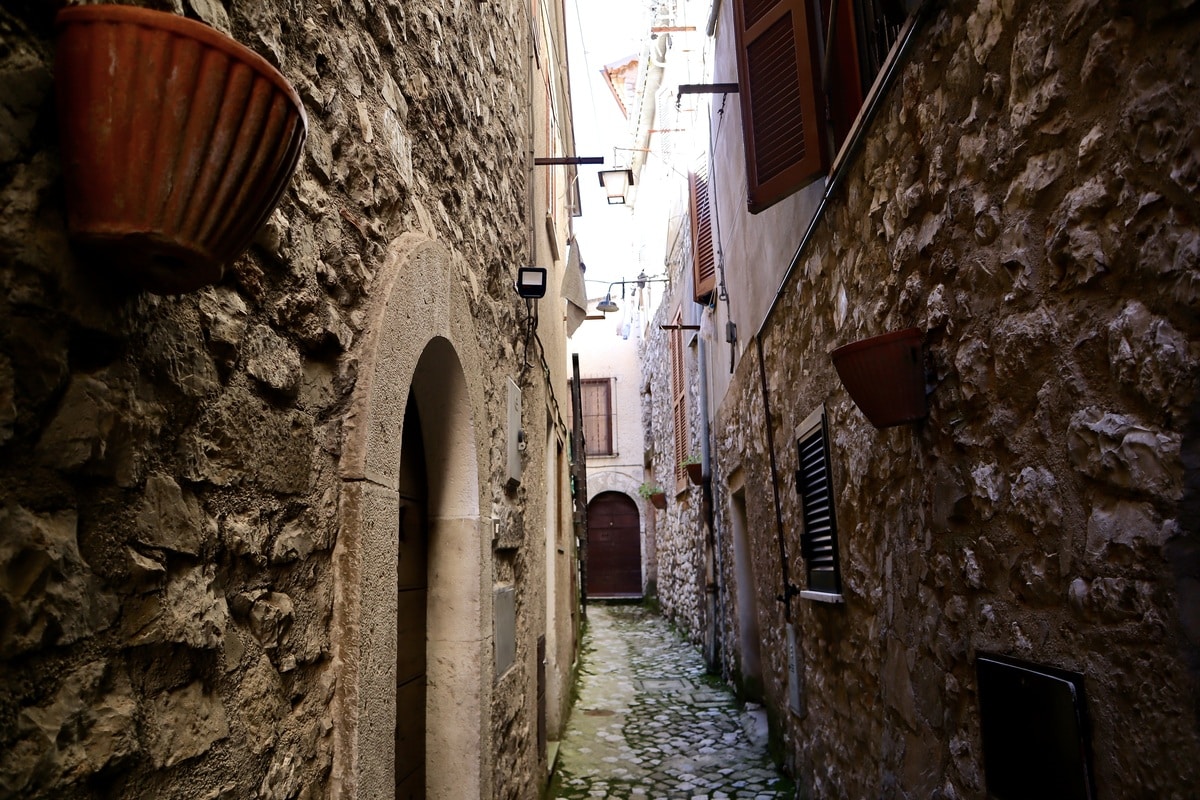
Around the village, the ancient walls wind their way through the ancient gates. A maze of alleys develops around the hill whose houses are called Case-Torri.
The Lepini Mountains are a natural reserve for hiking and trekking lovers. Numerous paths and themed itineraries develop along the slopes, offering opportunities for walks to discover the local flora and fauna. The latter is characterised by the presence of various bird species, including the sparrow hawk, the chough, the jay, the owl and the buzzard.
During excursions, it is also possible to meet squirrels, foxes and hares.
Karst phenomena have been studied in the mountains, leading to the discovery of numerous caves, some of which are over 300 metres deep. The water that sinks between the cracks gushes out further down the valley, creating a truly suggestive spectacle, and the beech forests frame the landscape of Bassiano.
Village of Bassiano
Municipality of Bassiano
Province of Latina
Lazio Region
Inhabitants: 1624 bassianesi
Altitude centre: 562 m s.l.m.
the municipality is part of:
Borghi Autentici d’Italia
Acknowledgements
Bandiera Arancione – Touring Club Italiano
Municipality
Via Aldo Manuzio, 117 – tel: 0773355226
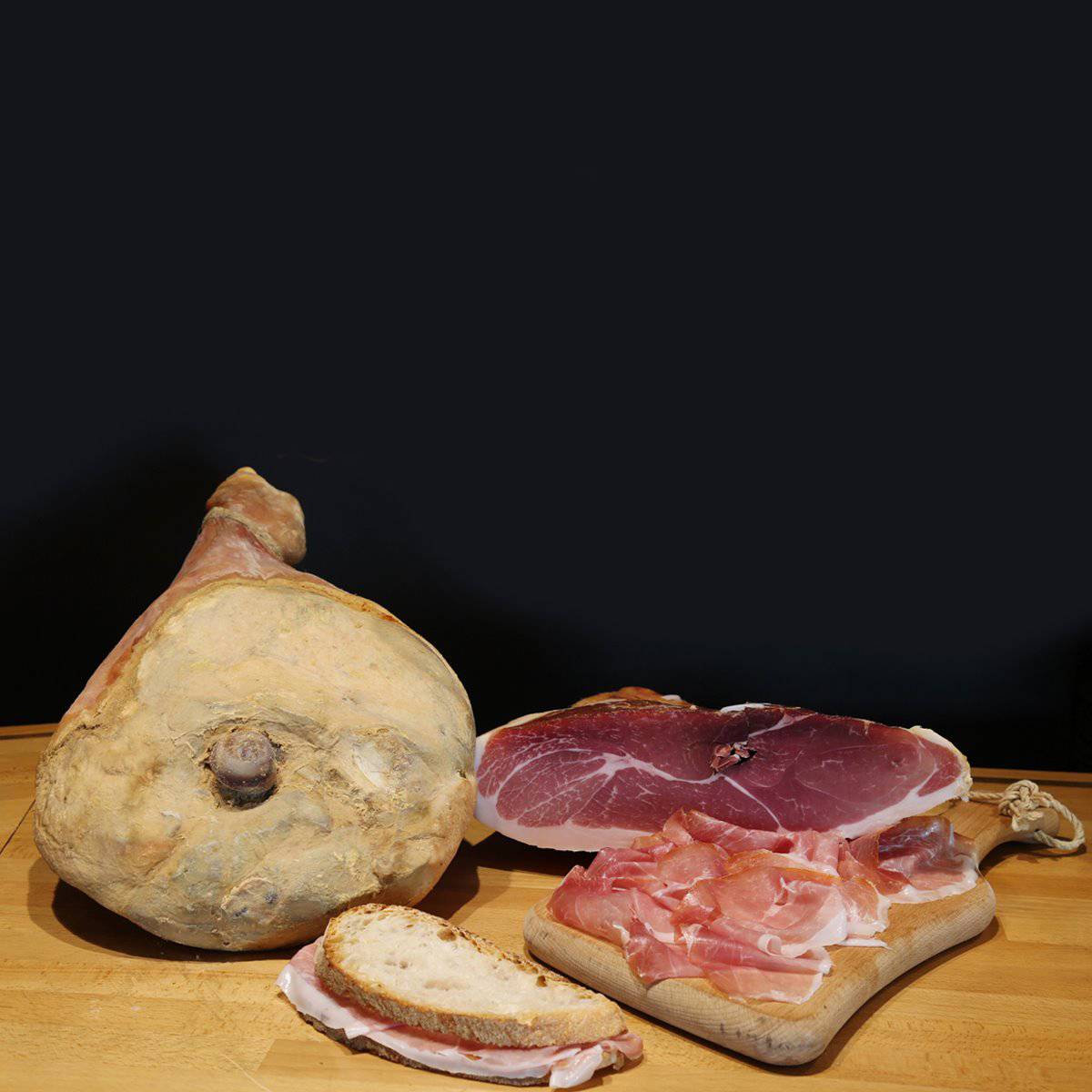
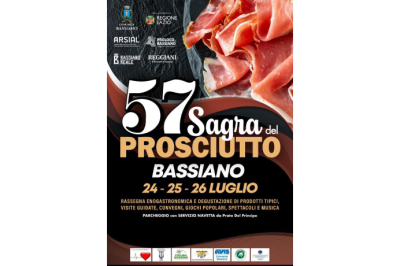
One of Bassiano’s best-known and best-loved products is ham. The secrets of the ancient processing have been handed down for generations, constituting the intangible heritage of the medieval village. The meat is flavoured with a sauce made from wine, salt and natural aromas that give it its unique organoleptic characteristics, accentuated by smoking with beech wood. The climate and clean air do the rest, allowing the Prosciutto di Bassiano to dry slowly. There are also dairy products such as giuncata and impanata. Legumes are another typicality of the area and are the absolute protagonists of soups or as side dishes to local meats.
Numerous events animate the village of Bassiano in every season. Food and wine are the typical products and attract tourists and visitors every year who love food and wine.
– February/March: Carnival Festival
– July: Pink Night with entertainment, music and local exhibitors
– July: Ham Festival
– August: Ferragosto Bassianese
– September: Best Wine Festival
What to see in Bassiano
Discover what to see in Bassiano among monuments, scenic views, museums, churches and symbolic places of the village. A useful selection to plan your visit and explore the area.
Where to eat in Bassiano
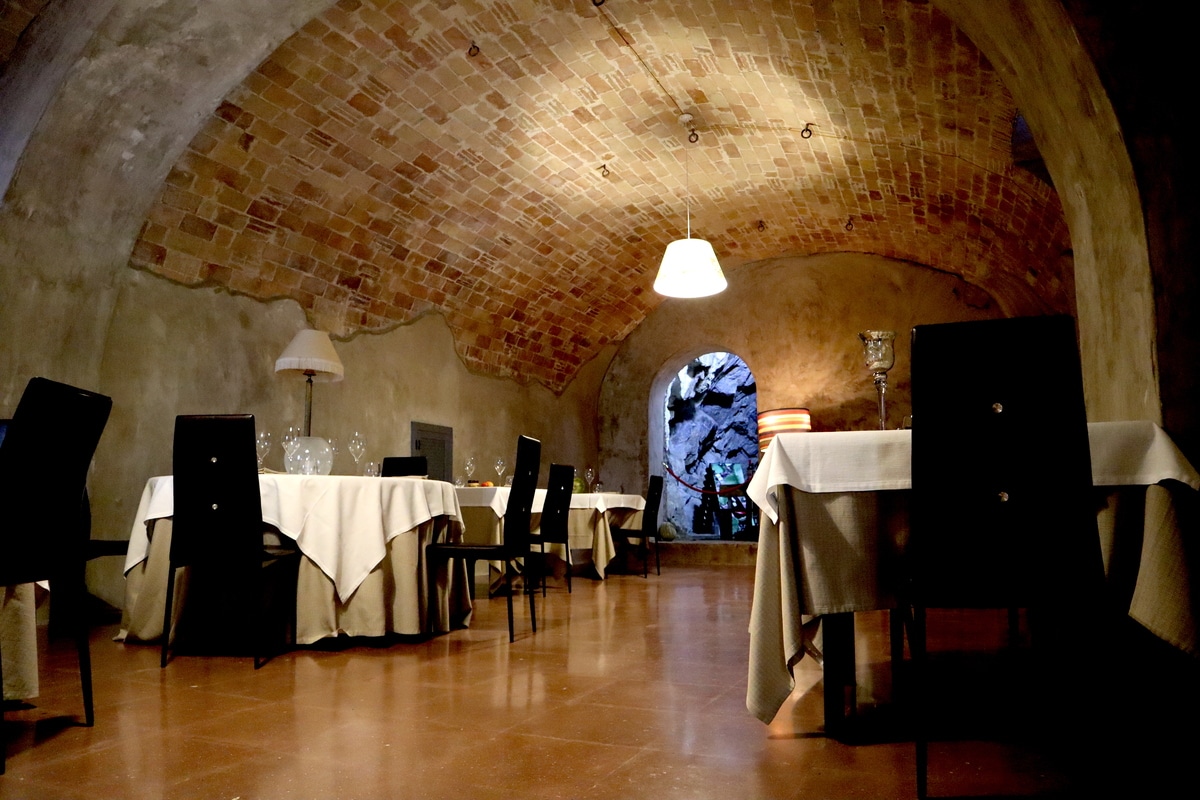
For those looking for where to eat in Bassiano, here are restaurants, trattorias, taverns and places to taste the area and experience the village through local cuisine.
Events in Bassiano
Upcoming events, festivals and initiatives.
Continue the journey
Bassiano is only one of the treasures of the area. Use the interactive map to discover what to visit nearby, how far the other villages are and which experiences you can enjoy along the route.
Explore the area