 San Martino di Castrozza
 White Night in Città Sant'Angelo
 Tandem paragliding flights in Tirolo and Merano: the thrill of flying over the Alps
 Cultural sites in the Piana Rotaliana Königsberg: a journey through the history, art and traditions of Trentino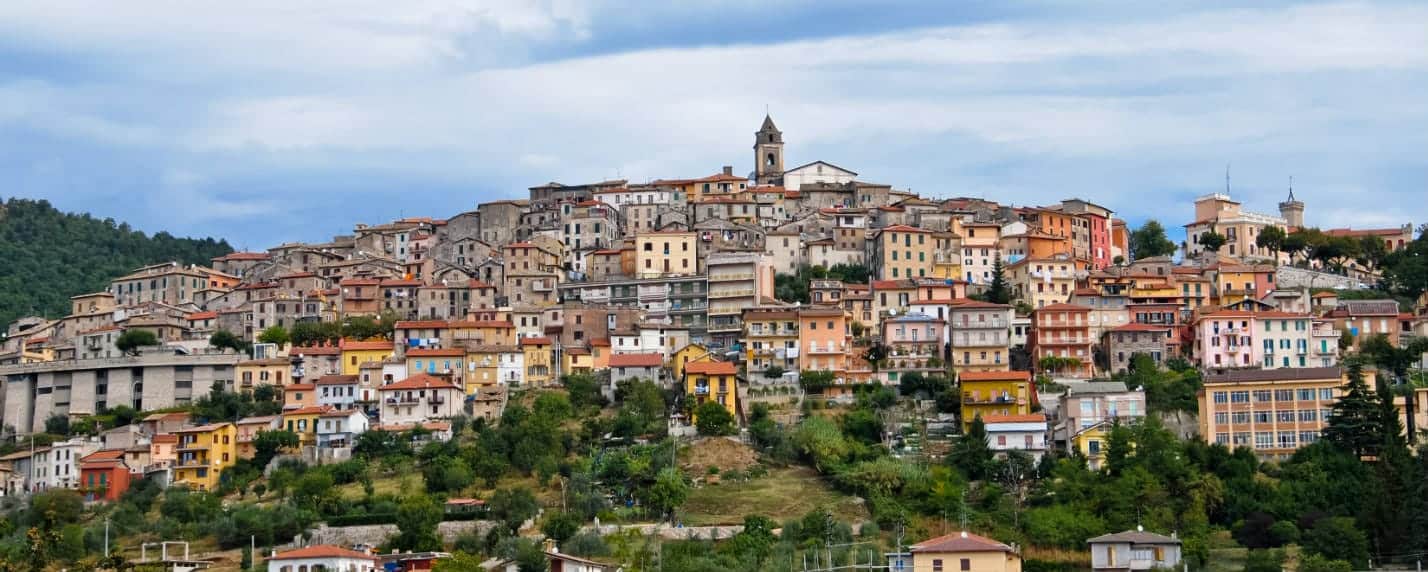
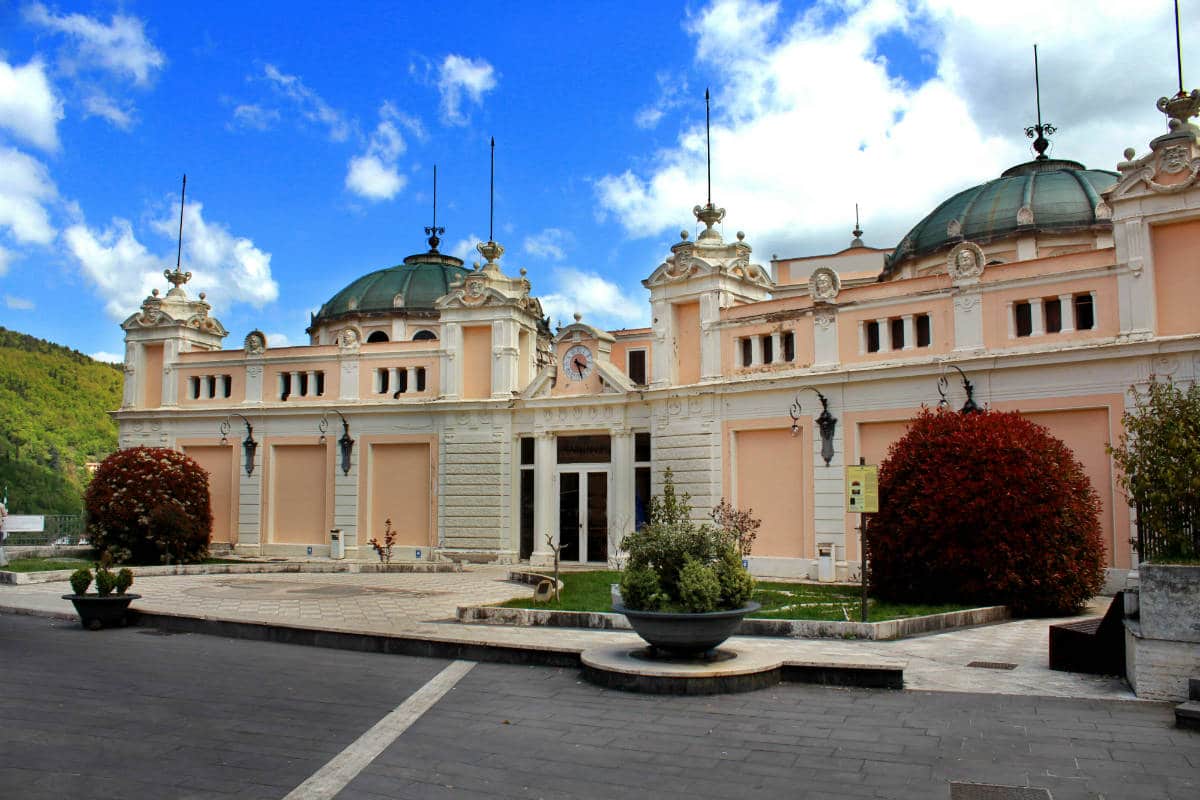
The village of Fiuggi is known for its Acqua di Fiuggi that flows from its natural sources in the mountains, classified as low-mineral water. The town is divided into two: the typical medieval hill town and a spa town dating back to the 20th century called Fiuggi Terme.
Photo gallery
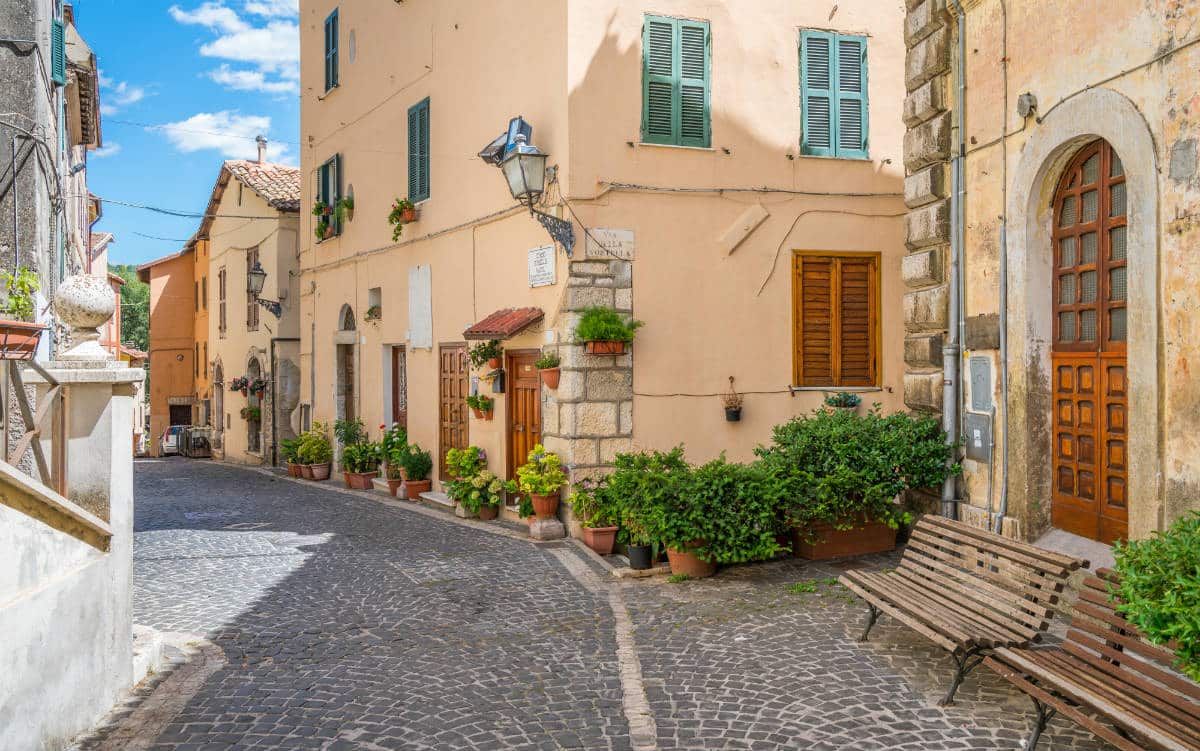
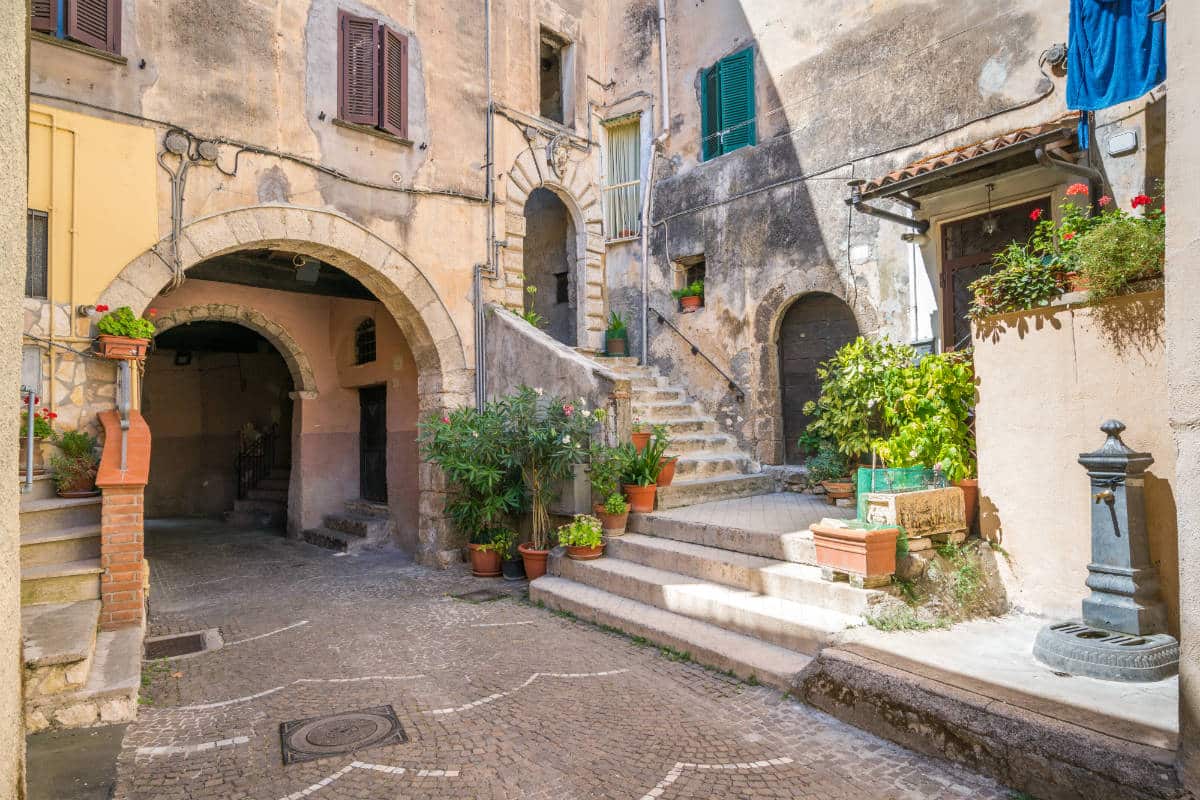
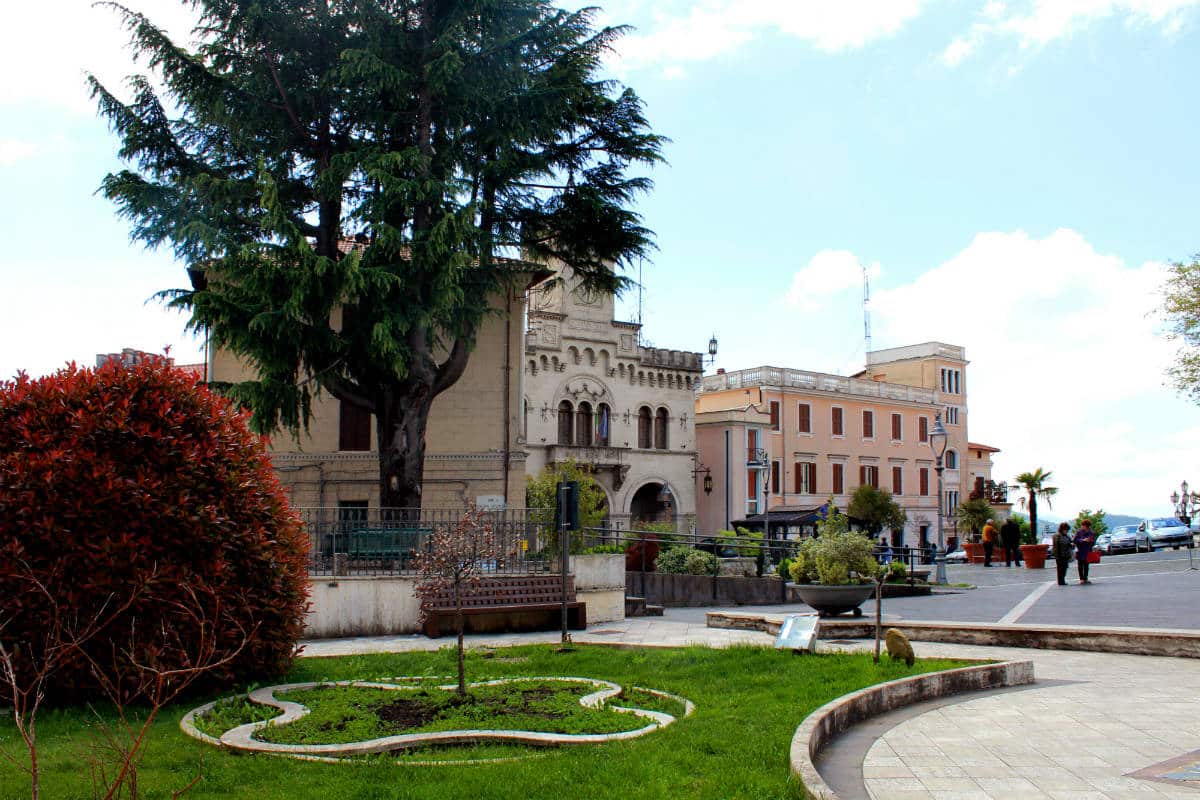
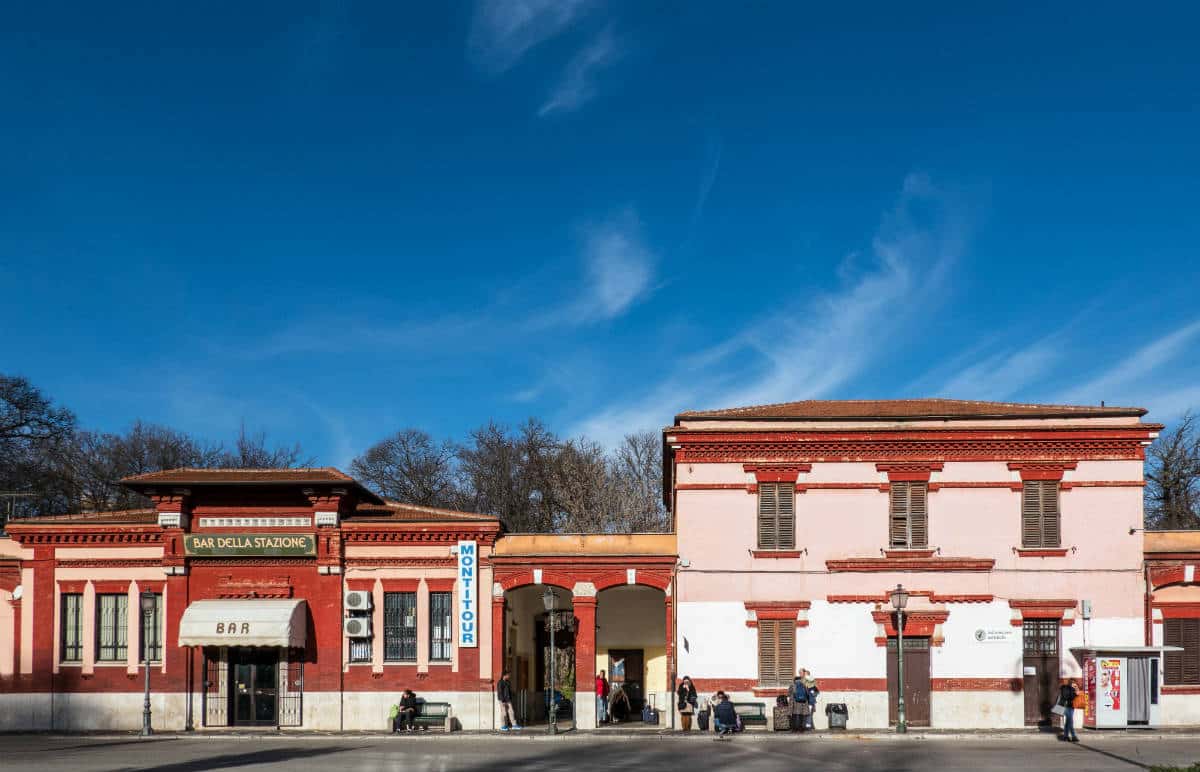
Fiuggi, called Anticoli di Campagna (from ante colles: “in front of the hills”) until 1911, is located in the renowned thermal center of Ciociaria.
The town is composed of two different inhabited centers: Fiuggi City which is the nucleus of the oldest settlement and the most modern Fiuggi Fonte, inserted in the thermal area.
The thermal waters of Fiuggi are historically famous and the merit goes to their particular composition, whose substances guarantee purifying and diuretic effects. In fact they are recommended for those suffering from kidney stones.
It is equally true that among other diseases that can be soothed with the waters of Fiuggi there are intestinal inflammation and gout. In 1911 the village took the name of Fiuggi, a toponym coming from the locality where the mineral springs flow, as the population settled around the springs of the famous healing water. Its origins are certainly medieval, since the historical center preserves the physiognomy of ancient times unchanged.
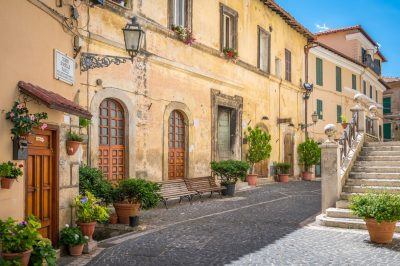
Fiuggi is made up of two areas, the upper part where the castle was once occupied by the main church of San Pietro, and by noble palaces. Overall, the historic center is particularly striking and here there are intertwined streets, series of squares (typical are those of Mastro Giorgio and Piave), small houses decorated only with stone thus showing mullioned windows of the thirteenth and fourteenth century and some Renaissancewindows .
Palazzo Falconi is also interesting, with 18th-century interiors of a certain value for decoration and furnishing, while outside the historic center are Piazza Trento and Trieste, which overlooks the Palazzo Comunale, a building built in the 1920s. Among the religious buildings, the Church of San Biagio, dedicated to the patron saint of Fiuggi, is the best known.
Today Fiuggi is a well-equipped center for relaxation and sport with golf and tennis courts, swimming pools, horse riding, archery, mountain bike trails and minigolf. Shopping, art galleries and auctions, enliven the streets of the city in the evening.
Municipality of Fiuggi
Province of Frosinone
Altitude center: 747 m s.l.m.
Piazza Trento e Trieste – tel. 0775546111
BY CAR
- From the north or south, take the A1 highway and exit at Anagni-Fiuggi Terme. Take the Anticolana expressway to Fiuggi.
ON THE TRAIN
- Railway station – Roma Termini
BY PLANE
- Airport of Rome – Fiumicino
- Roma Termini Airport
- Airport of Rome – Ciampino
Where to stay in Fiuggi
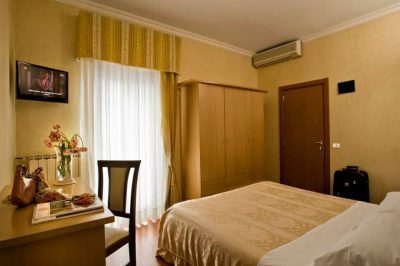
If you are looking for where to stay in Fiuggi, you can choose from hotels, B&Bs, farm stays and holiday homes in the village and nearby, for a slower stay among landscapes, culture and authentic hospitality.
News and stories about “Fiuggi”
Insights and stories from the area, to keep discovering.
Continue the journey
Fiuggi is only one of the treasures of the area. Use the interactive map to discover what to visit nearby, how far the other villages are and which experiences you can enjoy along the route.
Explore the area