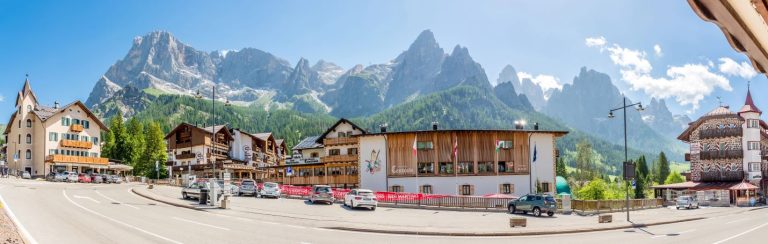
 San Martino di Castrozza
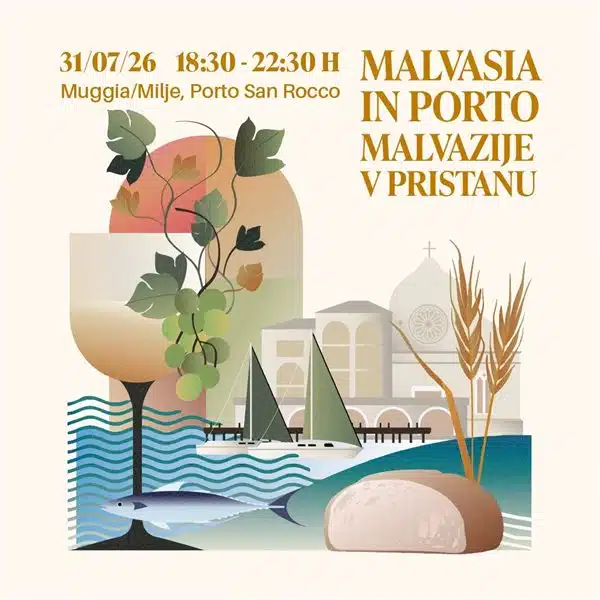 Malvasia in Porto 2026
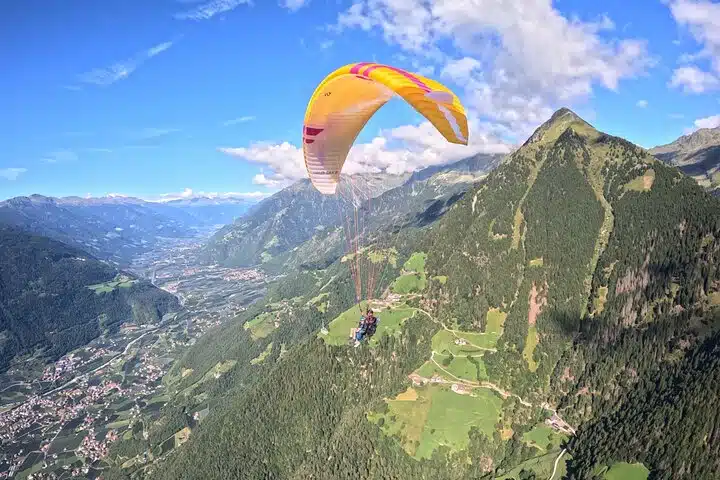 Tandem paragliding flights in Tirolo and Merano: the thrill of flying over the Alps
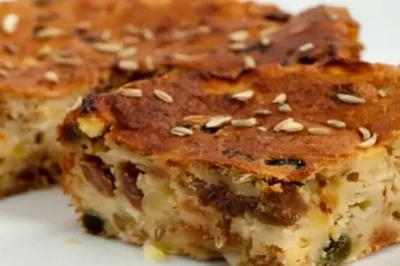
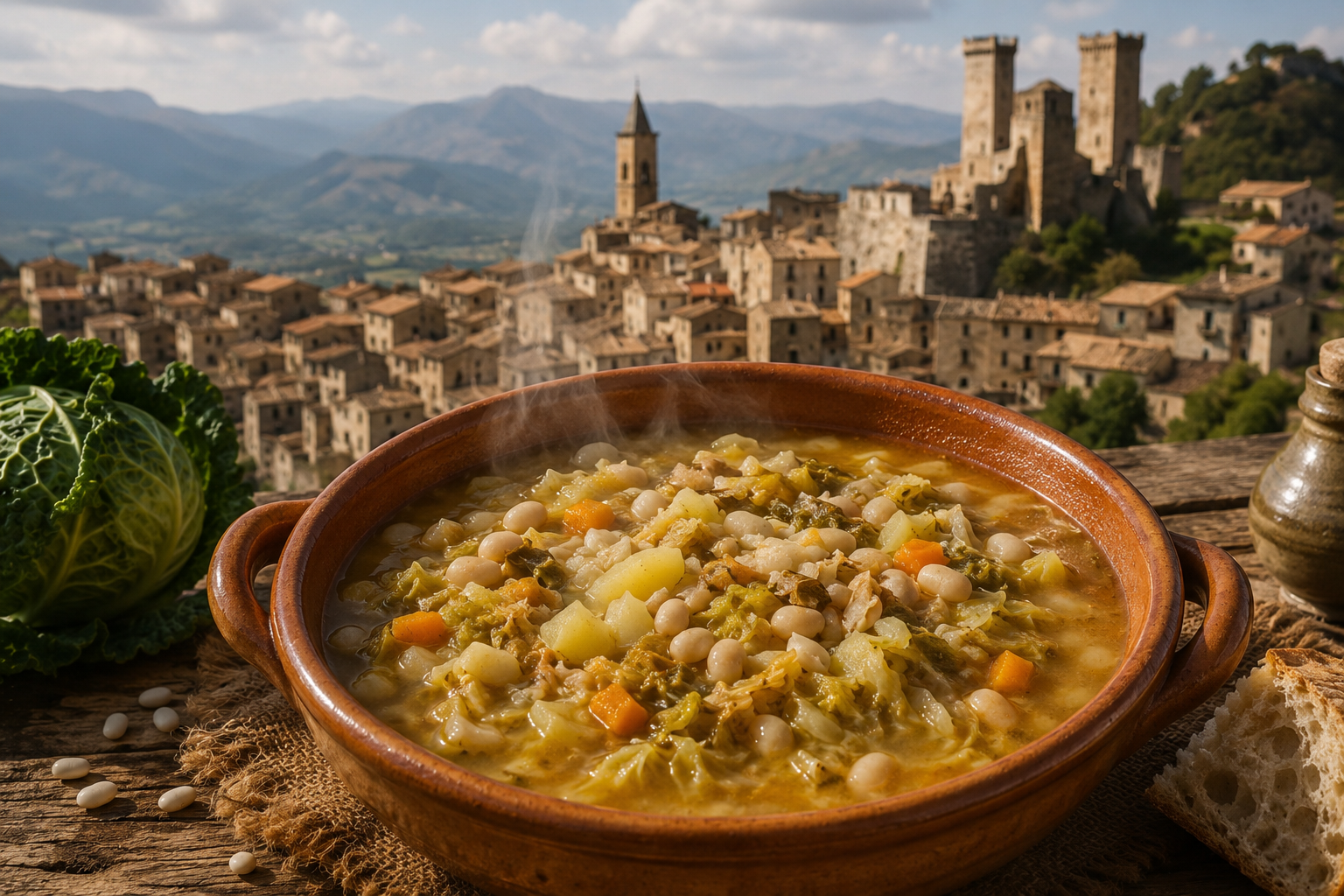 Recipe: Polta di Pacentro, the peasant dish that symbolises the traditions of Abruzzo
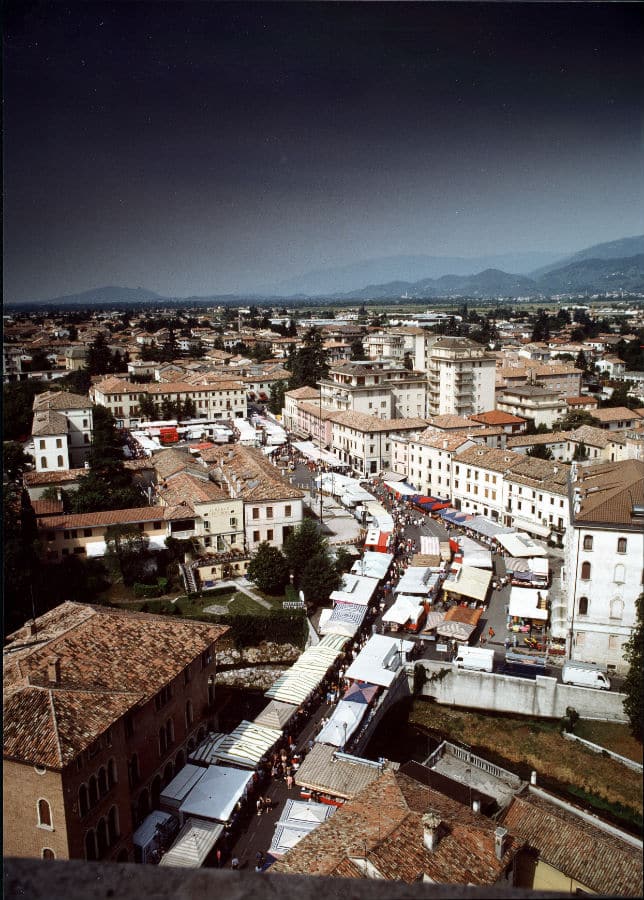
Because of its happy geographical location, Pieve di Soligo is called “the pearl of the Quartier del Piave.”The capital and the two hamlets of Solighetto and Barbisano, despite the devastation of the First World War, offer truly interesting landscape and architectural beauties. Its center is characterized by the presence of some interesting buildings: the seventeenth-century villa Chisini-Daniotti, the contemporary Palazzo Ciassi and Morona, with the baroque church of Madonna del Carmine, Palazzo Balbi Valier, from the nineteenth century and the adjacent Borgo Stolfi.
Photo gallery
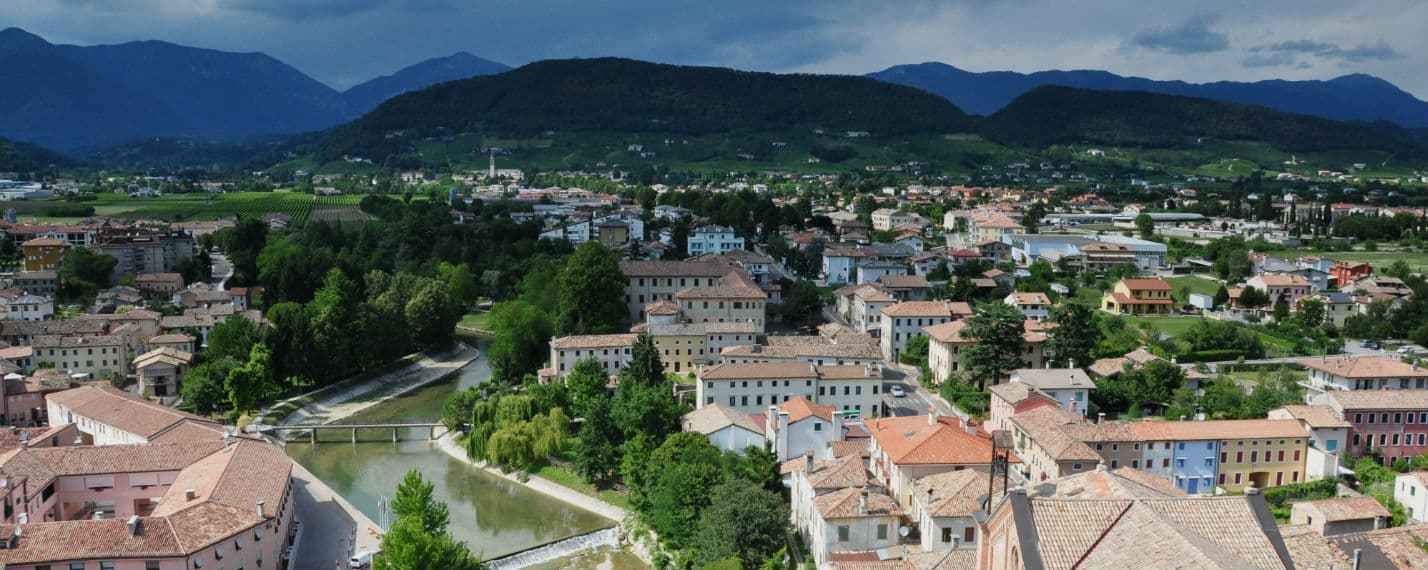
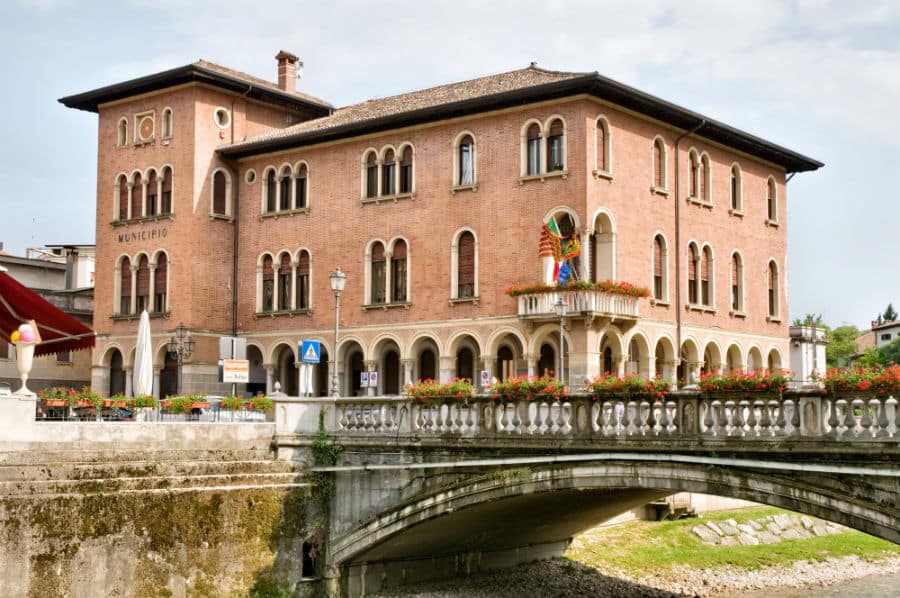
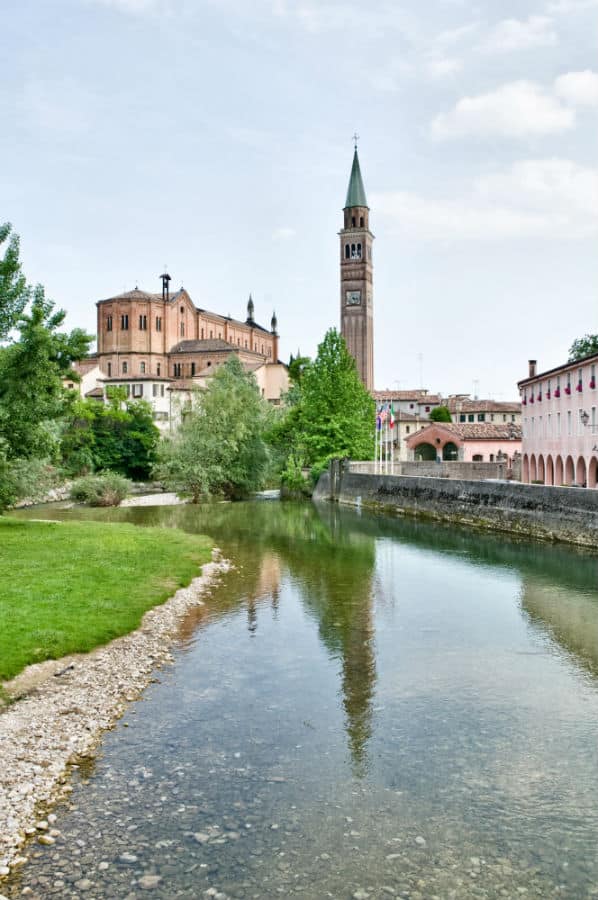
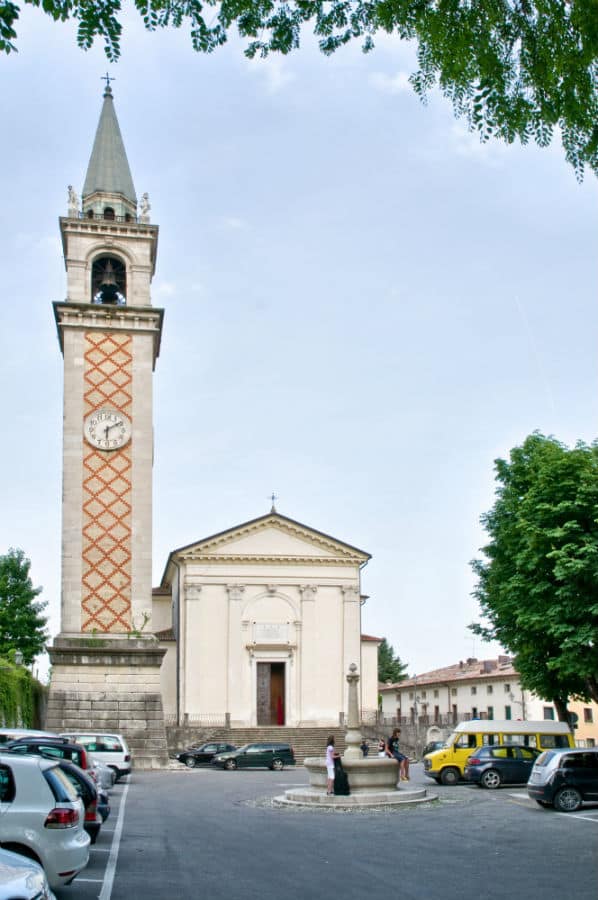
The name of the village derives from the ancient parish church that in the XIII century was divided into different territorial entities (from the Latin plebs), among which the parish church of Trevisan, on the right bank of the river Soligo, and that of the Contà, on the opposite bank. These jurisdictions were similar to the Longobards, from which the name of the neighboring Farra di Soligo comes, and they were the object of attention by religious and civil authorities, who intervened several times to settle the continuous diatribes, sometimes even in bloody events. , motivated by supposed jurisdiction rights that both boasted. This situation ceased, a first time, during the Napoleonic era, when the gen. Fiorella, in the name of Napoleon, elected Pieve di Soligo as a municipality and a judge of peace, in the Canton and District of Treviso. In 1797, following the Treaty of Campoformido, the Quartier del Piave passed, like the Venetian Republic, to Austria, remaining under this rule until the Third War of Independence.
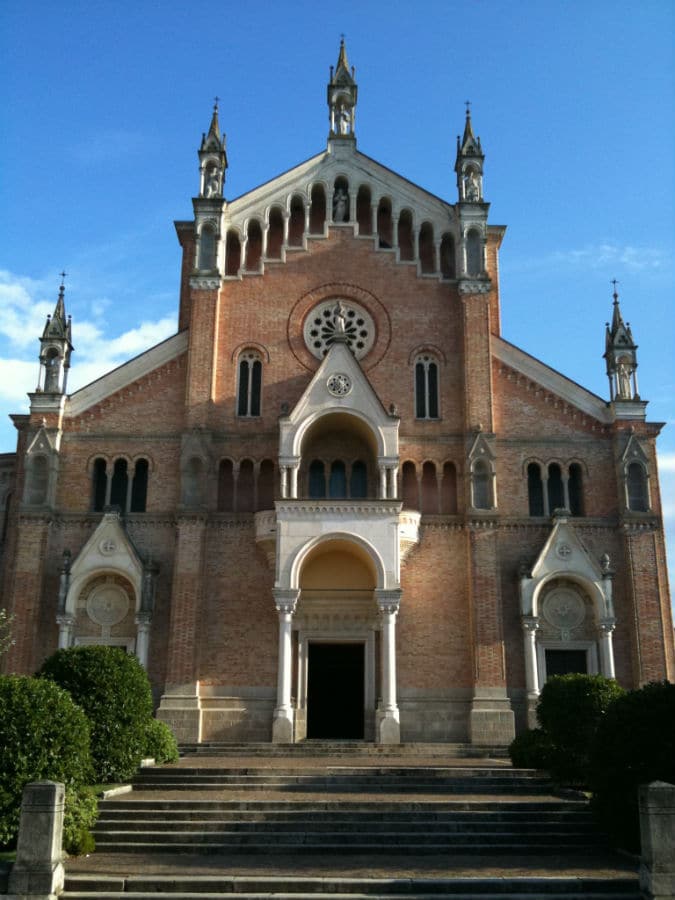
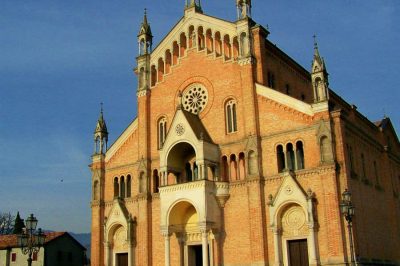
Pieve di Soligo is one of the oldest rural agglomerations of the Quartier del Piave. Archaeological finds indicate a probable settlement already in Roman times. The historic center offers numerous architectural highlights worthy of interest, such as the seventeenth-century Villa Chisini-Daniotti, the coeval Palazzo Ciassi and Morona with the baroque church of the Madonna del Carmine, the nineteenth-century Balbi Valier palace and the adjacent Borgo Stolfi. Reaching Piazza Vittorio Emanuele II you can see the nineteenth-century Loggia dei Grani, while the main square overlook the “Battistella-Moccia” municipal library, the attached Municipal Auditorium “Battistella-Moccia” and the restored building of the Hotel Stella d’Oro. The imposing cathedral dedicated to Santa Maria Assunta, dates back to the early 1900s, and houses an altarpiece by Francesco da Milano (1540), a “crucifixion” by Giovanni Possamai, a “Virgin with the Child Jesus” by Marta Sammartini and the tomb of Giuseppe Toniolo. Near the cemetery, at the end of the Cal Santa, the path of the Via Crucis, stands the oratory of Calvario, a simple 16th century chapel with a beautiful crucifix and some stucco decorations.
Borgo Stolfi
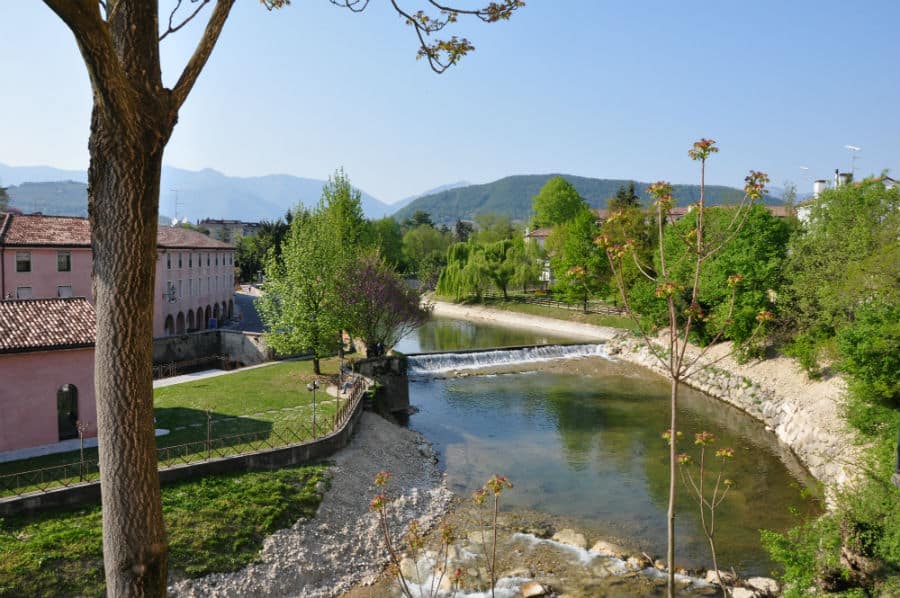
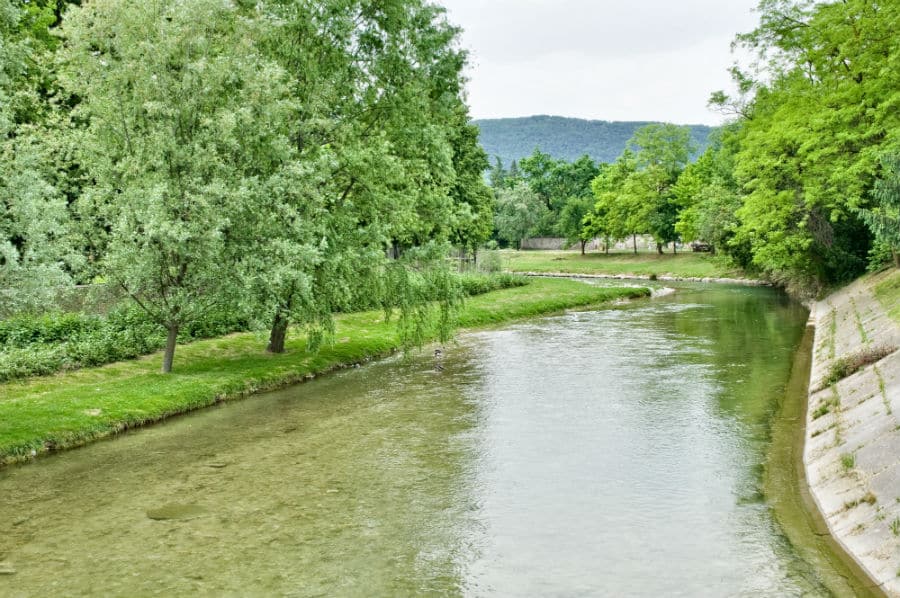
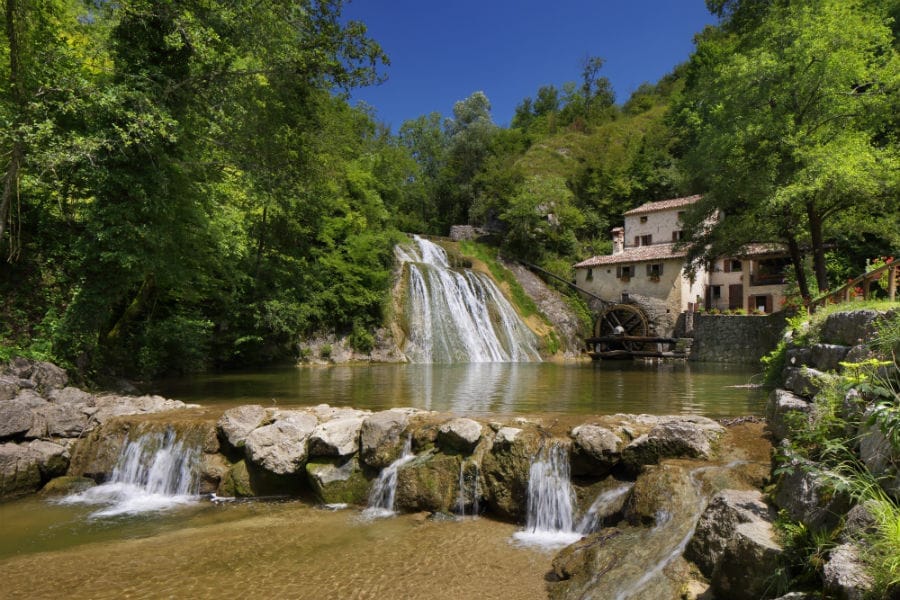
Located along the river Soligo, it is one of the historic villages of Pieve. It occupies the right bank of the river, near the parish church, where the Soligo makes a bend, near the bridge. The architectural structures that constitute it, are typical two or three-storey buildings adjacent to each other, according to the traditional style of the villages of eastern Veneto. Here is also the old irrigation canal wheel mill powered by the Soligo.
Cal Santa
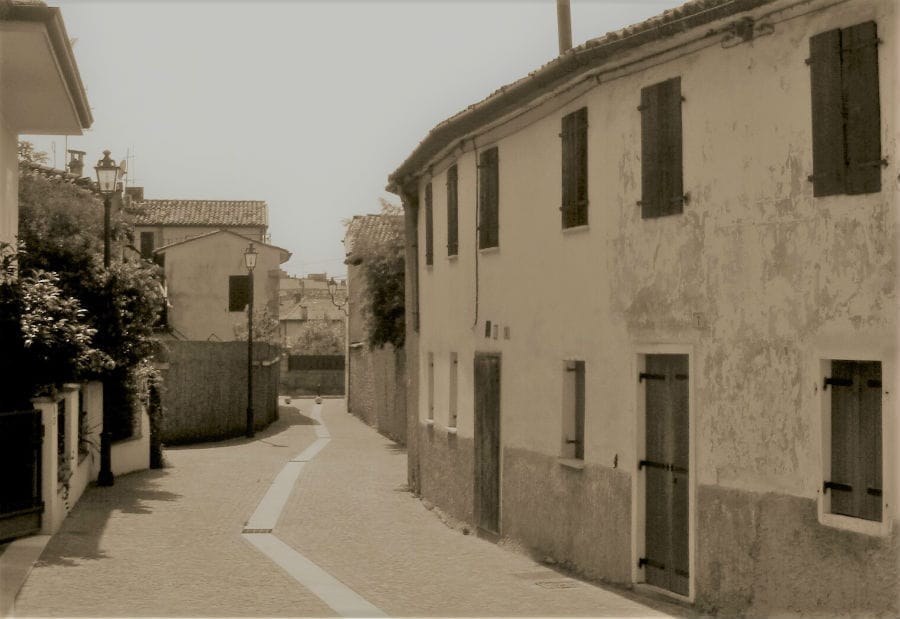
The Cal Santa is one of the oldest streets of the old town: it begins just east of the parish church, where there is an old village, and continues to the cemetery area, marked by a Via Crucis. This street is a topical place in the poetic corpus of Andrea Zanzotto, born in Pieve in 1921, which often transfigures it through the name of Contrada Zauberkraft, going to idealize and reconstruct its “anthropological substratum”.
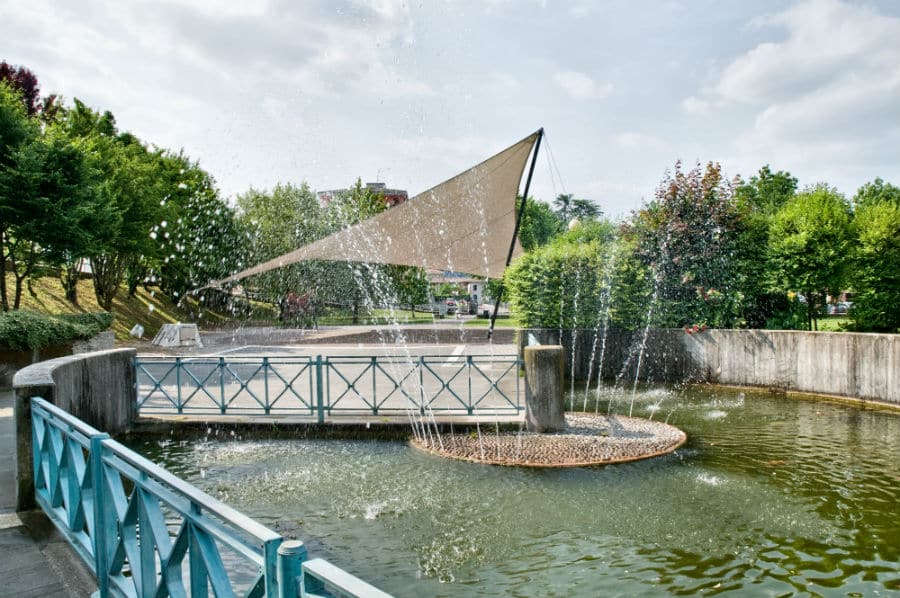
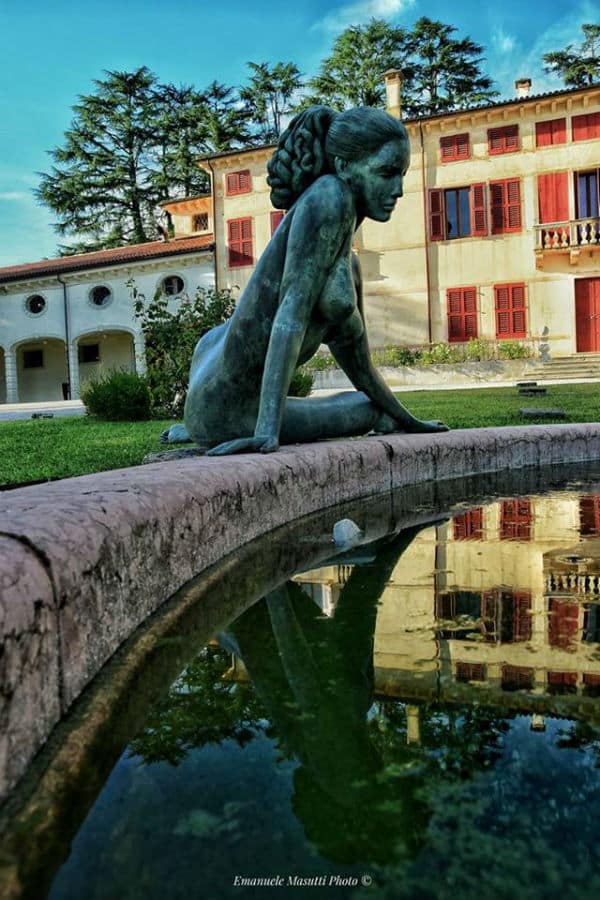
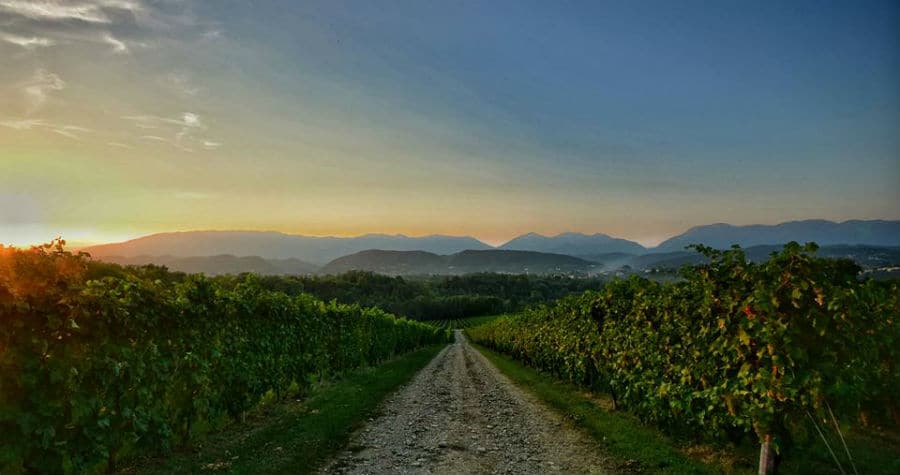
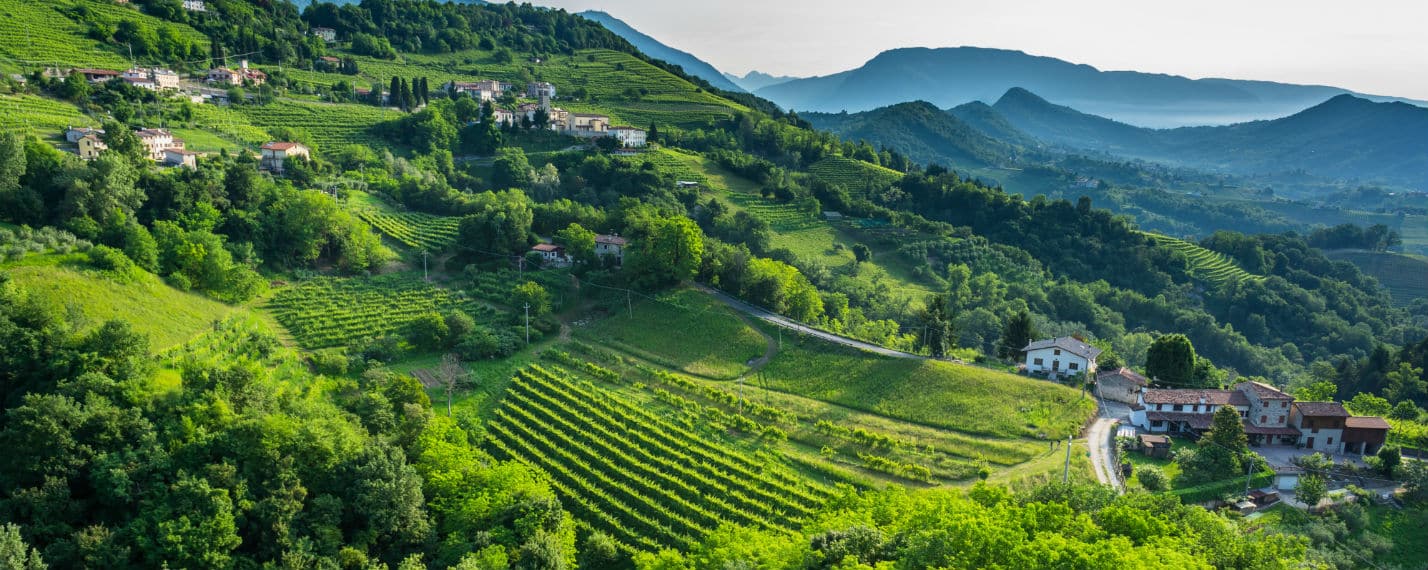
The hills of Solighetto offer, in all seasons, extraordinary opportunities for contact with nature and observation points on the plains and the hilly rope that precedes the Treviso Pre-Alps from Vittorio Veneto to Vidor, from Follina to Cison. The square of Solighetto is a small jewel of simple composure closed on its sides by the nineteenth-century parish church dedicated to the Immaculate Conception and the former Villa Brandolini, in the middle of the square a fountain. The church erected on the occasion of the proclamation of the dogma of the Immaculate Conception is an example of unusual executive coherence for the churches of the territory. An elegant bas-relief in white marble depicts the death of Count Gerolamo Francesco Brandolini Rota and on the ceiling stands the fresco by Giovanni De Min.
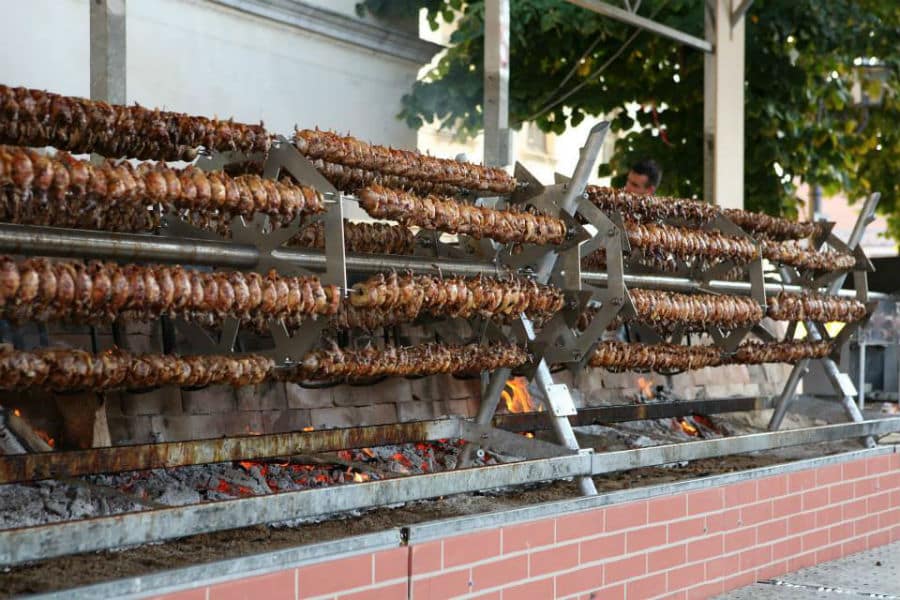
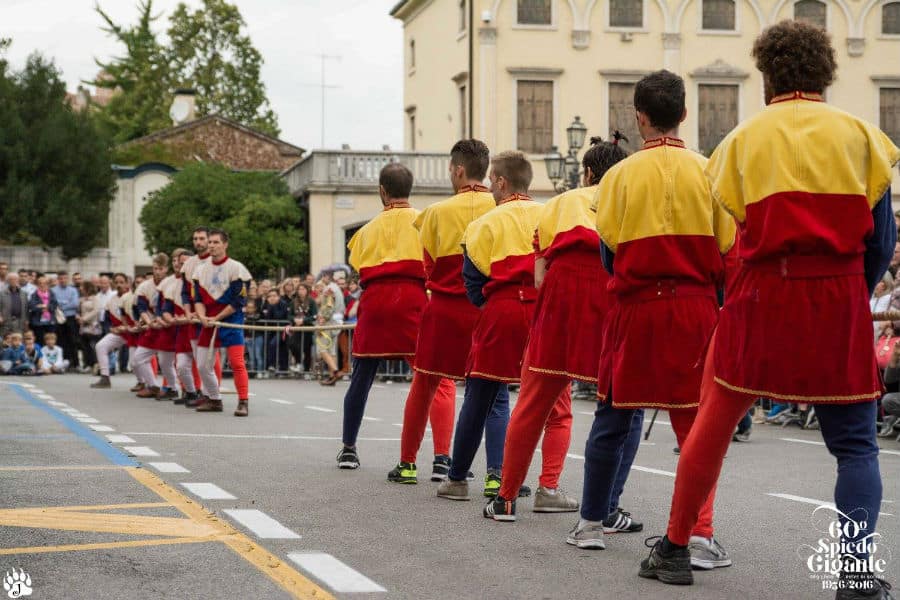
The river Soligo divides the village into two districts called Contà and Trevisan. There is a great rivalry between the two districts, so much so that on the occasion of the village feast called Lo Spiedo Gigante, among the various events, the Tug of War takes place, which was once held at the turn of the Soligo bridge.
Village of Pieve di Soligo
Municipality of Pieve di Soligo
Province of Treviso
Veneto Region
Population: 10.193 pievigini
Altitude centre: 132 m s.l.m.
the Municipality is part of:
Città del vino
Municipality
Via E. Majorana 186 – Tel. +39 0438 985311
BY CAR
- Along the highway, the closest exits to the center of Pieve di Soligo are:
– Vittorio Veneto Sud exit (A27 Venice Mestre-Belluno)
– Conegliano exit (A27 Venice Mestre-Belluno)
– Exit Godega di Sant’Urbano (A28 Portogruaro-Conegliano)
– Sacile Ovest exit (A28 Portogruaro-Conegliano)
ON THE TRAIN
- Conegliano station
- Cornuda station
BY PLANE
- Treviso airport
- Venice Marco Polo Airport
What to see in Pieve di Soligo
Discover what to see in Pieve di Soligo among monuments, scenic views, museums, churches and symbolic places of the village. A useful selection to plan your visit and explore the area.

News and stories about “Pieve di Soligo”
Insights and stories from the area, to keep discovering.
Continue the journey
Pieve di Soligo is only one of the treasures of the area. Use the interactive map to discover what to visit nearby, how far the other villages are and which experiences you can enjoy along the route.
Explore the area