 San Martino di Castrozza
 VIVA! Festival 2026
 Tandem paragliding flights in Tirolo and Merano: the thrill of flying over the Alps
 Recipe: Polta di Pacentro, the peasant dish that symbolises the traditions of Abruzzo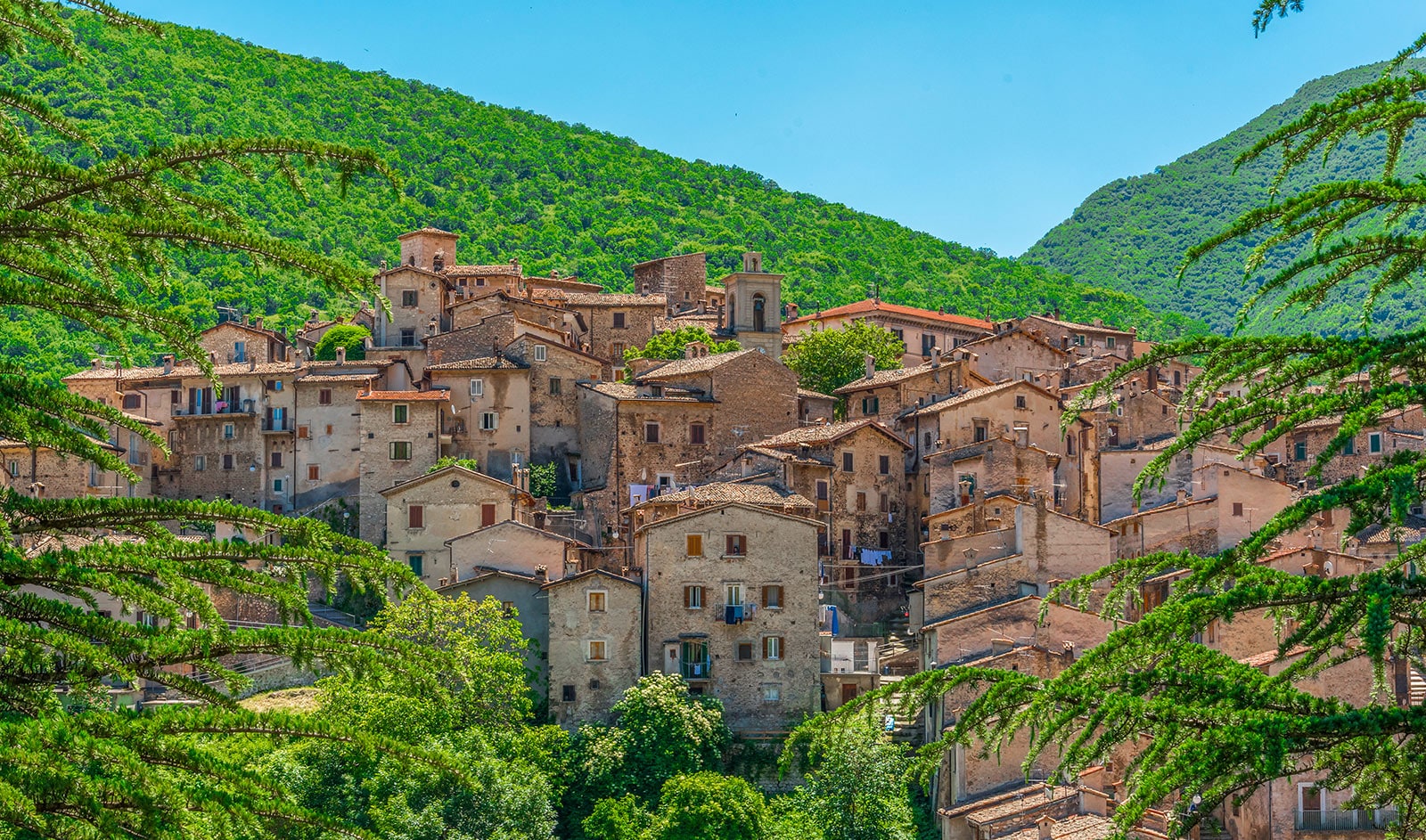
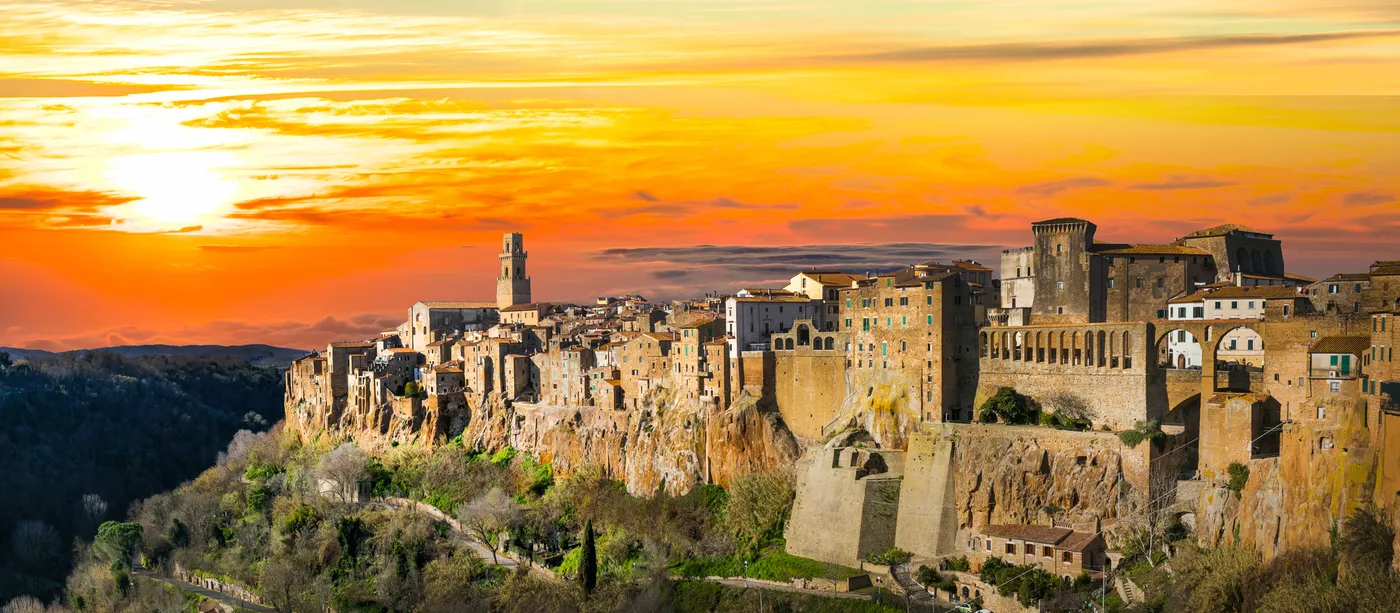
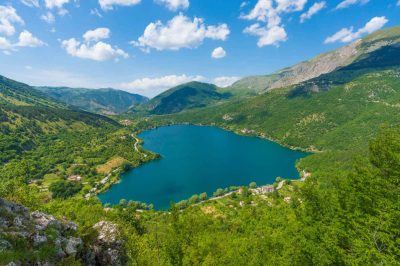
A well-known summer and winter resort in the Abruzzo mountains, Scanno is located in the upper valley of the Sagittario river, just outside the borders of the Abruzzo, Lazio and Molise National Park. His unmistakable views and his people were the subjects of many famous shots throughout the twentieth century.
Photo gallery
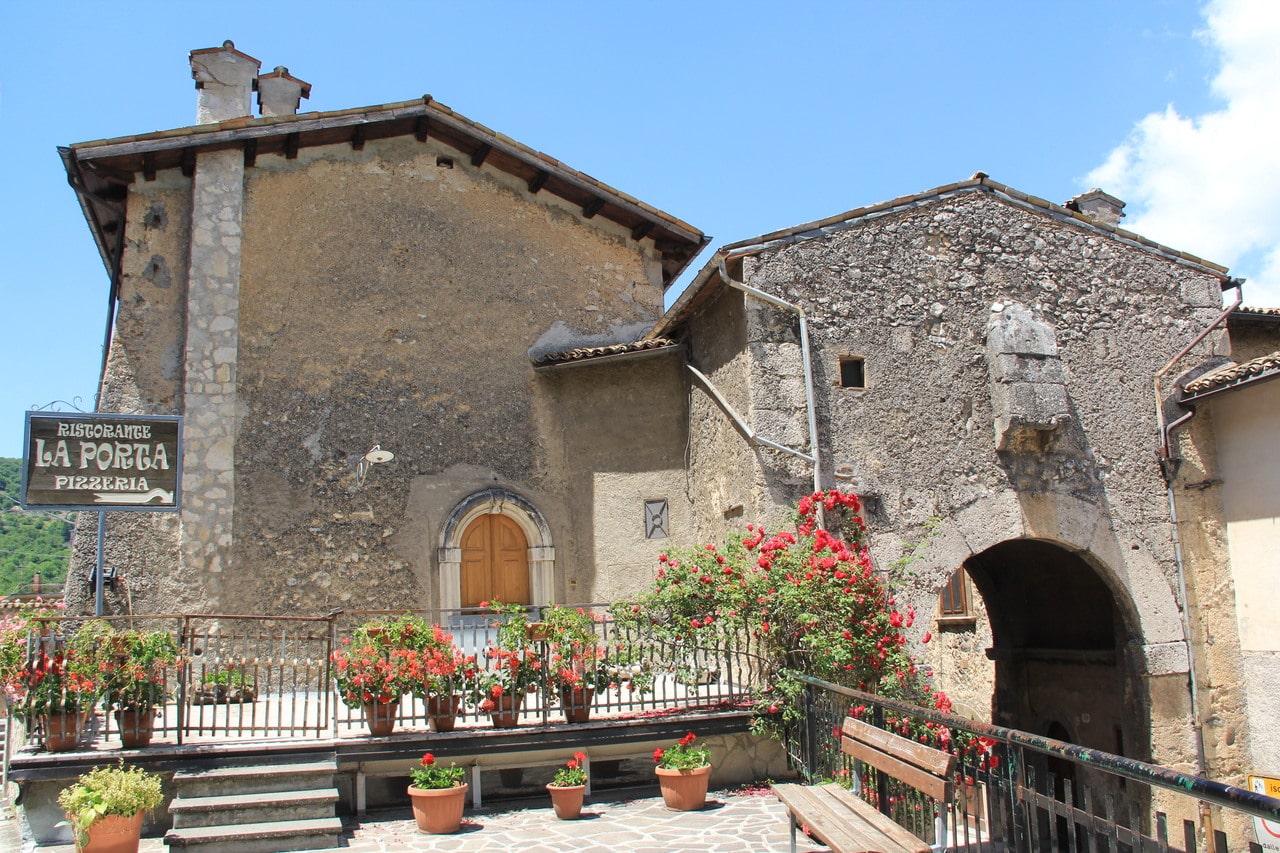
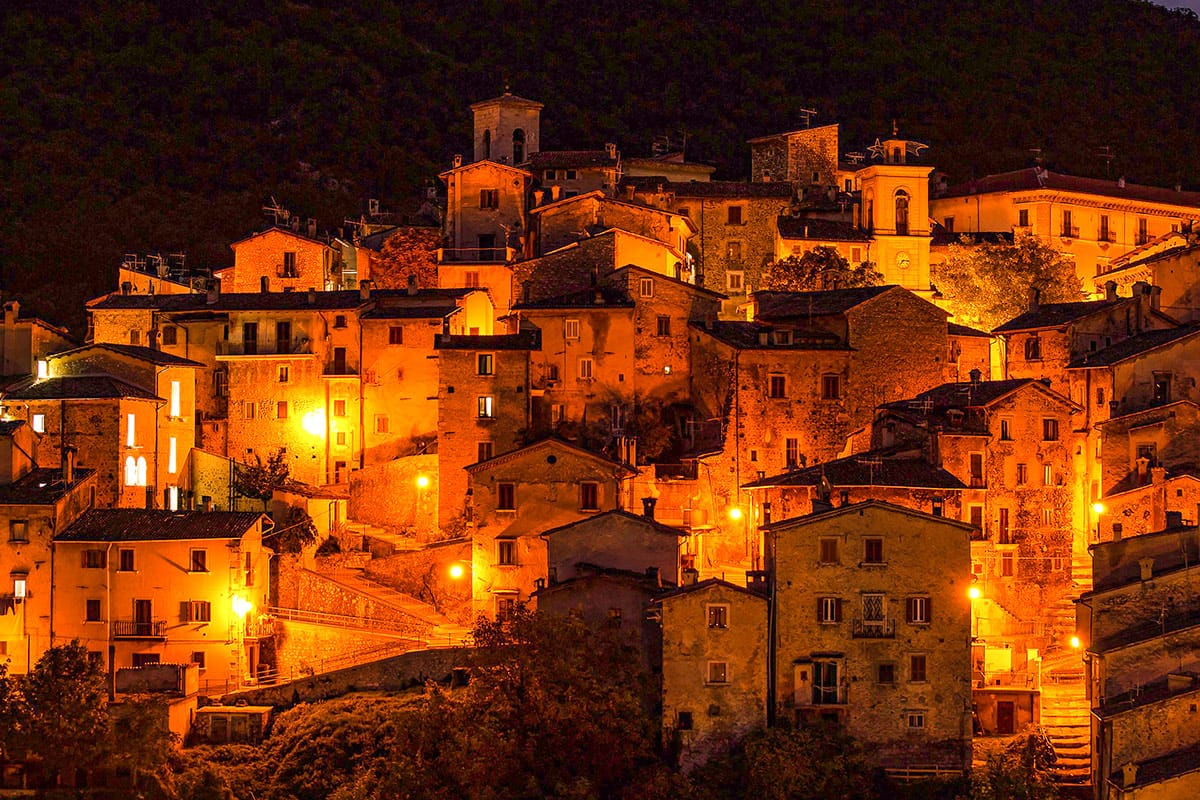
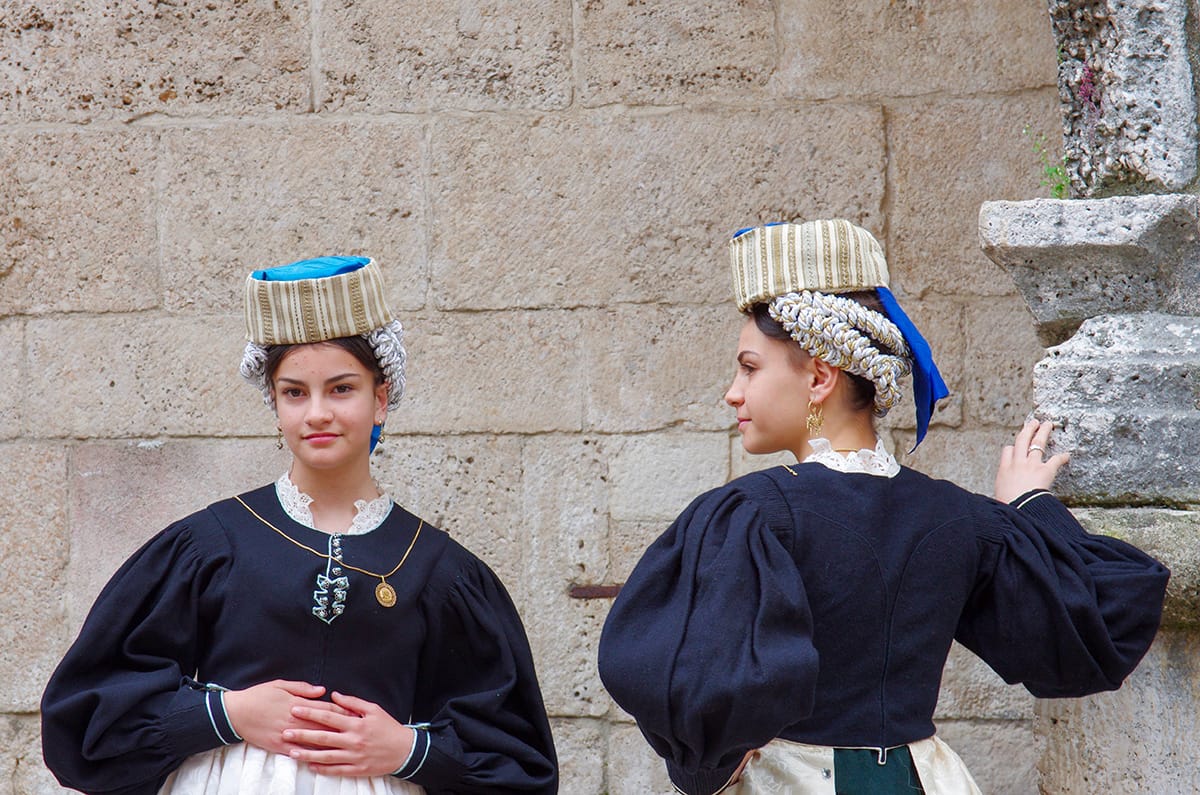
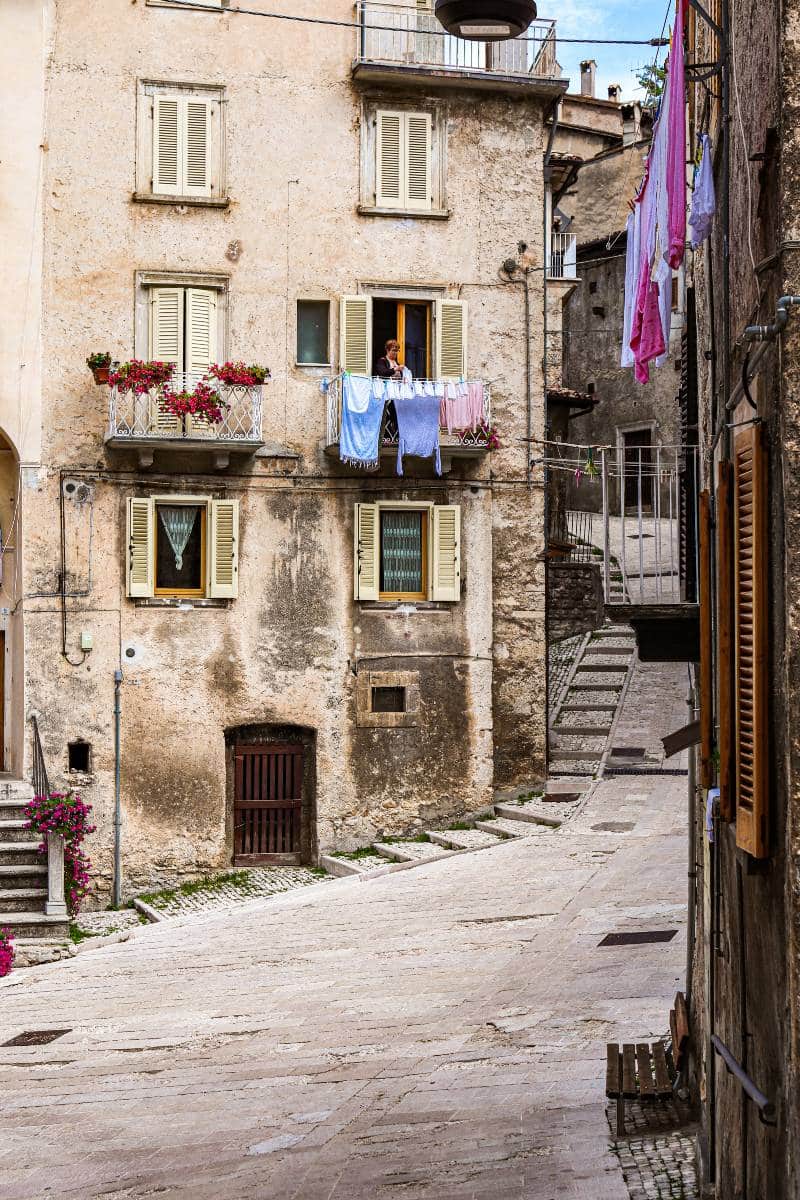
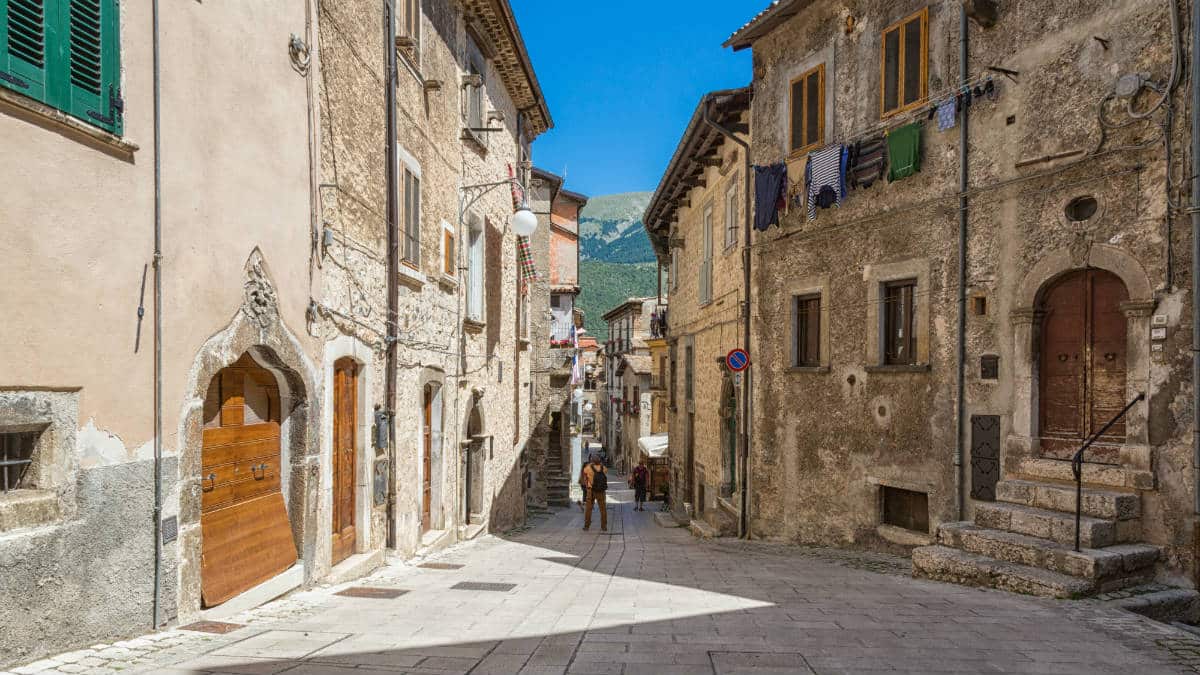
Scanno (Scannë in Abruzzo) is an important resort in winter and in the summer and is known as the village of photographers. Its unique views and its people have been throughout the twentieth century the subject of many famous shots made by Hilde Lotz-Bauer, Henri Cartier-Bresson, Mario Giacomelli, Renzo Tortelli, Gianni Berengo Gardin, Ferdinando Scianna, Mario Cresci and many others. In 1964 it was precisely a photograph taken in Scanno by Mario Giacomelli to become part of the prestigious collection of photographic works of the Museum of Modern Art in New York. This image is known as the child of Scanno, or Scanno Boy.
The origin of the name commonly goes back to the latin scamnum (stool), because the hill on which was built the historic center somiglierebbe to a small bench. As can be seen from a Roman tombstone kept in the Museum of the Wool Scanno is already inhabited during the Roman era, at the north end of the territory of the Samnites. During the barbaric invasions Scanno remains largely unscathed for the defensive structure of the mountains around the country, but during the invasions of the saracens first and then the ottoman instead never suffered the same fate. In this period the Scanno has of oriental influences for the female dress of the country. In fact the female headgear seems a turban, while the drapery of the garment are colored to eastern manner. During the Middle Ages follows the vicissitudes of the feudal peligno countryside.
Between the end of the nineteenth century and the beginning of the twentieth century it has the affirmation of goldsmith shops in the country, even if the first news of a local goldsmith is of 1718. In the historical center there are many goldsmith shops, so that the road, locally called the donut, is also known as the Via degli Orafi. In the second half of the XIX century it will develop in the country the fashion of presentosa with one or two hearts or two keys within a star. The jewel is the Neapolitan import, teatina or Molise and ultimately become a gift of love or to assume the meaning. Even today women turn to the village wearing the typical costume local, and the shops of the historic center are rich ornamental objects of this habit. Another peculiarity of the workshops of Scanno is that one of the working of the Tombolo, which dates back to the first half of the Nineteenth Century.
The earthquake of the Marsica 1915 completely destroyed the old fracture. The center who moved on its original site under the name of fracture new or simply fracture. During the second world war, Carlo Azeglio Ciampi (honorary citizen) took refuge in Scanno, hosted by a lady of the place. The earthquake dell’Aquila of 2009 causes slight damage to the Church of the Madonna delle Grazie and the Church of Sant’Antonio da Padova.
The current historical center of Scanno is formed from the combination of the various urban nuclei or vicus. The oldest of them is Betifulo, later renamed Sant’Angelo in the Christian era. Between the XII and XIII centuries the inhabitants moved from Sant’Angelo in locality Scamnum or Scagium Scampium or that corresponds to the current area of the church of Sant’Eustachio. The urban centers certainly does not fusero before 1447 because on that date we have news of some buildings still inhabited. The process of expansion and unification of the Contradas of Scanno It seems from the high area of the country today, i.e. the area called Terra Vecchia where you opened the three access ports.
Between the second half of the fifteenth century and throughout the sixteenth century the village was expanded to the south and to the west, while in the following two centuries Scanno underwent further expansion but also the saturation of building spaces are free within the walls: in fact up to the whole of the nineteenth century the expansion is concentrated within the walls, and only in 1909, when it was built the road Scanno-Villetta Barrea, were destroyed urban walls, the bell tower of the Church of San Rocco and some palaces; the remaining walls have been incorporated in more recent constructions that.
Characteristic is the itinerary in the historical center said the “donut” that from the church of Santa Maria della Valle arrives at Fontana Sarracco to then arrive at Piazza di San Rocco and return via Silla and Via De Angelis at the point of departure. The road system is a intricarsi of tracks, narrow streets and alleys that intersect a tight weave with the main streets; these streets were walking up to the beginning of the twentieth century before replacing the original mantle with floorings for carriageways. Recently some roads were recovered with marble slabs and sampietrini that have taken the place of pebbles from the river.
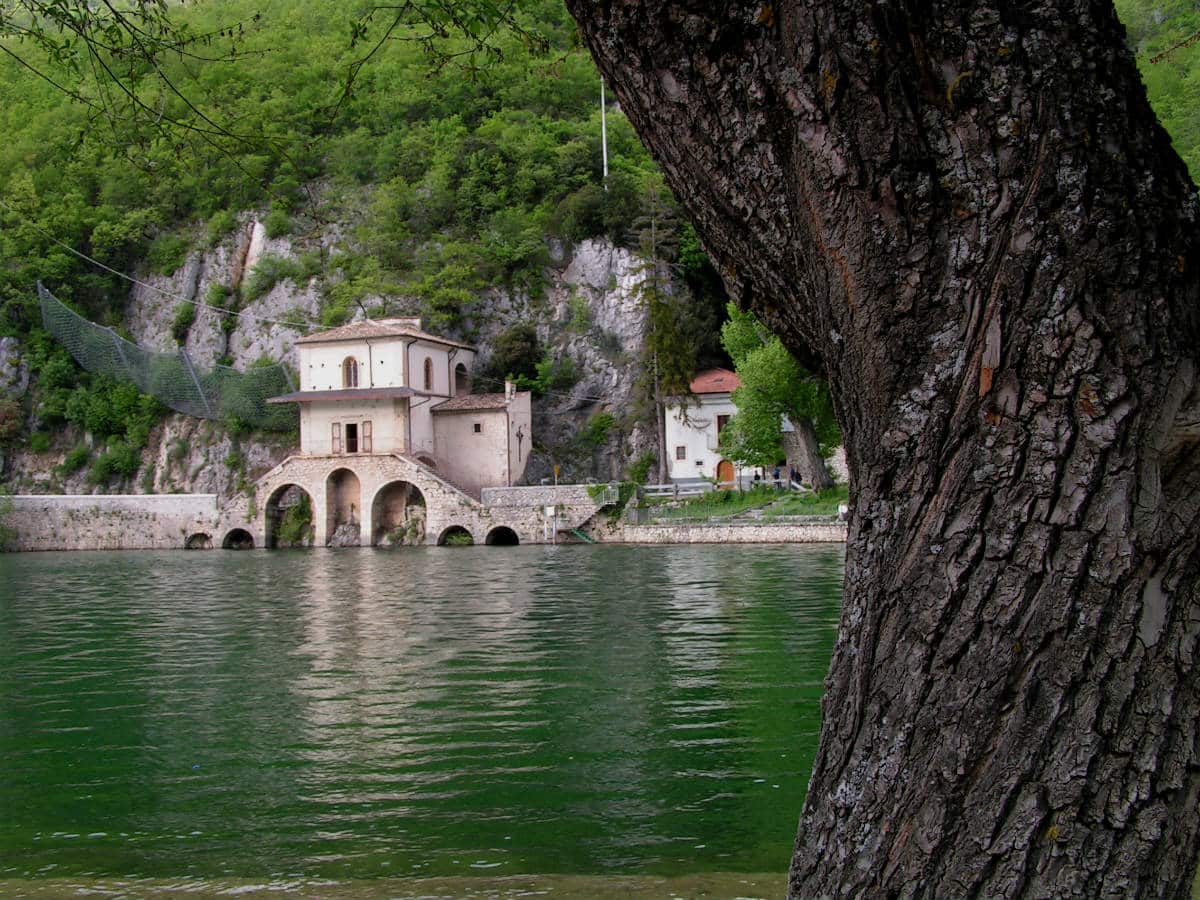
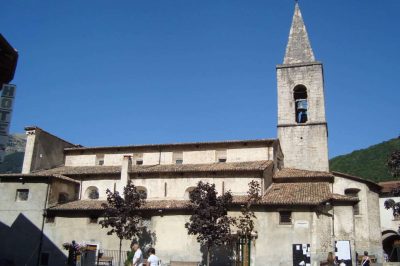
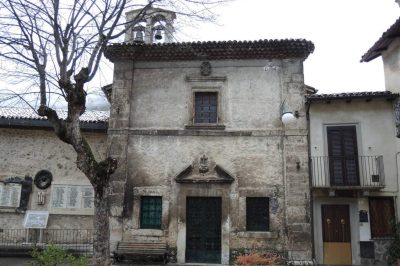
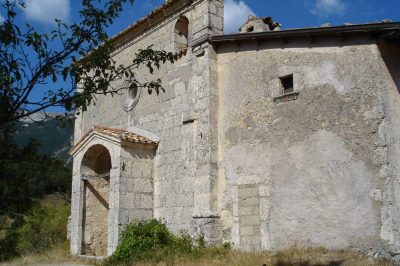
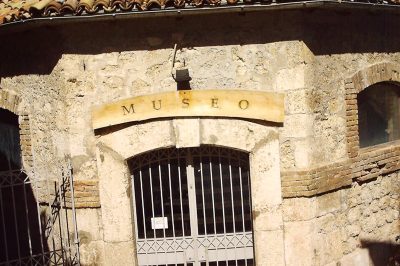
Certainly deserve a visit the church of Santa Maria della Valle, the church of Sant’Antonio da Padova, the Madonna of Constantinople and finally the Hermitage of Sant’Egidio. Of notable interest are the location of the fracture, the Fountain Sarracco, that of Pisciarello, the number palaces and the portals of the historic center and the cemmause, a scale type of access to the homes of Scanno external to the dwellings themselves terminating in a gallery or landing, with the steps (locally said the schèle) made of stone. An arc allows the Scalinata di sustain each other, finally the cemmausa is covered by a canopy supported by wooden beams on which rest the planks of wood (locally said scànzule) generally in beech and tiles (locally said pinci). Finally, it is worth a visit the Museum of wool, which houses an exhibition of tools and agricultural implements and the processing of wool. A similar Museum is a fracture with the name of the Museum of Arts and Popular Traditions, which collects more or less the same type of tools and is located at the central church of the fraction of Scanno.
Village of Scanno
Municipality of Scanno
Province of L’Aquila
Abruzzo Region
Population: 1.822 scannesi
Altitude centre: 1050 m s.l.m.
the Municipality is part of:
I Borghi più belli d’Italia
Acknowledgments
Orange Flag – Italian Touring Club
Blue Flag
Protected natural areas:
Abruzzo, Lazio and Molise National Park
Feudo Intramonti Natural Reserve
Municipality
Via Napoli – Tel. +39 0864 74545
BY CAR
- From the A25 motorway (Rome / Pescara) take the exit towards Cocullo. Continue on the SS 479 and cross Anversa degli Abruzzi, the Sagittario Gorges, Villalago, Lake Scanno and thus reach Scanno.
- From Naples: take the A2 highway (Rome – Naples) and take the Caianello exit. Continue on the SS 85 towards Venafro. Take the SS 17 to the Castel di Sangro crossroads and continue on the SS 479.
ON THE TRAIN
- Sulmona railway station:
– Rome – Pescara line
– Naples – Vairano C. – Isernia – Carpinone line
Scanno is a real gastronomic mine and its territory is rich in local productions, first among all that dairy products which derive from sheep milk coming from local pastures. Among these mention are the classic pecorino, ricotta from the peel black (maturing in the absence of light will produce an oxidized layer in a first moment white becomes the first gray, then black, which gives the product a particular taste), Gregorian, the whim of the sheep and the Sheep Caciotta, preserved in brine.
Among the various salami products locally are among the sausages, sometimes cooked grilled, salami flavored (truffle, garlic and wine), the Angels and Little Devils (sweet or spicy), salami stuffed with lard, the sausages of sheep track and the mule’s testicles.
The local cuisine boasts, among the first course dishes, Sagne with beans or with the ricotta, the maccheroni alla chitarra with lamb sauce or neutered, Cazzellitti with leaves (or with the fuoja), a sort of gnocchi made with flour and water, boiled with the water with which it is cooked the fuoja, a vegetable that grows in the surroundings of Scanno at an altitude of 2000 meters. Also worthy of mention are the Zuppettone, with lamb or kid, eggs and local pecorino, and White Polenta with beans, savoy cabbage, potatoes and onions garlic.
Finally among the sweets there are mostaccioli, made with mosto cotto , flour and almonds, covered with white frosting or chocolate, Pan dell’Orso, the Ferratelle, almonds land, tozzetti with almonds, the dough of Abruzzo and the Cerasella Scanno.
- Sunday after 13 June – Feast of Sant’Antonio. The Eve of Saturday is performed the procession of the beams and the Sunday the procession of loaves.
What to see in Scanno
Discover what to see in Scanno among monuments, scenic views, museums, churches and symbolic places of the village. A useful selection to plan your visit and explore the area.
Where to stay in Scanno
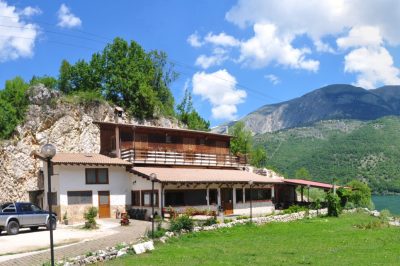
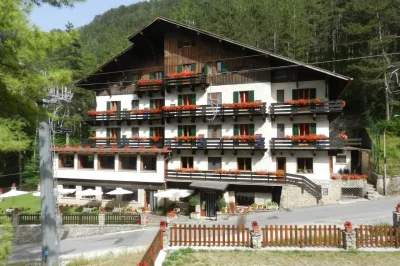
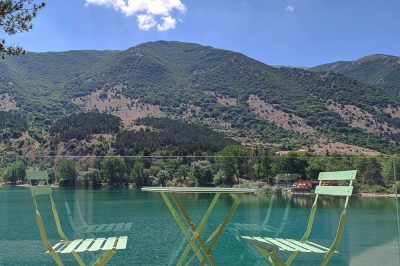
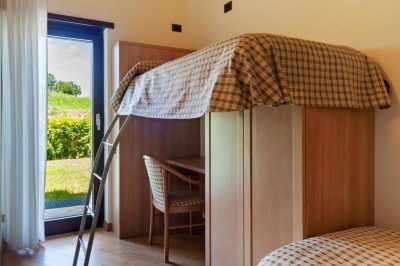
If you are looking for where to stay in Scanno, you can choose from hotels, B&Bs, farm stays and holiday homes in the village and nearby, for a slower stay among landscapes, culture and authentic hospitality.
News and stories about “Scanno”
Insights and stories from the area, to keep discovering.
Continue the journey
Scanno is only one of the treasures of the area. Use the interactive map to discover what to visit nearby, how far the other villages are and which experiences you can enjoy along the route.
Explore the area