 San Martino di Castrozza
 VIVA! Festival 2026
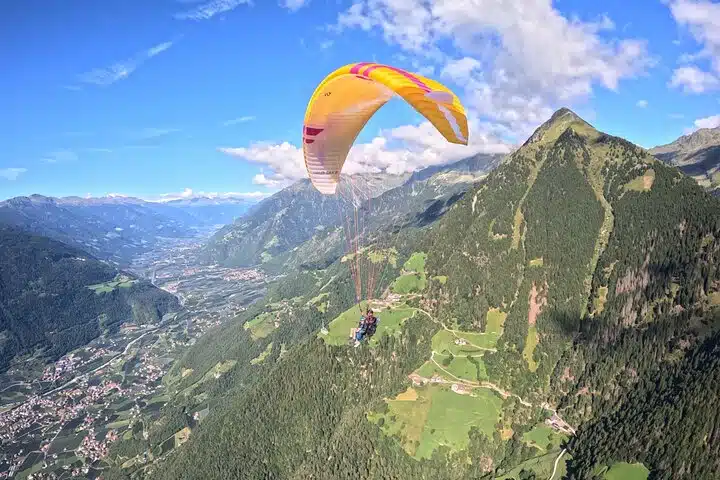 Tandem paragliding flights in Tirolo and Merano: the thrill of flying over the Alps
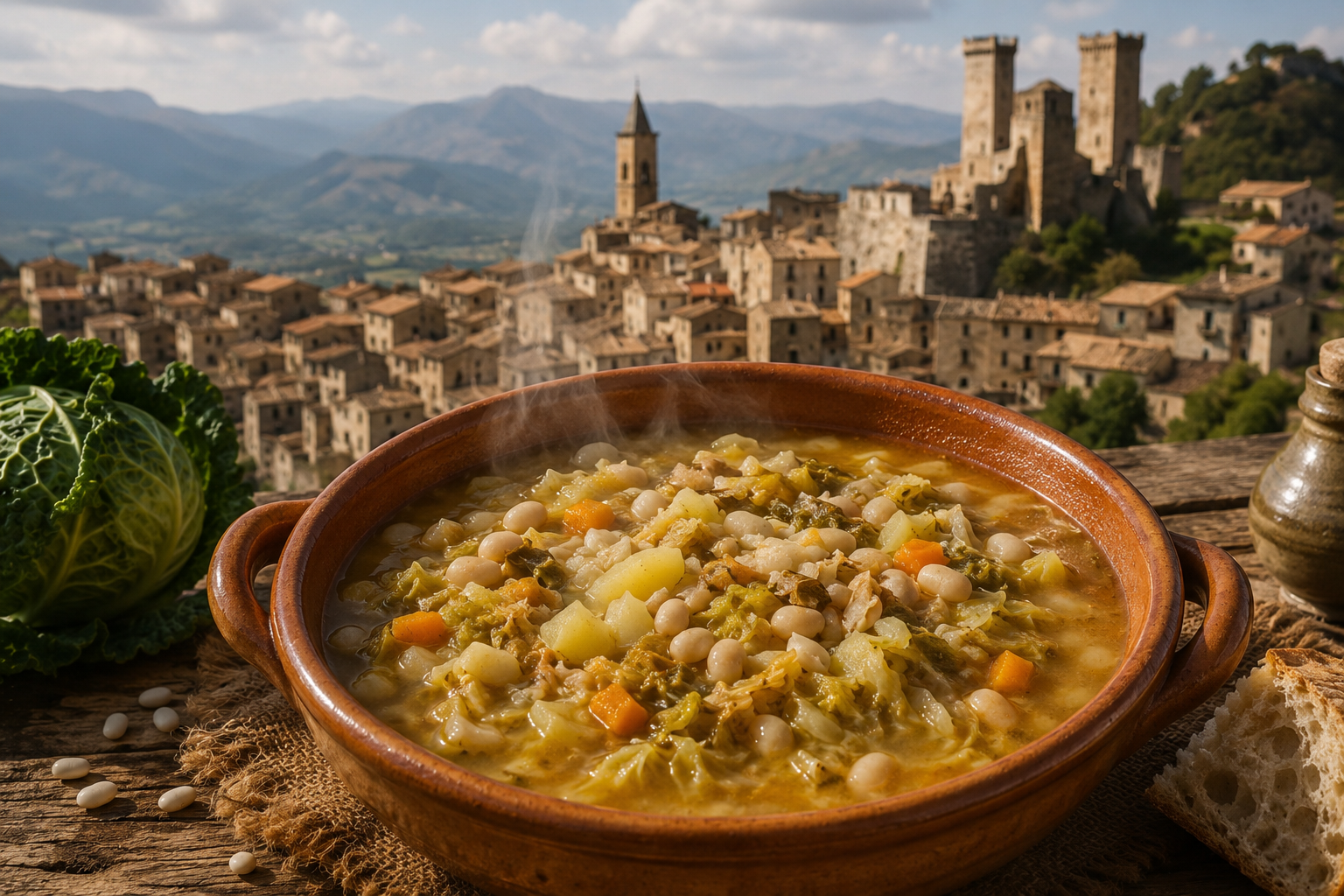 Recipe: Polta di Pacentro, the peasant dish that symbolises the traditions of Abruzzo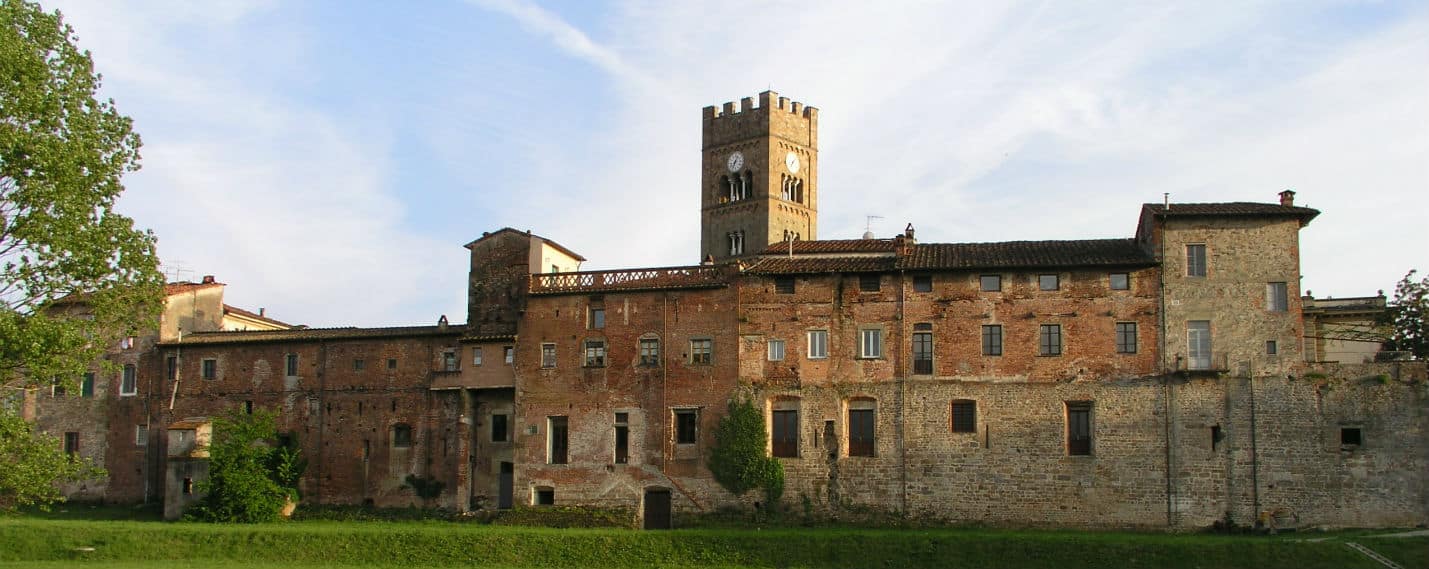
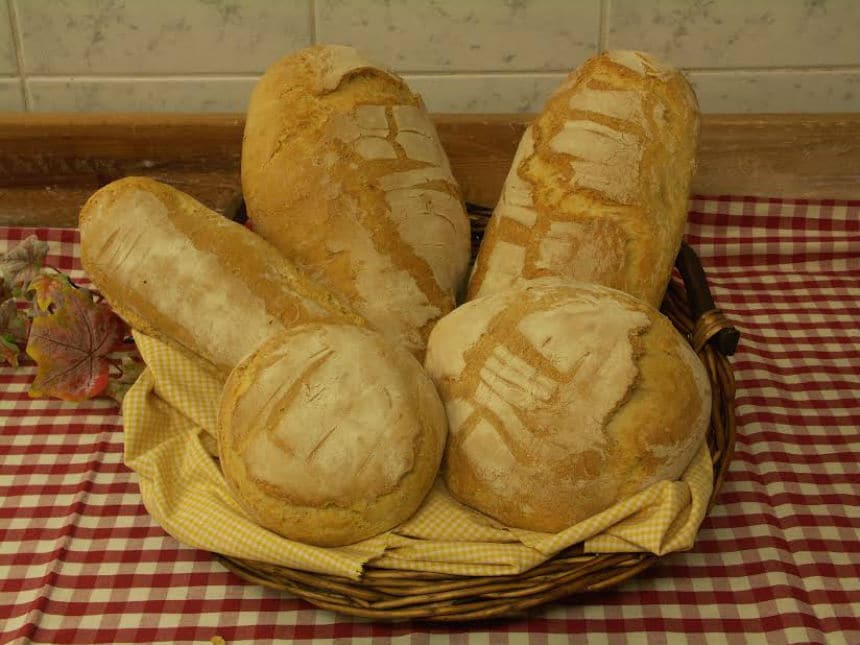
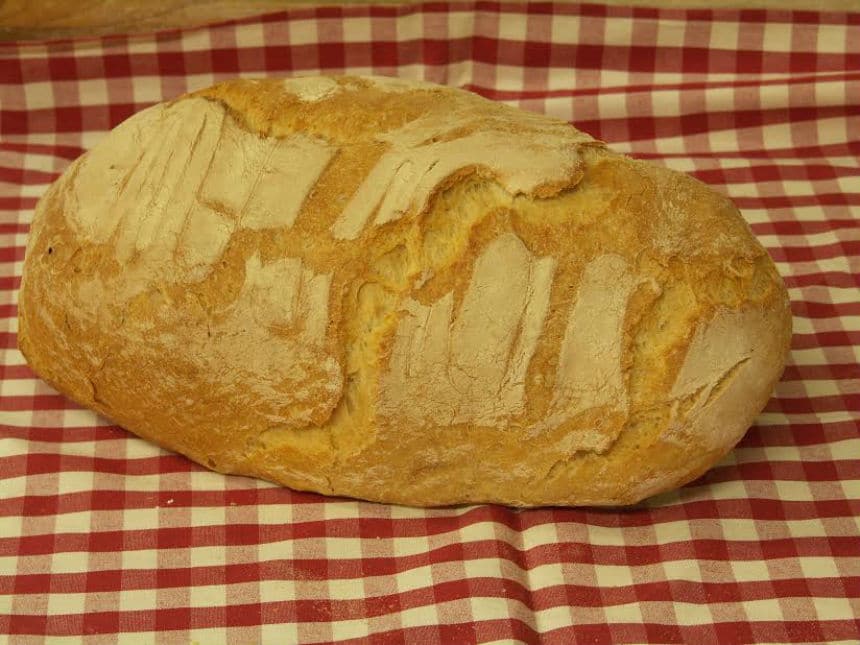
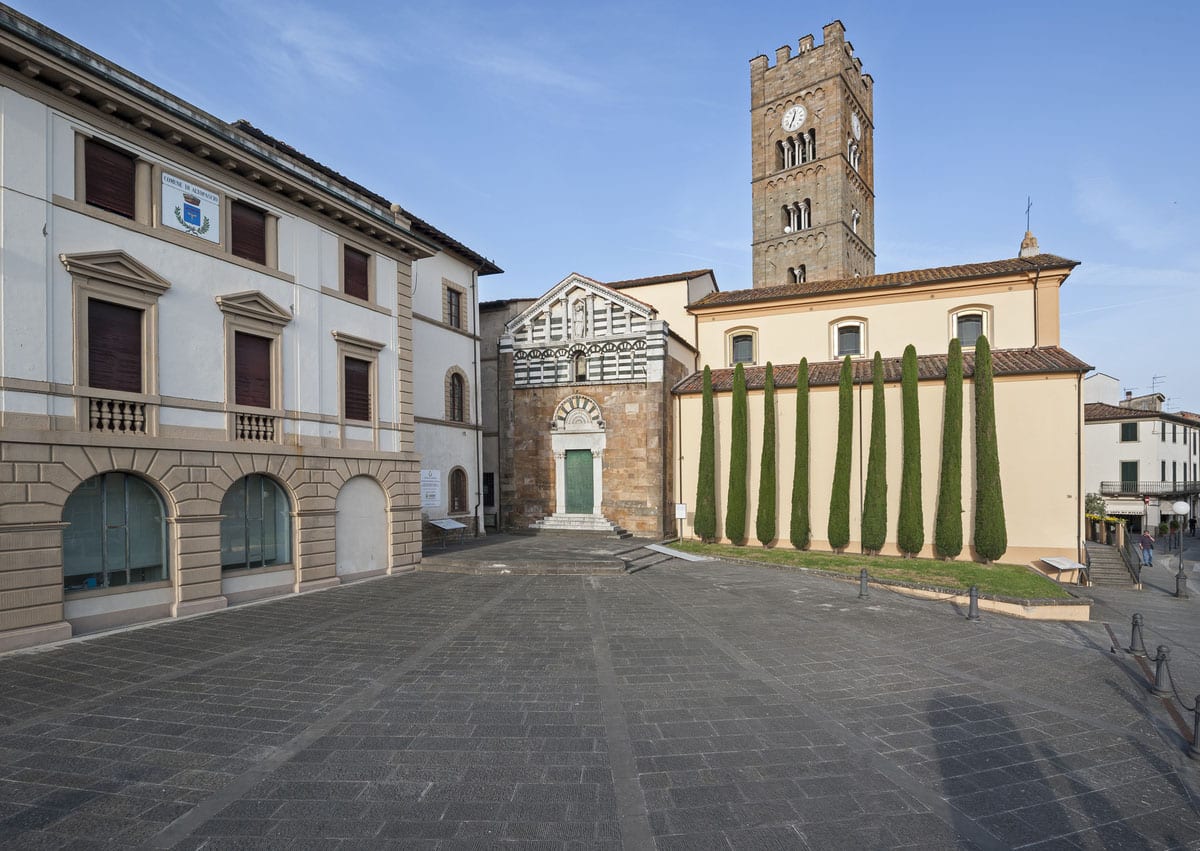
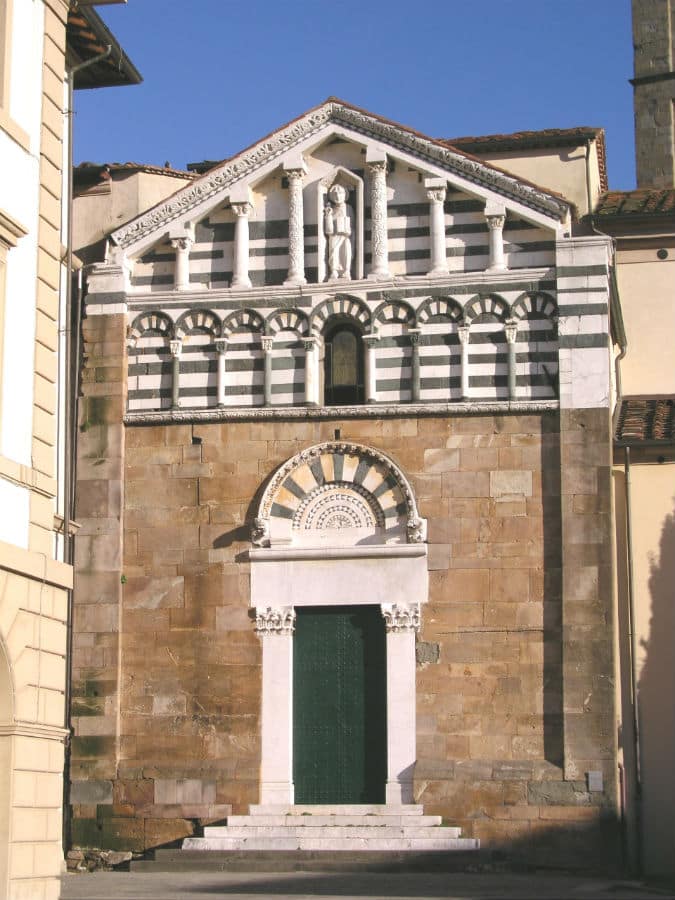
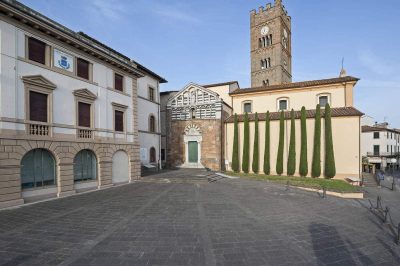
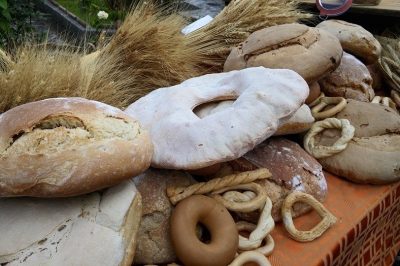
Known for centuries to all pilgrims who travel the Via Francigena, Altopascio is a small village called the “city of bread”, since it maintains the ancient cereal tradition handed down from generation to generation. Its historic center preserves works of considerable artistic value, such as the church dedicated to San Jacopo, built in 1100, the period of greatest splendor for the Order of Hospitallers.
Photo gallery
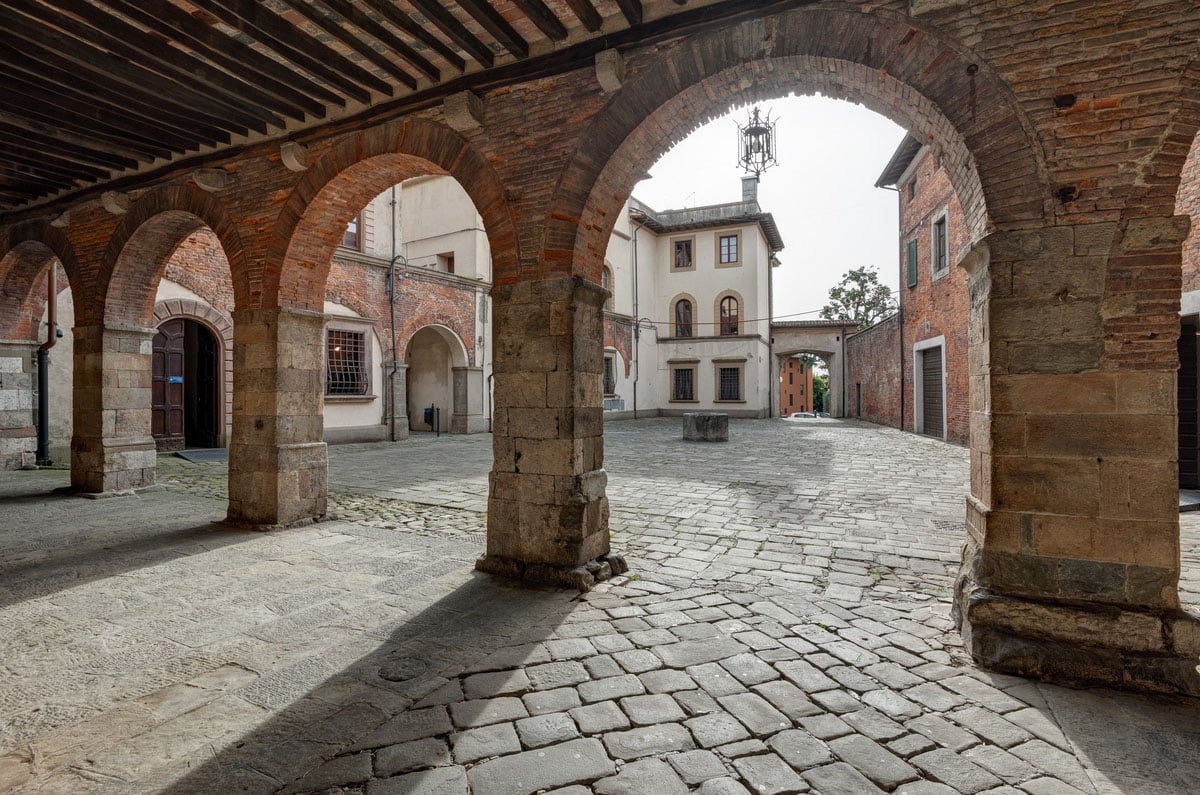
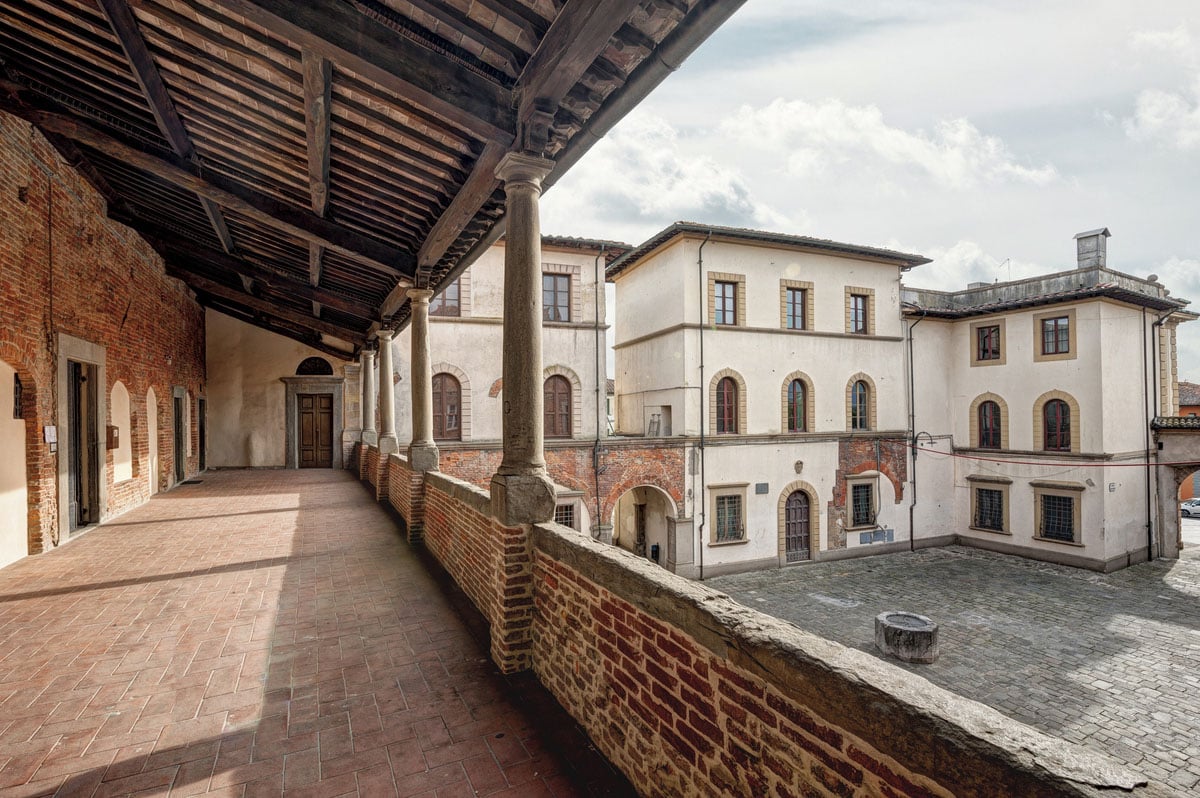
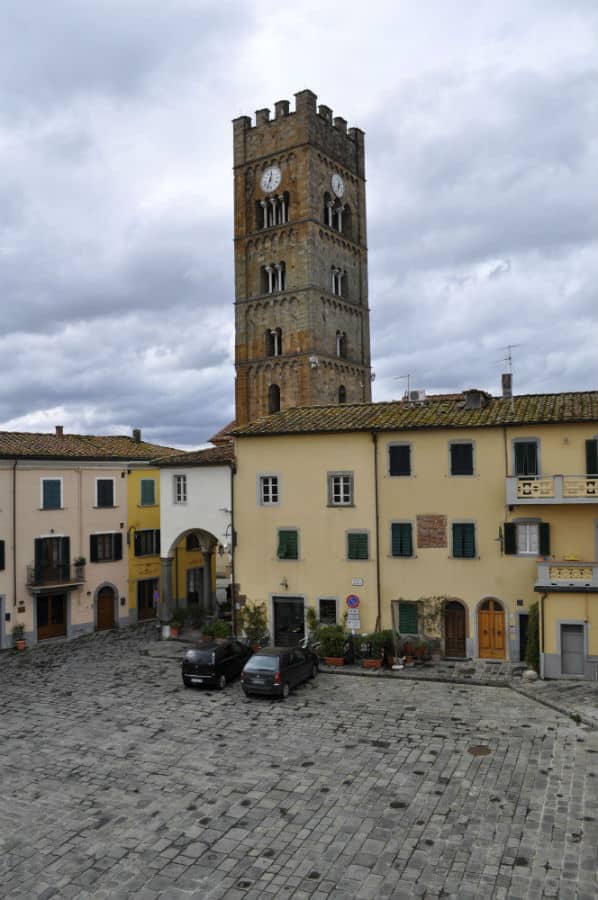
Already inhabited in Roman times, the village of Altopascio rises along Via Francigena, in Tuscany. In this place the Spedale di Altopascio arose, with the purpose of assisting pilgrims and providing for the maintenance of the road itself. The first news of the Spedale “edificatus in locus et finibus ubi dicitur Teupascio” dates back to 1084. The hospital was originally founded by twelve Lucchese or probivir (probably “duodenal chorus” quoted in the vulgar rule), according to tradition a forced pass between the Fucecchio padule and Lake Sesto (now boned) near the Cerbaie forest. The choice was not casual because the need for care and care was especially felt in these places, at that time dangerous and unhealthy.
The walled village of Altopascio, founded in the second half of the 11th century, underwent various renovations, expanding and modifying. The complex included, in addition to the Hospital, the bell tower and the church of San Jacopo. Surrounded by a sturdy walled wall, it looked like a fortress; it was accessed from the hollow door of the Hospitallers, still existing, after crossing a bridge over the Teupascio rio (or Theupascio), which has now disappeared. The Magione of Altopascio was at the beginning a complex articulated around two large courtyards, around which were arranged the premises dedicated to the friars and the reception of the pilgrims. In the 12th century, beside the church, the bell tower was added. At that time there were many testimonies in the current Apollo, especially in Piazza Ospitalieri and in the church of San Jacopo Maggiore. Between the 15th and the 16th century Spedale became the first fortress, then farm, administered by the Capponi family and later by the Medici. In the 14th century, a noble Lucchese ghibelline, Castruccio Castracani degli Antelminelli, became the protagonist of an epic battle held in Altopascio against the Florentine Guelphs guided by Spanish Ramon (or Raimondo) Cardona, captain of the papal guard under John XXII. On September 23, 1325, Castruccio, with the help of the Azzurri Visconti militants, had to accept the battle and confronted the guelphs in the open field. At the first attack was the Florentines, but at the second cavalry they did not make the counterattack and were reduced to barbarism; the Florentine infants were overwhelmed by their knights who had retreated to their neck (Cardona escaped), while the lucchese cavalry cut off all the escape routes. Castruccio was a tremendous victory: the Ghibellines regained Altopascio and several other villages, and all the Guelphs, including the Cardona, were captured. On September 29, Signa fell and on 2 October Castruccio moved to Peretola. On November 11 (San Martino’s day), the city of Lucca devoted a triumph in Roman style, in which also the Carroccio conquered to the Florentines, with the unattached bell and the flamenco flip-flop. At the gates of Florence, Castruccio ran, for fun, three pilots, one of the riders, the second of people on foot, and the third of prostitutes. In addition, to celebrate the victory, he coined a coin called Castruccino.
After the two subsequent suppression of Pius II (1459) and Sixtus IV (1587), the Spedale di Altopascio underwent a progressive decline and saw its significance diminish, though it continued its activity of assisting the needy travelers as “recipe” to which Grand Duke Pietro Leopoldo of Lorraine in 1773 definitively abolished him in favor of the hospital of Pescia. But as hospital activity crashed, economic survival was ensured by the farm’s anniversaries, which, just because they were fragmented in a vast territory, were less affected by the crisis that struck Tuscany. The Altopascio will continue to survive, backed by the many land-related activities that derive from possessions spread all over Europe, and from the road and transport network of which it was at the center. Altopascio, with his rents and his position on the border between Lucca and Florence, was still very interesting economically and strategically, and will be at the center of the struggles between the civil power represented by the Medici and the religious power, who had his center in Lucca.
They are worth a visit to the Badia of St. Peter and the Church of St. Jacopo Maggiore. The village of Altopascio is mentioned in the story of Italo Calvino’s smog cloud. The Altopascio Bread is a must-see, national gastronomic excellence.
As far as craftsmanship is concerned, the ceramic art is active, widespread and renowned, ranging from terracotta production to pottery, iron processing, weaving wicker and straw, stringed weeding with marsh grass and the ancient art of furniture, whereby objects from the Renaissance style to the modern one are made.
Village of Altopascio
Municipality of Altopascio
Province of Lucca
Tuscany Region
Population: 15.527 altopascesi
Altitude centre: 19 m s.l.m
the Municipality is part of:
Città del pane
Comuni della Via Francigena
Aree naturali protette:
Lake Sibolla Natural Reserva
Municipality
Piazza Vittorio Emanuele 24 – Tel. 0583-216455
BY CAR
- From the North: Take the A1 highway, follow the La Spezia – Parma Ovest direction, continue on the A15 highway and follow the Genova – Livorno direction, continue on the A12 highway, in Viareggio follow the Lucca – Florence direction, continue on the highway A11 Firenze – Mare, exit at Altopascio and follow the indications to enter the town.
- From the South: Take the A1 highway, follow the Livorno direction, continue on the A11 Firenze – Mare highway, exit at Altopascio and follow the signs to enter the town.
ON THE TRAIN
- Altopascio railway station
BY PLANE
- Florence airport
- Pisa airport
What to see in Altopascio
Discover what to see in Altopascio among monuments, scenic views, museums, churches and symbolic places of the village. A useful selection to plan your visit and explore the area.
News and stories about “Altopascio”
Insights and stories from the area, to keep discovering.
Continue the journey
Altopascio is only one of the treasures of the area. Use the interactive map to discover what to visit nearby, how far the other villages are and which experiences you can enjoy along the route.
Explore the area