 Passignano sul Trasimeno
 Montefeltro
 Longiano Week
 The Ca’ Rossa Experience: from vineyard to glass
 Romantic Night 2026: on 20 June, over 230 Italian villages will be aglow with love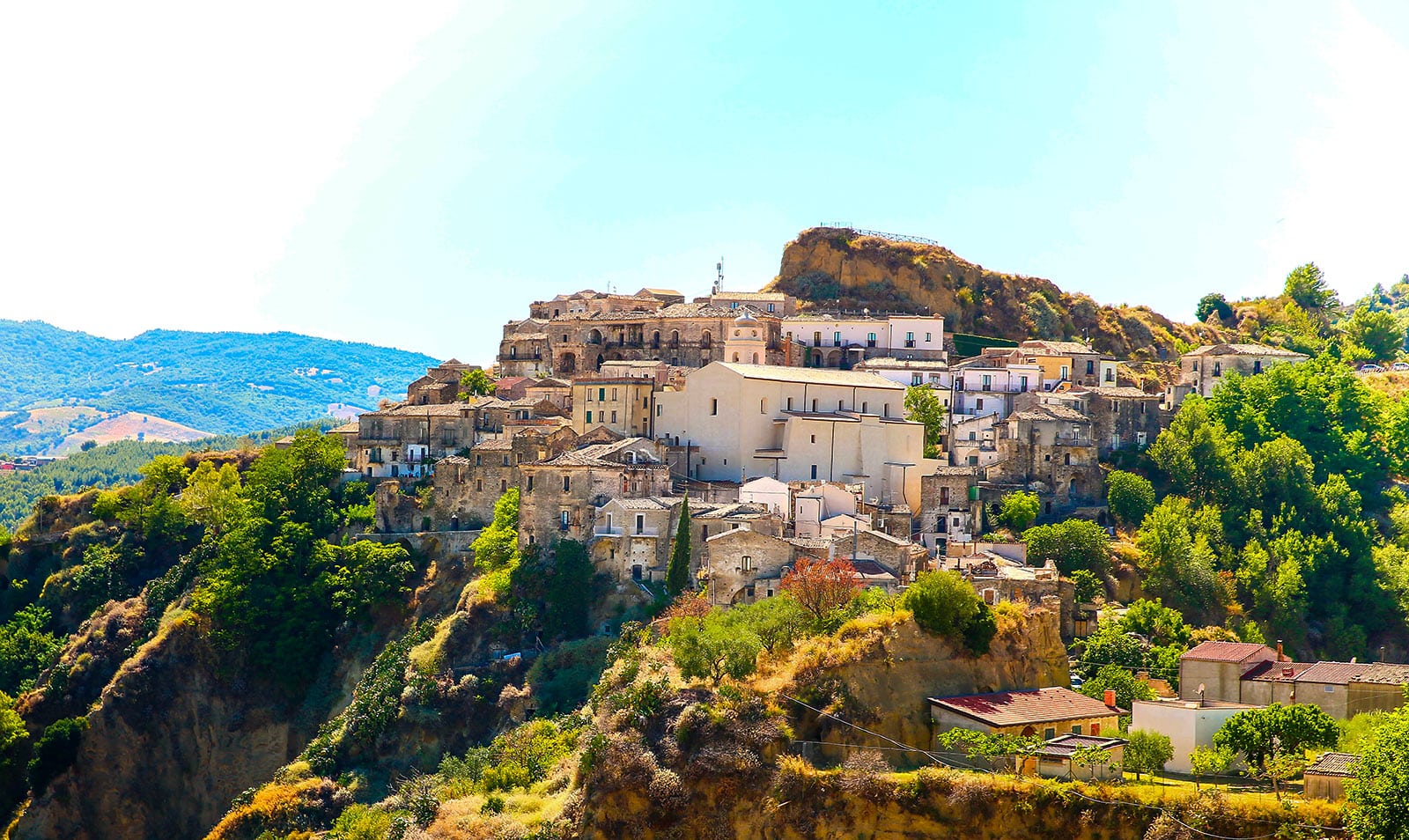
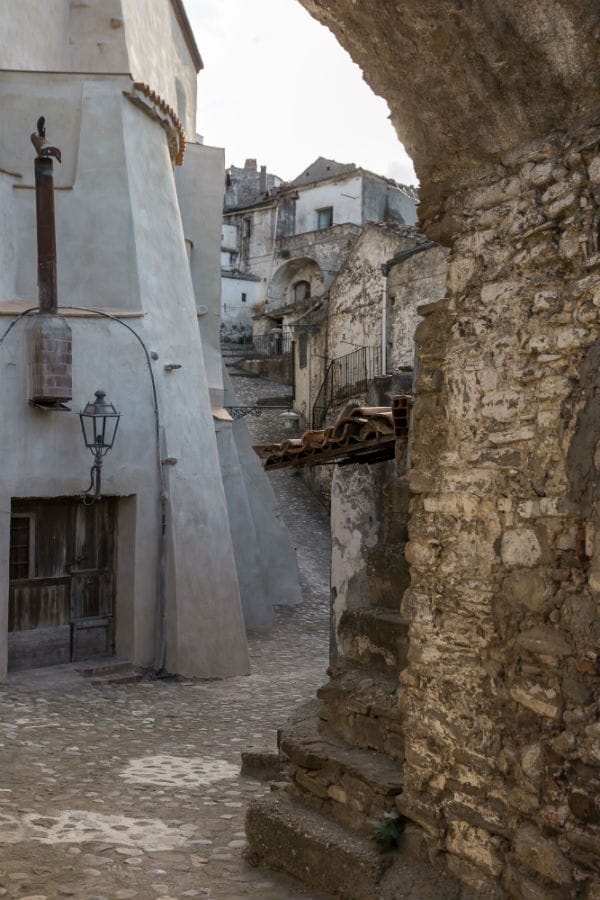
There is no corner of Tursi that does not deserve to be discovered, feeding the curiosity of the visitor who never ceases to be surprised. The village is a medieval center of the fifth century, originally born around the castle and subsequently developed in the valley below. The architectures still bear the signs of Arab domination in the ancient village of Rabatana.
Photo gallery
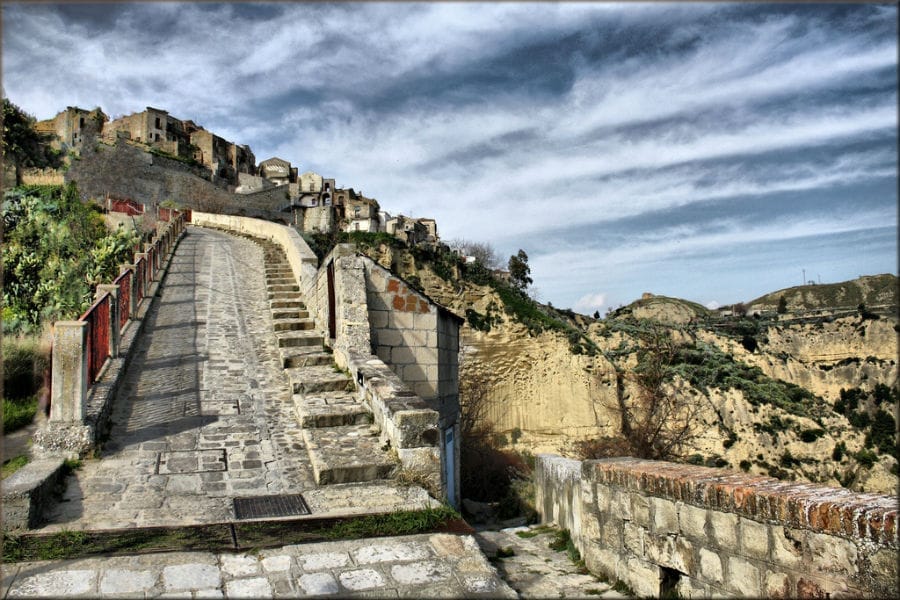
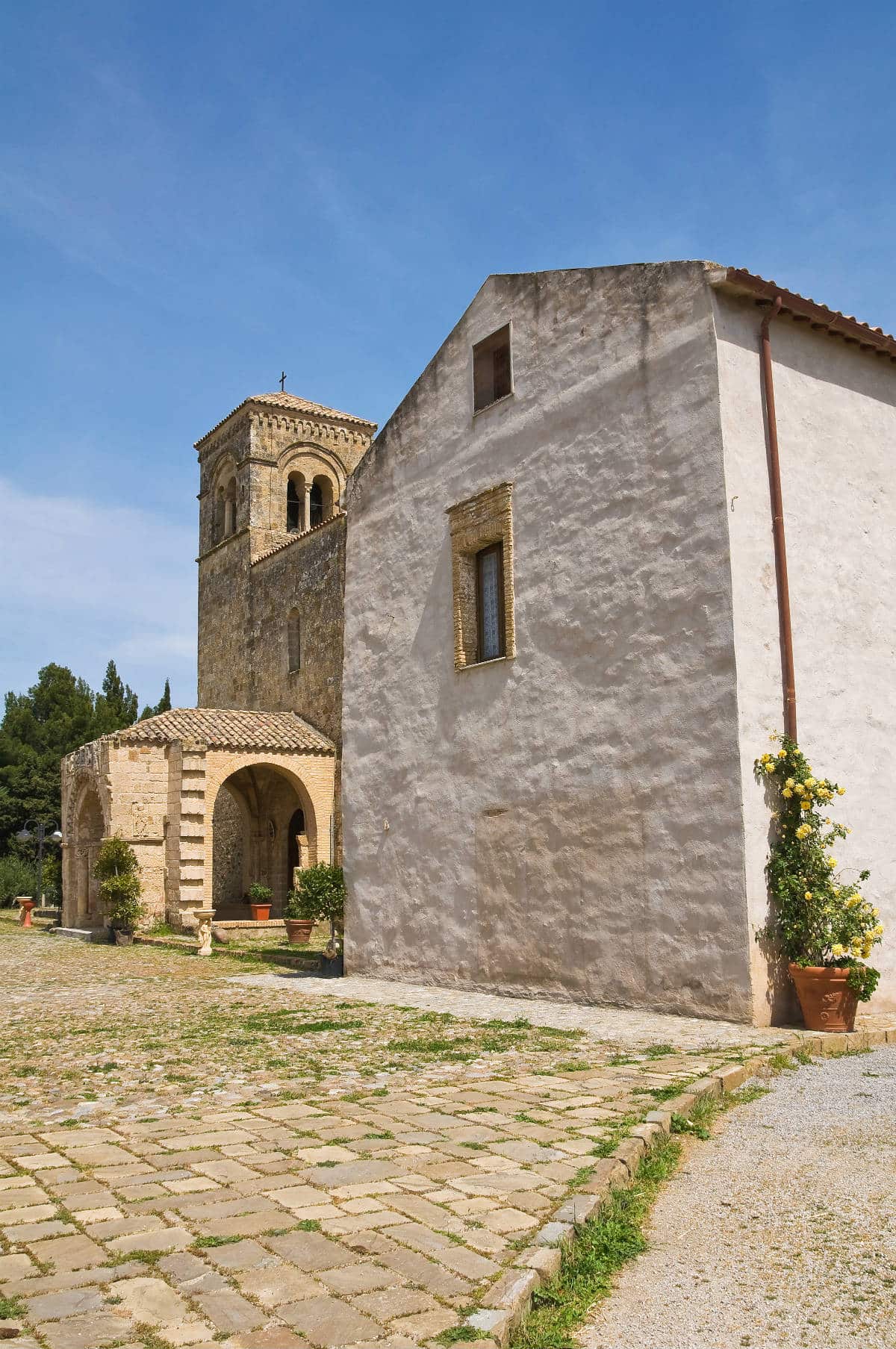
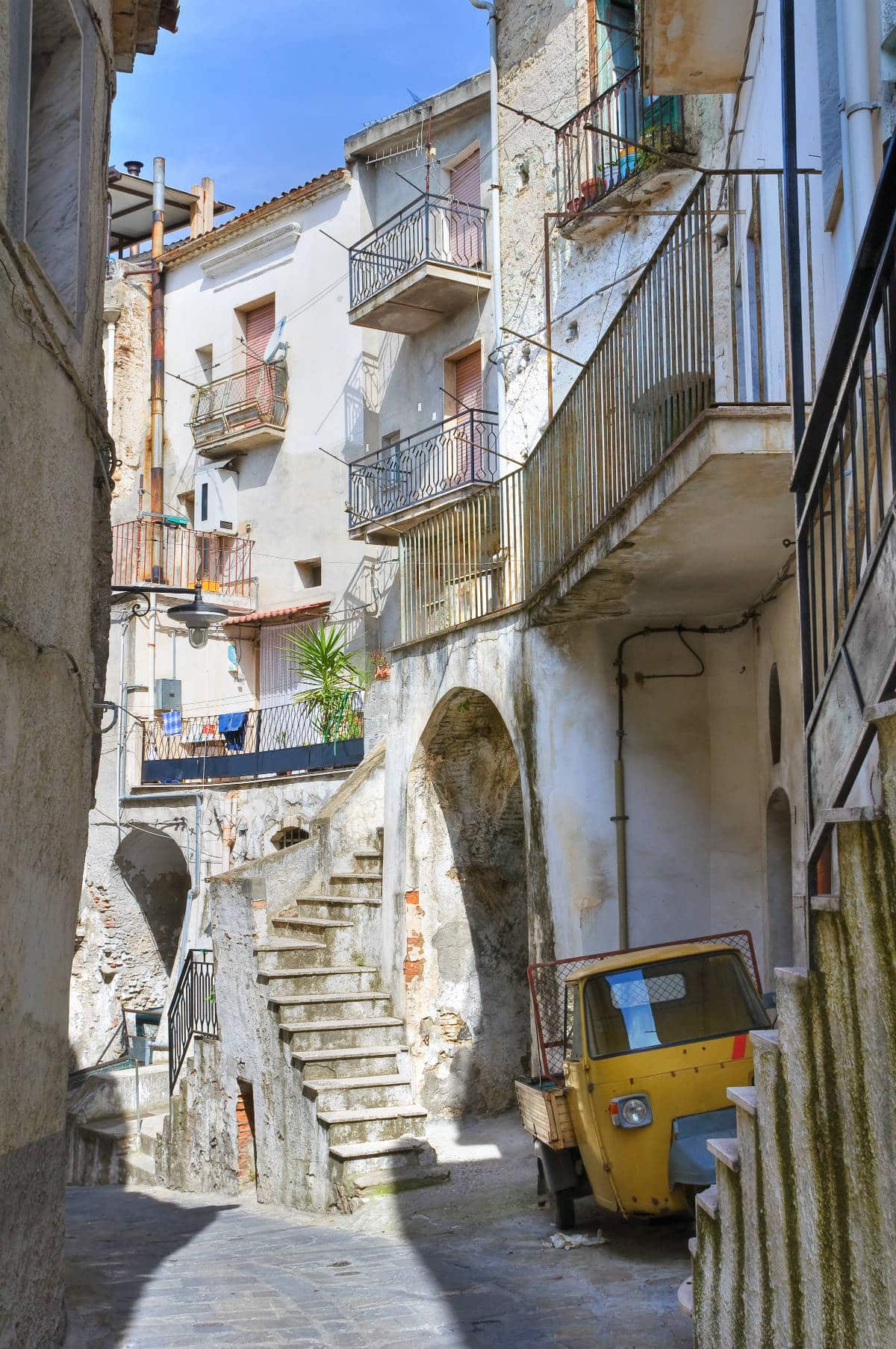

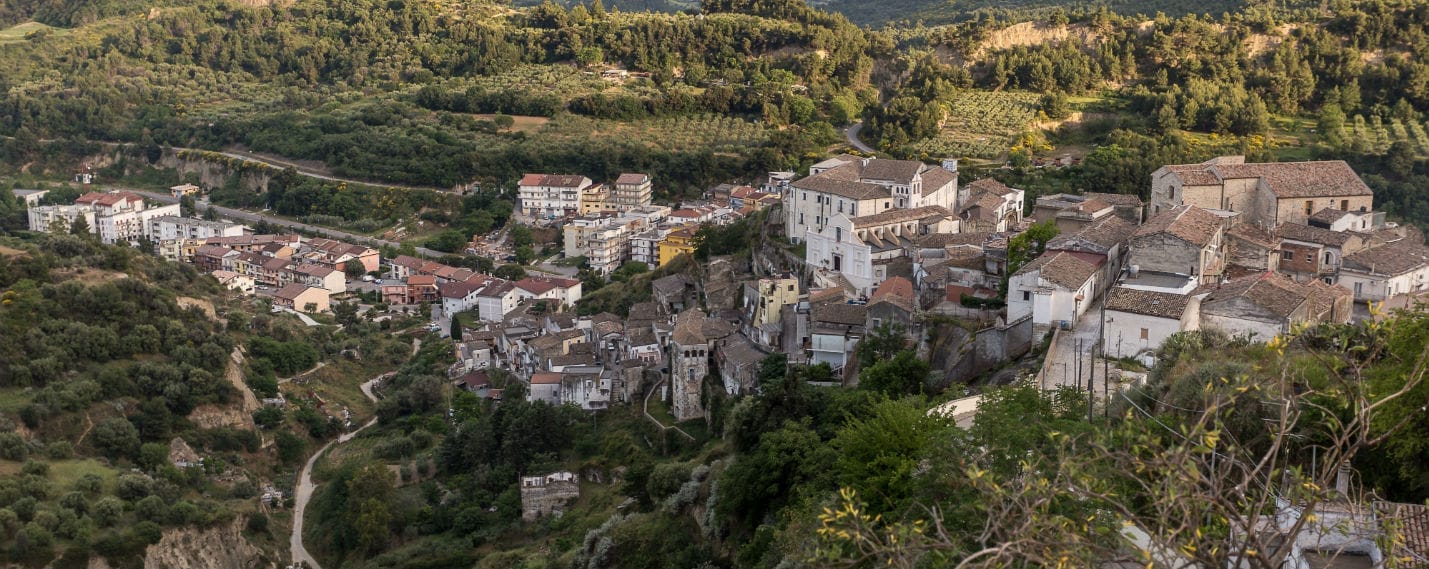
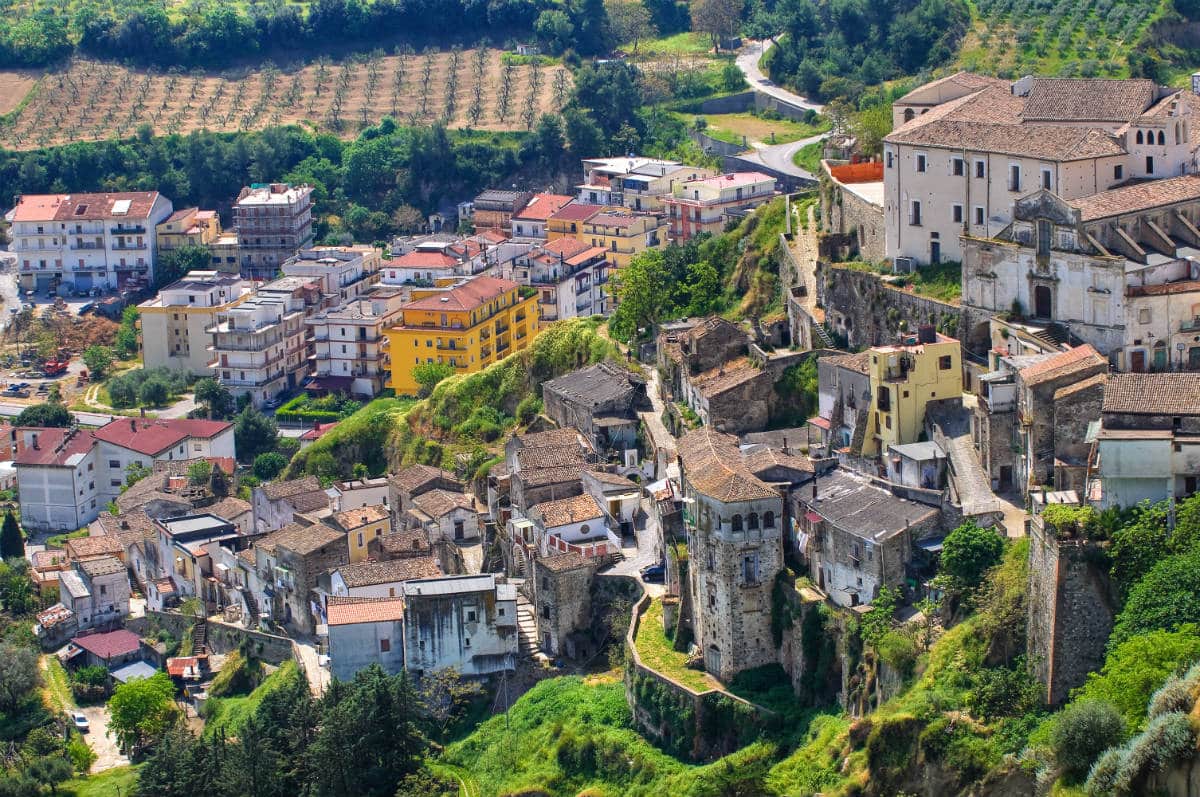
The village of Tursi is a medieval center of the fifth century or so, in Basilicata, originally born around the castle and later developed in the valley below it assumed a singular elongated shape.
Its inhabited center is largely divided by the torrent Pescogrosso, which takes its name from the enormous boulders found along its course and flows as a tributary into the Sinni river.
There are several sources that try to explain the derivation of the name “Tursi” and the most accredited claim that it derives from the name of person, “Turcico”, a man of arms of Byzantine origin, owner of the area, who enlarged the ancient Saracen village, “Rabatana”, giving the new area the name of Tursikon or Tursicon.
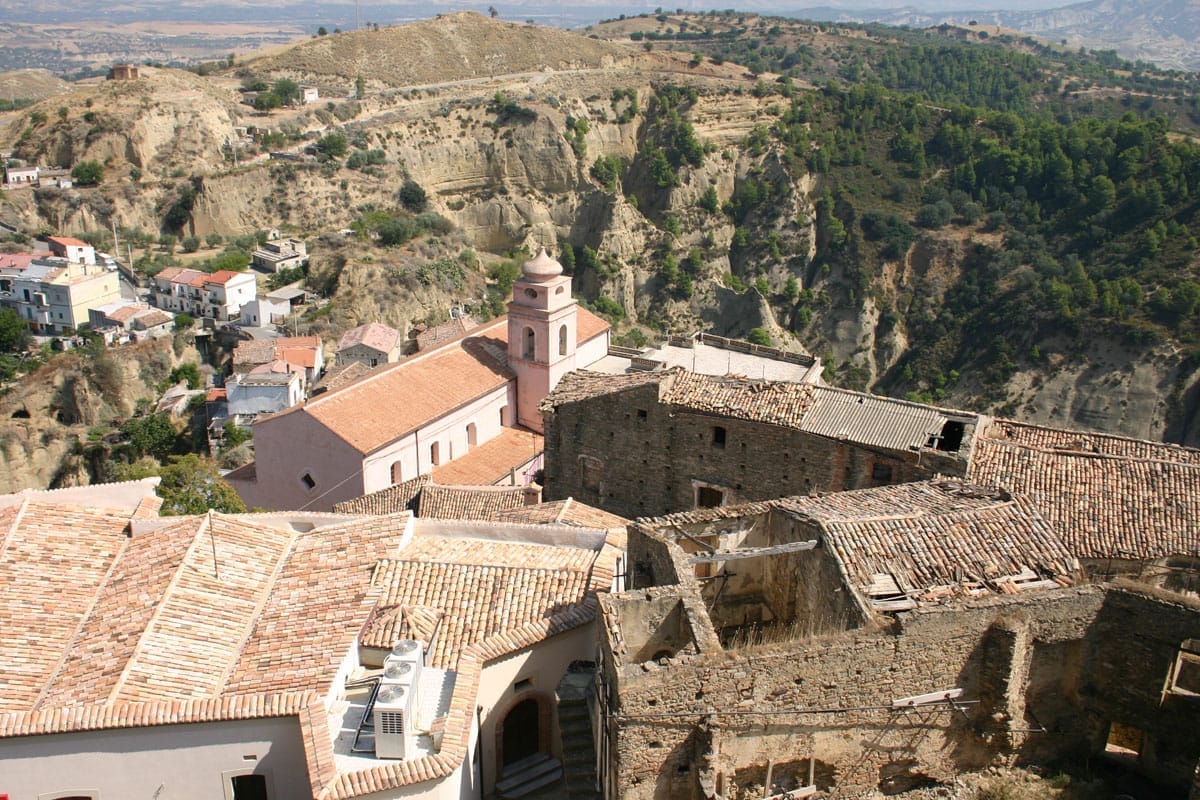
The Rabatana was the first inhabited nucleus of Tursi, and is literally surrounded on each side by deep and inaccessible ravines. Around the middle of the fifth century, the Goths built the castle around which the first stone houses were built and the primordial nucleus of Tursi was formed, which grew as a result of the depopulation of Anglona (now fraction of Tursi).
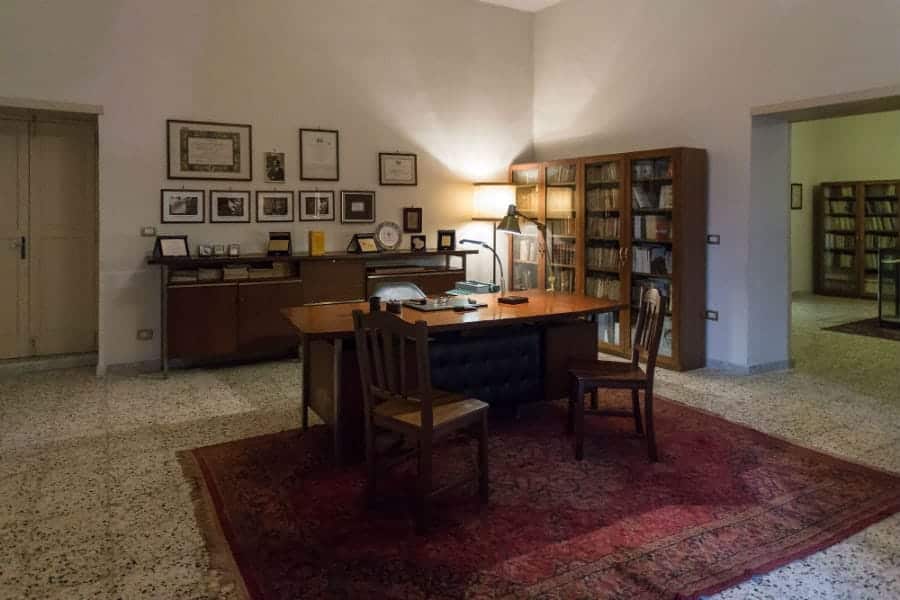
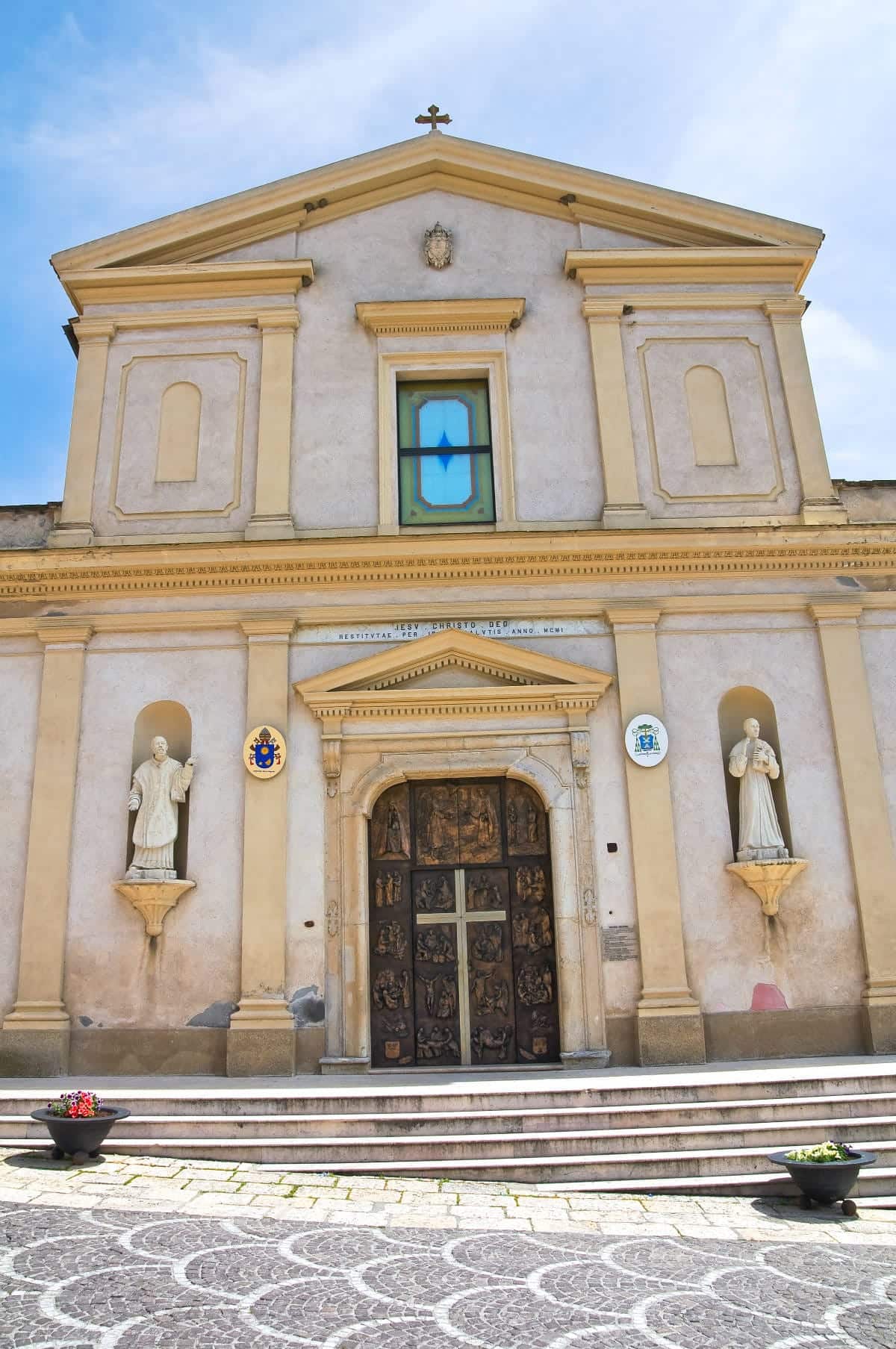
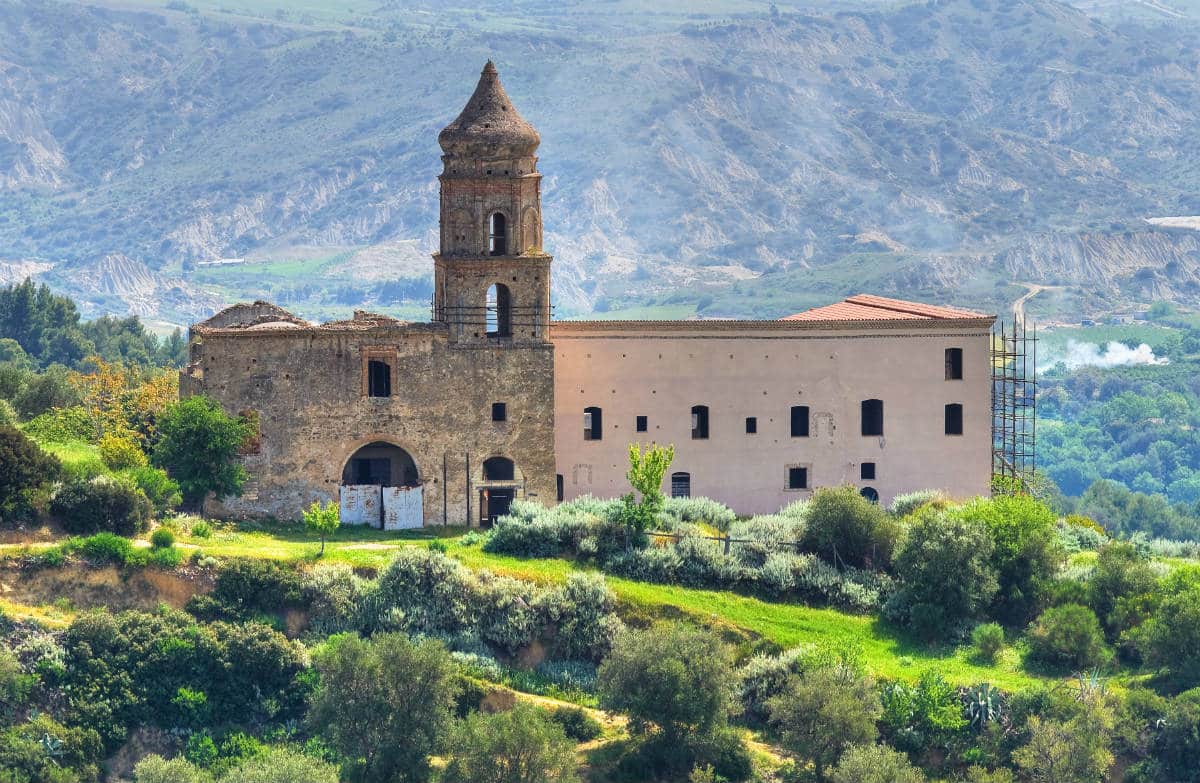
Tursi is a village waiting to be discovered, from the architecture that still bears the marks of Arab domination, in the ancient village of Rabatana, to the Gothic castle, up to the Literary Park dedicated to Albino Pierro and set right in the house of the poet several times candidate for Nobel Prize for Literature, and then, again, the splendid Sanctuary of Anglona, a few kilometers from Tursi, up to historic buildings and other churches.
All this constitutes the priceless heritage of the “city of Pierro”.
Archaeological excavations carried out in Basilicata, near Anglona and near Policoro, have brought to light innumerable works currently kept in the National Archaeological Museum of Siritide, ascertaining the existence of settlements dating back to 3000 BC.
Today Rabatana has become a tourist destination mainly because of the poet Albino Pierro, who has made Rabatana the source of inspiration for his poetry. In it you can retrace the streets of the ruins of the primordial nucleus and visit what remains of the ancient dwellings, often with only one room on the ground floor.
The village of Tursi has a predominantly agricultural economy, with widespread cultivation of citrus fruits and fruit trees. Renowned are the Tursi oranges, called “stacce”.
Among the traditional recipes stand out: cheeses with cheese and eggs, linked to the recurrence of Monday of the Angel, “i pirc’dduzz”, home-made pasta with pieces topped with cooked wine, fusilli with fried breadcrumbs and capriata, a minestrone made from a variety of legumes and potatoes.
Do not forget the homemade pasta and the bread baked in a wood-fired oven offered in different forms: “a pitta”, a kind of flat wheel, and “u piccillète”, a sort of white donut, among the buns we also find “a caccallèt “Which can be sweet, with sultaninala or salted grapes. Do not miss the good wine like the Matera DOC.
Very popular are the so-called “cotto di fichi”, a delicious compote to be used in different recipes, and “i gileppi” with oranges, an exquisite orange-peel jam. Local produce is also the cardoncello mushroom, cooked in this territory, in various ways or eaten raw with hard ricotta, lemons and olive oil from the Murge area.
Village of Tursi
Municipality of Tursi
province of Matera
Region Basilicata
Inhabitants: 5.037 tursitani
Altitude center: 210 m a.s.l.
The Municipality is part of:
Borghi Autentici d’ Italia
Municipality
Viale Del Municipio – Tel. 0835-531111
ON THE TRAIN
- Sibari station
- Praia a mare station
The cuisine was influenced by poverty and peasant life. That is why bread was originally home-made. To this day, many local bakeries still make homemade bread: a ”pitta” (a kind of flat wheel) and ”u piccillète” (a kind of white doughnut in the shape of a steering wheel), among the flatbreads we find a ”caccallèt” that can be sweet, with sultanas, and savoury with cracklings. The classic focaccia is vulgarly called ‘vruscète'” and is generally seasoned with tomatoes and peppers. On winter evenings, ‘ffella-rusch, a slice of bread toasted over the fire and seasoned with lard or a drizzle of oil, salt and pupàcce pisèt (ground peppers), made by grinding the ‘pupàcce crusk’ (dried, crunchy peppers), is eaten in front of the hearth.
The most typical dish is that of the frizzuli ca’ millica or maccaruni ca’ millica, i.e. macaroni made with a square-section iron (stocking or umbrella) and served with tomato sauce and fried breadcrumbs. The first courses also include the ‘”raskatelle pupàcce and pummidòre‘”, cavatelli with tomato sauce and fresh peppers.
When the pig was killed, a was lost, starting with the blood that was used to make black pudding. The less noble parts, such as pork rind, lard and innards were used in the preparation of ‘”frittole”‘ (cracklings) and ‘”nnuglia”‘, which was called pezzente salami because it was made from meat scraps. These foods are mainly used as side dishes, or cooked together with vegetables, in the preparation of minestra maritata. After pork, the most widely consumed meat was sheep meat, used for the preparation of Gghiommaricchie, innards roulades usually barbecued or baked in a pan with potatoes. At Easter time, it is customary to make ‘cavzòn'” (typical calzones stuffed with sausage, vegetables or potatoes), and at Christmas time to make ‘crispelle (soft doughnuts made from leavened dough and fried in plenty of oil, or fried panzerottini stuffed with dried peppers and anchovies), ‘panzè rott e uand” (fried panzerottini filled with chickpea cream, and chiacchiere-type sweets). Wines include Matera DOC.
Other typical Tursitan dishes include:
- cicorjè and fèv – chicory and broad beans,
- finucch’ e fasul – fennel and bean soup,
- Mugnèm chièn – Stuffed aubergines,
- Pastùrej,
- Snail soup,
- Orange Salad,
The Orange Staccia takes its name from an ancient game similar to bowls in which the staccia (in dialect), a flat, polished stone, was used. In fact, the staccia orange is almost flat and flattened at the poles and ripens in March. The particular peel è very thick and soft, the flesh è seedless and the flavour è exquisite and incomparable. This particular orange can only be found in the territory of the municipalities of Tursi and nearby Montalbano Jonico. The enormous spread of citrus fruit cultivation over the last century, especially in the Anglona area, has given its name to the valley below the sacred hill of Anglona, calling it the Conca d’Oro (Golden Shell). D.O.P. The cultivation of the White Percoco di Tursi is also widespread.
- Christmas period – Living Crib among the alleyways of the hamlet of Rabatana.
What to see in Tursi
Discover what to see in Tursi among monuments, scenic views, museums, churches and symbolic places of the village. A useful selection to plan your visit and explore the area.
What to do in Tursi
If you are wondering what to do in Tursi, here you will find activities, experiences and tours to enjoy the village and its area in an authentic way, among nature, culture, food and wine, and guided routes.
News and stories about “Tursi”
Insights and stories from the area, to keep discovering.