 San Martino di Castrozza
 VIVA! Festival 2026
 Tandem paragliding flights in Tirolo and Merano: the thrill of flying over the Alps
 Recipe: Polta di Pacentro, the peasant dish that symbolises the traditions of Abruzzo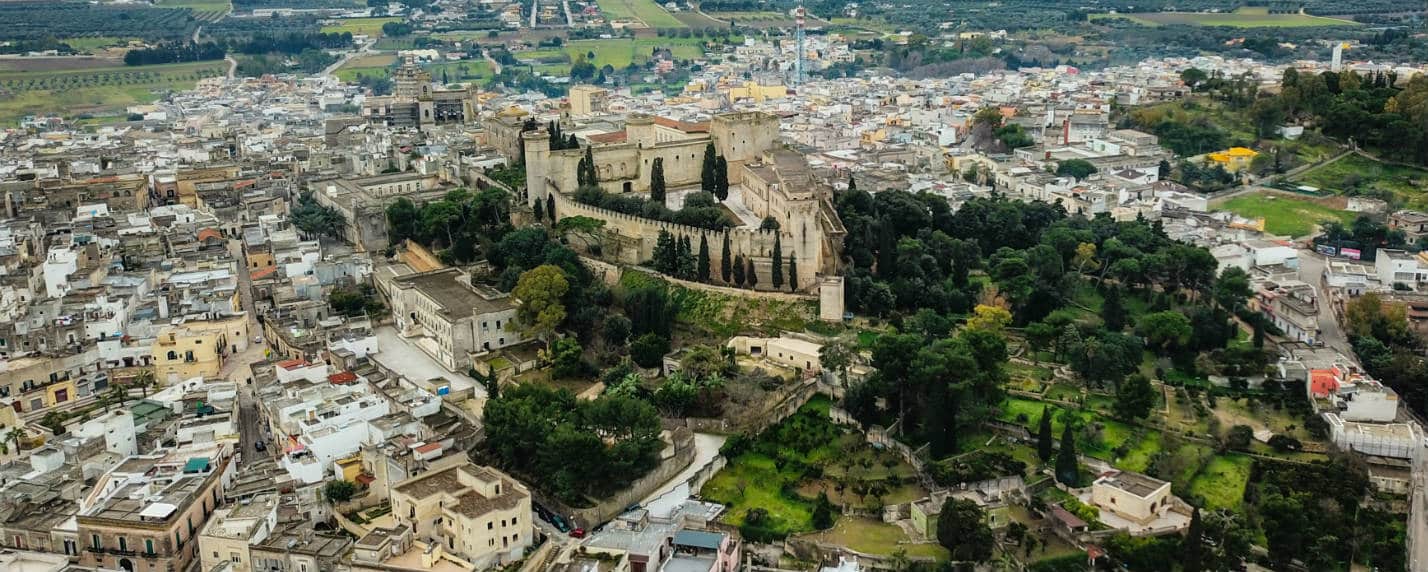
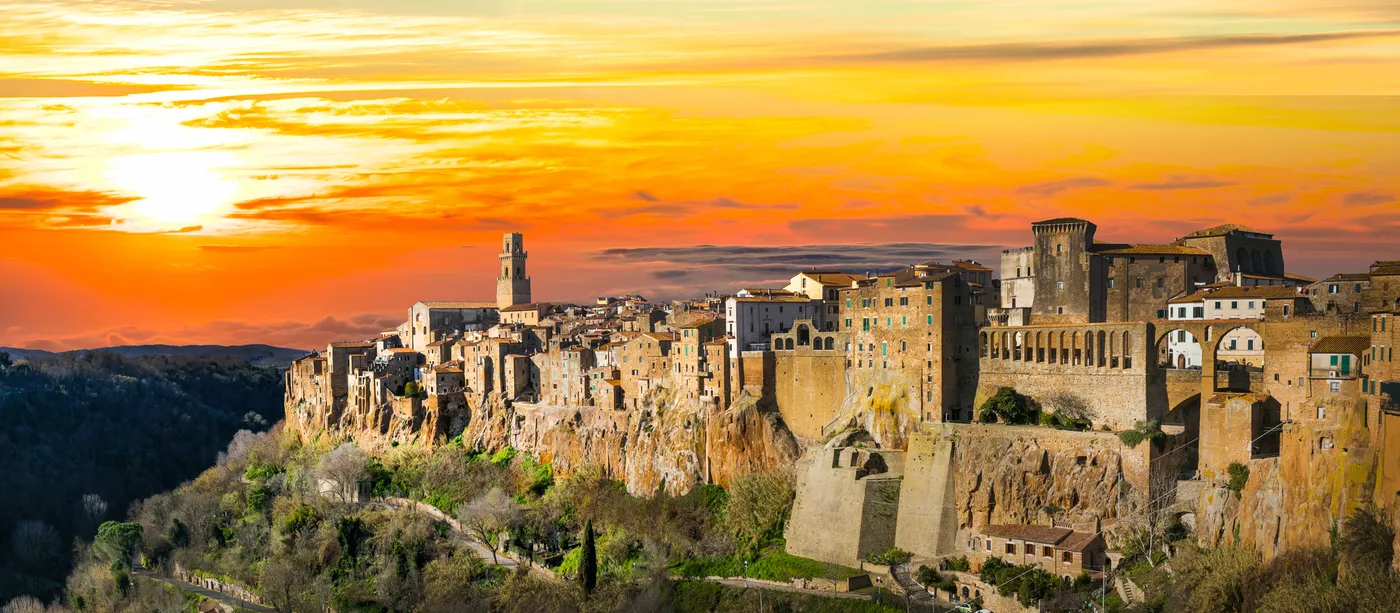
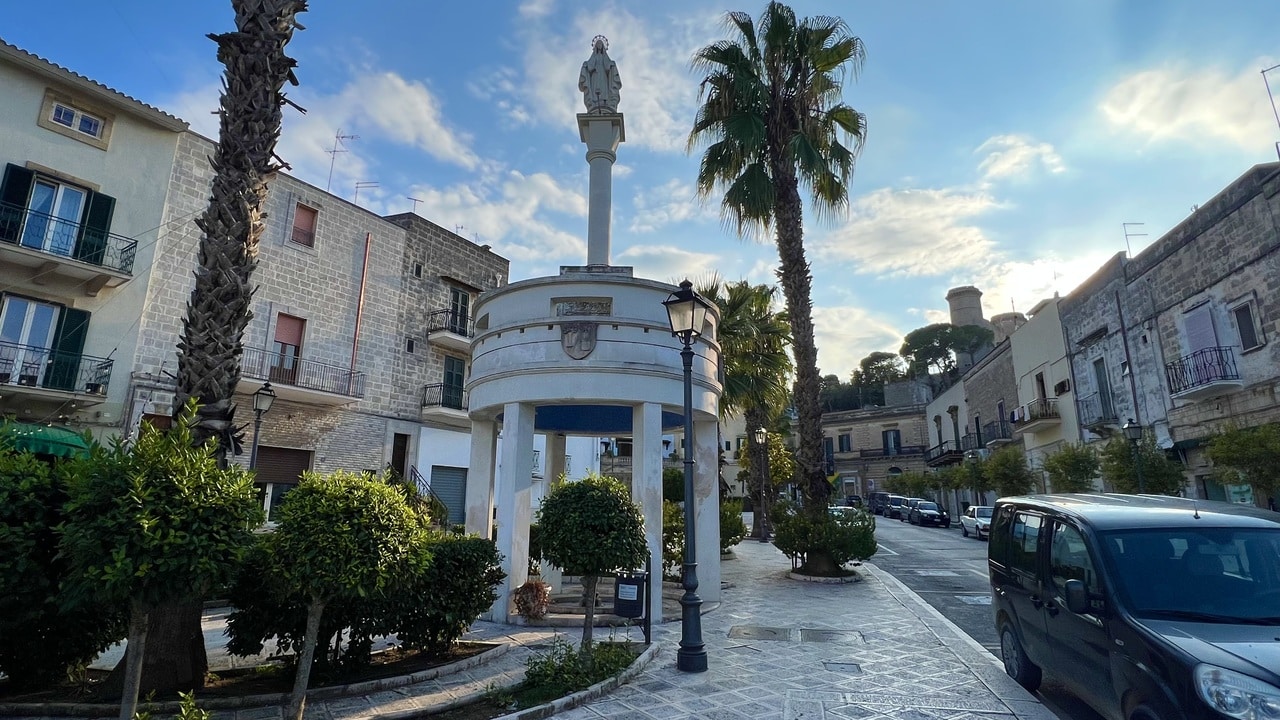
Perched on ancient fossil dunes in northern Salento, Oria is one of Puglia’s most fascinating historic towns. With origins dating back to the second millennium B.C., it has passed through glorious eras under Greeks, Romans, Normans and Swabians. Its historic center, dominated by the imposing Castle of Frederick II and the majestic Cathedral Basilica, holds artistic treasures, centuries-old traditions and glimpses of rare beauty. Oria is also synonymous with engaging events, authentic flavors and a warm welcome: an ideal destination for those who want to experience the most authentic Apulia.
Photo gallery
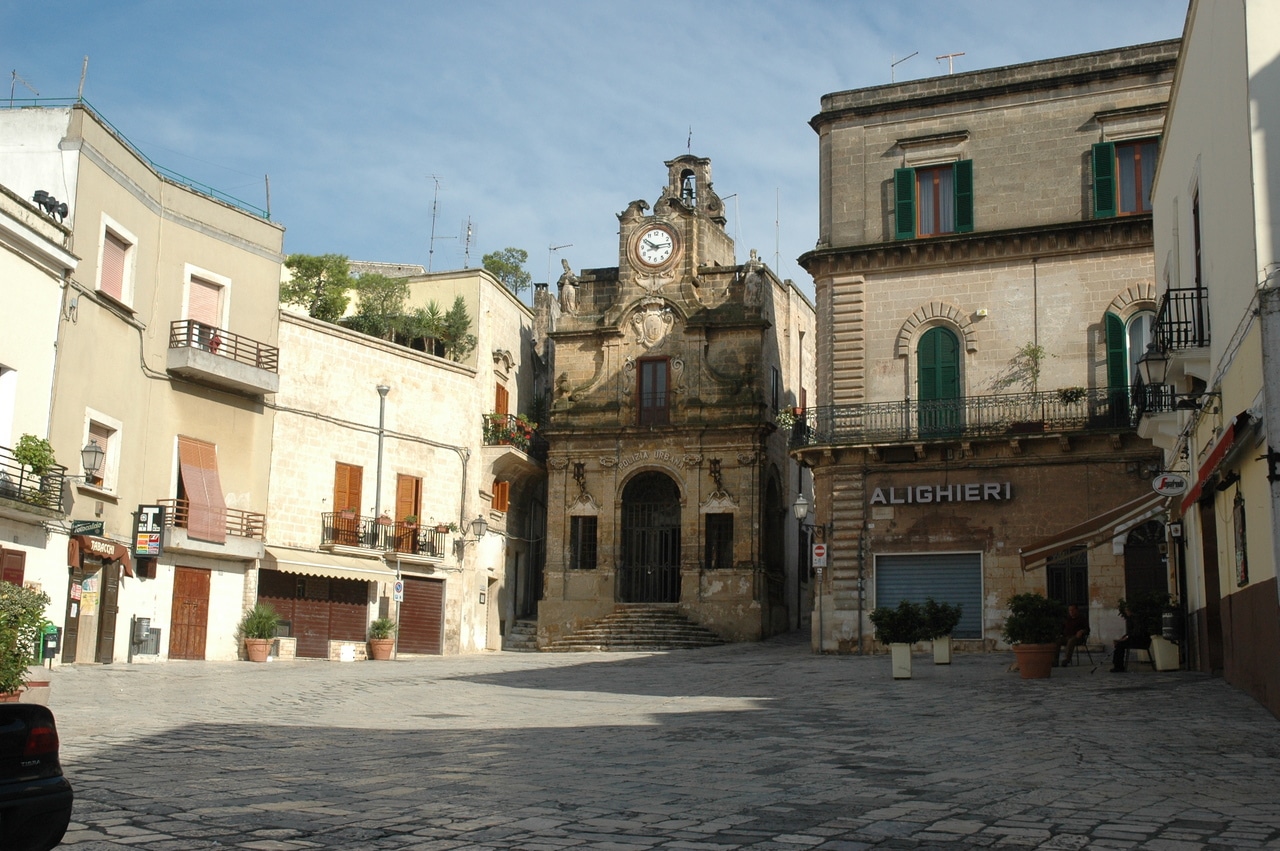
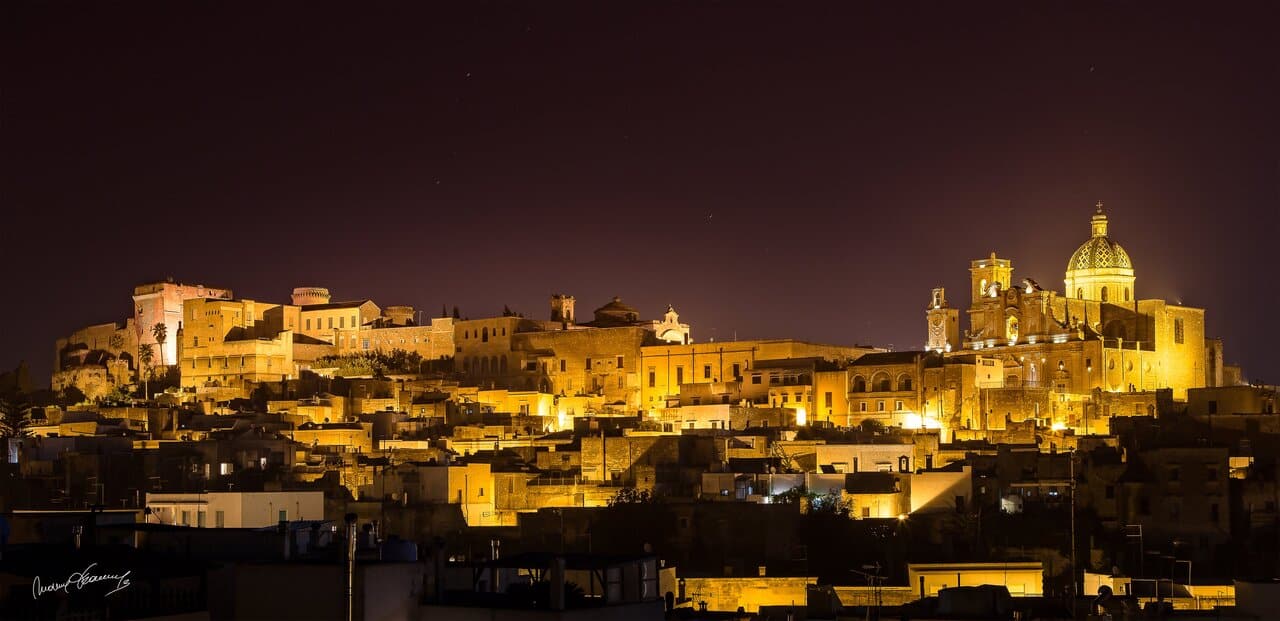
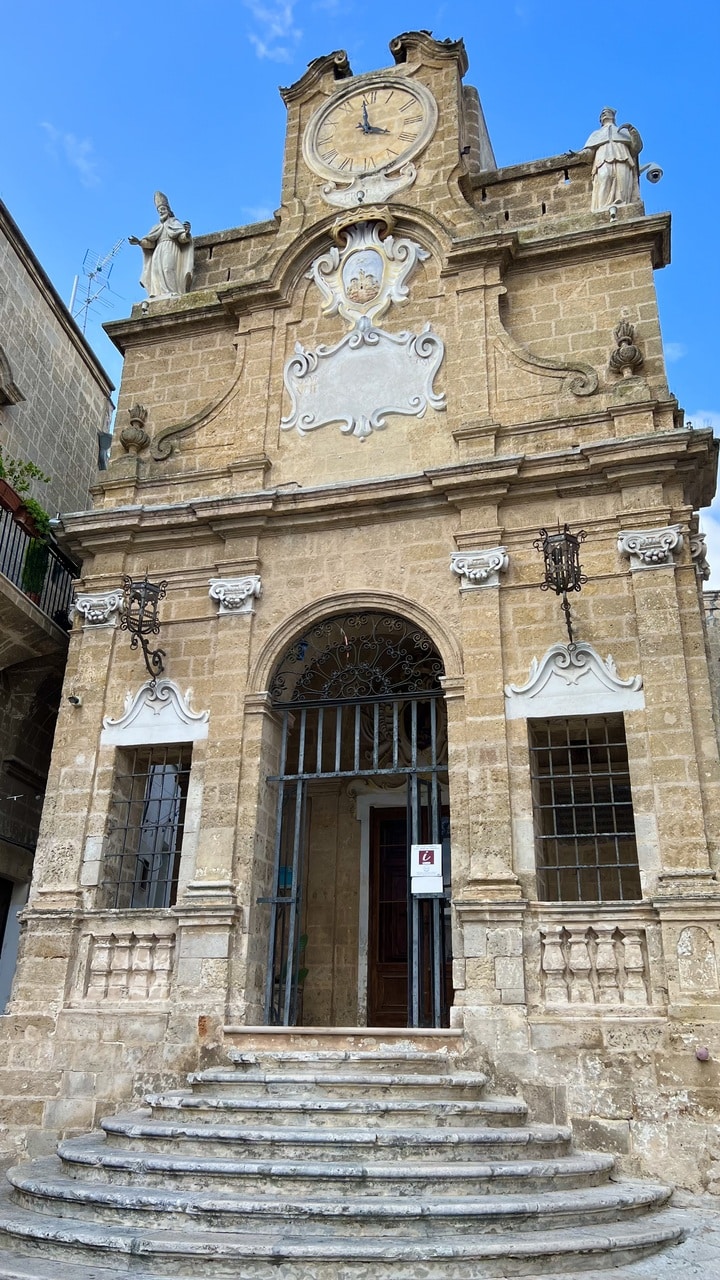
Located on the heights of an ancient cordon of fossil dunes in the heart of northern Salento, Oria proudly dominates the surrounding Apulian plain. This thousand-year-old village is a treasure trove of history, legends and traditions, where every stone seems to tell of a different era.
An ancient history
According to Herodotus, the foundation of Oria – ancient Hyria – dates back to 1400 B.C., when a group of Cretans shipwrecked on the Ionian coast and decided to settle in the Oritanian hills. The city grew in prestige during the Roman period: in 265 B.C. it became a Roman municipality and was awarded the title “Confederate City” for its loyalty to the Empire.
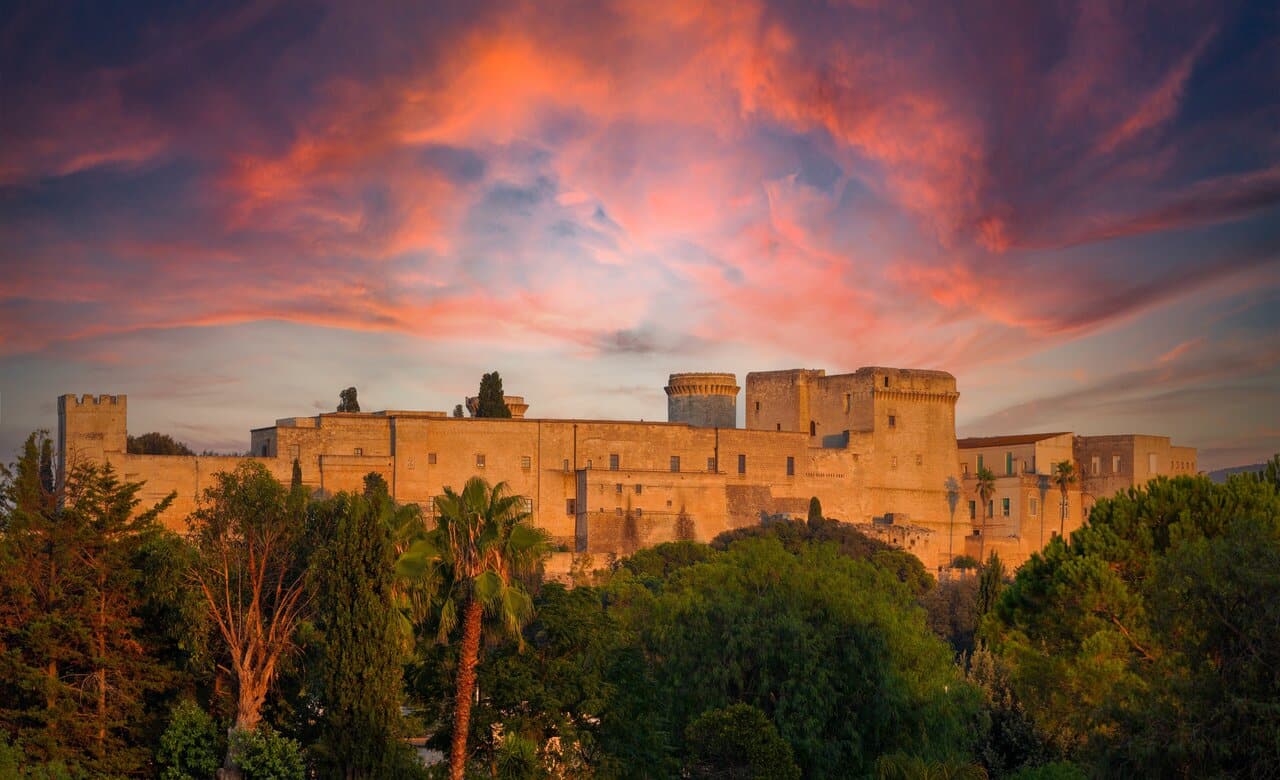
In the following centuries, Oria experienced phases of alternating dominations: the Goths, Byzantines, Lombards, Greeks and Normans fought over the city, which between the 9th and 10th centuries housed one of the most important Jewish communities in Italy. It was then under the Swabians, and in particular with Emperor Frederick II, that Oria experienced one of its golden periods: between 1225 and 1233, he erected the imposing Swabian Castle and strengthened the city’s defenses.
Over time, the town passed to the Angevins, the Spanish and then to the Genoese family of the Imperiali, until it was annexed to the Kingdom of Italy in 1860.
Monuments and architecture
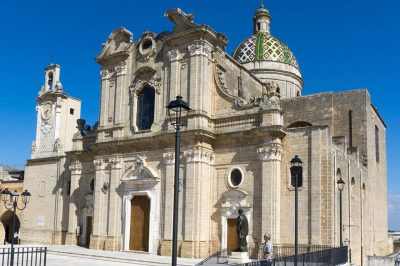
The beating heart of Orvieto’s spirituality is the Cathedral Basilica of Maria SS. Assunta, also known as “Little St. Peter’s,” because of its majestic layout and dome covered with polychrome tiles. The interior is a triumph of stucco, marble and Baroque statues. Not to be missed is the striking Crypt of the Mummies, where the embalmed brethren rest, dressed in ceremonial robes.
The Swabian Castle, with its triangular plan and three mighty towers, is one of the symbols of the city. A walk through the walls offers breathtaking views of the town and countryside. Next door is Montalbano Park, a historic garden dotted with hedges, fountains and panoramic terraces.
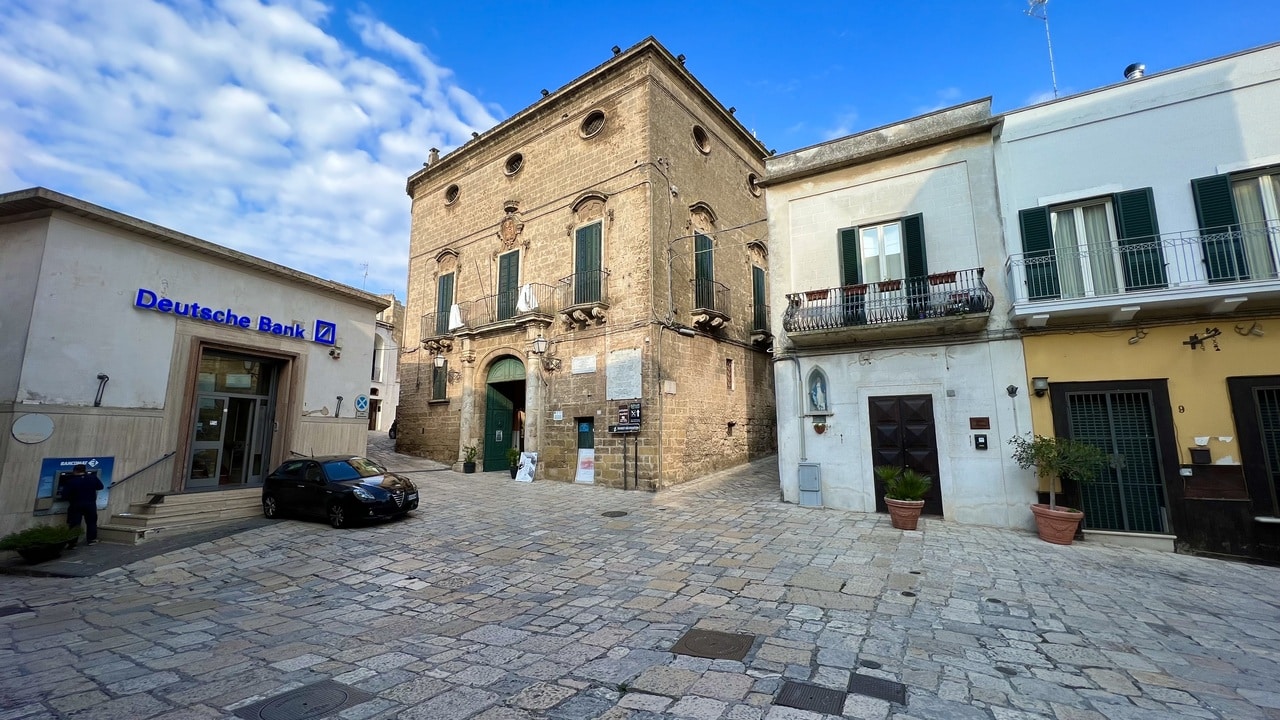
Also in the heart of the historic center is Palazzo Martini, now home to the Archaeological Museum, and other aristocratic buildings such as the Sedile, Palazzo Vescovile (which houses the Diocesan Museum) and Palazzo Martini Carissimo, home to the Centro di Documentazione Messapica.
Events and traditions
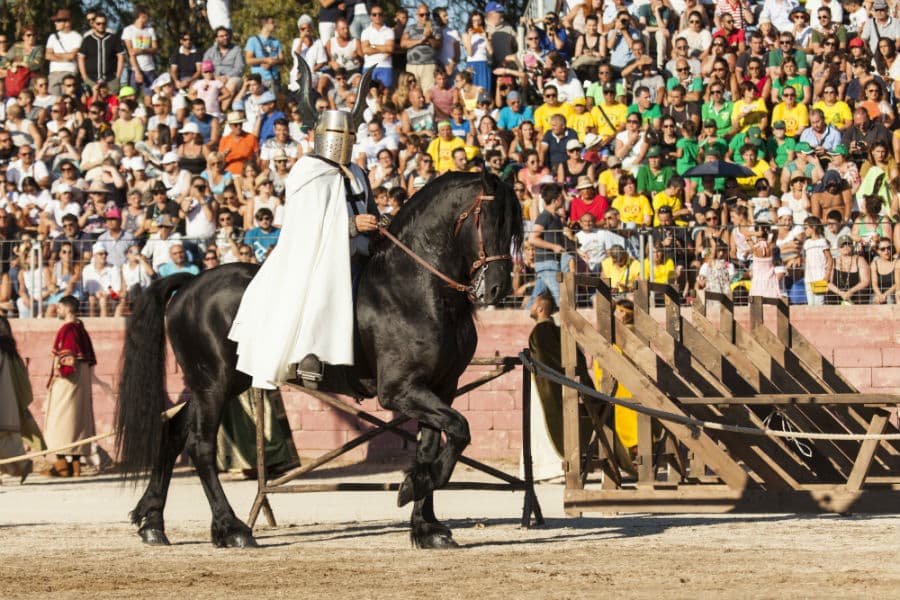
Oria lives and re-enacts its great history with passion. The most famous event is the Historic Procession of Frederick II and Tournament of the Rioni, held every year in August. More than a thousand costumed figures parade through the streets of the city, adorned with the banners of the four districts: Castello, Judea, Lama and Santo Basilio. The Tournament, a chivalric challenge between the districts, celebrates the Emperor’s arrival in 1225, waiting to marry Isabella of Brienne.
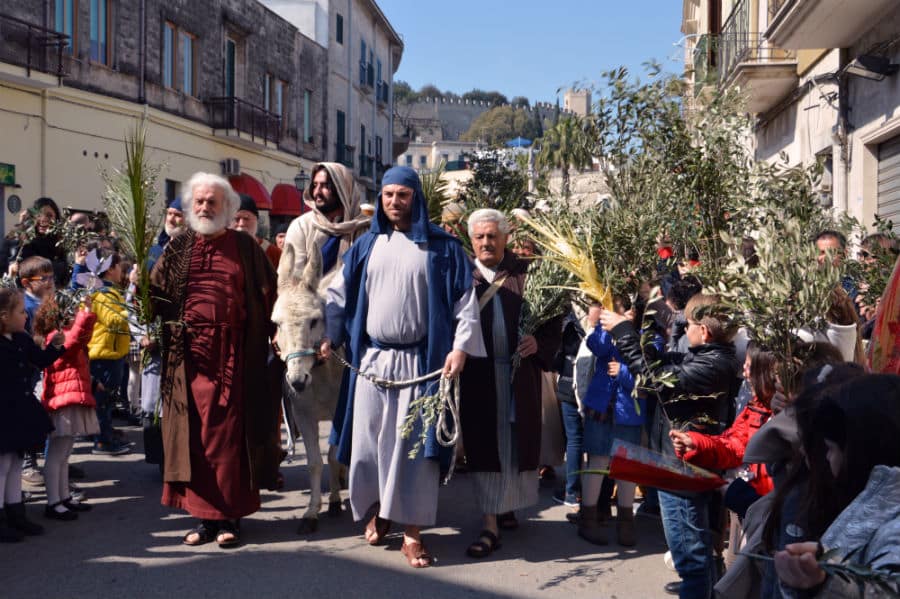
Throughout the year, the city also offers the rites of Holy Week, the Passion of Christ, and numerous cultural and folkloric events, testifying to a deep identity vitality.
Stroll through history and flavors
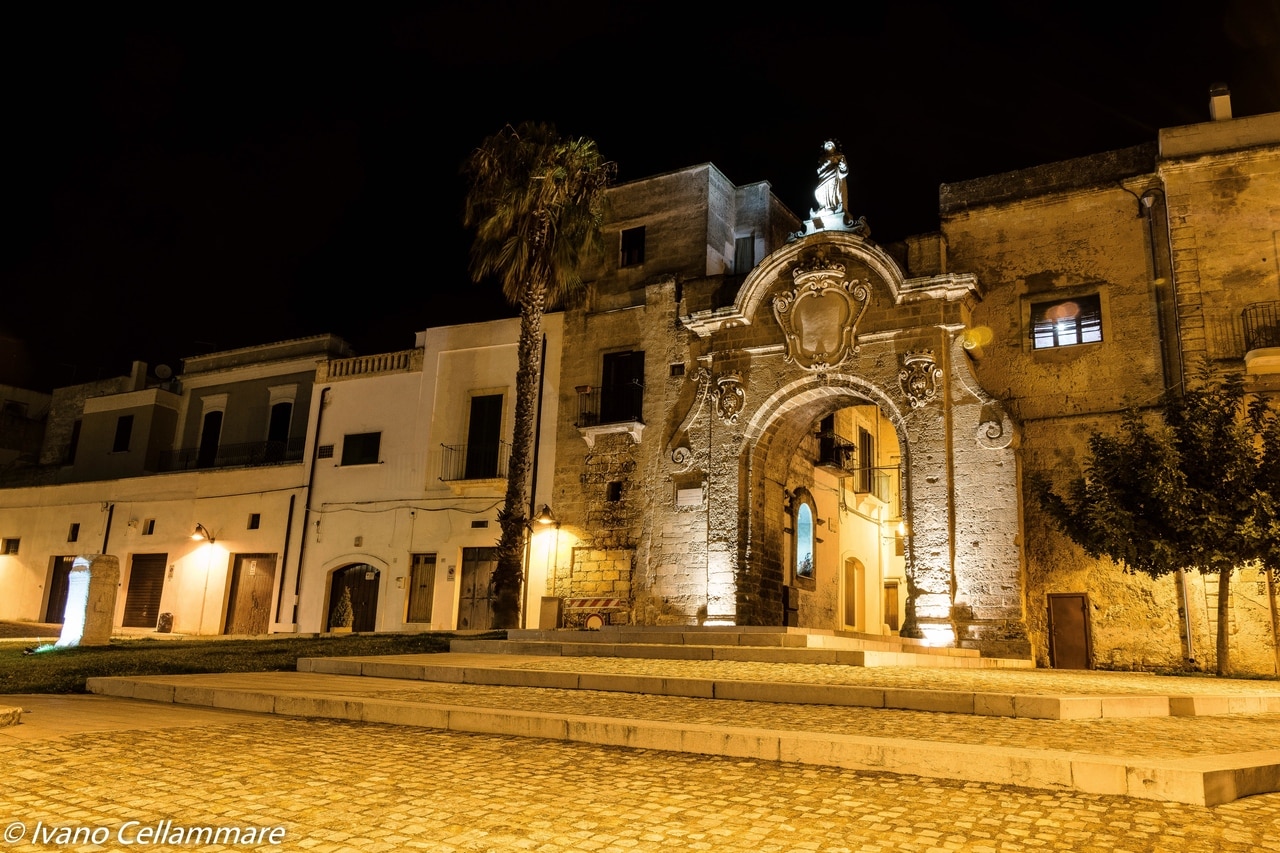
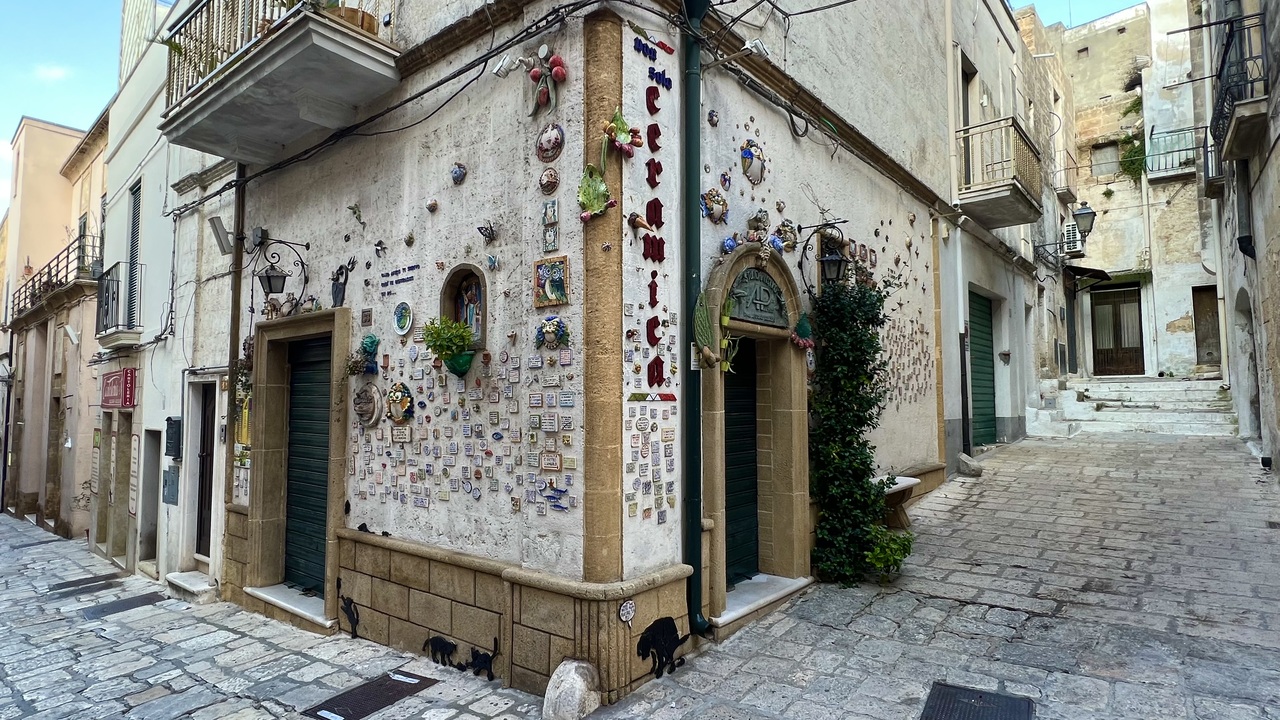
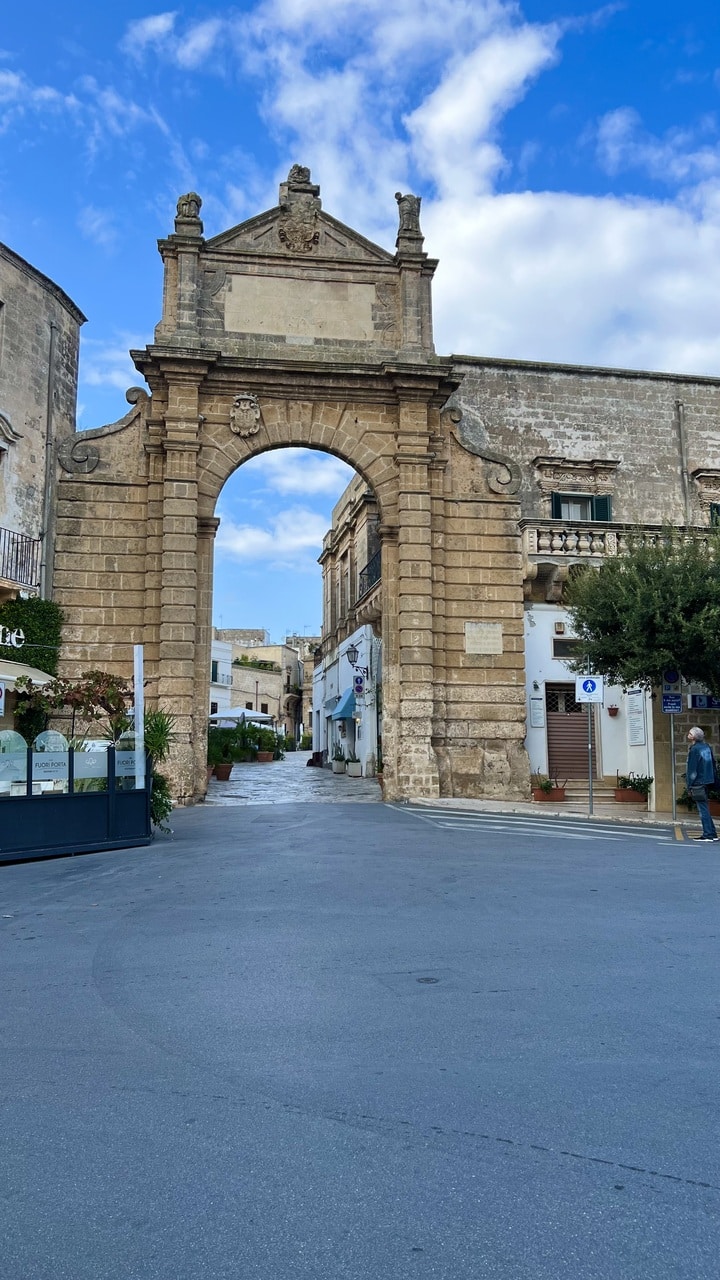
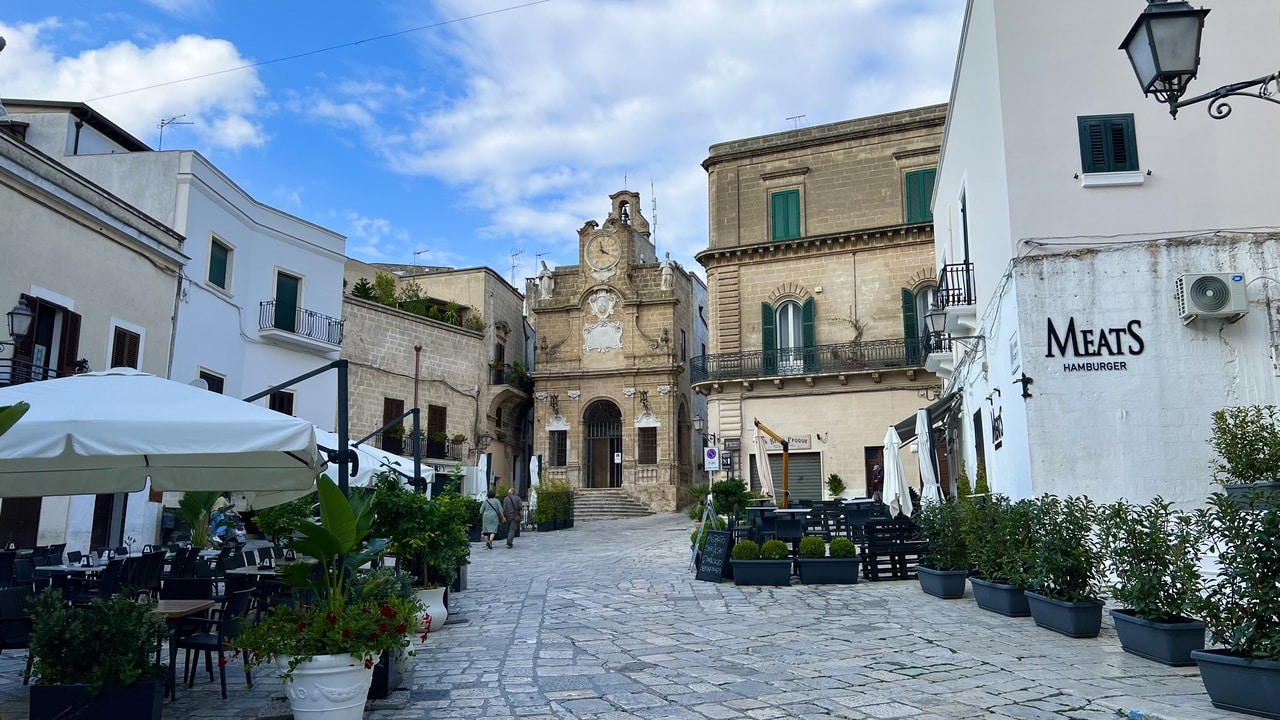
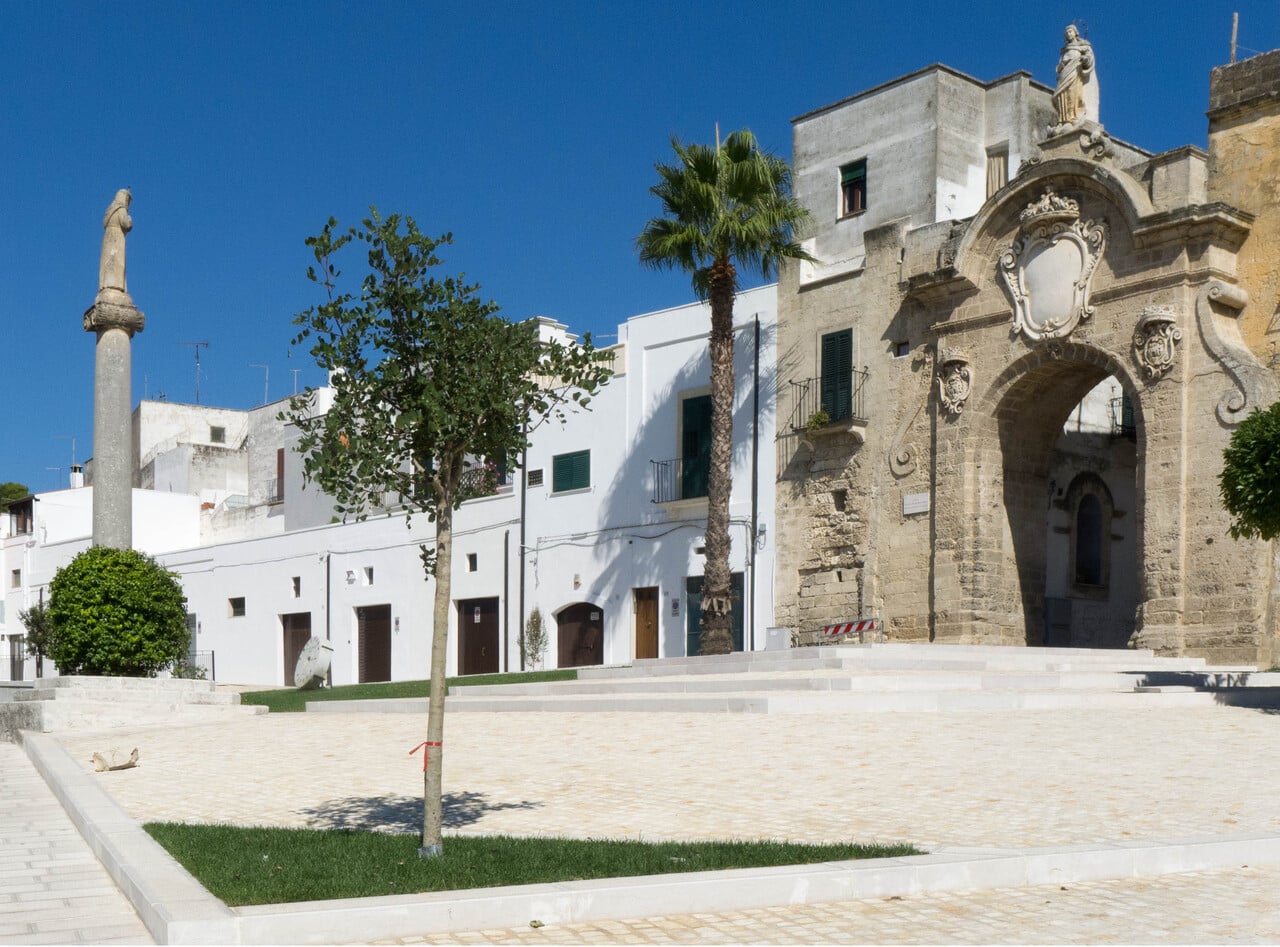
To enter the village through Porta Taranto, also known as Porta degli Ebrei, or Porta Manfredi is to take a journey through time. The medieval streets, stone courtyards, and gathered squares tell of centuries of life, encounters, and cultures. And after a walk, all that’s left to do is to be tempted by the local cuisine: orecchiette pasta with turnip tops, Apulian ragout, homemade ice cream and local wines are just some of the delights to be enjoyed.
Surroundings
Just 30 kilometers away are the turquoise waters of the Adriatic coast, with the beaches of Torre Guaceto and Specchiolla, ideal for a nature excursion. Brindisi, with its port and Roman remains, is another nearby destination not to be missed.
Oria is much more than a tourist destination: it is a city that welcomes, that tells, that excites. With its millennial history, breathtaking views, living traditions, and the authenticity of its people, it represents one of the most fascinating villages in Puglia.
Village of Oria
Municipality of Oria
Province of Brindisi
Region Puglia
Inhabitants: 15.296
Altitude center: 154 m a.s.l.
Acknowledgments
Orange Flag – Italian Touring Club
Municipality
Via Epitaffio – Tel. +39 0831 847958
BY CAR
- From Bari: Take the highway to Lecce, exit at the junction for Ostuni, cross Ostuni and then Francavilla Fontana, from which Oria is just under six kilometers.
- From Brindisi: Take state road 7 to Taranto and exit at the junction for Oria.
ON THE TRAIN
- Oria railway station
BY PLANE
- Brindisi airport
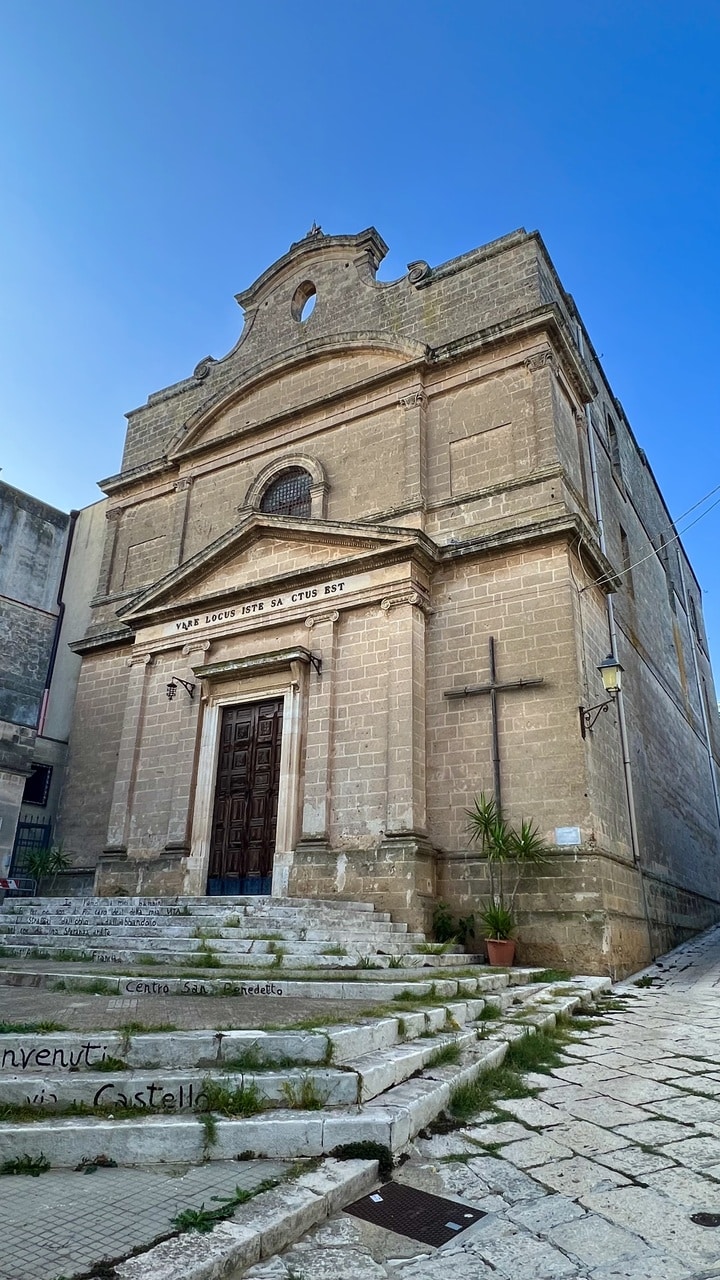
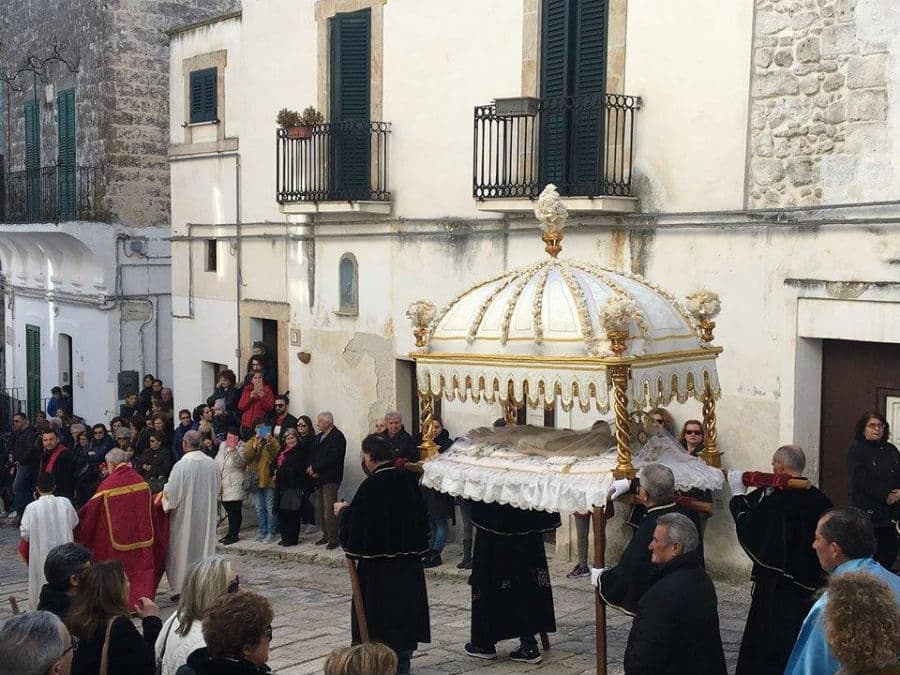
- From the month of March, every Thursday until Holy Wednesday – Procession Scenni Cristu. The statue of Jesus lying on a coffin with white canopy and flowering plumes, symbol of rebirth, is brought to shoulder from confreres of’Archconfraternity of Death dressed in black. The descent is repeated with a weekly frequency until Wednesdayì holy, when the statue falls, for l’last time with the Mysteries. The number of Thursdayì not è fixed becauseé varies according to the mobility of the feast of the Passover: if this is “Low” (in March) or if is “High” (in April). The statue is carried shoulder high up in the Cathedral. After the celebration of the Mass, the same remains exposed in the Church until Fridayì evening for the singing of the wounds, to then return to the monastery of the Benedictine nuns on Saturday morning. With reference to the origin is known for certain that when the ancient Romanesque cathedral was demolished after the earthquake of 1743, the furniture and furnishings were deposited and stored at the Monastery of Benedictine nuns. At the end of the work, the coffin of Jesus Dead remained in custody at the Benedictine Nuns. The need to expose the statue during the meditations of Friday brought to transfer in the previous afternoon, from the monastery of San Benedetto to the cathedral and this gave rise to the “Scinnuta of Cristu”.
What to see in Oria
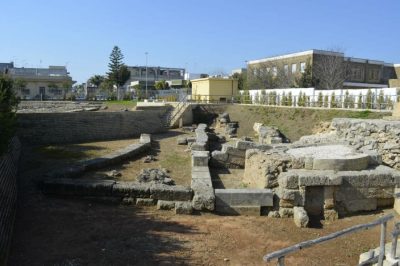
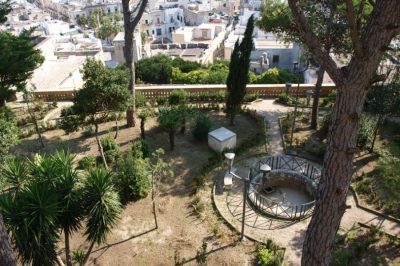
Discover what to see in Oria among monuments, scenic views, museums, churches and symbolic places of the village. A useful selection to plan your visit and explore the area.
Where to stay in Oria
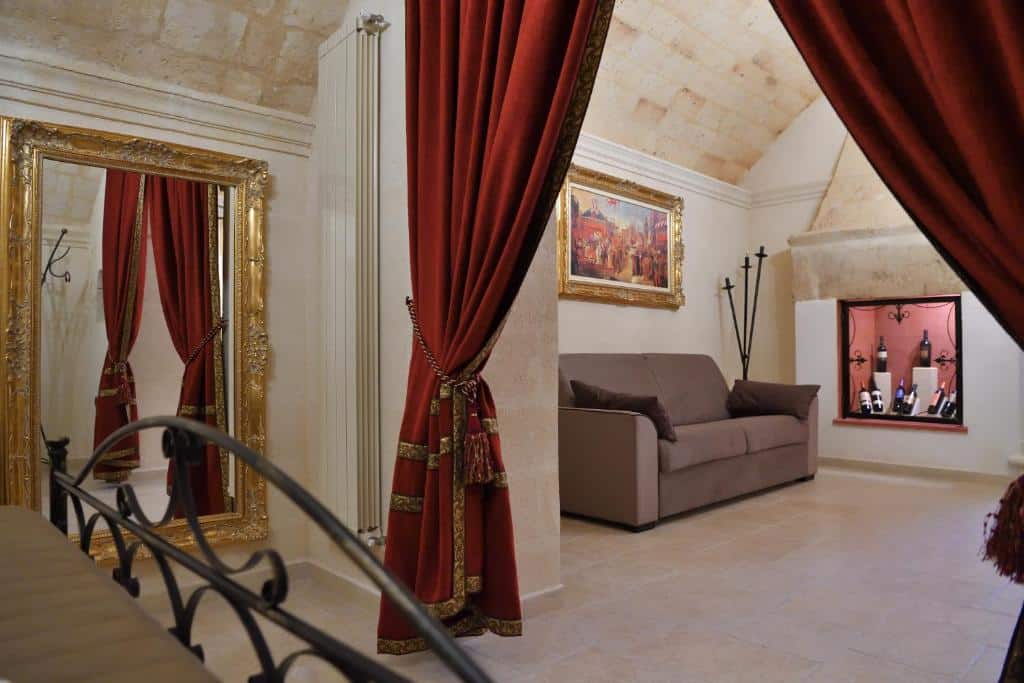
If you are looking for where to stay in Oria, you can choose from hotels, B&Bs, farm stays and holiday homes in the village and nearby, for a slower stay among landscapes, culture and authentic hospitality.
Rentals in Oria
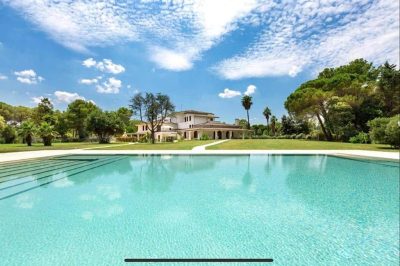
To move around and enjoy the area freely, discover rentals available in Oria and around the village.
Continue the journey
Oria is only one of the treasures of the area. Use the interactive map to discover what to visit nearby, how far the other villages are and which experiences you can enjoy along the route.
Explore the area