 Tuoro sul Trasimeno
 Montefeltro
 Francigena Film Festival
 Guided tour and tasting
 Stress-free Elba: practical tips for planning the perfect holiday
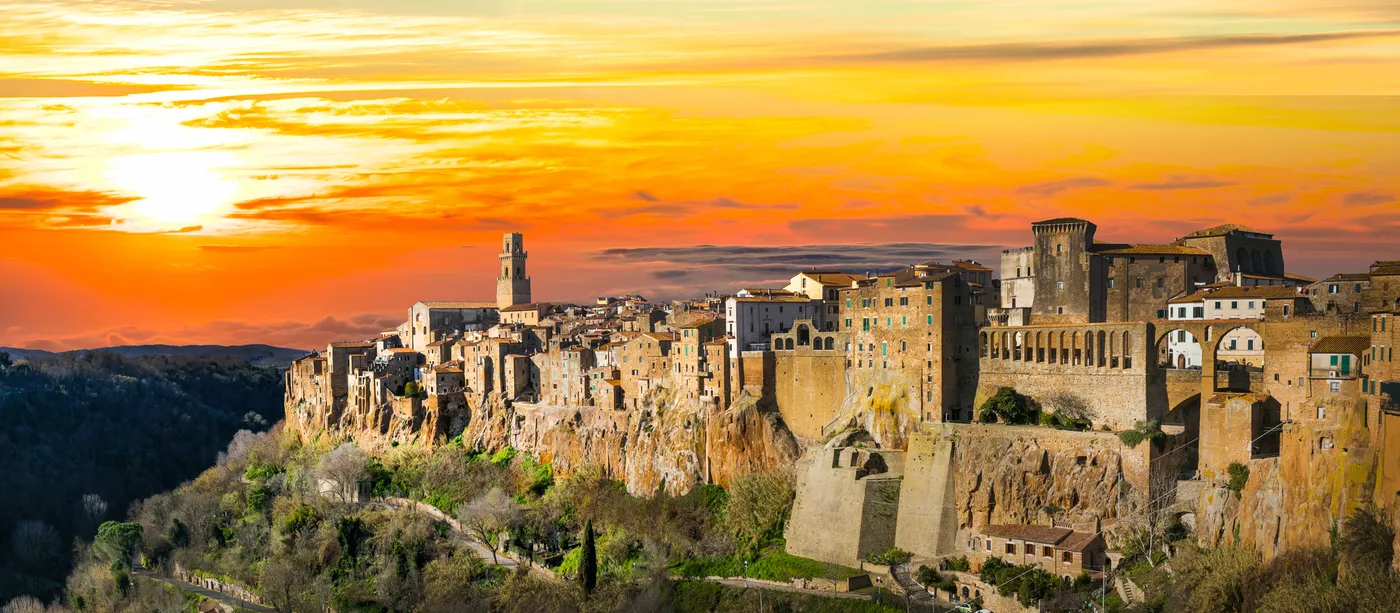
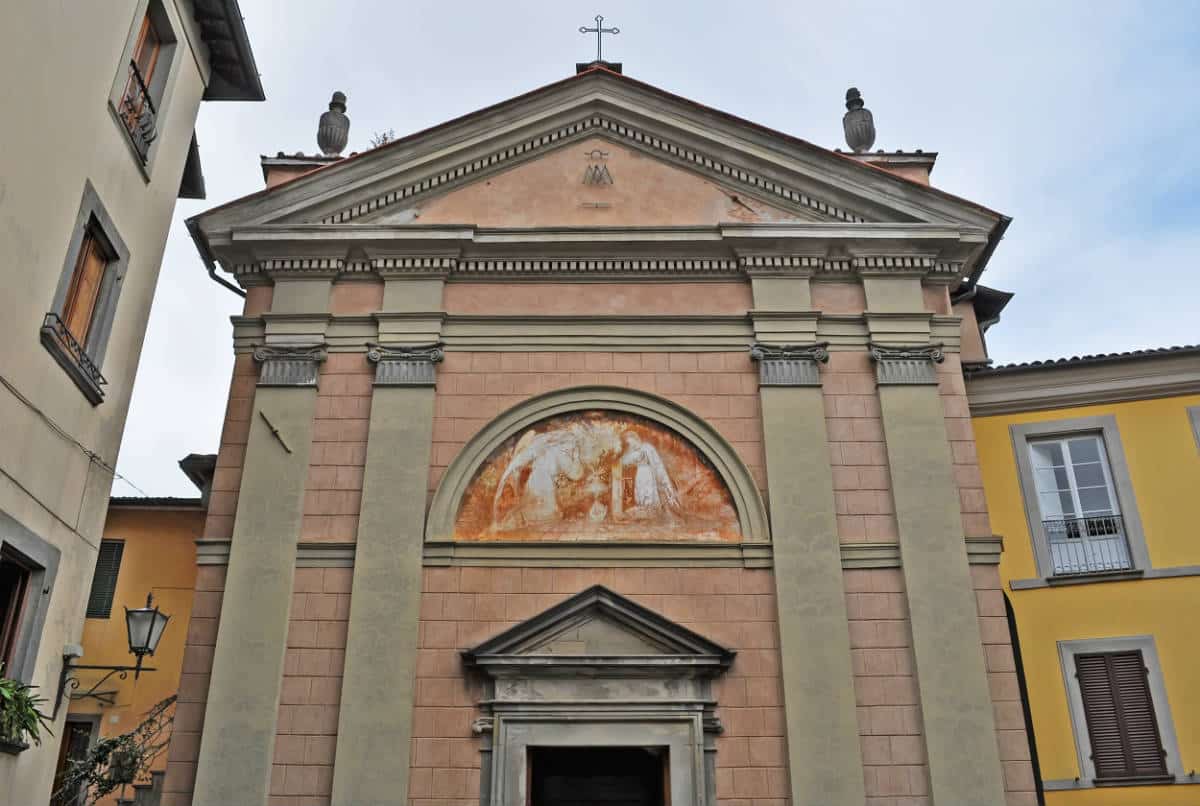
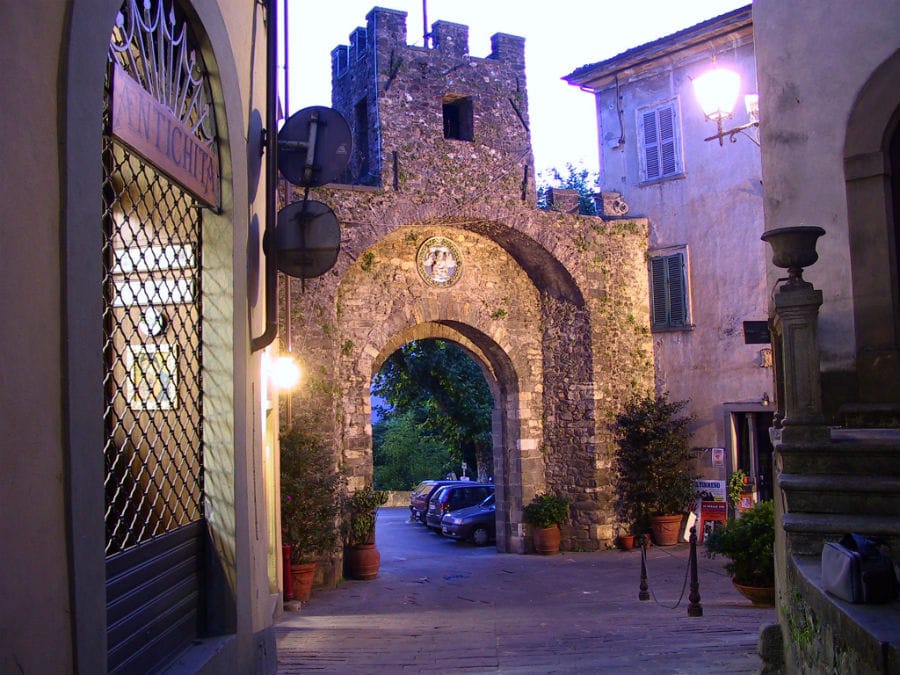
Barga, considered the most important and well-known locality of the Garfagnana, offers those who visit it really interesting cultural, architectural and religious elements. Among the most proposed buildings, we recommend: the Casa Pascoli and the Teatro dei Differenti, both linked to one of the most important characters of Italian literature ever: Giovanni Pascoli.
Photo gallery
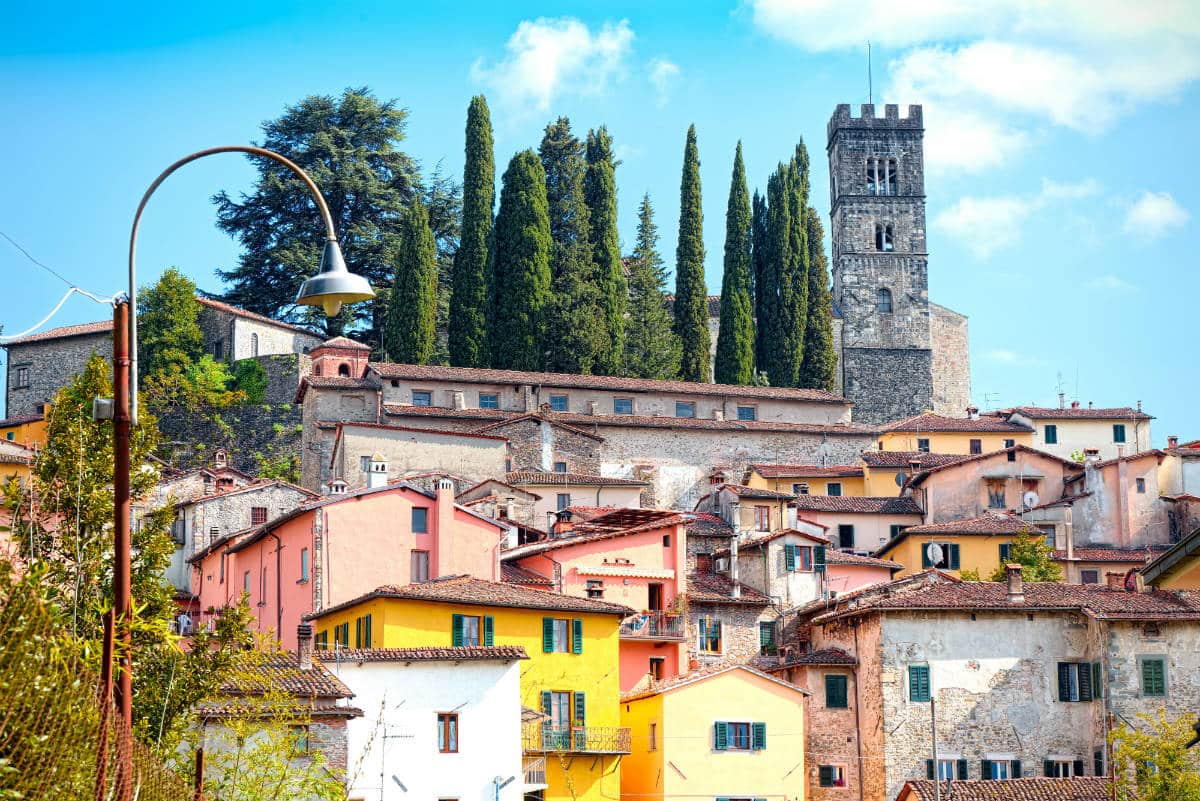

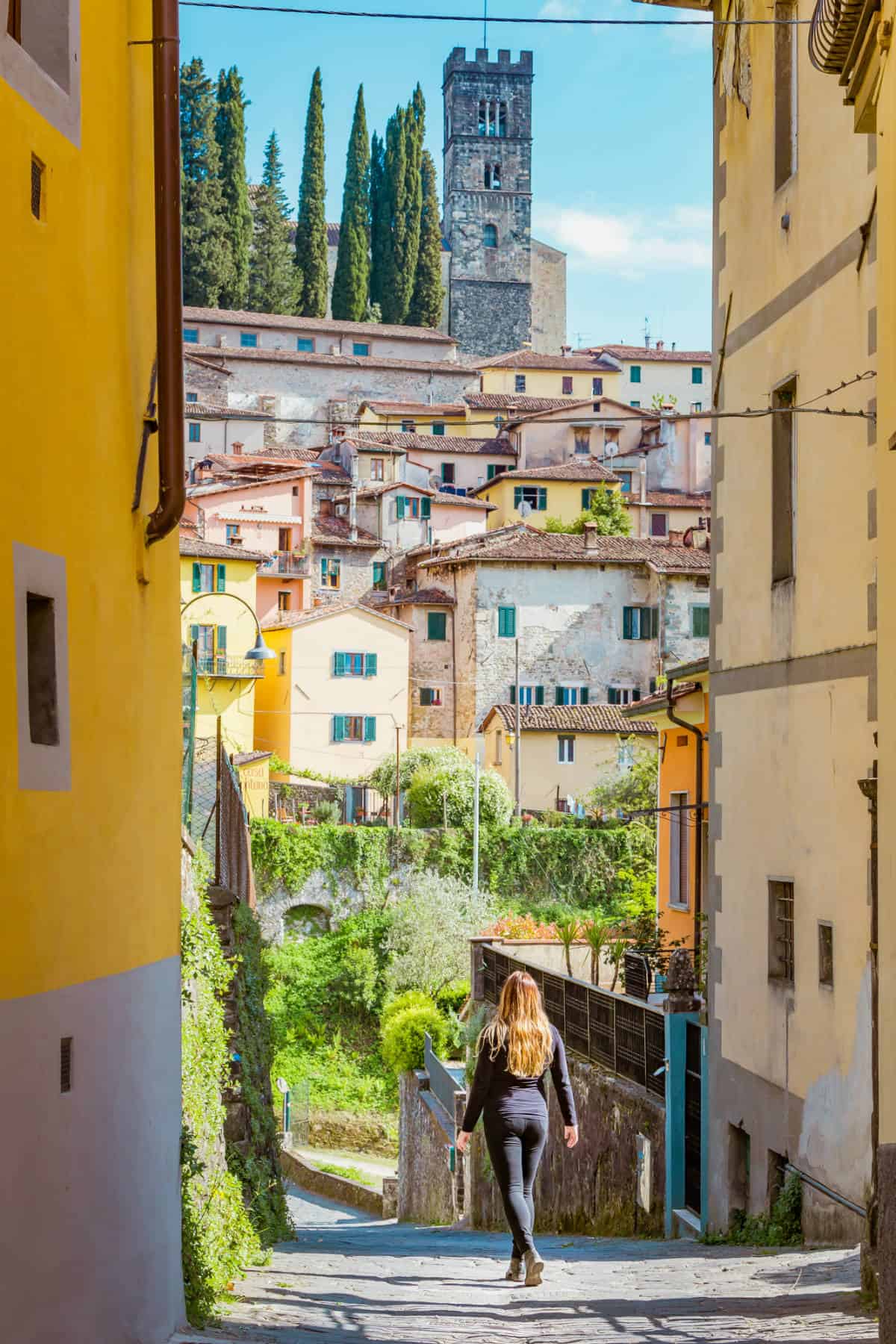
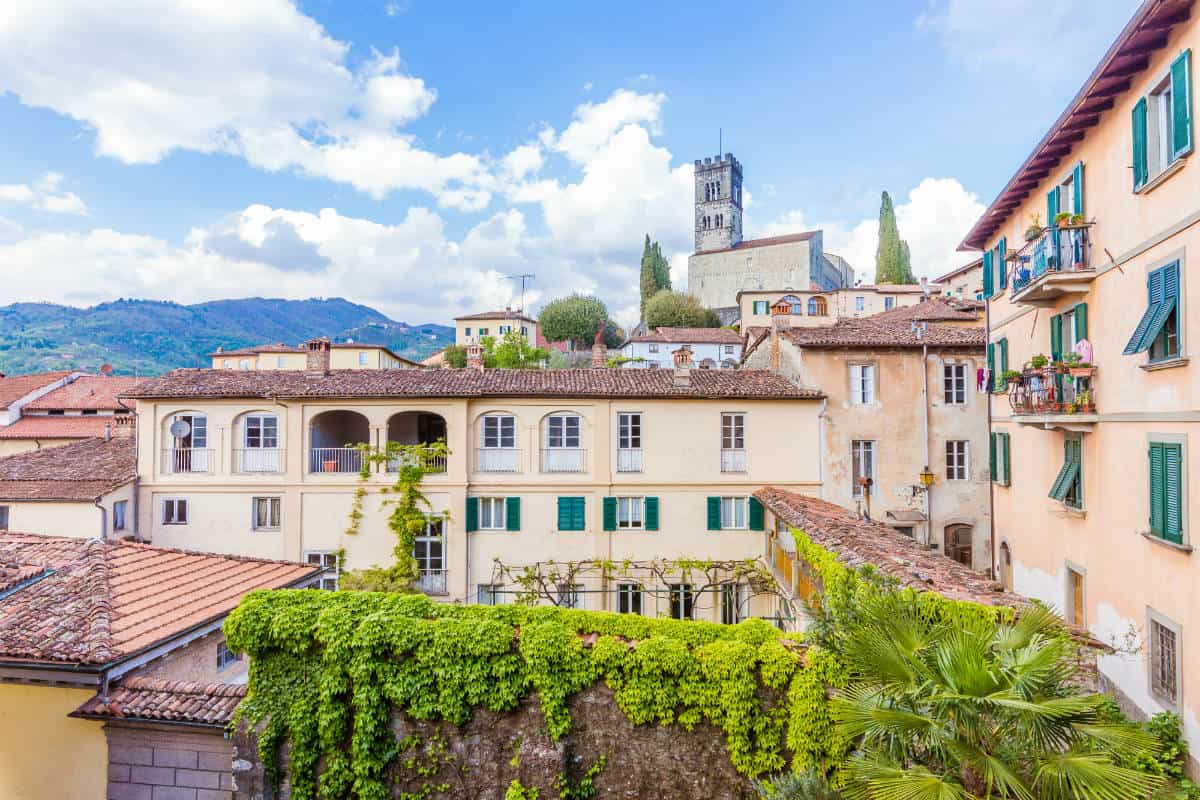
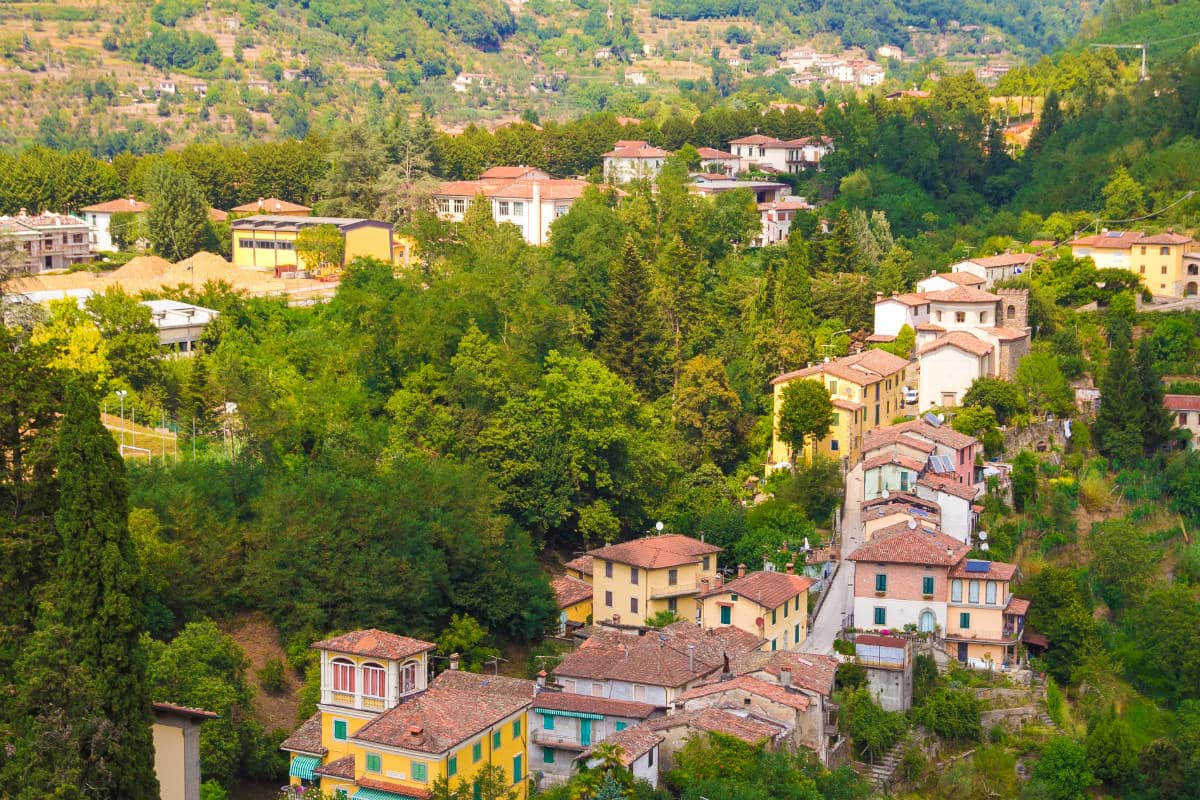
Archaeological findings document that the territory has been inhabited since the prehistory; in historical age the Ligures resided there, but was then subjugated by the Romans in the II century B.C. during their expansion towards the north. We know that Barga in the IX century was a feud of the Langobardic family Rolandinghi and subsequently, through the marquis of Tuscany, was subjected to the Empire, although keeping a broad independence. In the municipal period the territory suffered continual sieges by the Lucchesi and Pisans, until in 1341 Barga chose to submit to Florence.
This represents the period of greater splendour: the House of Medici took great interest in this area from which they benefited important raw materials and granted privileges and tax exemptions which allowed the development of flourishing commercial activities.
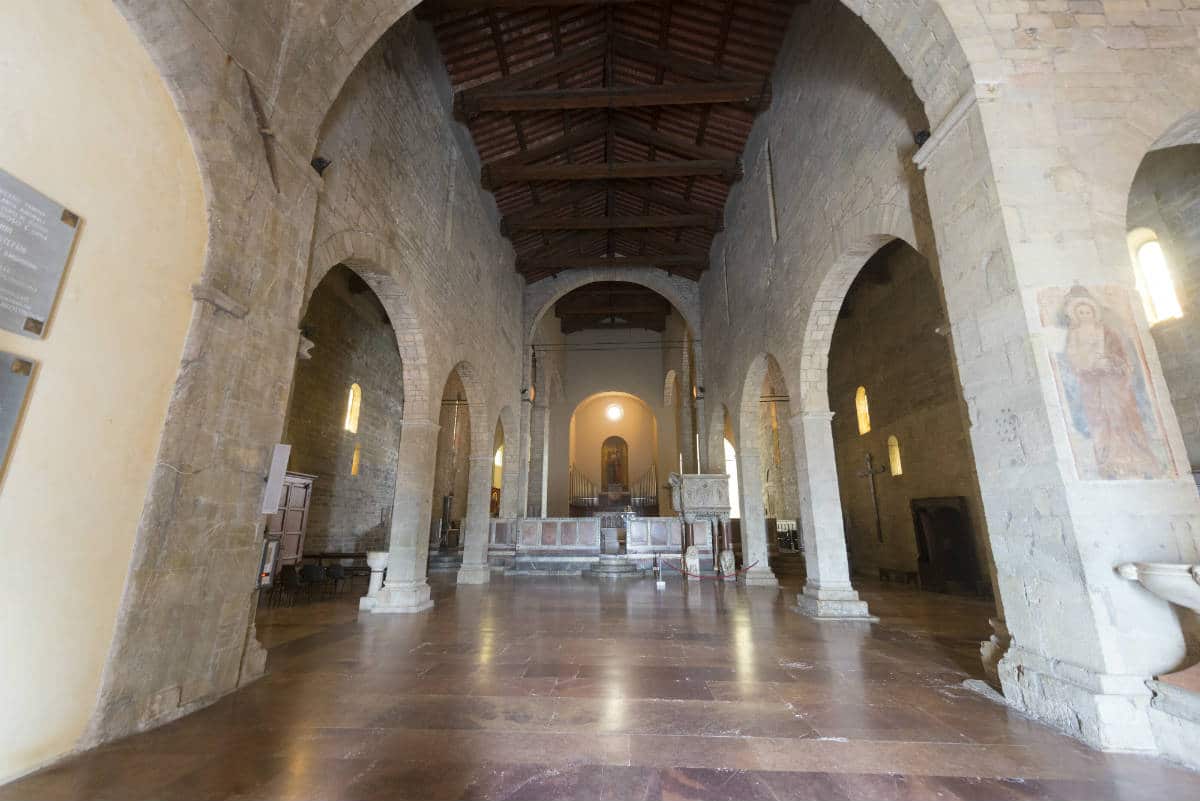
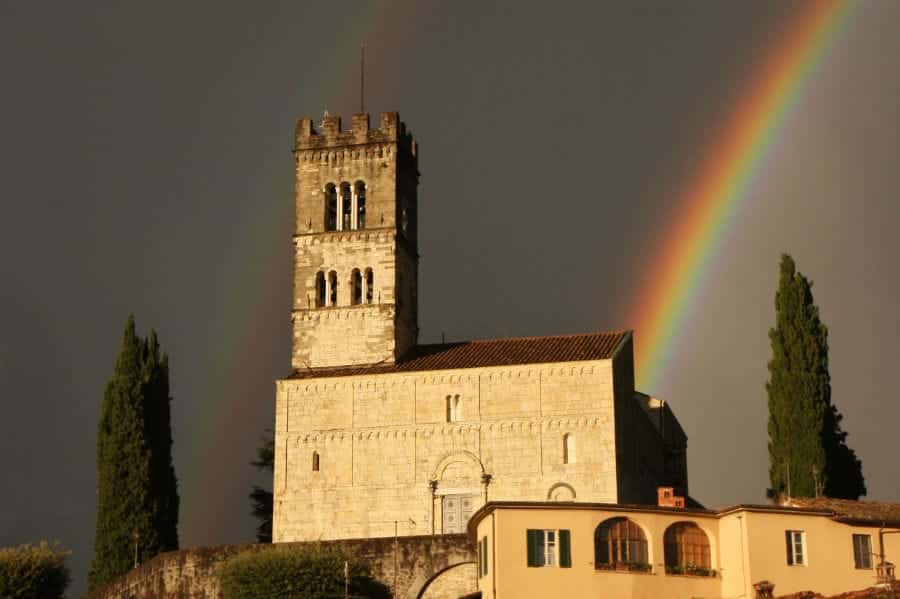
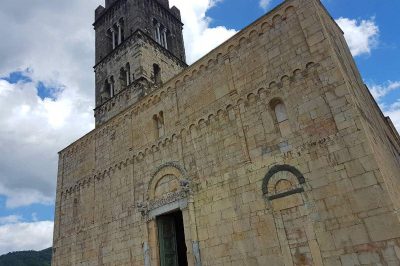
The church of San Cristoforo, the most important religious building of Barga, was built in different periods. The original construction dates back before the year 1000. In the following enlargements, architectural and decorative elements of evocative beauty that go from Romanesque to gothic style, appeared. This context is dominated by the bell tower with the ancient bells, among which the small one is dated 1580; the chiming of these bells inspired the poet Giovanni Pascoli’s poem “L’ora di Barga”. The arringo is the vast lawn between the cathedral and the Palazzo Pretorio, where people gathered as Parliament. From each side of the square, you can watch the magnificent panorama that surrounds Barga, represented by the mountains of the Pizzorne, by the Apuan Alps and the Appennines.
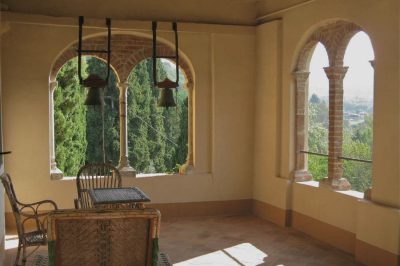
Barga is Giovanni Pascoli’s adoptive land. In the old town centre there is the Teatro dei Differenti where the poet said the famous speech “La grande proletaria s’è mossa” (1911) and on the Colle di Caprona, in the district of Castelvecchio Pascoli, you can visit the Casa Museo Pascoli. Situated on the Colle di Caprona, it was built around the middle of the XVIII century by the Cardosi Carrara family as a countryside villa and was Giovanni Pascoli’s home from 1895 to 1912. The building retains its structure, the furnishings and the arrangement of the space that were the same ones of when the poet died; here are also preserved his books and his manuscripts. Attached to the villa there is the chapel where Pascoli is buried.
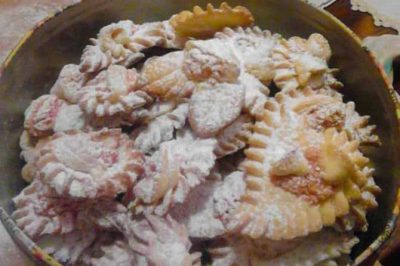
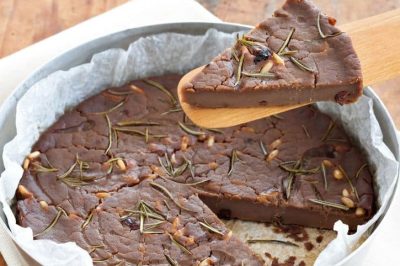
Barga cuisine is mainly based on the Florentine one, with adaptations that became inevitable for the characteristics and the typical products of the territory. Among the specialties of Florentine origin that you can easily find in Barga (unlike the rest of the Province of Lucca) there are: pane sciocco (without salt or Toscano), chicken liver crostini, ribollita, baccalà alla fiorentina, peposo alla fornacina, fagioli all’uccelletto, farinata, castagnaccio (a cake of necci in the rest of the Lucchesia), cenci, fried necci, schiacciata toscana (focaccia in the rest of the Lucchesia) and the zuccotto. There have been, over the centuries, various influences of the Lucchese, Garfagnana and Pisan cuisine, that you can find in the following dishes: crostini with vegetable sauces, Frantoiana soup, spelt soup, pappardelle al cinghiale, grilled trout, manafatoli, local pork salami, local pecorino and goat cheese, a variety of fried fresh vegetables and buccellato with raisins.
Village of Barga
Municipality of Barga
Province of Lucca
Tuscany Region
Population: 9.606 barghigiani
Altitude centre: 410 m s.l.m.
the Municipality is part of:
I borghi più belli d’Italia
Città slow
Unione Media Valle del Serchio
Acknowledgments
Orange Flag – Italian Touring Club
Municipality
Via di Mezzo 45 – Tel. +39 0583 72471
BY CAR
- From the North: Take the A1 highway, follow the La Spezia – Parma Ovest direction, continue on the A15 highway and follow the Genova – Livorno direction, continue on the A12 highway, in Viareggio follow the Lucca – Florence direction, continue on the highway A11 Firenze – Mare, exit at Lucca Est, pass through Lucca, Borgo a Mozzano, Calavorno, Fornaci di Barga, take the SS 445 and continue towards Barga.
- From the South: Take the A1 highway, follow the Livorno direction, continue on the A11 Firenze – Mare highway, exit at capannori, continue on the SS 439, cross Pieve San Paolo, Lucca, Borgo a Mozzano, Calavorno, Fornaci di Barga, take the SS 445 and follow in the direction of Barga.
ON THE TRAIN
- Barga railway station
BY PLANE
- Pisa Airport
- Florence Airport
- Weekly Market: every friday, in Via Dante and every saturday, in Piazza Campo Palio, Piazza Libertà and in Via Giardino Mordini.
What to see in Barga
Discover what to see in Barga among monuments, scenic views, museums, churches and symbolic places of the village. A useful selection to plan your visit and explore the area.
News and stories about “Barga”
Insights and stories from the area, to keep discovering.