
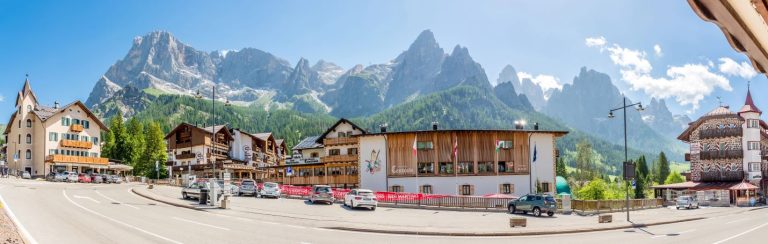
 San Martino di Castrozza
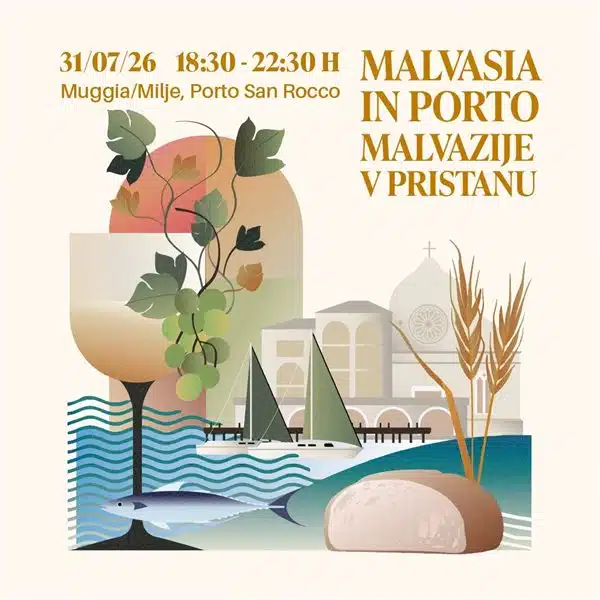 Malvasia in Porto 2026
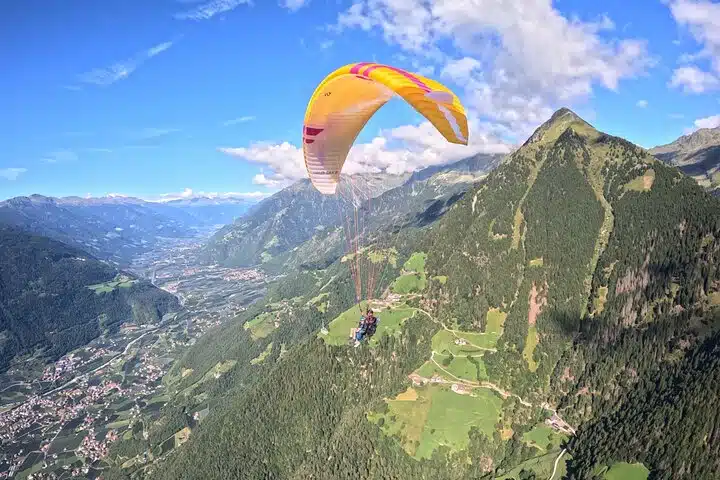 Tandem paragliding flights in Tirolo and Merano: the thrill of flying over the Alps
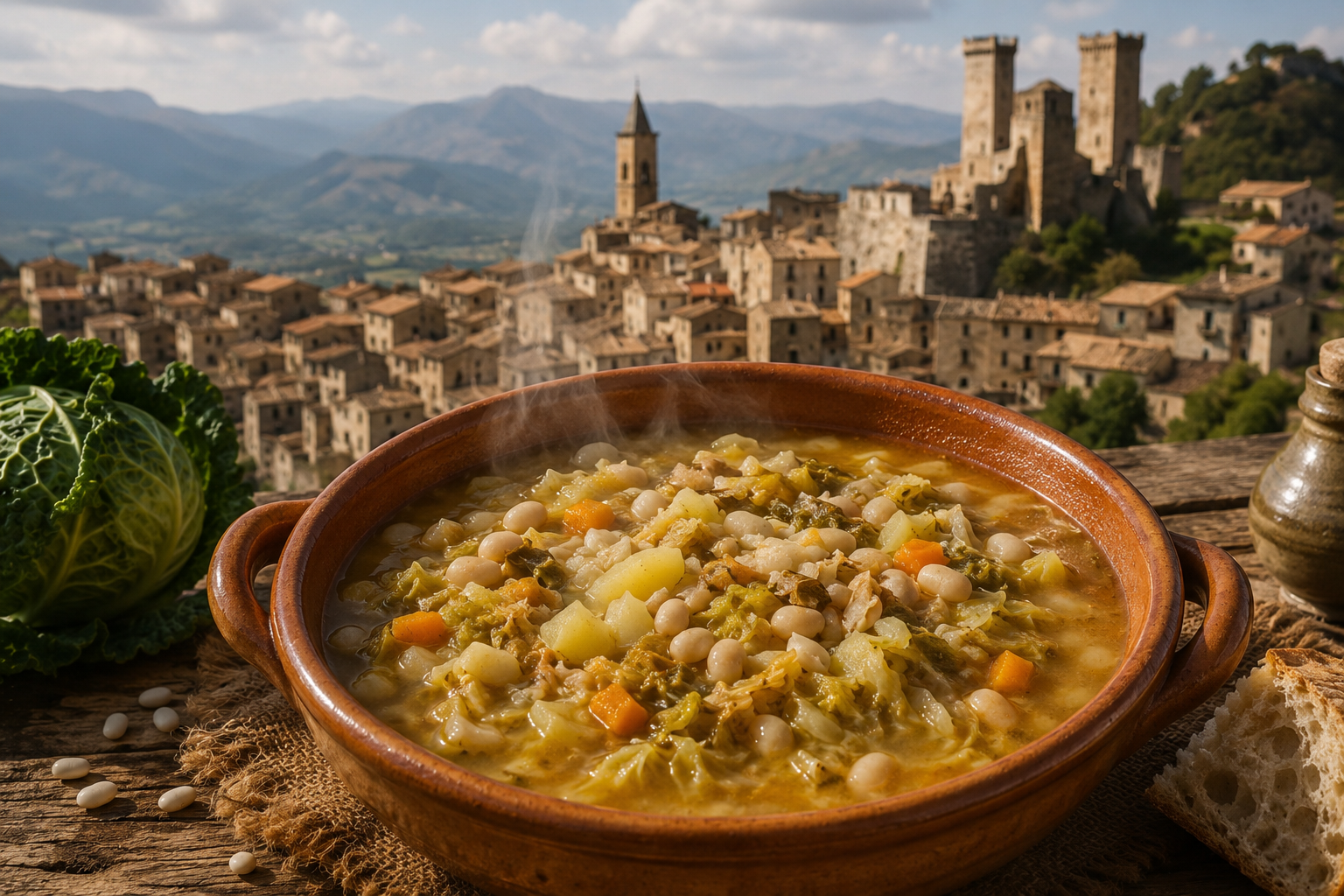 Recipe: Polta di Pacentro, the peasant dish that symbolises the traditions of Abruzzo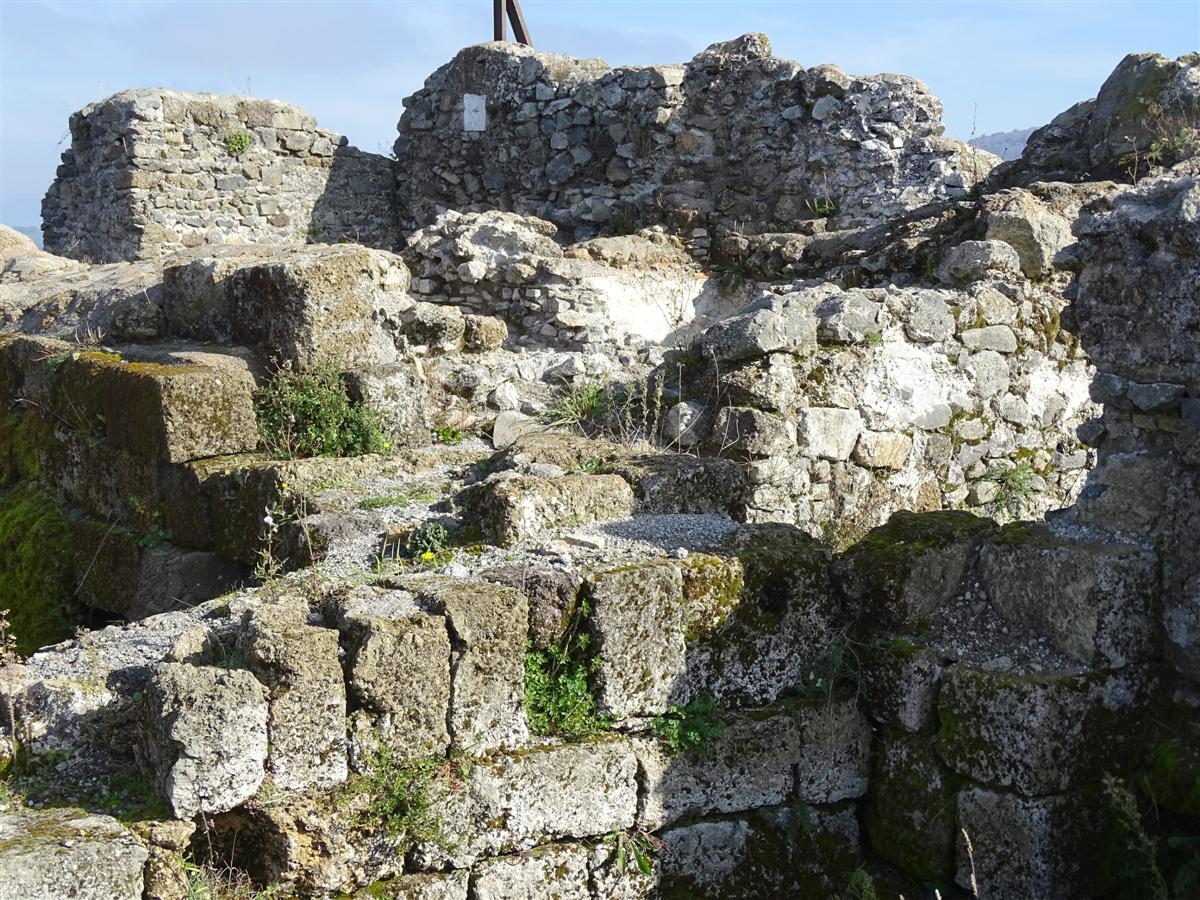
Perched high in the Castelli Romani hills, the Papal Fortress of Rocca di Papa occupies a spectacular position that has ensured it a strategic role of primary importance for centuries. Situated at an altitude of over 750 metres, at one of the highest vantage points in the area, it still offers an extraordinary view today, stretching from the woods of the Alban Hills to the Tyrrhenian Sea, taking in much of the Roman countryside.
The site’s origins, however, date back to a much more distant past than the medieval fortress. The area was in fact already considered sacred in Latin and Roman times, as it lay near the ancient Arx Aesulana, linked to the cult of Jupiter Laziale on nearby Monte Cavo. For centuries, this place represented one of the most important religious centres of ancient Latium, before Rome’s definitive rise to prominence.
The fortress itself was built in the 12th century at the behest of Pope Eugene III, and quickly came to play a key role in controlling the Castelli Romani and the communication routes linking Rome to the surrounding territories. It was the Pope’s stay there that gave rise to the village’s current name, which has since been known as Rocca di Papa.
Over the centuries, the fortress was at the centre of struggles between some of Rome’s most powerful noble families. The Annibaldi, Colonna, Orsini, Caetani and Borgia families vied for control of this important military stronghold, transforming it into one of the most coveted bastions of the Roman countryside. Thanks to its commanding position, the castle was particularly difficult to capture and served as an effective observation and defence point.
However, its strategic function came to an end in the 16th century. In 1541, the complex suffered severe damage during the military campaigns of Pier Luigi Farnese, and a few years later Pope Paul III ordered its demolition. From that moment on, the fortress gradually lost its importance and was used as a quarry for building materials. Neglect and the passing of the centuries led to the burial of much of the original structures.
It is only through recent archaeological excavations that important evidence of the ancient fortified complex has been unearthed. Archaeologists have uncovered sections of the walls, defensive structures and numerous artefacts that belonged to the families who ruled the castle, including the Annibaldi, Orsini and Colonna families. These discoveries have restored the historical significance of one of the most important medieval sites in the Castelli Romani.
Today, the Pontifical Fortress is a charming open-air archaeological park that allows visitors to retrace over two thousand years of history, from ancient Latin and Roman settlements to medieval and Renaissance events. A visit allows you to admire the remains of the fortifications and, above all, to enjoy one of the most spectacular views in the whole of Lazio, with the vista reaching as far as Rome, the coastline and the sea on the clearest days.
The site continues to be enhanced thanks to the efforts of volunteers from the Gruppo Archeologico Latino, who have helped to restore to the community a place capable of recounting the deepest roots of Rocca di Papa and the entire Castelli Romani area.