
 San Martino di Castrozza
 VIVA! Festival 2026
 Tandem paragliding flights in Tirolo and Merano: the thrill of flying over the Alps
 Recipe: Polta di Pacentro, the peasant dish that symbolises the traditions of Abruzzo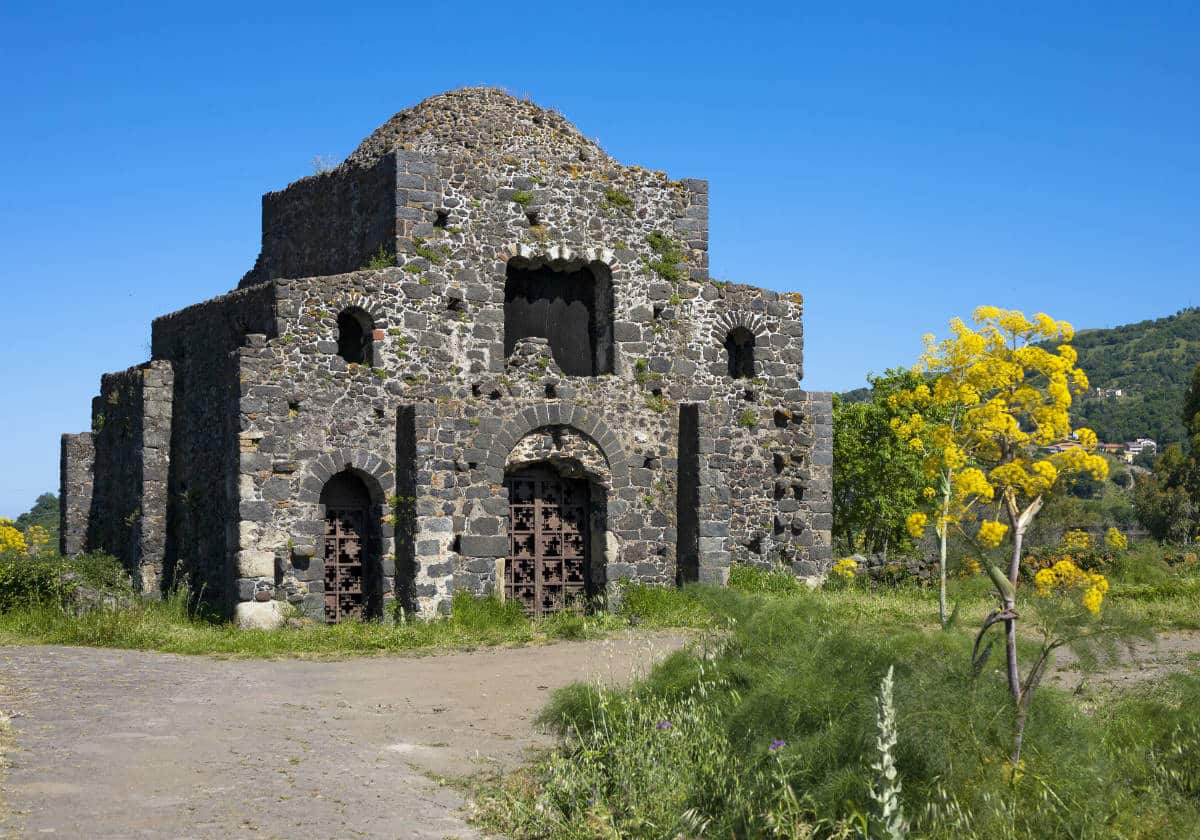
Nestled in the countryside near the River Alcantara, the Cuba di Santa Domenica is one of the most fascinating and mysterious monuments of medieval Sicily. Located in the municipality of Castiglione di Sicilia, this ancient rural chapel dates back to the period between Islamic and Norman rule, between the 10th and 11th centuries, and stands as an extraordinary testament to the meeting of different cultures in the Mediterranean.
Known to locals as ’a cubula, the structure was declared a national monument in 1909 thanks to the research of the historian Sebastiano Agati, who recognised its exceptional historical and architectural value. The building is distinguished by its strictly geometric layout, based on cubic forms that incorporate elements typical of Byzantine and Islamic architecture.
The chapel has a square plan organised in a Latin cross layout, with a central dome and a single apse facing east. Light enters through a mullioned window which, according to tradition, allowed the glow of the full moon to filter through during the Easter Vigil, symbolically marking the beginning of Easter.
The façade, simple yet monumental, is punctuated by imposing buttresses and archaic portals known as ‘nail-head’ portals. It was originally adorned with a large three-light window decorated with alternating bands of lava stone, brick and limestone, elements that reflect the influences of Arab-Norman art.
Inside, the building’s unique character is fully apparent: the central nave is covered by a striking pseudo-muqarnas vault, an interlacing of ribs reminiscent of Islamic architecture and one of the Cuba’s most original features. Flanking this space are the side aisles, divided into bays with cross vaults, whilst the transept leads to the single eastern apse.
The interiors were once decorated with Byzantine-style frescoes, now sadly lost, which must have helped to create an atmosphere rich in spirituality and charm. Traces of the original plasterwork remain, however, still capable of evoking the building’s complexity and refinement.
The Cuba di Santa Domenica is now considered one of the most important examples of Sicilian-Byzantine architecture, a place where Eastern influences, Christian tradition and medieval heritage converge, set amidst one of the most spectacular landscapes of the Alcantara Valley.