 San Martino di Castrozza
 VIVA! Festival 2026
 Tandem paragliding flights in Tirolo and Merano: the thrill of flying over the Alps
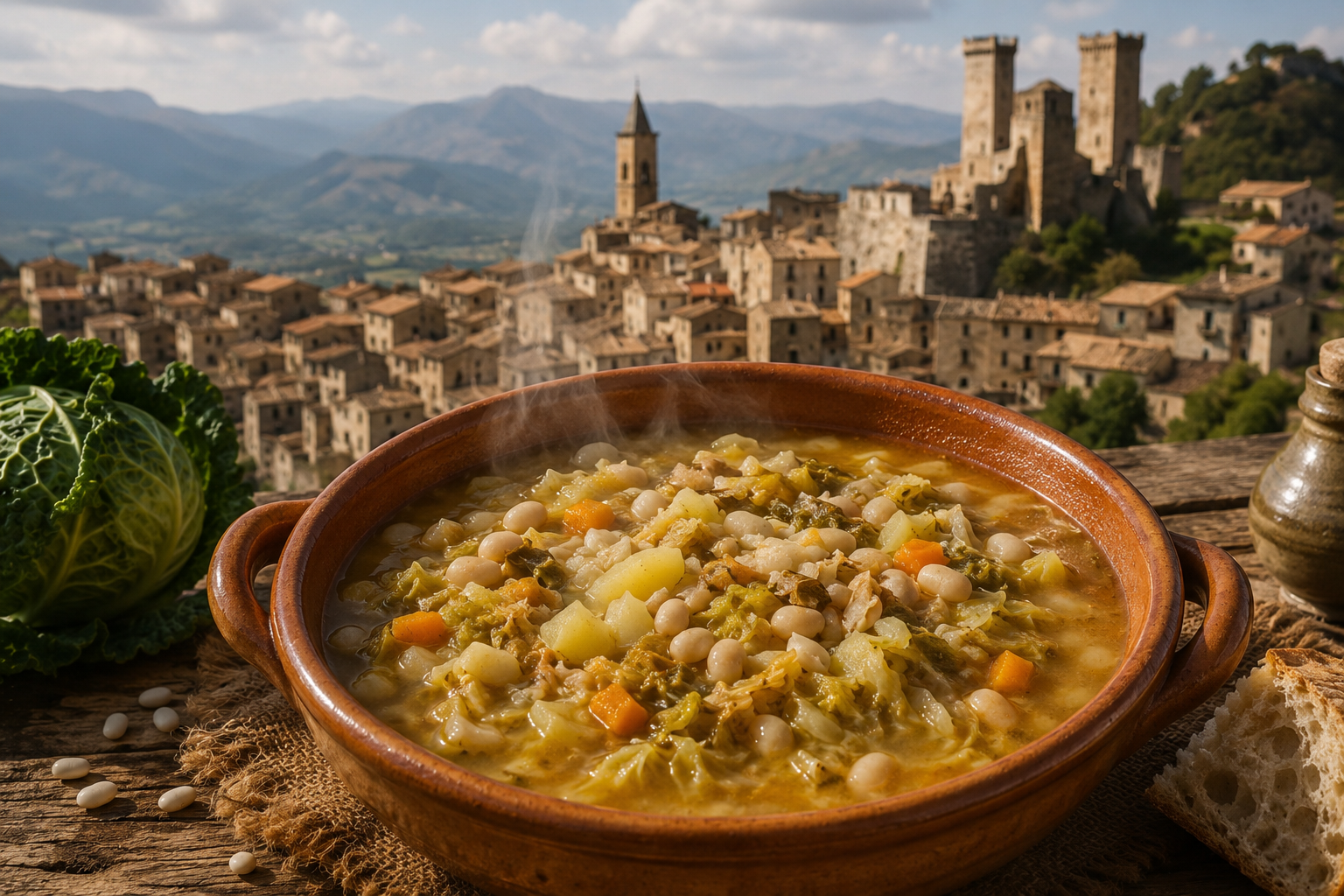 Recipe: Polta di Pacentro, the peasant dish that symbolises the traditions of Abruzzo
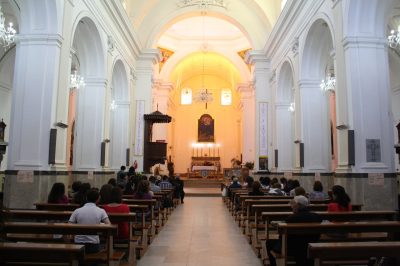
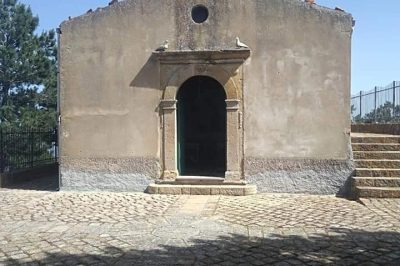
The Church of San Carlo Borromeo in Castel di Lucio is one of the most significant places of worship in this village near Messina, closely linked to the religious history and traditions of the local community.
Built in the early 17th century, coinciding with the spread of the cult of St. Charles Borromeo, the church was the seat of the Confraternity of the same name, established in the first half of the 17th century at the behest of several aristocratic families from Castel di Lucio. The building was subsequently rebuilt in 1750, taking on the appearance that it largely retains to this day.
The façade, simple yet elegant, is adorned with a refined portal, whilst the interior is set beneath a spectacular barrel vault decorated with stucco work and 19th-century frescoes by Salvatore de Caro. The paintings depict biblical scenes framed by stucco decorations, creating a harmonious whole of great visual impact.
The church houses numerous works of art, many of which were created by local master cabinetmakers. Among these, the altar of the Holy Spirit by Antonino Stimolo and the octagonal pulpit by Nicolò Campo stand out. Of particular interest is also an ancient 17th-century oil-painted altar frontal, decorated with floral motifs and a basket of fruit, the only surviving example in the town.
Among the most striking paintings is a large 17th-century canvas depicting Saint Charles in a penitential pose during the plague of Milan. A curious detail is the saint’s foot, which is deliberately disproportionate: according to some interpretations, this choice serves to highlight the noble coat of arms at the base, which probably belongs to the Cannizzaro family, the ancient lords of the area.
The church also houses the banners of the confraternities and an ancient register of members, precious testimonies to the religious and social life of the past.
Even today, the Church of San Carlo Borromeo remains at the heart of local traditions: at the start of Lent, it hosts the evocative ‘Quarantore’, Eucharistic celebrations characterised by spectacular decorations made from citrus fruits, a symbol of the region’s identity.
Thanks to recent restoration work, partly funded by the 8xmille scheme, the building has regained its splendour, bringing to light hidden features such as a staircase leading to the crypt. Today it stands as a place where art, faith and tradition intertwine, telling the story and identity of Castel di Lucio.