 San Martino di Castrozza
 VIVA! Festival 2026
 Tandem paragliding flights in Tirolo and Merano: the thrill of flying over the Alps
 Recipe: Polta di Pacentro, the peasant dish that symbolises the traditions of Abruzzo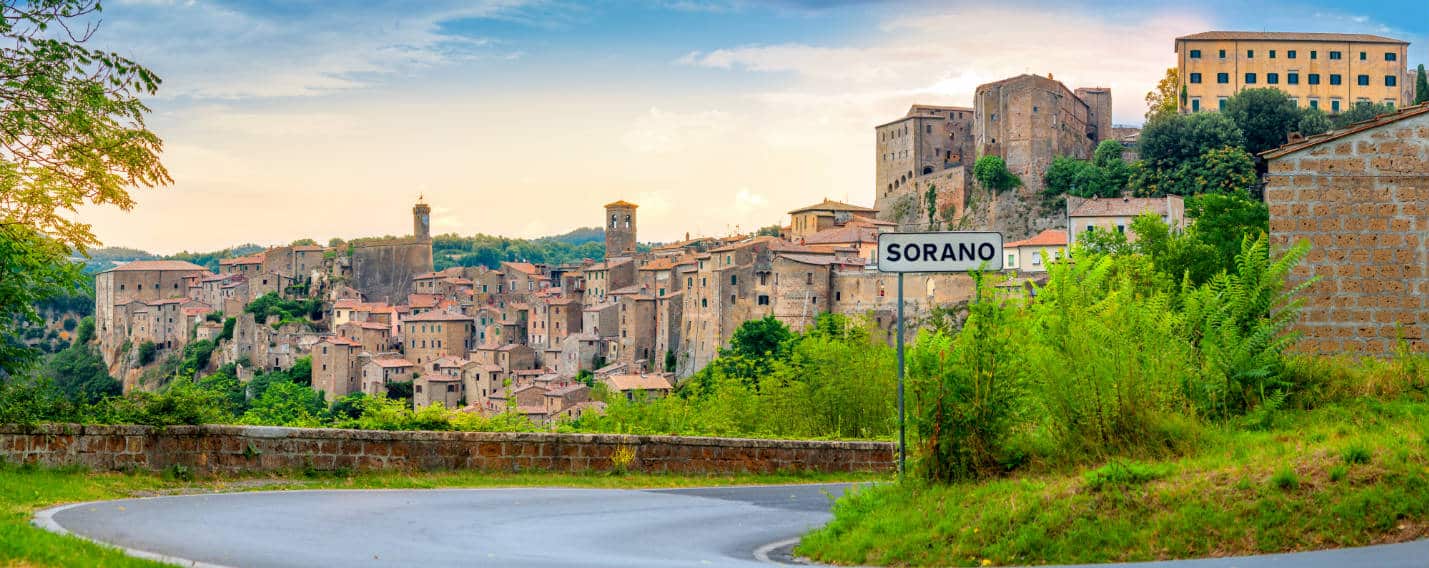
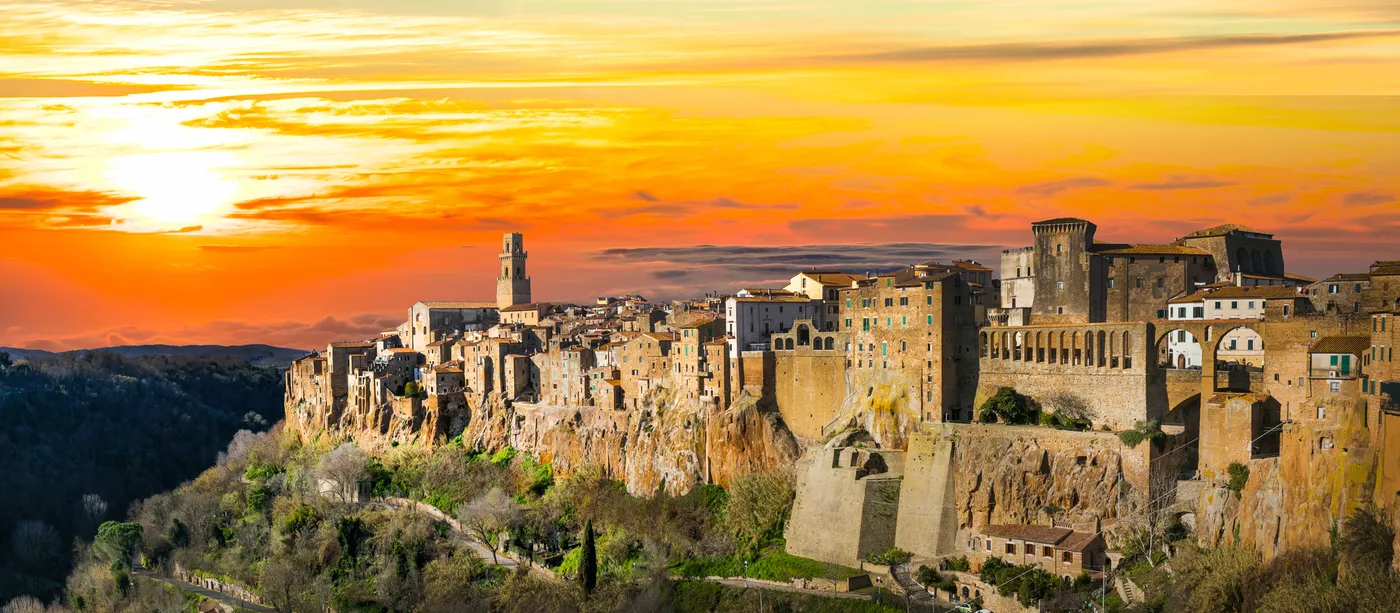
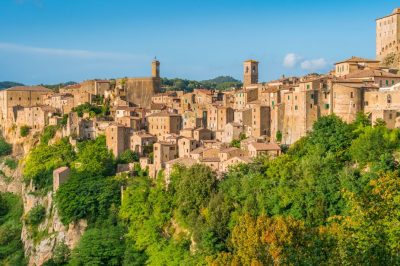
The village of Sorano, in Maremma, is defined the Matera of Tuscany, for its particular characteristic of urban planning numerous buildings cave dug into the tufa. Its territory lies in the eastern part of the area del Tufo. A series of thermal springs, known as Terme di Sorano, gush out along a creek which flows about 3-4 km south of the city center.
Photo gallery
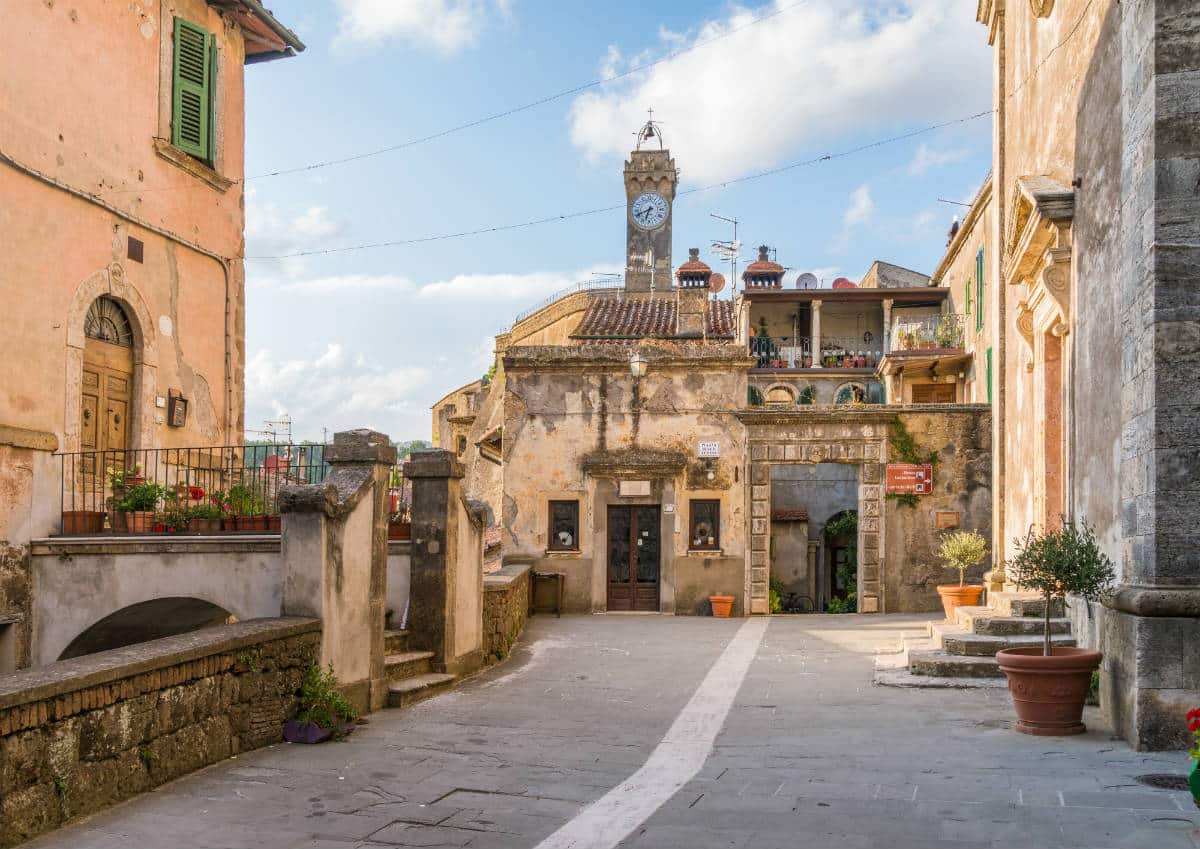
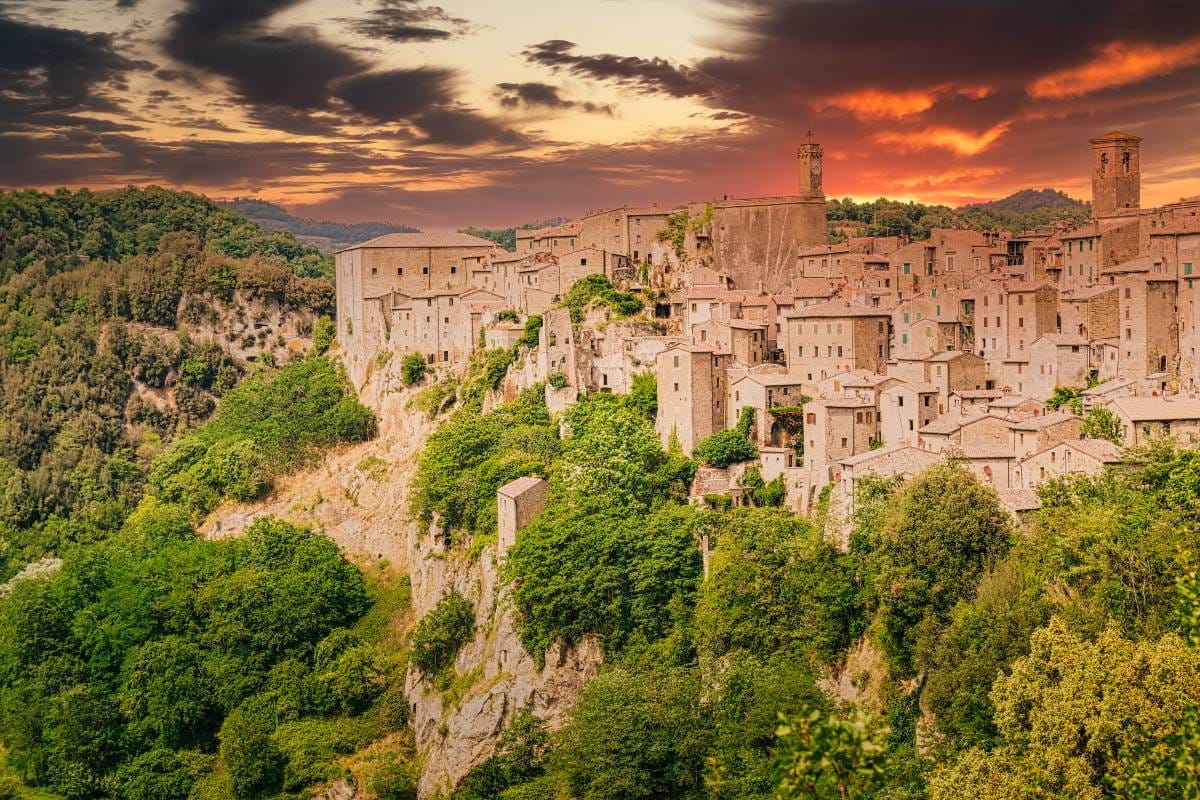
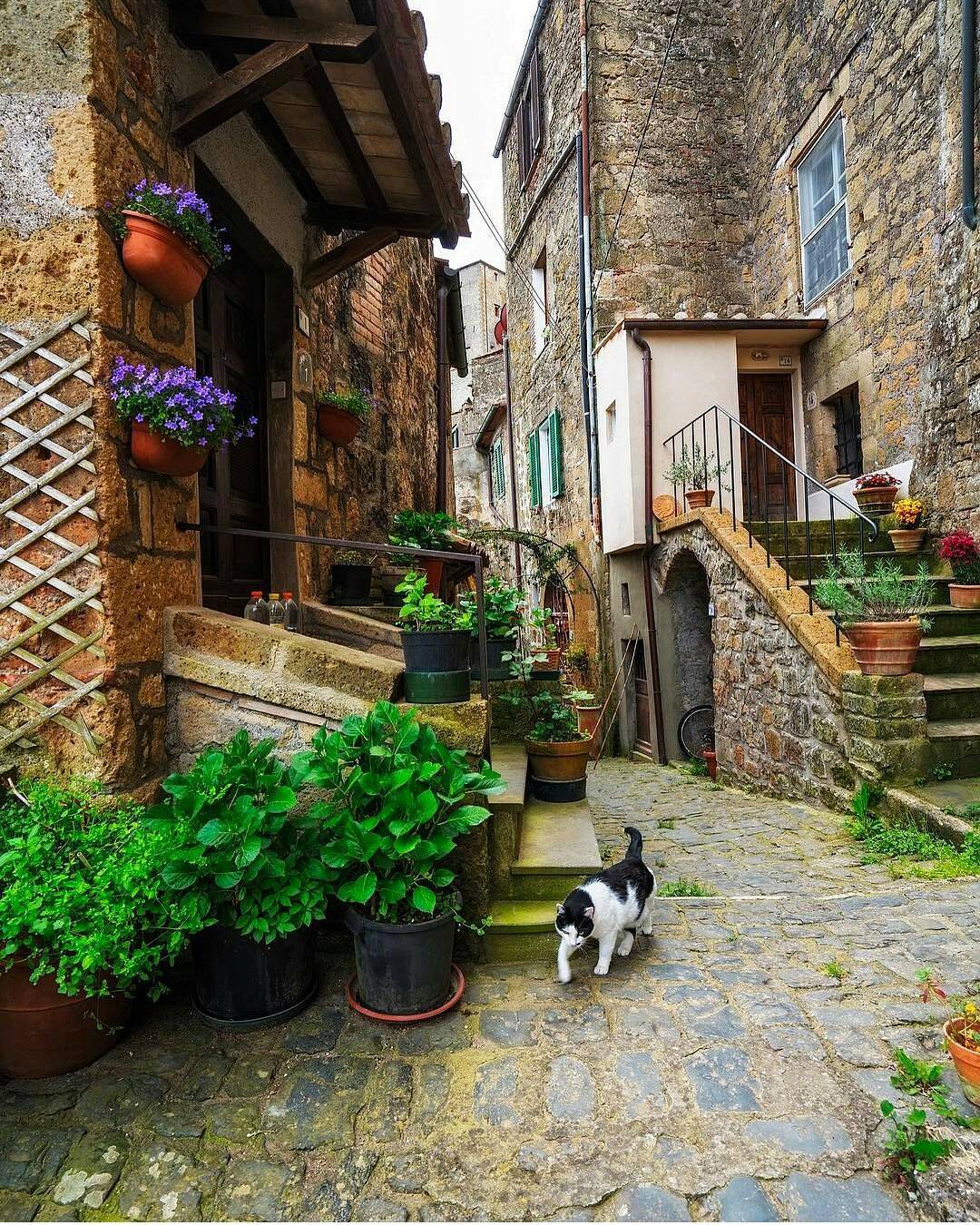

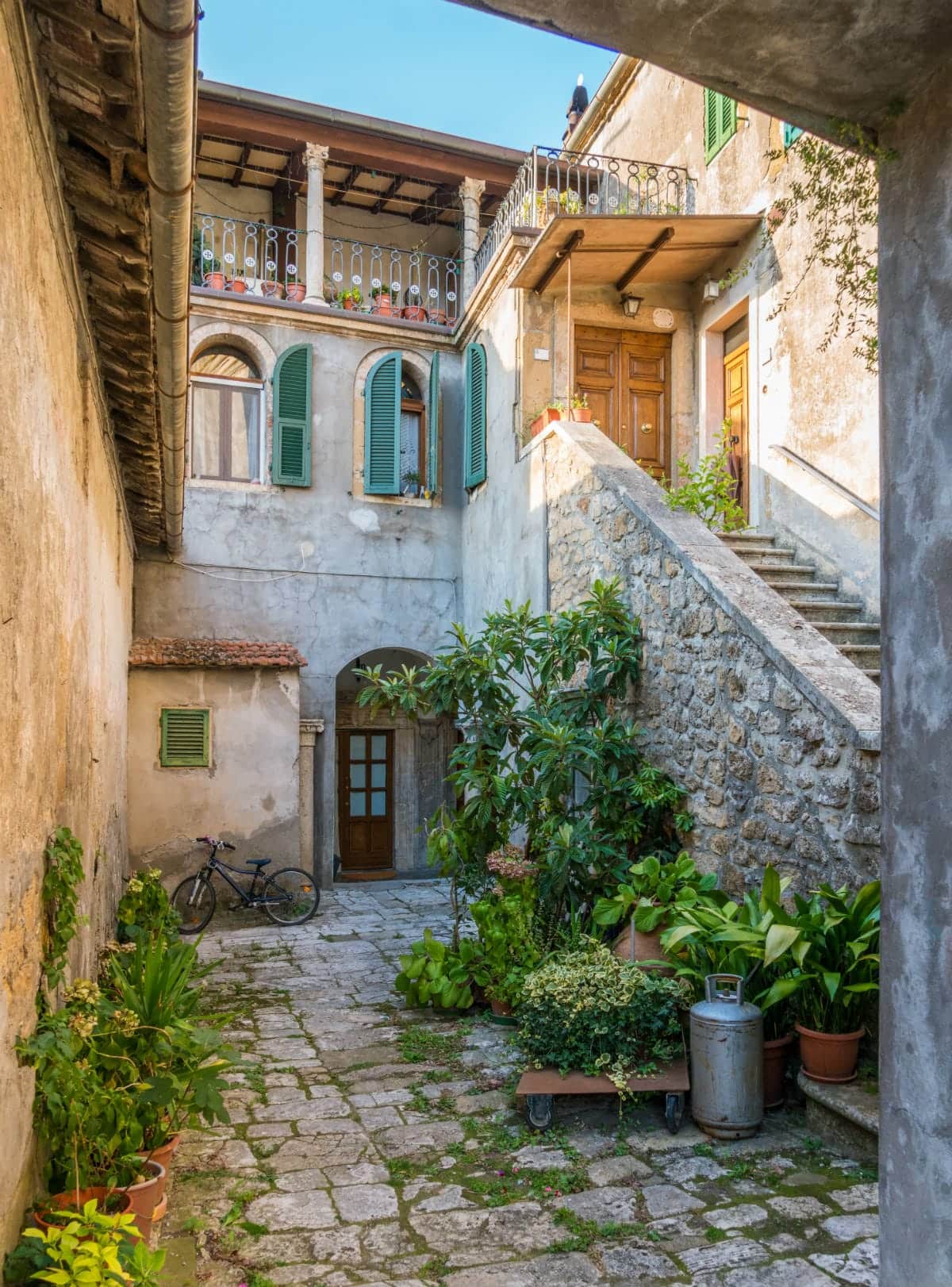
Sorano was born as an ancient estate of the Aldobrandeschi family, but the municipal territory was already inhabited since the Etruscan period, as demonstrated by the remarkable discoveries of settlements and ancient necropolis. After the marriage between Anastasia, the last heir of the Aldobrandeschi, and Romano Orsini in 1293, control of Sorano passed to the Orsini family. The center followed the vicissitudes of history and policies of the nearby Pitigliano, where it was located the residence of the counts, and the Orsini undertook to boost it fornendolo of effective fortifications, which rendered Sorano a safe haven from attacks enemies: several times in fact, in the course of the XV century, the Sienese posero the fortress of Sorano under siege, succeeding to occupy it only in 1417. In 1556, Sorano passed into the hands of the Medici who inglobarono in the Grand Duchy of Tuscany together with the nearby Pitigliano.
The village still preserves the Jewish Ghetto along the homonymous track, where he was also attested to the presence of the Synagogue and of the oven of the unleavened breads. Another synagogue, now transformed by the municipal administration locally for exhibitions, would have been identified along the “via Selvi” and dates back to periods prior to the imposition of the ghetto itself as the Jewish settlement would be prior to the latter at least 50/60 years. The ghetto was established by doctors in 1619 after it was carried out the exchange of territories of the county of Pitigliano and Sorano with those of the county of Monte San Savino between the Orsini family and the doctors themselves. The Jewish community abandoned Sorano in the early twentieth century.
After the last World War the ghetto of Sorano departed to a phase of degradation without precedent that reached its culmination and total abandonment to the early nineties. It was in that period that, thanks to a targeted action of the Municipal Administration of the epoch, was initiated a reversal of the trend that led to the involvement of private economic operators, which effettuarono a careful restoration and upgrading of all buildings of the ghetto, returning it to its ancient vestiges. Some signs that recall the presence of the Jewish community in Sorano are visible on the doors of the gate of the entrance of the building that houses the Hotel “Locanda Aldobrandeschi”, to the side of which there is still an ancient structure that was used for the storage of grain as a guarantee in the so-called “loan to wheat”. At the entrance of the ghetto there are also still visible signs of the hinges where revolved the gate that closed the ghetto itself at dusk to then be reopened the next morning.
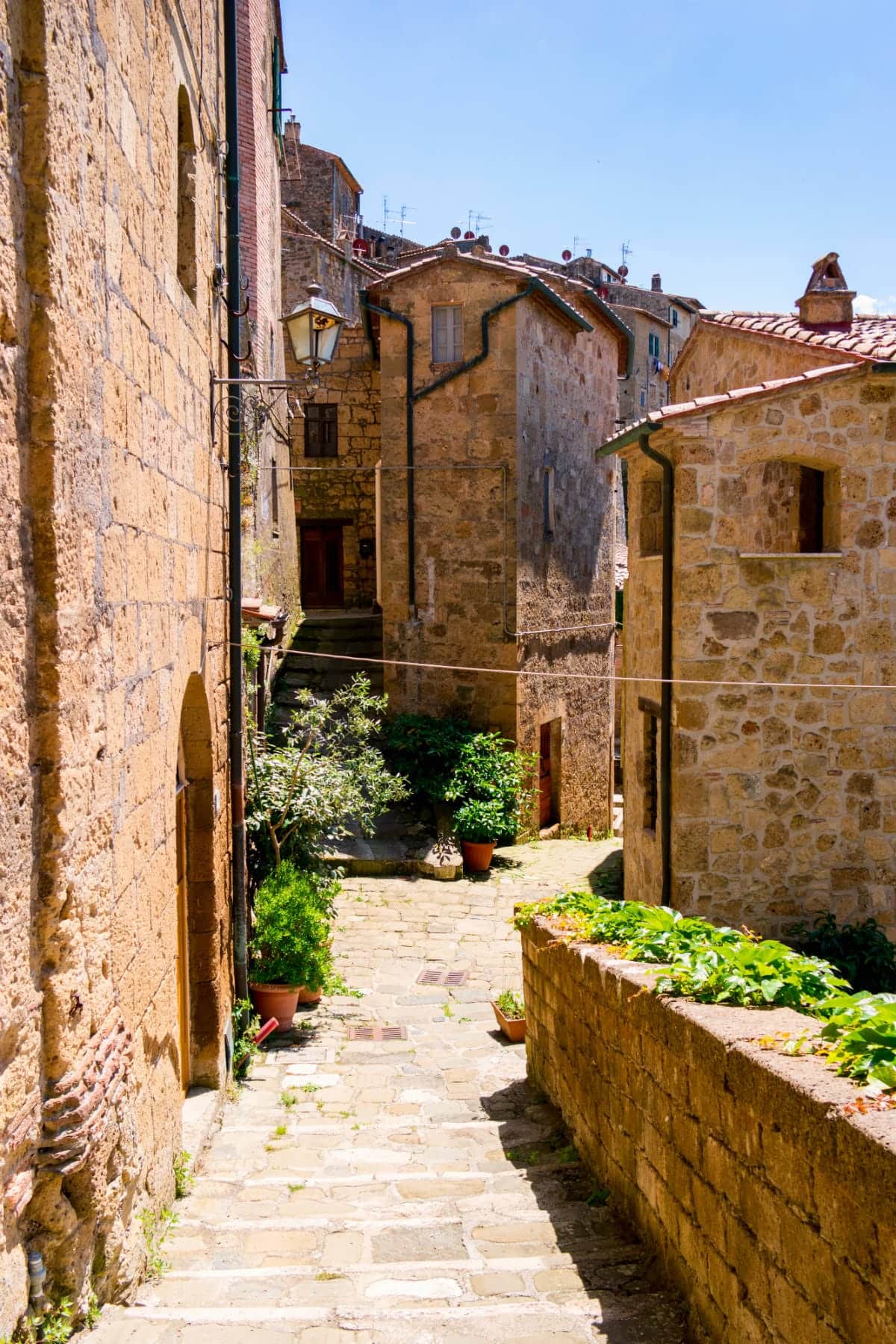
Sorano is perched so picturesque on a steep tufaceous cliff that has various inclines. The village is also characterized by a maze of alleys, courtyards, arches, portals ashlar work, external stairs, loggias and cellars dug into the tufa where in the past were performed on the various phases of the harvest. Around the historical center, Sorano owns a small urban area, developed in an orderly manner from the sixties of the twentieth century thanks to urban interventions regulators. From the point of view of urban architecture indicates the Zone 167, made of tufa and commonly known with the name of New Houses, attempt to merge contemporary architecture and modern needs with the environment of tuff rock and an ancient context now consolidated: the district was built between 1969 and 1976 on behalf of I.A.C.P. of Grosseto, on a project by Lanfranco Welcome, Paolo Borghi and Luigi Rafanelli; among the buildings of major importance is the condomino-tower of viale Brigate Partigiane, as the most representative among the modern architectures that form the skyline of Sorano.
Village of Sorano
The Municipality of Sorano
Province of Grosseto
Tuscany Region
inhabitants: 3.139 soranesi
Altitude center: 379 m a.s.l.
The Municipality is part of:
I Borghi più belli d’Italia
Strada del Vino e dei Sapori Colli di Maremma
Unione Comuni Montani Colline del Fiora
Acknowledgments
Orange Flag – Italian Touring Club
Municipality
Piazza del Municipio 15 – Tel. +39 0564 633023
BY CAR
- From the North: take the A1 highway and exit at Firenze Certosa, take the highway link for Siena, exit at Siena Sud in the direction of Rome, continue on the SS 2 Cassia until the crossroads for Sorano.
- From the South: Take the Grande Raccordo Anulare following the direction for Florence, in Rome take the A1 Autostrada del Sole, exit at Orte and follow the direction for Viterbo, follow the direction for Siena and take the SS 2 Cassia, then continue on the SS 74 following indications for Sorano.
ON THE TRAIN
- Albinia railway station
BY PLANE
- Rome Fiumicino Airport
- Florence airport
- Pisa airport
What to see in Sorano
Discover what to see in Sorano among monuments, scenic views, museums, churches and symbolic places of the village. A useful selection to plan your visit and explore the area.
News and stories about “Sorano”
Insights and stories from the area, to keep discovering.
Continue the journey
Sorano is only one of the treasures of the area. Use the interactive map to discover what to visit nearby, how far the other villages are and which experiences you can enjoy along the route.
Explore the area