 San Martino di Castrozza
 VIVA! Festival 2026
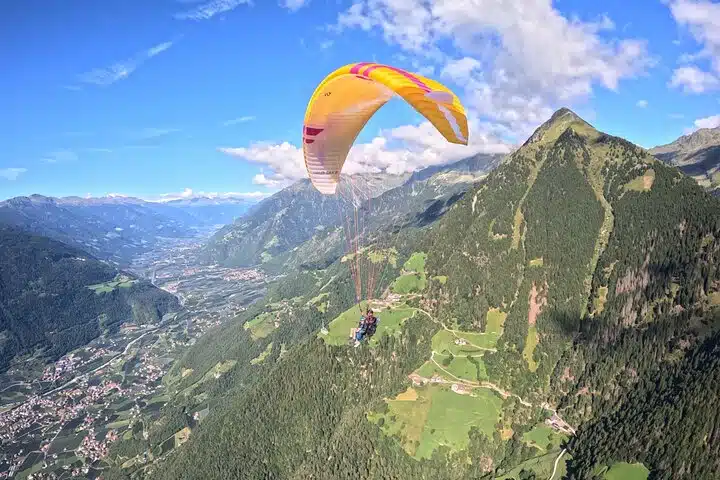 Tandem paragliding flights in Tirolo and Merano: the thrill of flying over the Alps
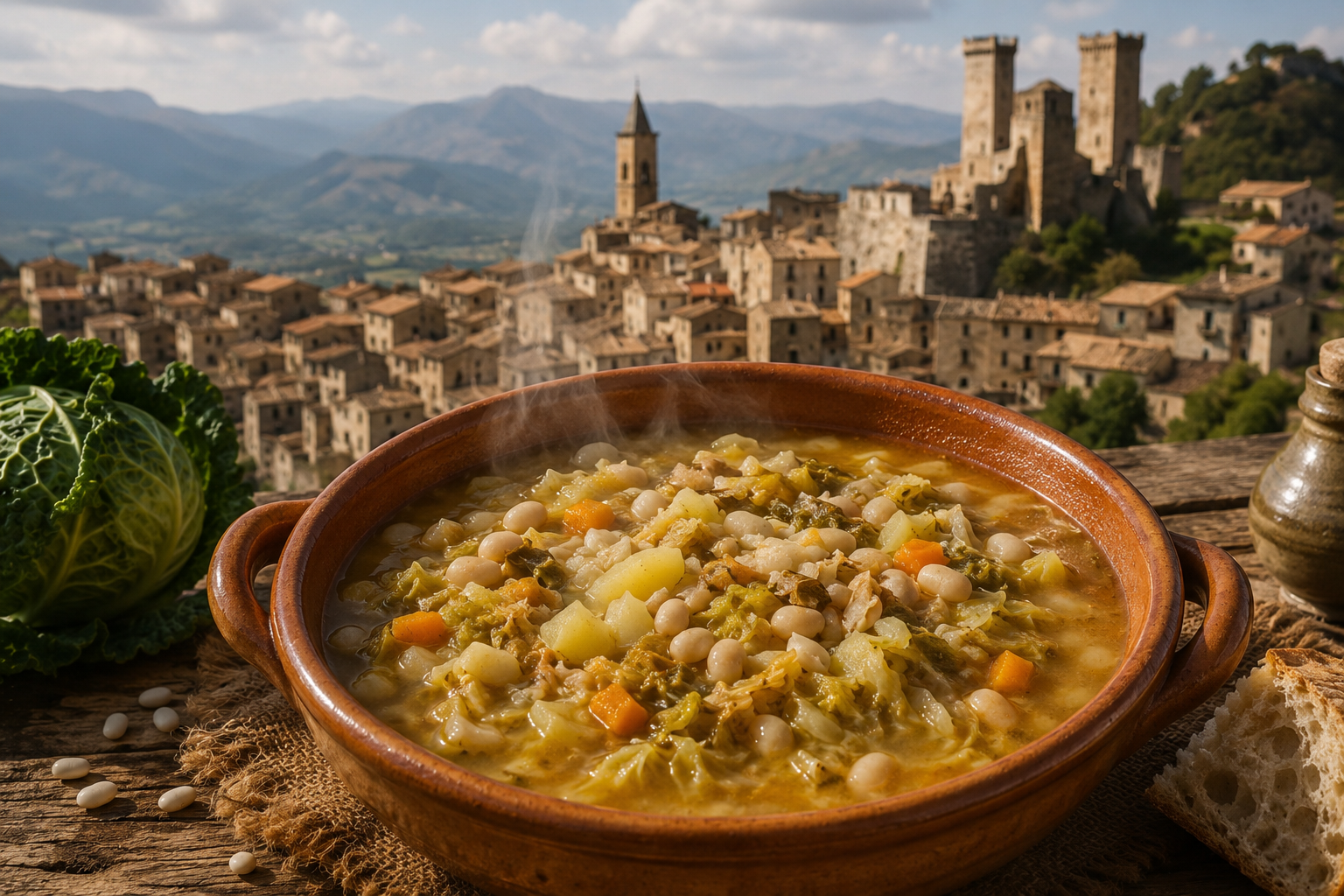 Recipe: Polta di Pacentro, the peasant dish that symbolises the traditions of Abruzzo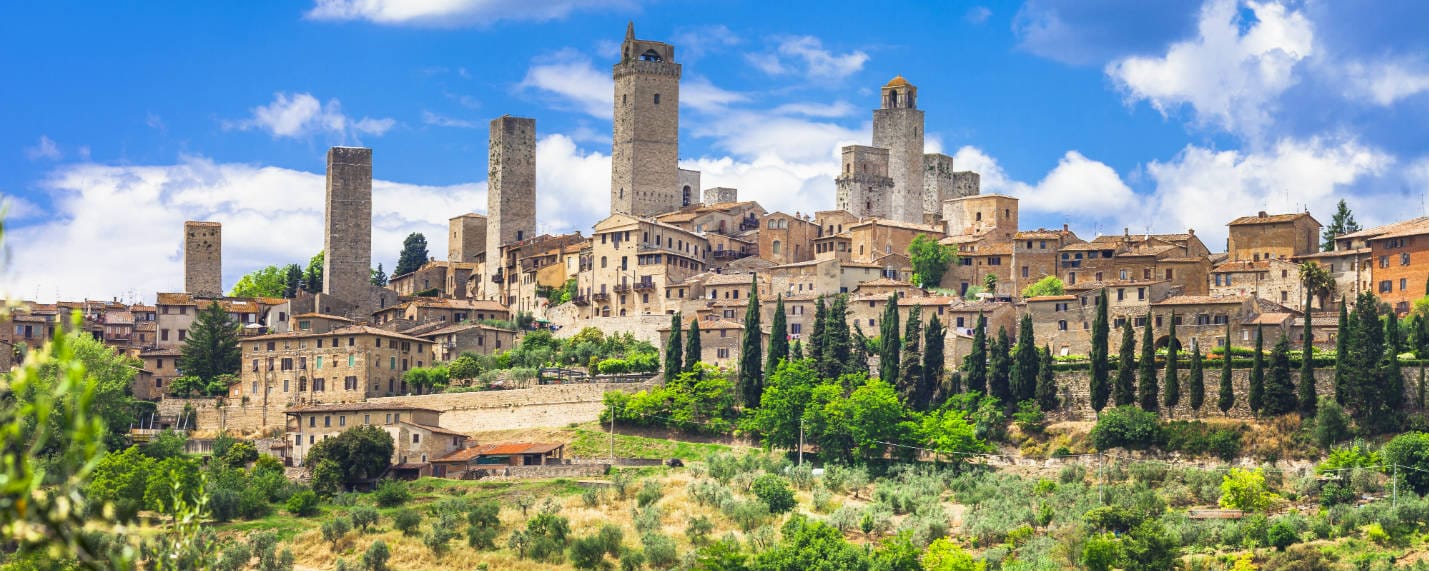
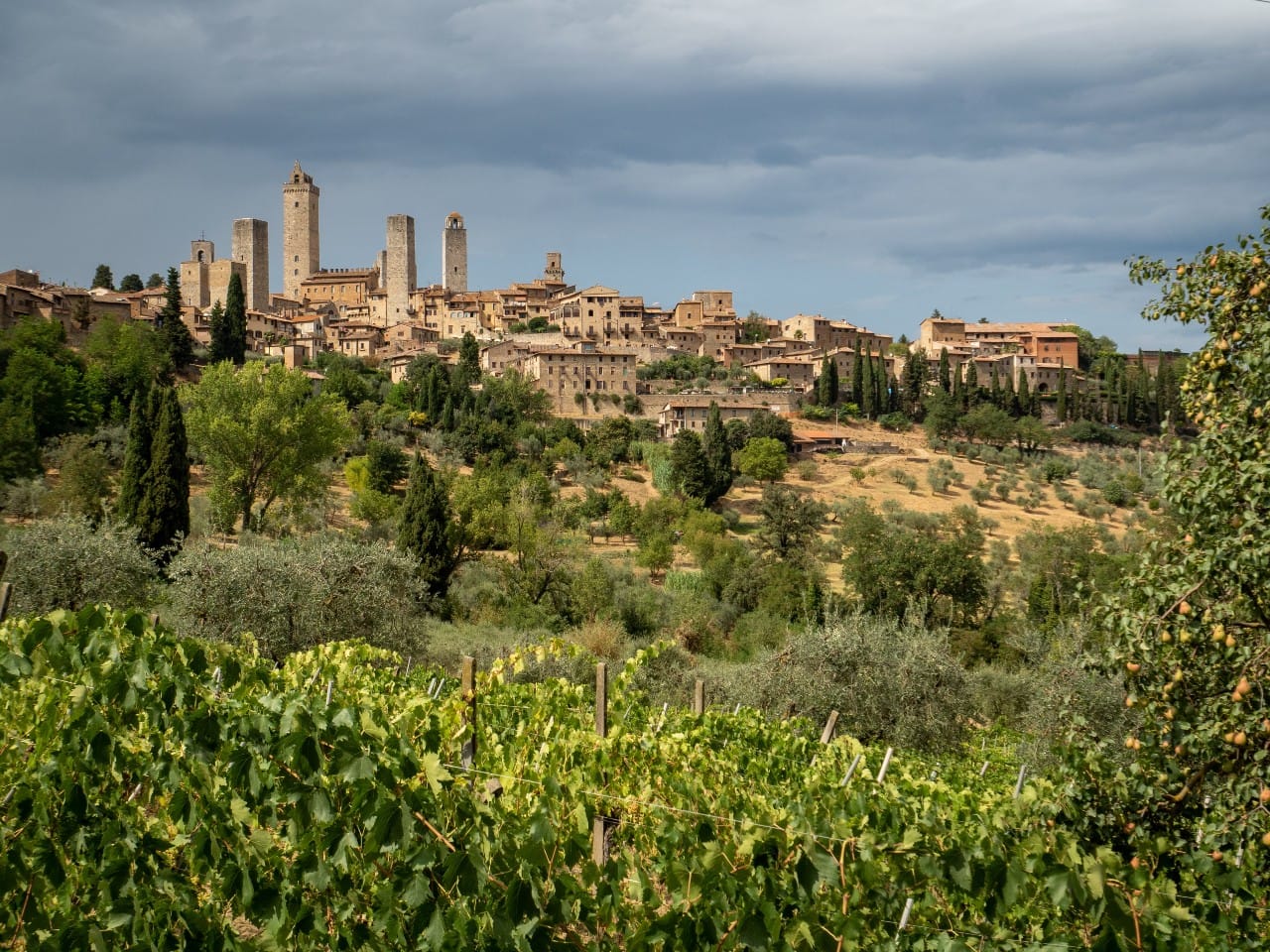
Suspended between sky and hills, San Gimignano emerges from the Val d’Elsa like a timeless vision. Its slender towers, symbols of medieval power and pride, tell a story of trade, pilgrims, and great families who left an indelible mark here. Strolling through its squares and stone streets is like stepping into an authentic, miraculously preserved Middle Ages, where art, wine, and landscape coexist in a rare balance, recognized by UNESCO and loved by travelers from all over the world.
Photo gallery
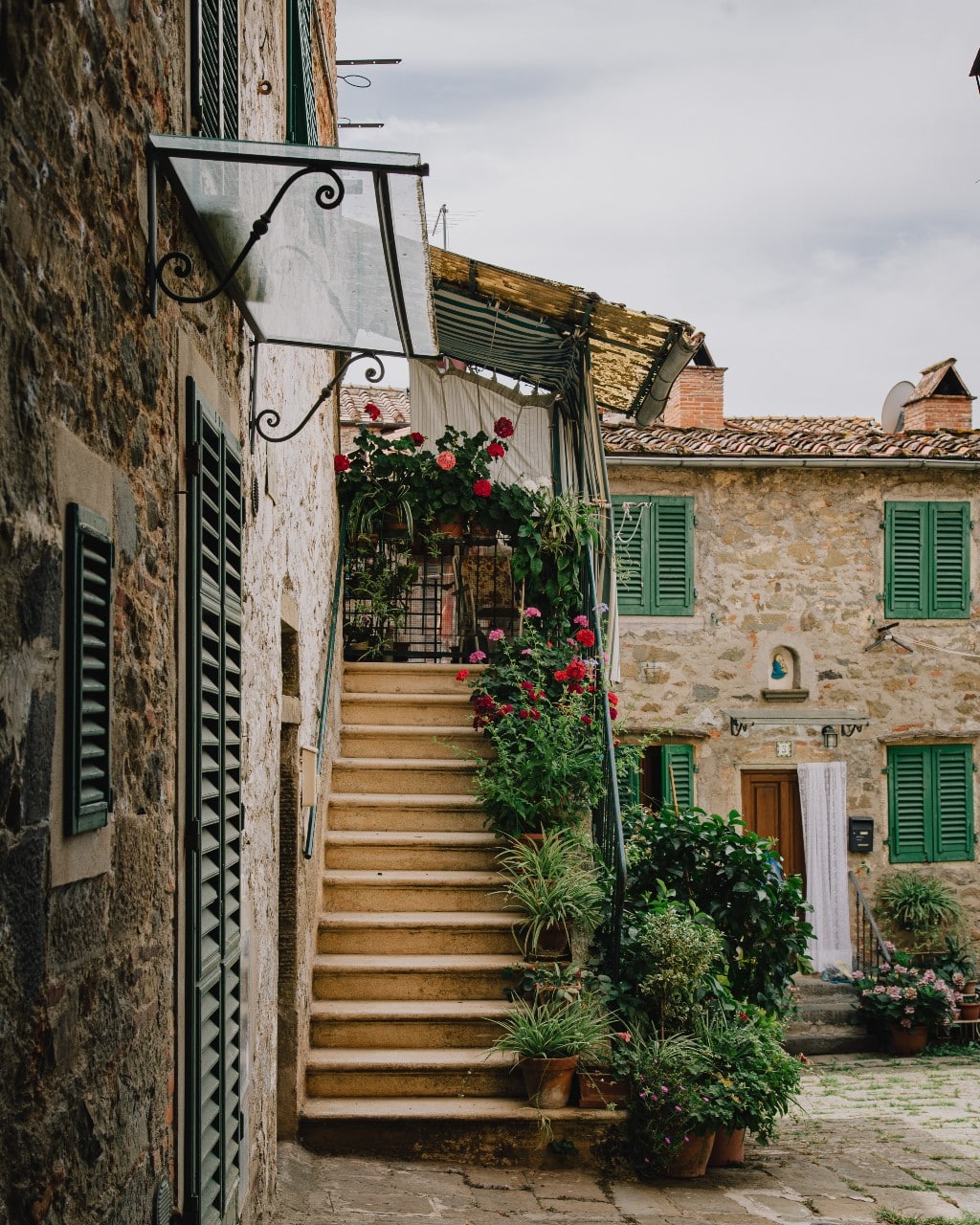
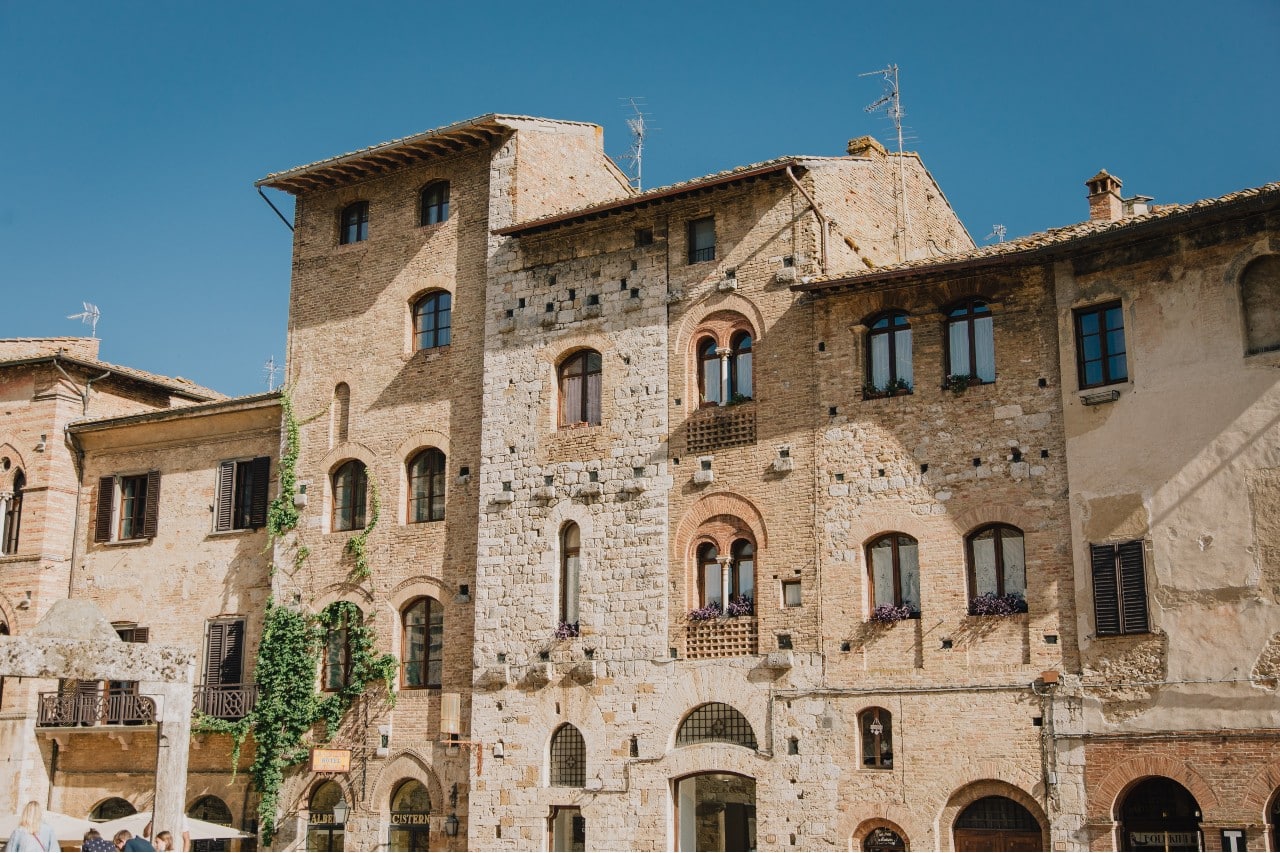
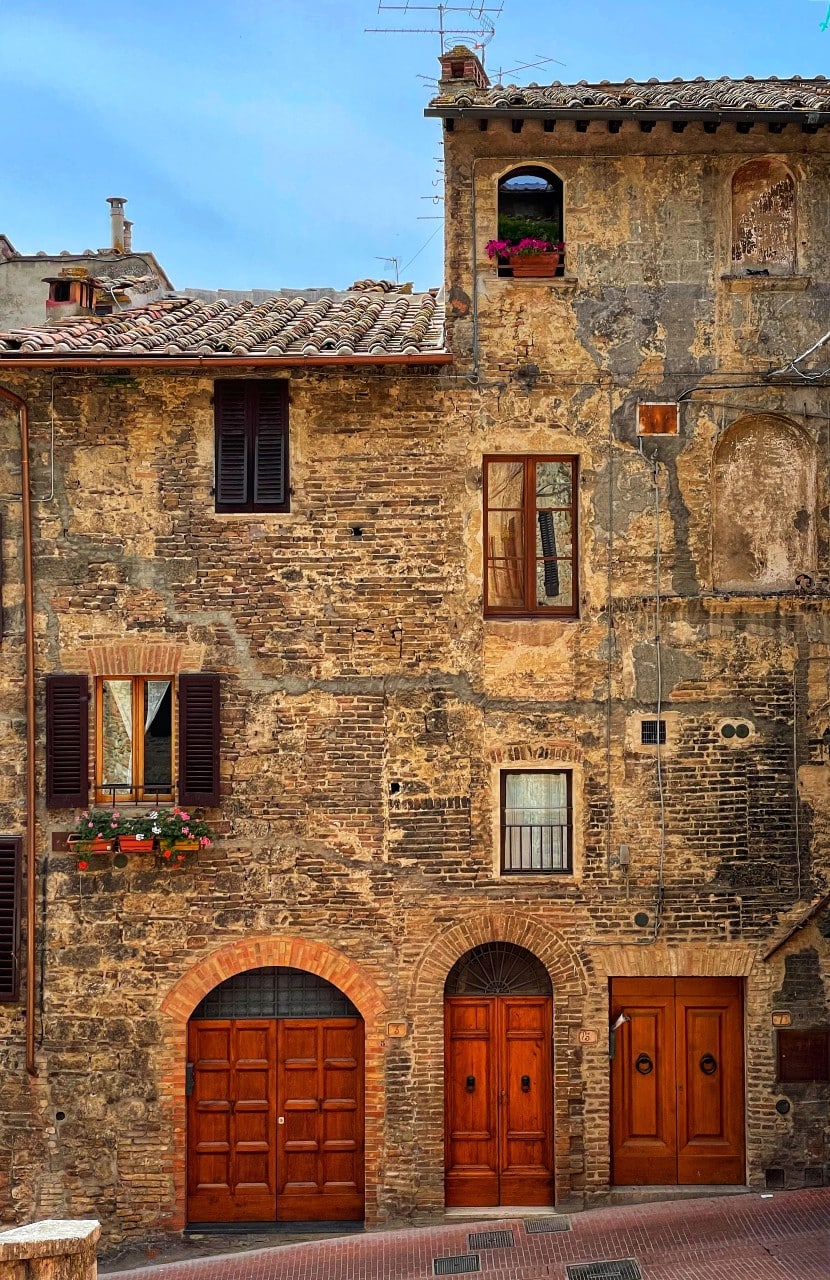
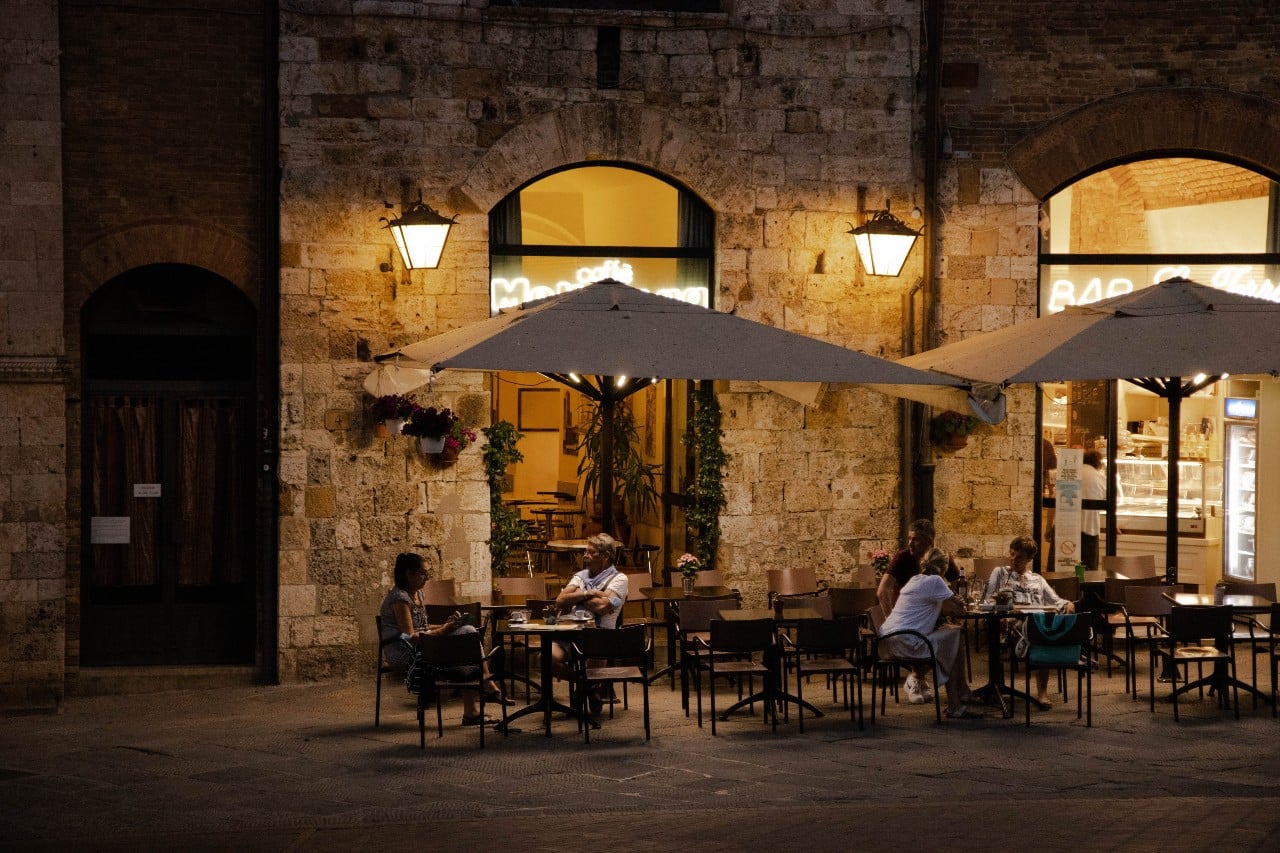
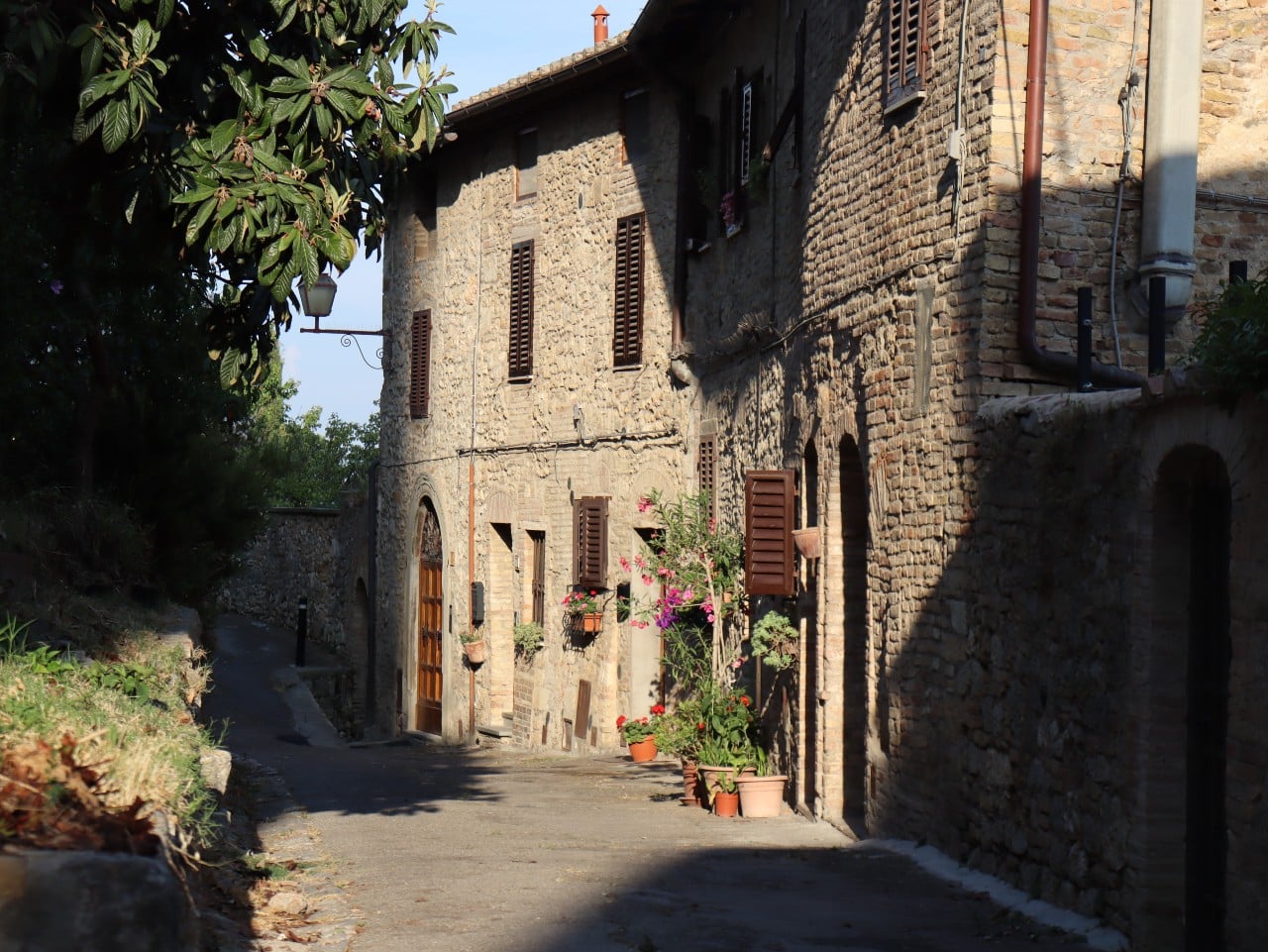
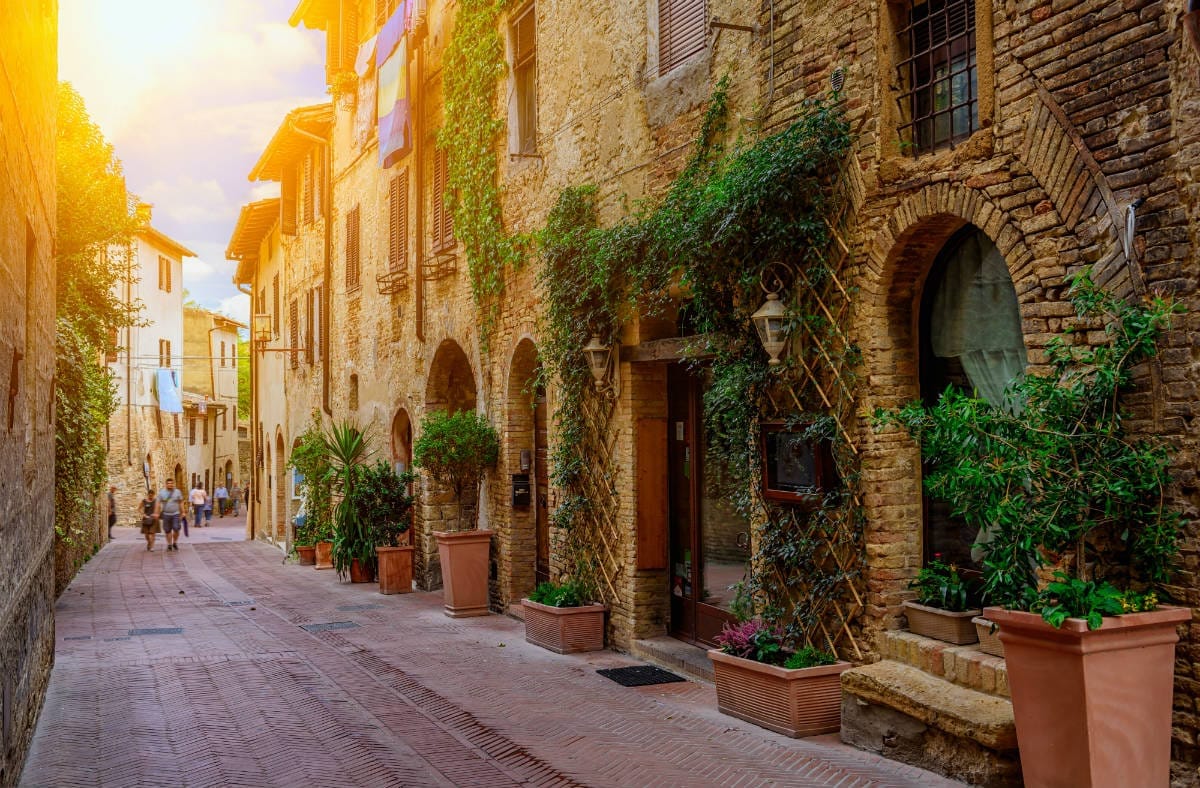
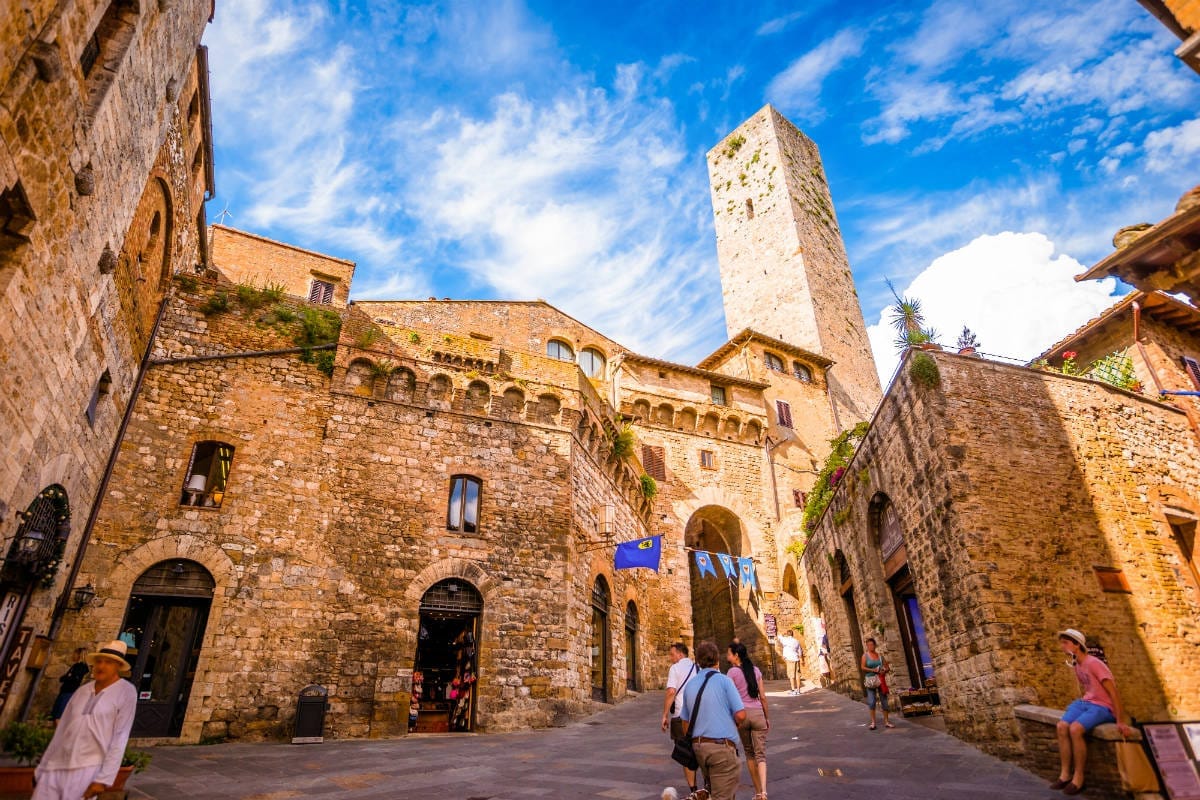
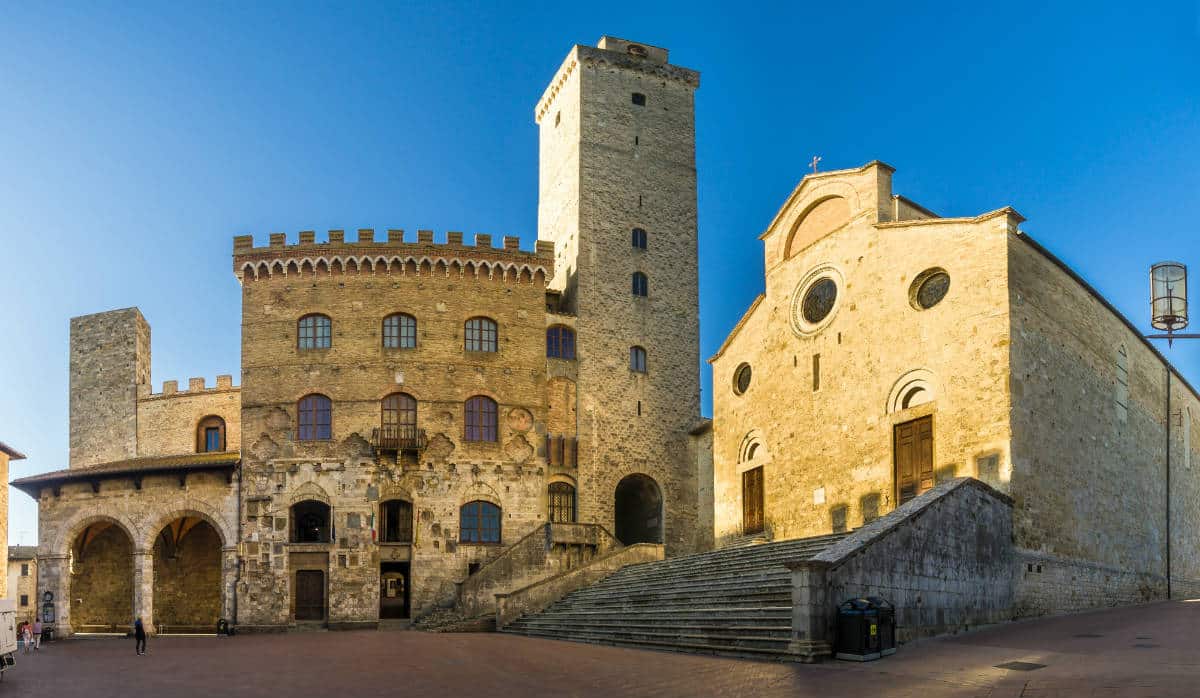
Perched on a hill in the Val d’Elsa, San Gimignano is one of Italy’s most iconic medieval villages. Its unmistakable skyline, punctuated by towers silhouetted against the sky, tells a story of centuries of history, ambition, and power, but also of an extraordinary ability to preserve itself, allowing the town to remain almost intact to this day.
Origins, between history and legend
The origins of San Gimignano are lost between history and myth. Legend has it that in 63 BC, two young Roman patricians, Muzio and Silvio, fled Rome due to their involvement in Catiline’s conspiracy and found refuge in Val d’Elsa, founding two castles: Mucchio and Silvia, the original nucleus of the current village.
The first historical document mentioning San Gimignano dates back to August 30, 929, when Ugo di Provenza donated the mountain called “della Torre” to the bishop of Volterra. According to tradition, the name of the village derives from San Geminiano, bishop of Modena, who miraculously saved the city from barbarian invasions.
From the first settlements to the Middle Ages
The area has been inhabited since prehistoric times, but it was during the Etruscan period that the first permanent settlements appeared, as evidenced by the sacred area of Pugiano. In Roman times, attention shifted to the valley floor and waterways, leaving important traces such as the Roman villa in Chiusi.
In the early Middle Ages, around the 10th century, the nucleus of the current historic center was born. San Gimignano, a fiefdom of the bishop of Volterra, was located in a strategic position along the Via Francigena, a fundamental pilgrimage and trade route between Northern Europe and Rome.
Municipal splendor and decline
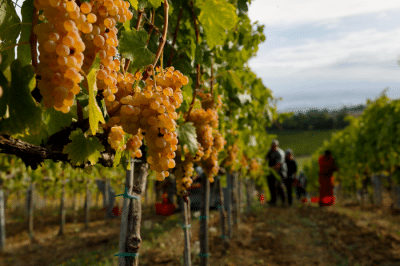
Between the 12th and 13th centuries, San Gimignano experienced its heyday. In 1199, it proclaimed itself a free commune and enjoyed remarkable economic growth thanks to trade, agricultural production, and above all saffron and Vernaccia, wines that were already highly prized at the time.
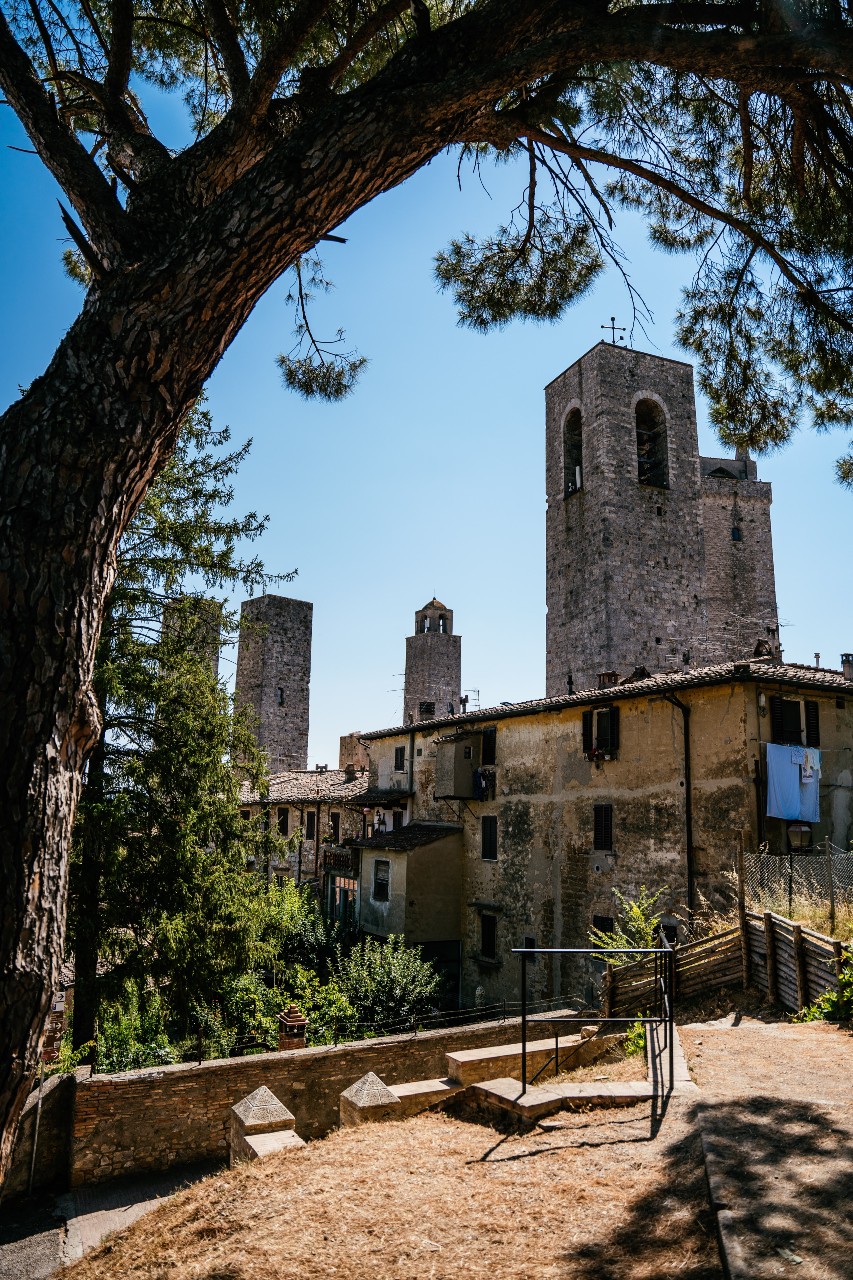
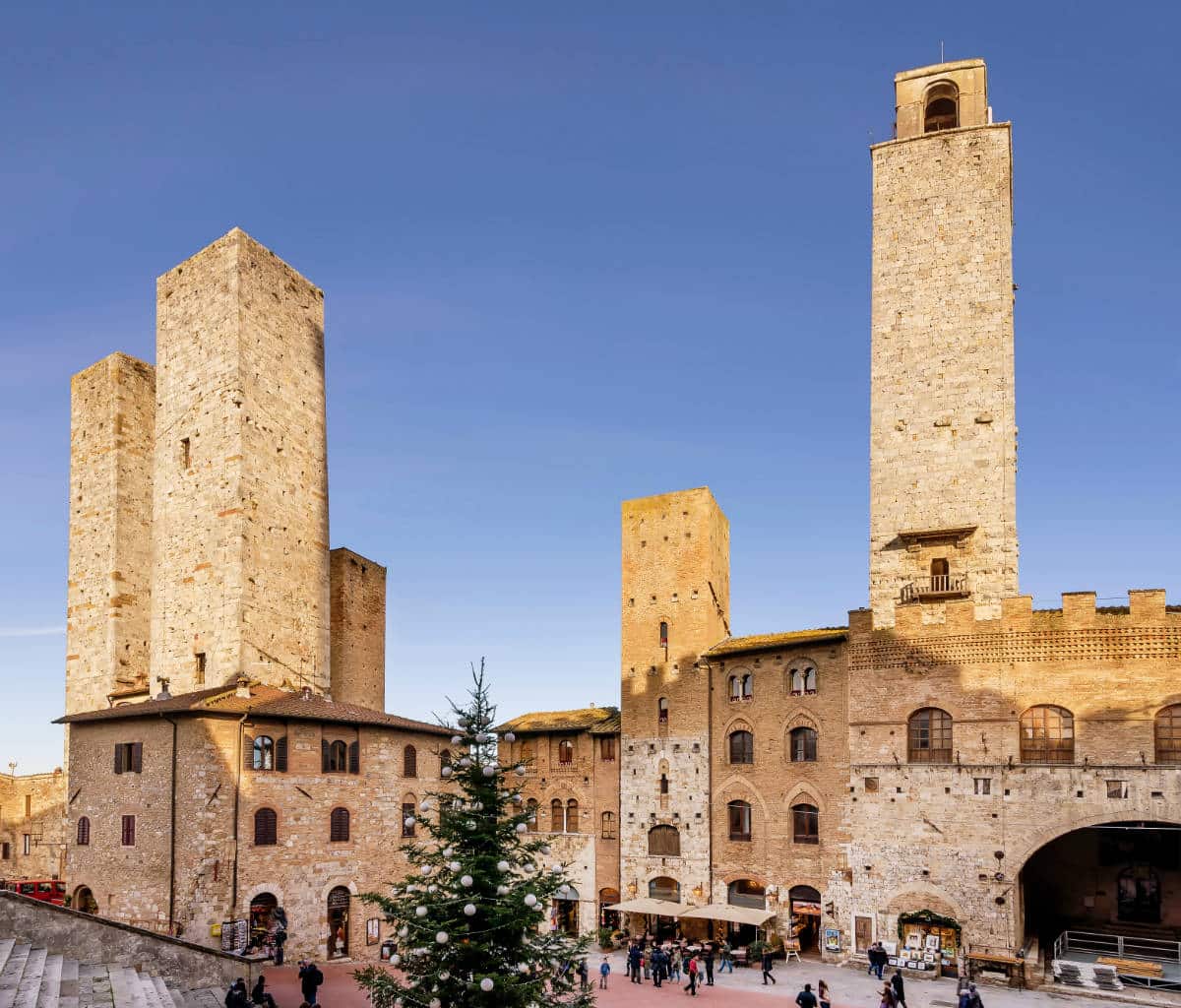
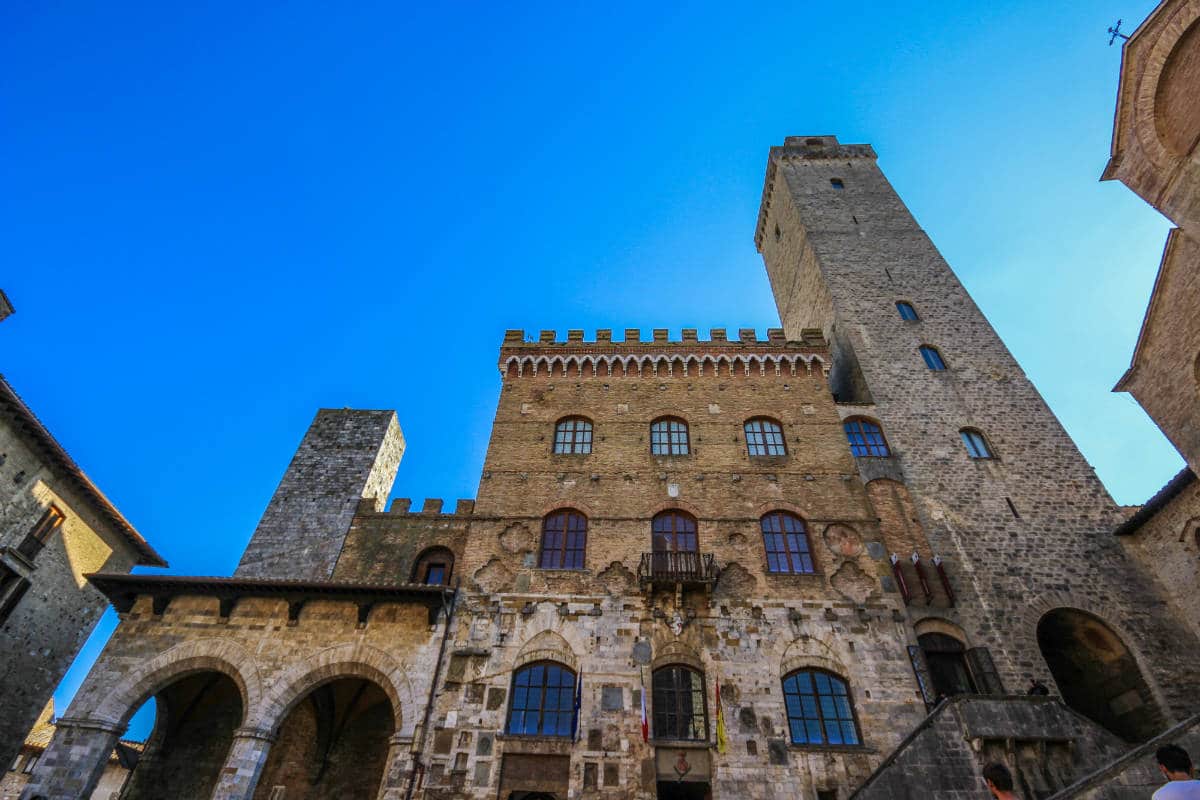
It was during this period that the wealthiest families began to build the famous towers, symbols of prestige and power: there were once 72 of them, but today only 13 remain.
The plague of 1348 marked a profound break, decimating the population. From then on, a long period of decline began, culminating in submission to Florence. Paradoxically, it was precisely this decline that preserved San Gimignano from major architectural transformations, leaving us with a historic center that has remained almost “frozen” in the Middle Ages.
The towers, symbol of the city
The towers of San Gimignano were not only dwellings, but true declarations of power. Narrow rooms, thick walls, and few openings guaranteed security and isolation. Over time, many towers were “scamozzate” or incorporated into larger buildings, following the evolution of medieval architecture.
Even today, climbing the Torre Grossa, the tallest at 54 meters, offers a spectacular view of the Tuscan hills and the orderly urban layout of the village.
San Gimignano today: wine, art, and tourism
Declared a UNESCO World Heritage Site in 1990, San Gimignano is considered one of the best examples of a preserved medieval town in Europe.
Today, the village has about 8,000 inhabitants and thrives thanks to a balance between agriculture, tourism, and crafts. Vernaccia di San Gimignano DOCG, the first Italian wine to obtain this designation, is an ambassador for the region around the world, supported by a solid tradition of food and wine and a thriving agritourism industry.
A Middle Ages to experience
Strolling through Piazza della Cisterna, Piazza del Duomo, the Collegiate Church of Santa Maria Assunta, and the Rocca di Montestaffoli means immersing yourself in an authentic medieval world of stone, silence, and timeless views. San Gimignano is not just a place to visit, but an experience to be savored slowly, letting yourself be guided by its towers, the landscape of the Val d’Elsa, and a history that continues to speak to the present.
Village of San Gimignano
The Municipality of San Gimignano
Province of Siena
Tuscany Region
inhabitants: 7.447 sangimignanesi
Altitude center: 324 m a.s.l.
Unesco site:
Historic center of San Gimignano
the Municipality is part of:
Paesi Bandiera Arancione
Città del bio
Città del vino
Città dell’olio
Acknowledgments
Orange Flag – Italian Touring Club
Protected Natural Areas:
Castelvecchio Natural Reserve
Municipality
Piazza del Duomo 2 – Tel. +39 0577 9901
BY CAR
- From the North: Take the A1 Milano – Roma motorway, heading south, exit at Firenze Certosa, take the Firenze – Siena motorway junction (next to the motorway exit) towards Siena, exit at Poggibonsi Nord and follow signs for San Gimignano.
- From the South: Take the A1 Roma – Milano motorway, heading north, exit at Valdichiana, follow signs for Siena, once in Siena take the Siena – Firenze motorway junction, direction Firenze, exit at Poggibonsi Nord and follow signs for San Gimignano.
ON THE TRAIN
- Poggibonsi-S railway station. Gimignano
BY PLANE
- Florence airport
- Pisa airport
What to see in San Gimignano
Discover what to see in San Gimignano among monuments, scenic views, museums, churches and symbolic places of the village. A useful selection to plan your visit and explore the area.
What to do in San Gimignano
If you are wondering what to do in San Gimignano, here you will find activities, experiences and tours to enjoy the village and its area in an authentic way, among nature, culture, food and wine, and guided routes.

Where to shop in San Gimignano
Discover where to shop in San Gimignano among small shops, local producers, wineries, artisan workshops and local excellences to take home after your visit.

Azienda Agricola Teruzzi & Puthod
Panizzi Winery
Where to stay in San Gimignano
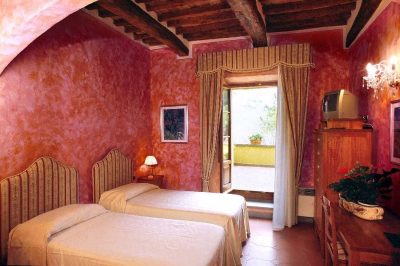
If you are looking for where to stay in San Gimignano, you can choose from hotels, B&Bs, farm stays and holiday homes in the village and nearby, for a slower stay among landscapes, culture and authentic hospitality.
Events in San Gimignano
Upcoming events, festivals and initiatives.

News and stories about “San Gimignano”
Insights and stories from the area, to keep discovering.

Continue the journey
San Gimignano is only one of the treasures of the area. Use the interactive map to discover what to visit nearby, how far the other villages are and which experiences you can enjoy along the route.
Explore the area