 San Martino di Castrozza
 VIVA! Festival 2026
 Tandem paragliding flights in Tirolo and Merano: the thrill of flying over the Alps
 Recipe: Polta di Pacentro, the peasant dish that symbolises the traditions of Abruzzo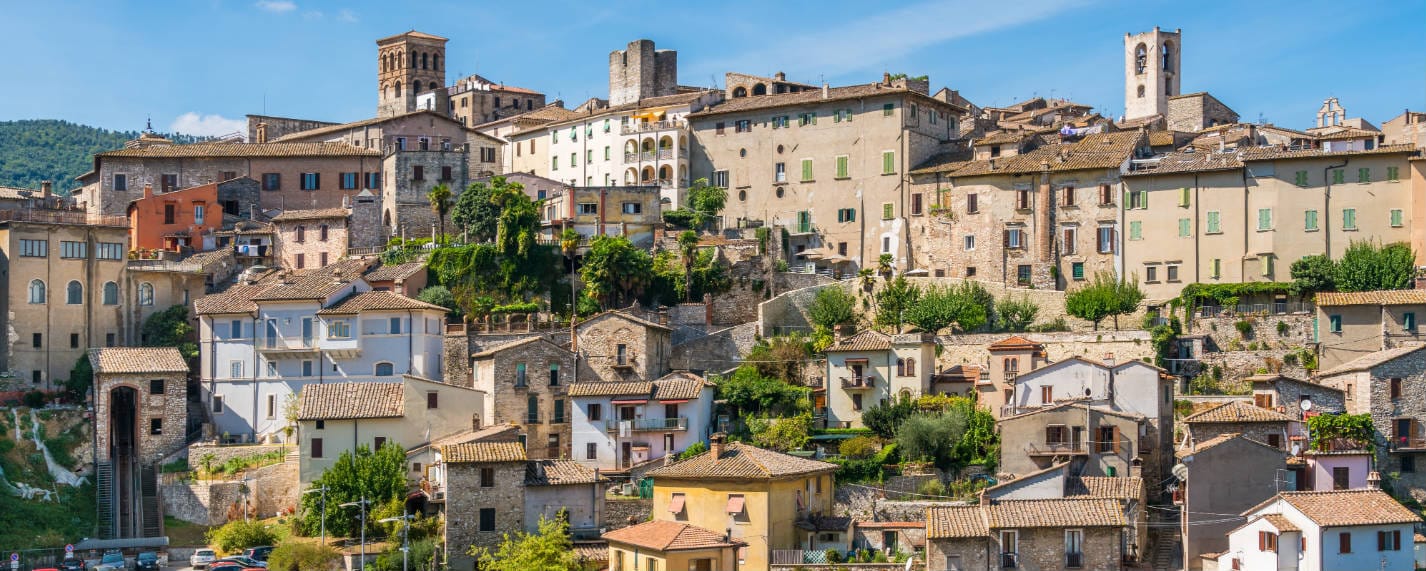
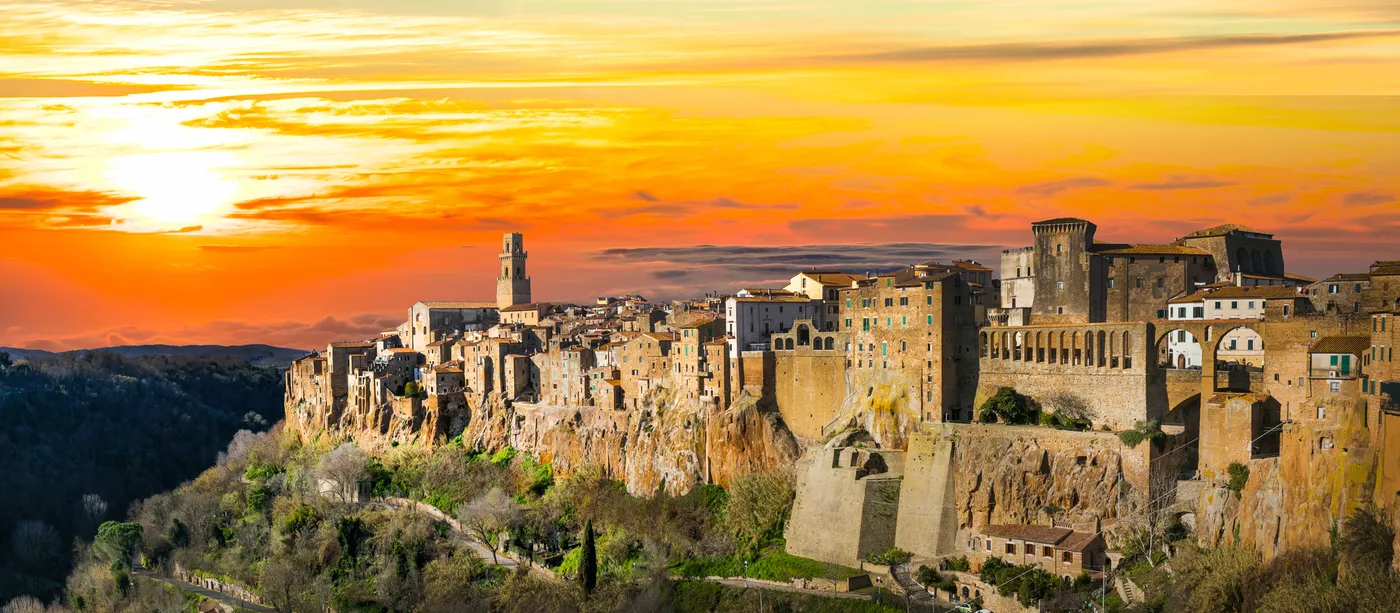
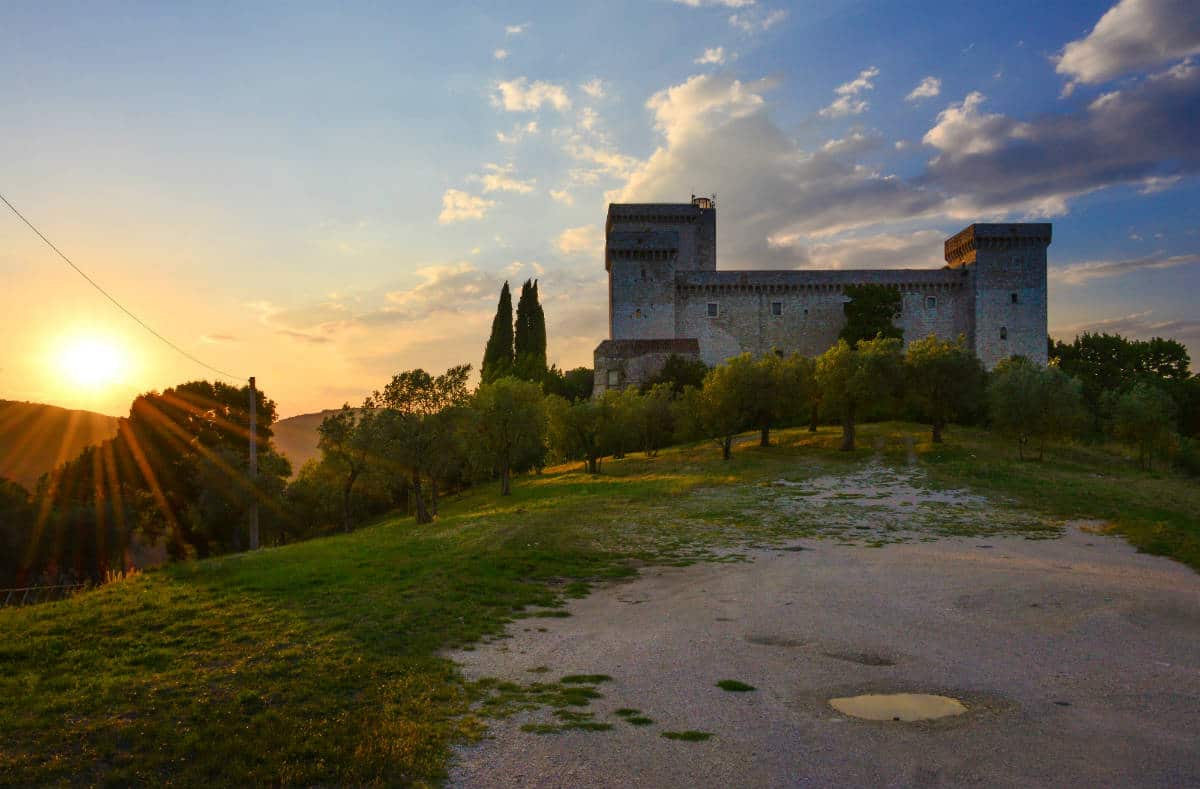
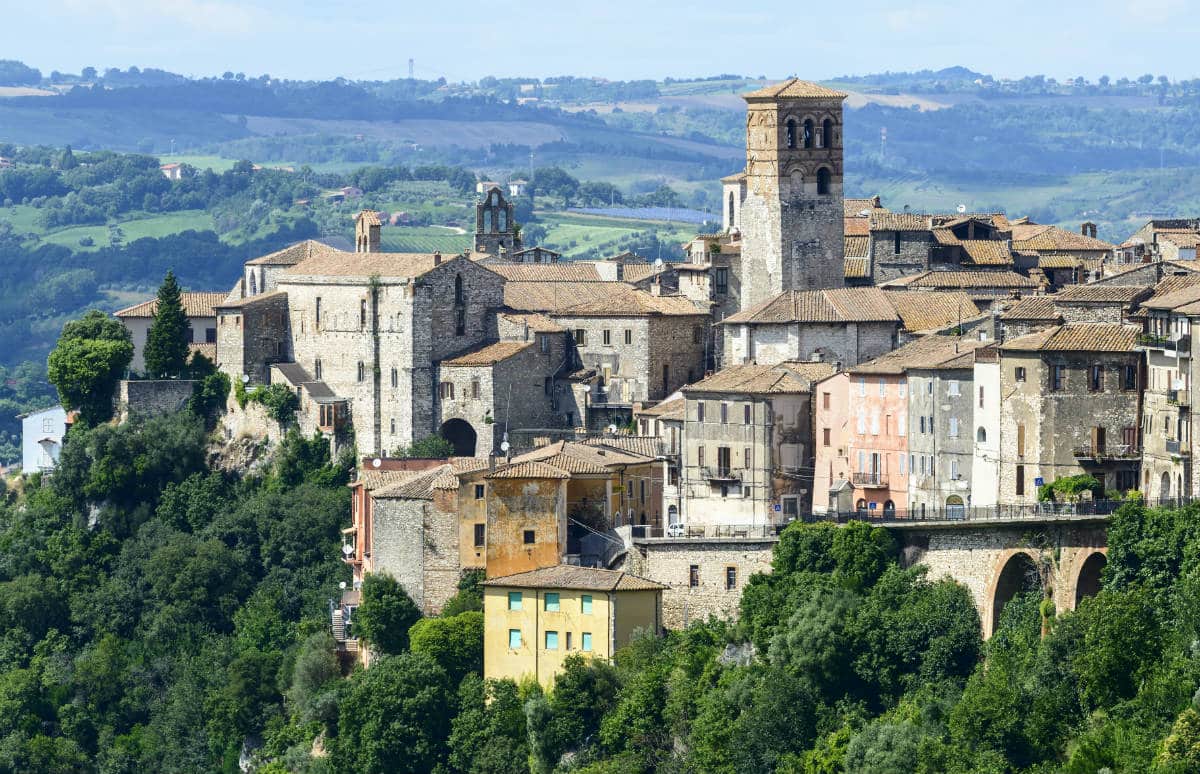
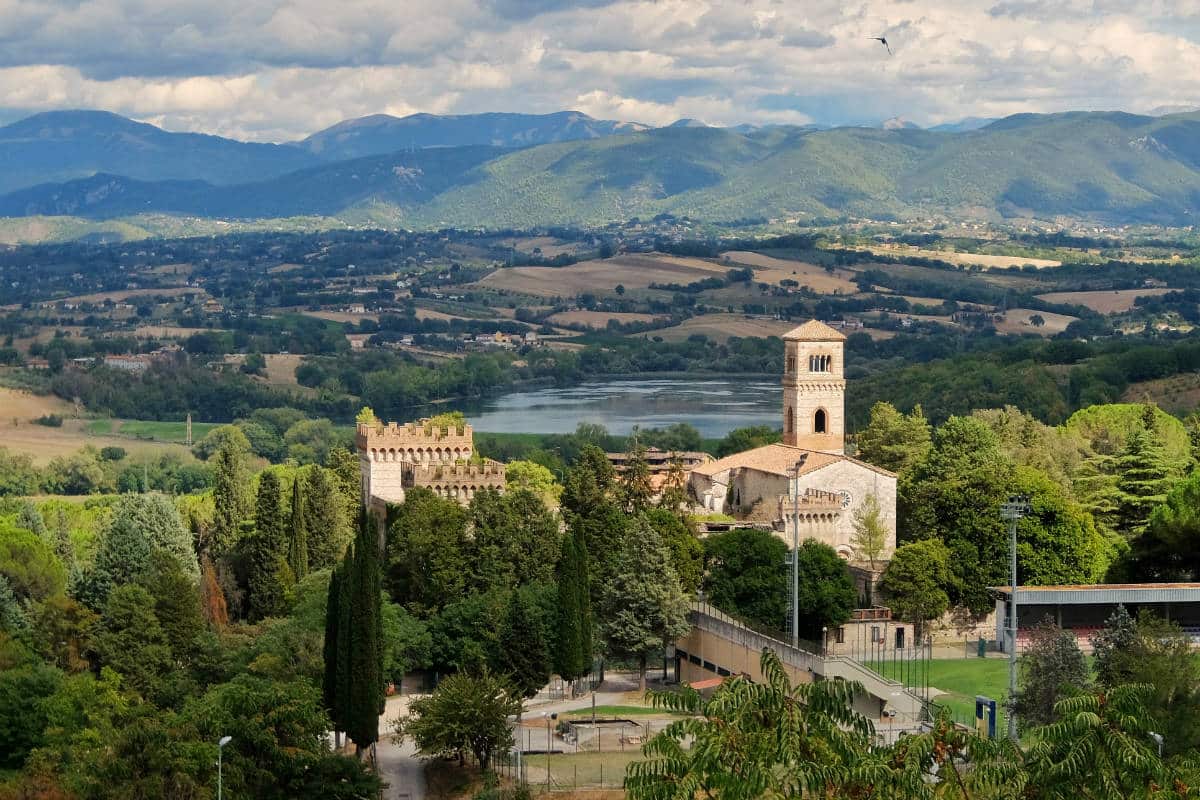
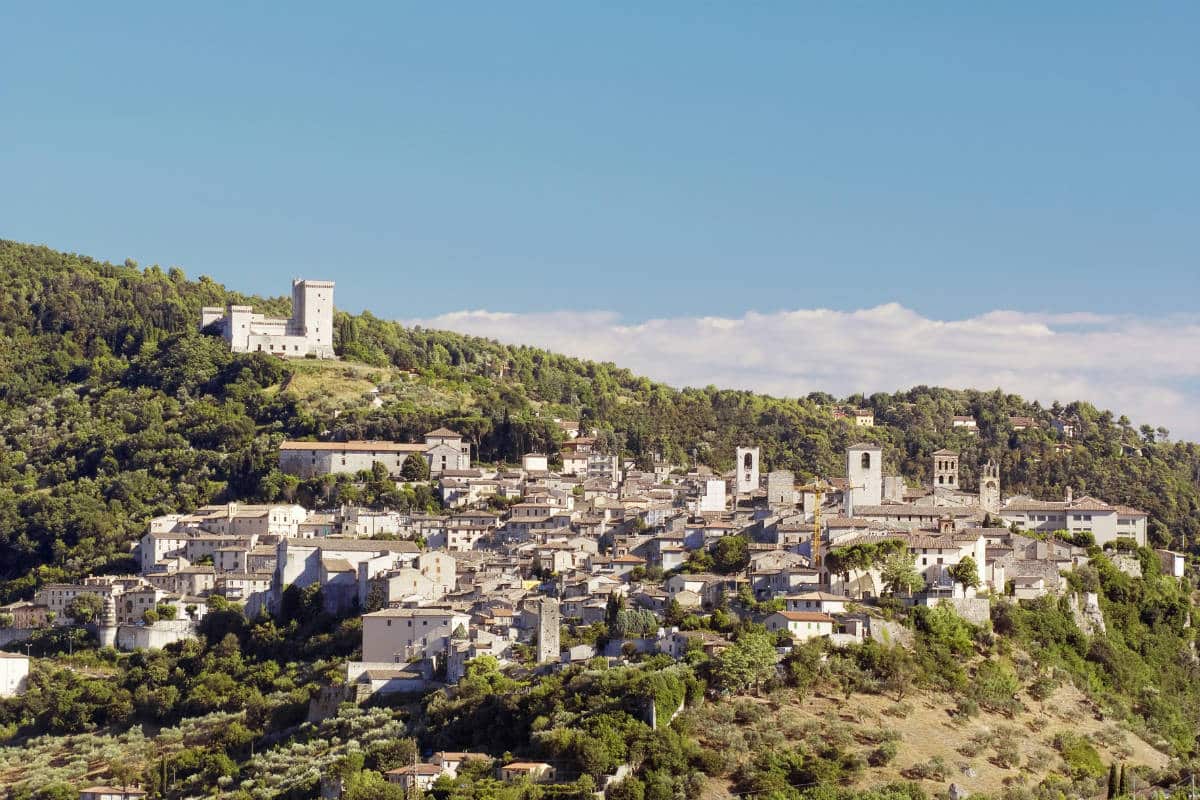
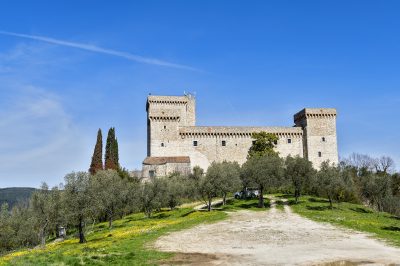
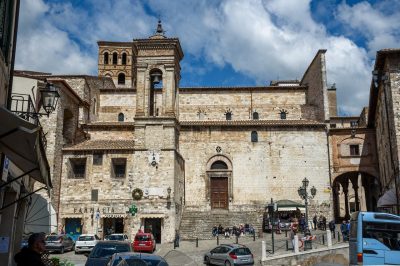
Village of ancient origins, Narni preserves a very rich cultural heritage and remarkable monuments from the medieval period, such as the cathedral of San Giovenale. In the highest part of the spur on which the village lies, stands the majestic Albornozian fortress, built in the second half of the fourteenth century.
Photo gallery
The story
Nestled on the last foothills of the Sabini Mountains towards the Terni basin, the village of Narni has the unique characteristic of being defended on one side by double walls and on the other by the steep slope of the Nera Valley, which is impassable and composed of many rocky spurs.
The area around the village of Narni (Narnia in Latin) was already inhabited in the Palaeolithic era, as evidenced by the findings in some of the caves in the area. Around the beginning of the first millennium, the Osco-Umbrians settled in the area, calling their settlement Nequinum.
In 300 BC, the citadel became of interest to Rome, which had it besieged by the consul Quinto Appuleio Pansa, but without success due to its inaccessible position. It took over a year to accomplish the feat, which took place in 299 BC thanks to the betrayal of two local people who allowed the Romans to enter the walls. It thus became a Roman colony and a strategic centre along the Via Flaminia. To punish the support given to the Gauls, and considering Nequinum to be a bad omen (in Latin, nequeo means ‘I cannot’ and nequitia means ‘uselessness’), the Romans changed the name of the city to the Latin Narnia, from the name of the nearby river Nar, now known as the Nera.
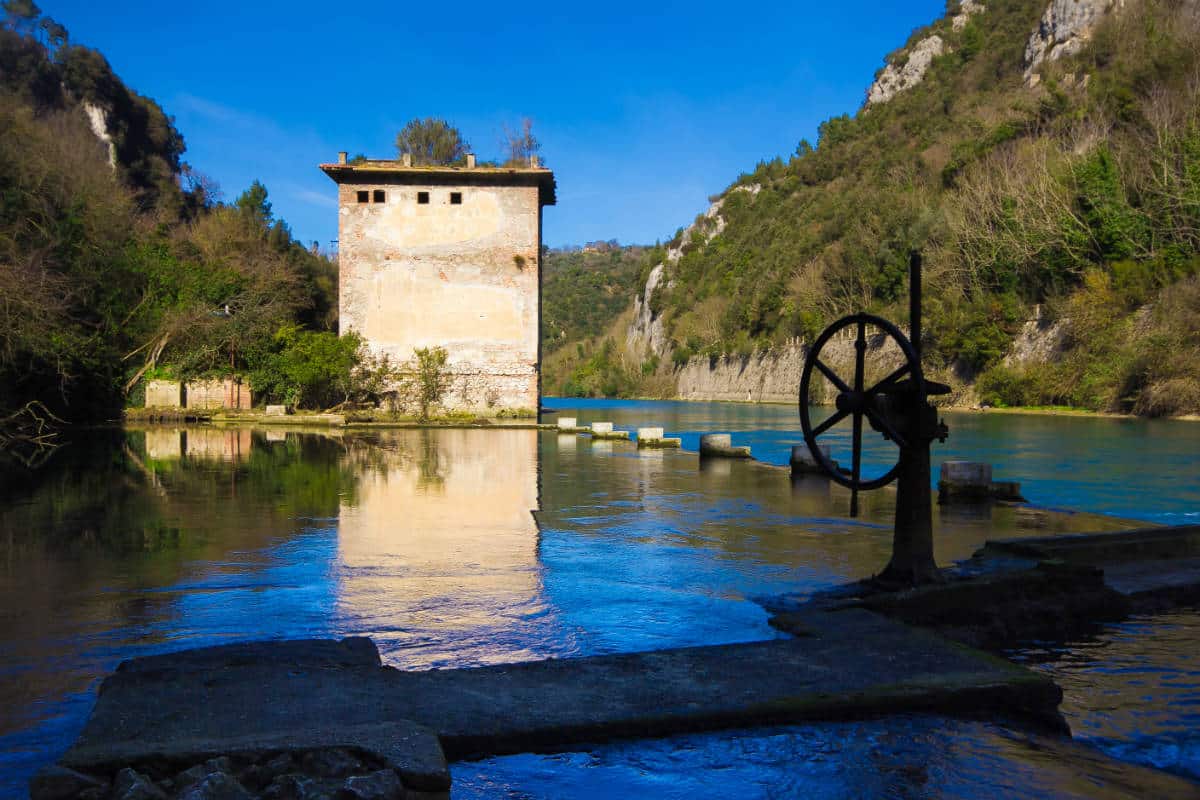
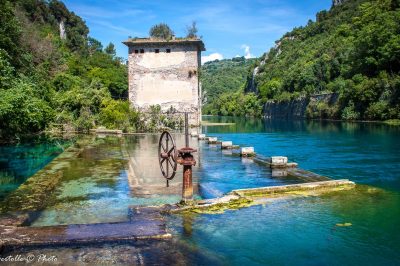
Along the Nera River, near the hamlet of Stifone, where the port of the Roman city once stood, the archaeological site of what appears to be a Roman shipyard has recently been identified. It became a municipium in 90 BC. In 27 BC, Emperor Augustus had the entire Via Flaminia paved, repaired the old bridges and built new ones. According to many authors, the great bridge over the Nera River below Narni was also built during this period, and in fact takes its name from it.
In 30 AD, Nerva, the last Italic among the Roman emperors, was born there. Narnia is mentioned by Tertullian in his Apologeticum, in a list of ‘false gods’ compiled in the first century, as the city was the ancient home of the god Visidianus (Narnensium Visidianus). In 96 AD, the Senate and the Roman people appointed Cocceius Nerva, a native of Narni, as emperor. Under his rule, the Romans saw the return of an era of freedom. According to Tacitus, those 16 months of reign were a period of public happiness. Among other things, he put an end to the persecution of Christians, restored the Appian Way and Valeria Way, and built the Forum and the Temple of Minerva.
A legend from Narni tells that, in medieval times, there was a griffin in the territory between Narni and Perugia, against which the two cities, at war with each other, had formed a coalition. Once killed, Perugia kept the griffin’s bones (white) as a trophy and Narni kept its skin (red). This is why the griffin of Perugia is white and that of Narni is red.
After the fall of the Western Roman Empire (476 AD), Narni found itself in the path of the barbarian hordes heading for Rome, and its walls were dismantled (545 AD) by Totila, king of the Goths, but according to some authors, the bishop of the city, St. Cassius, prevented its destruction. The Goths were succeeded by the Lombards, who established the great Duchy of Spoleto, which extended as far as Lazio, and the city became a border fortress between the powerful Duchy and the Roman state. Alternately lost and reconquered by the Dukes of Spoleto and belonging for a short period to the estates of Countess Matilda of Canossa, in 741 the city was assigned by the Franks to the Papal States.
Starting in the 11th century, the medieval city (which rebelled against Pope Paschal II in 1112, Frederick Barbarossa in 1167, and sided with Rome and Perugia against the empire in 1242) extended its territorial influence over San Gemini, Stroncone, Calvi, Otricoli, and Castiglione. In the 12th century, the Cathedral was built just outside the ancient city walls, which were enlarged to include the religious centre.
In the village
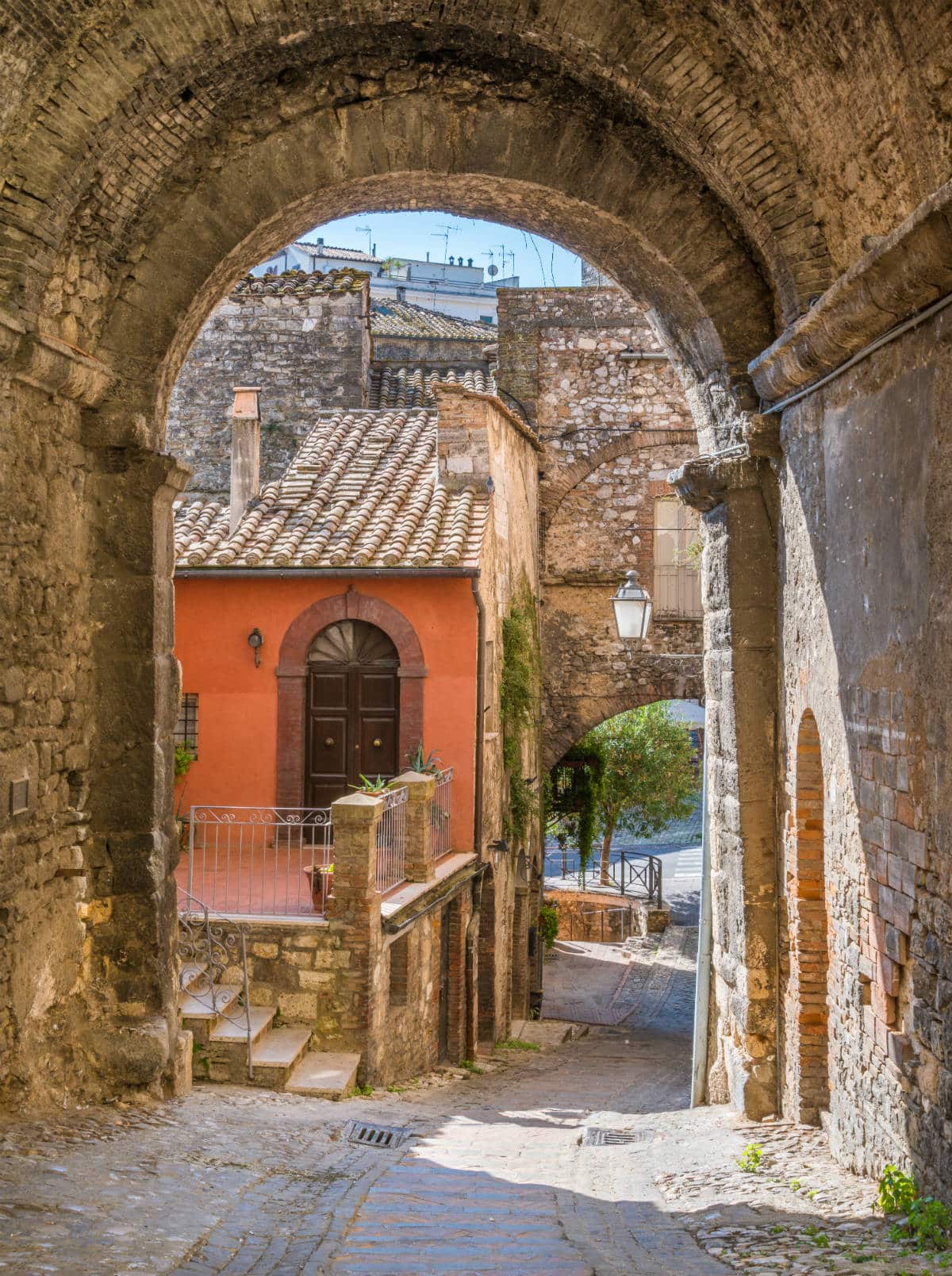
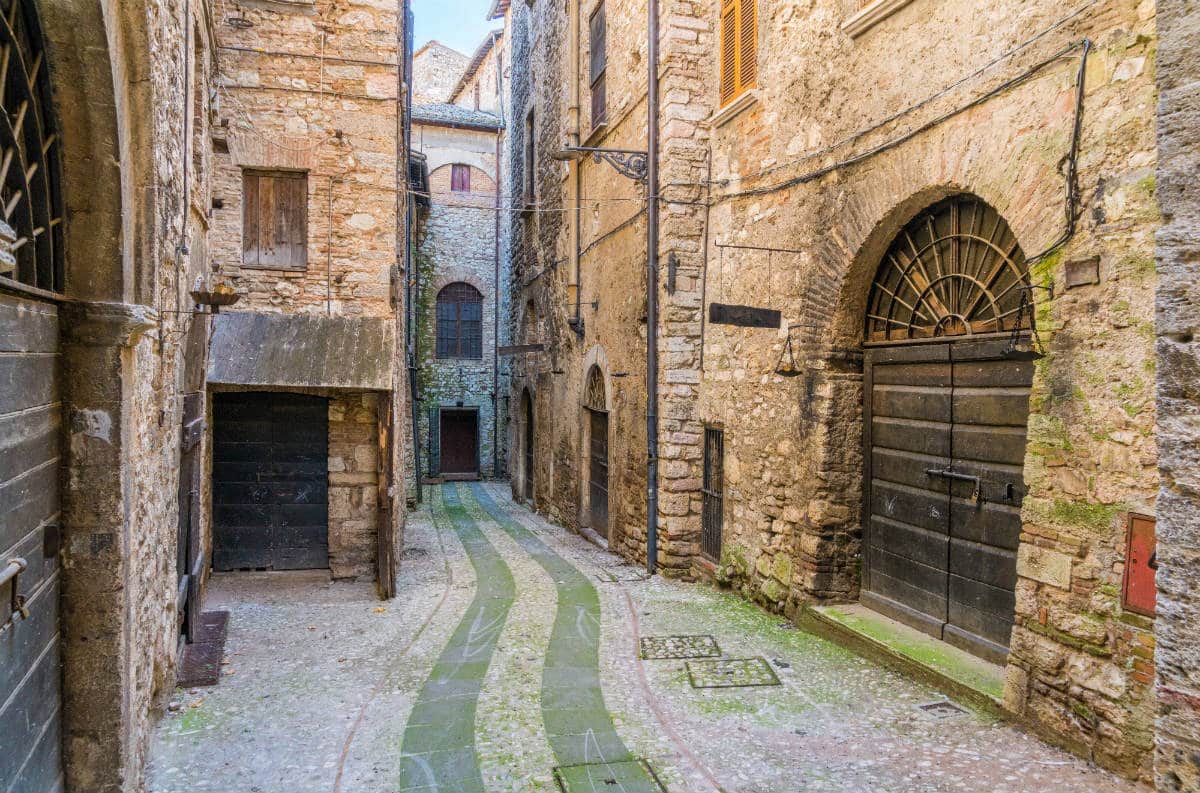
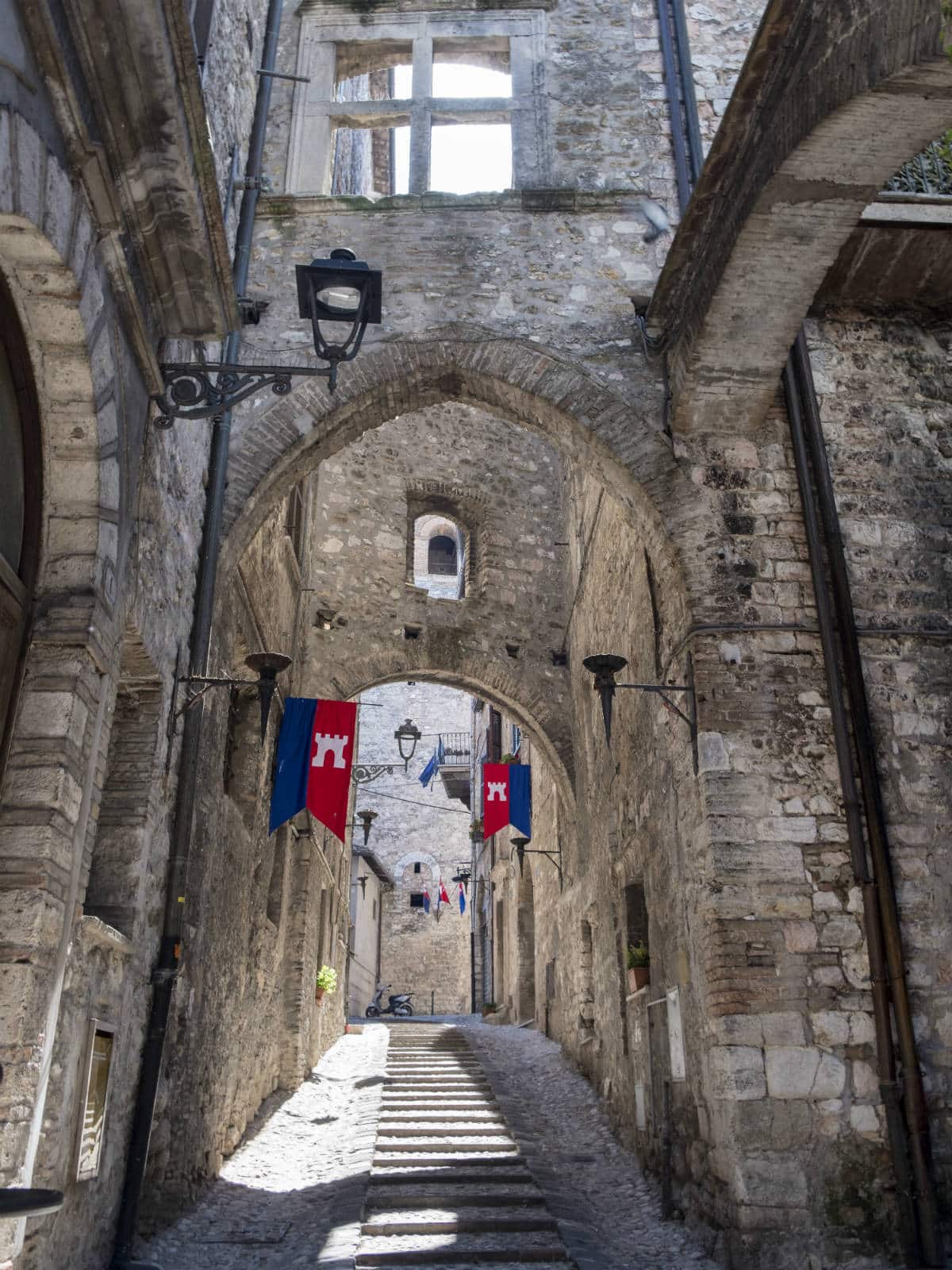
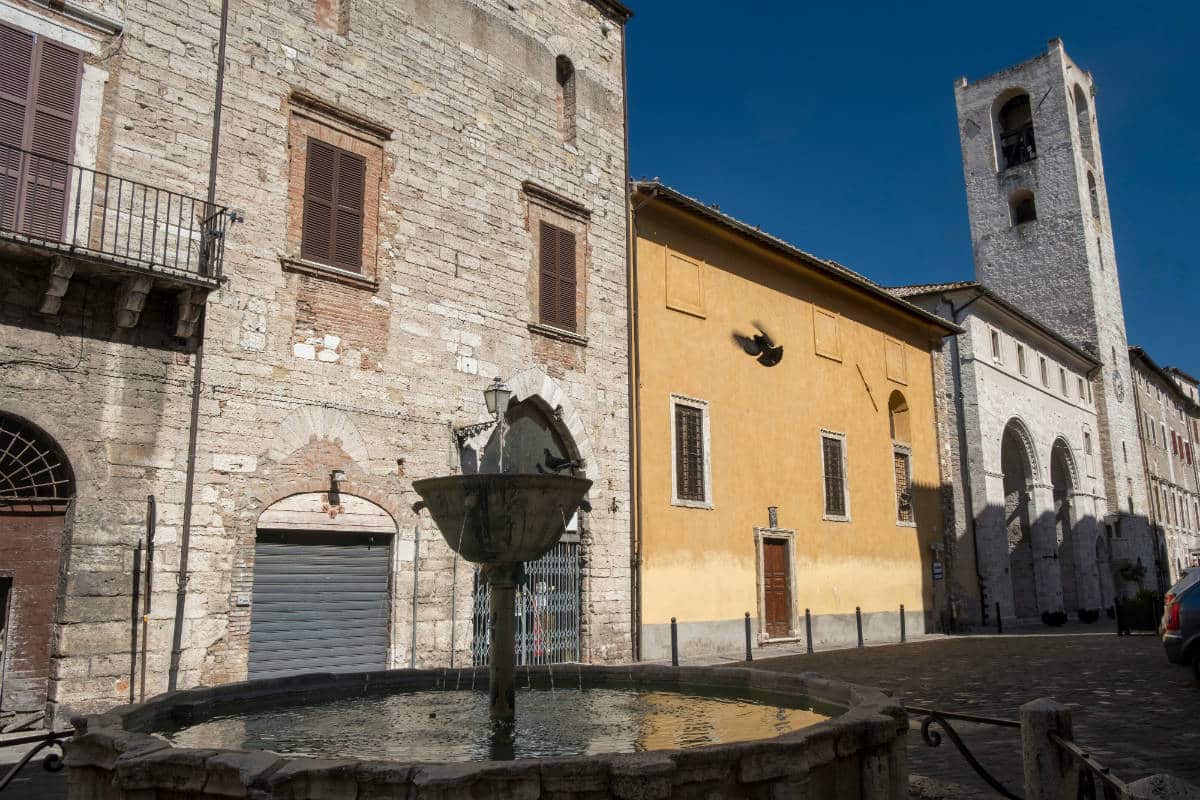
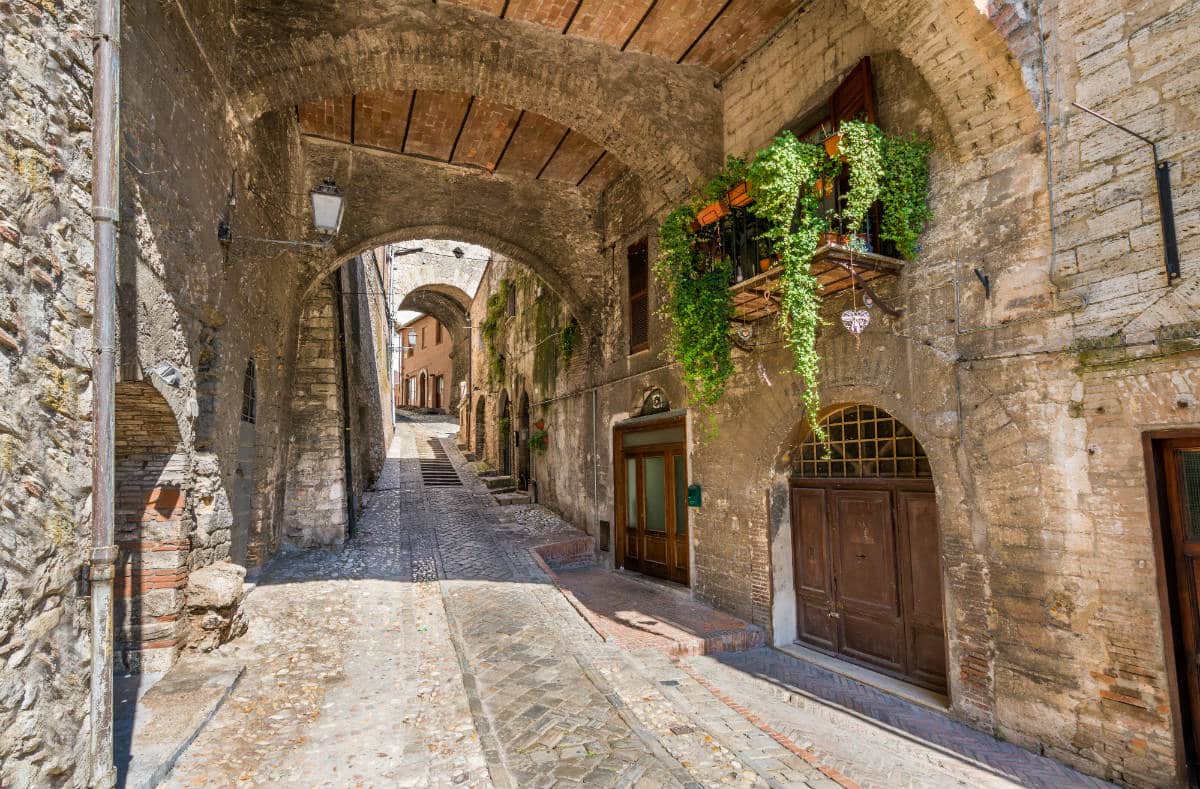
Medieval urban planning created an irregular layout, which gradually occupied the hill, with today’s Piazza Garibaldi as its centrepiece.
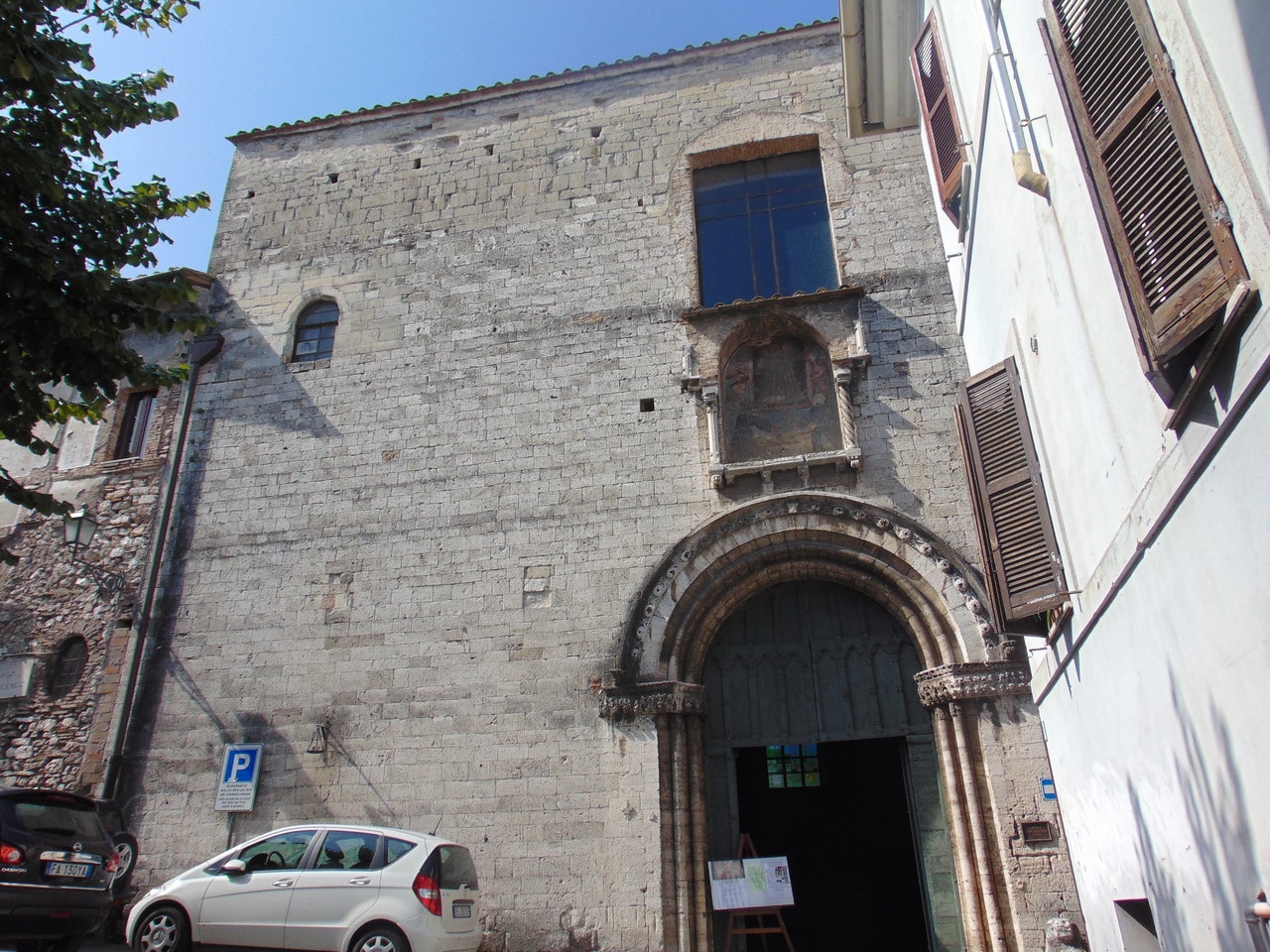
The transformations were radical: the Platea Major replaced the Roman forum, and large civil and religious buildings were constructed, such as the Palazzo del Podestà, the Palazzo dei Priori, the Cathedral of San Giovenale, and the churches of Santa Maria Impensole, San Domenico, and Sant’Agostino, decorated with works by renowned artists such as Benozzo Gozzoli, Vecchietta, Pier Matteo d’Amelia, and Spagna.
In the 14th century, Narni became part of the territories controlled by the papacy, thus losing its independence. Under the pontificate of Gregory XI, Cardinal Albornoz built an imposing fortress that dominates the town from above. With the loss of political autonomy, economic and cultural decline began, including the episode of the sack of the Lanzichenecchi (17 July 1527) and the plague that followed in their wake. The city was not destroyed, but the human losses were considerable. In the following years, the survivors began reconstruction and some illustrious citizens restored prestige to the city, including the Arca, Cardoli, Eroli, Cesi and Sacripante families. In 1664, the Municipal Library was founded.
The French Revolution and its armies completely changed the old order in Italy: in 1789, Narni became part of the first Roman Republic, which fell and was replaced by papal rule. During the revolutionary and Napoleonic period, Narni once again followed the fortunes of the Papal States, which were subsequently annexed to the French Empire. After 1814, the Restoration sought to strengthen the old structures and order of the state, but the new unrest continued; in 1831, Narni joined the short-lived revolt against Gregory XVI. In 1849, the second Roman Republic sparked hopes and illusions, and the progressive evolution of the Risorgimento, in which Narni patriots played a large part, led to the annexation of Umbria to Italy, which was formed in 1859-60. In 1856, the municipal theatre was inaugurated with a performance of Giuseppe Verdi’s La Traviata. On 23 September 1860, after the city had been occupied by Piedmontese troops on the 21st of the same month, the Rocca surrendered, thus ending papal rule over Narni to the great enthusiasm of the population.
Village of Narni
Municipality of Narni
Province of Terni
Umbria Region
Population: 18.631 narnesi
Altitude centre: 240 m s.l.m.
the Municipality is part of:
Strada dei Vini Etrusco Romana in Umbria
Municipality
Piazza dei Priori 1 – Tel. +39 0744 7471
BY CAR
- From the North: A1 motorway, Orte exit; Expressway to Terni; Narni exit; or subsequently exit Amelia and Narni Scalo
- From the South: A1 motorway, Magliano Sabina exit; continue through the SS 3 Flaminia towards Terni
ON THE TRAIN
- Narni-Amelia station
BY PLANE
- Perugia airport
- Rome Fiumicino Airport
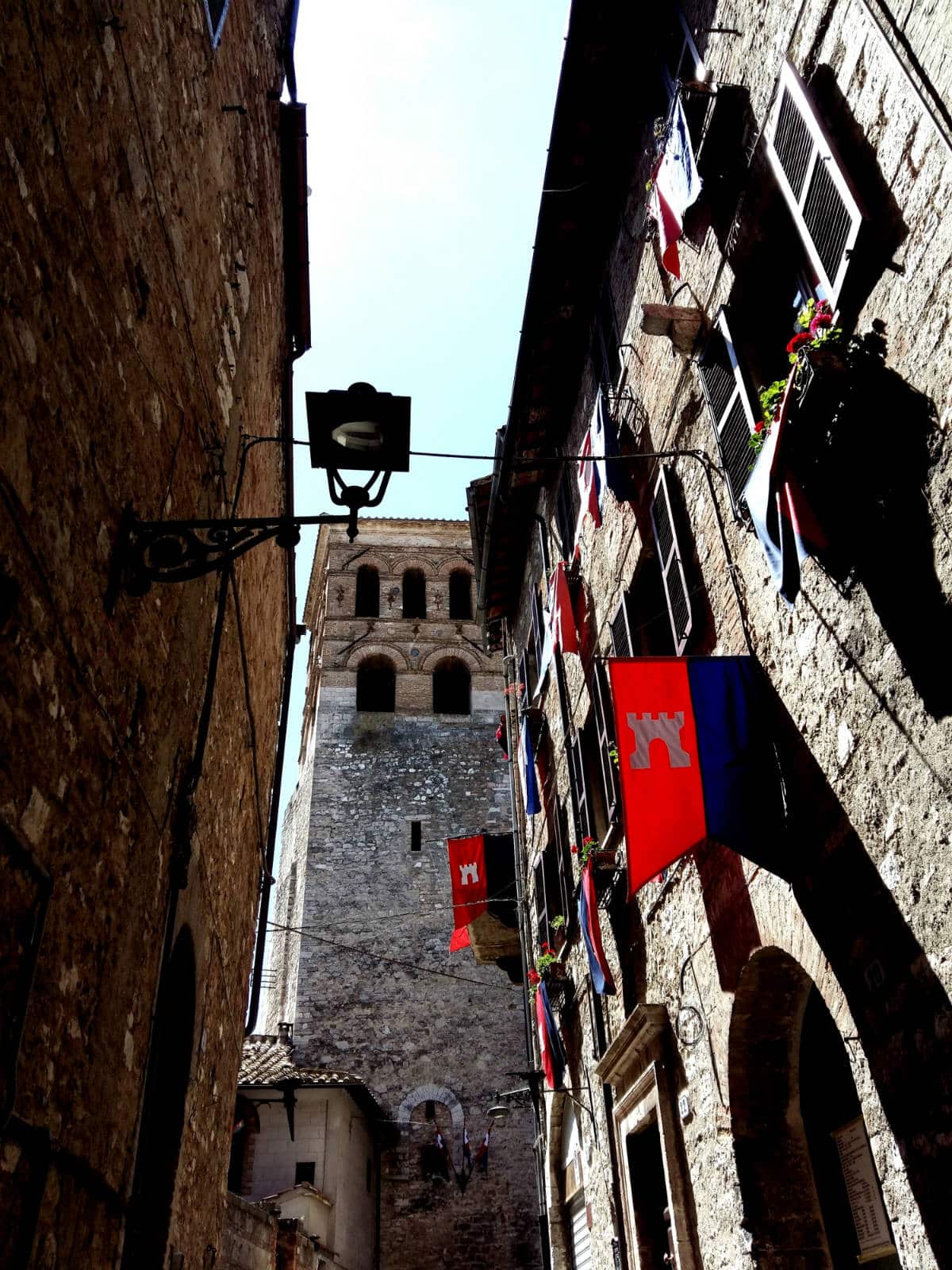
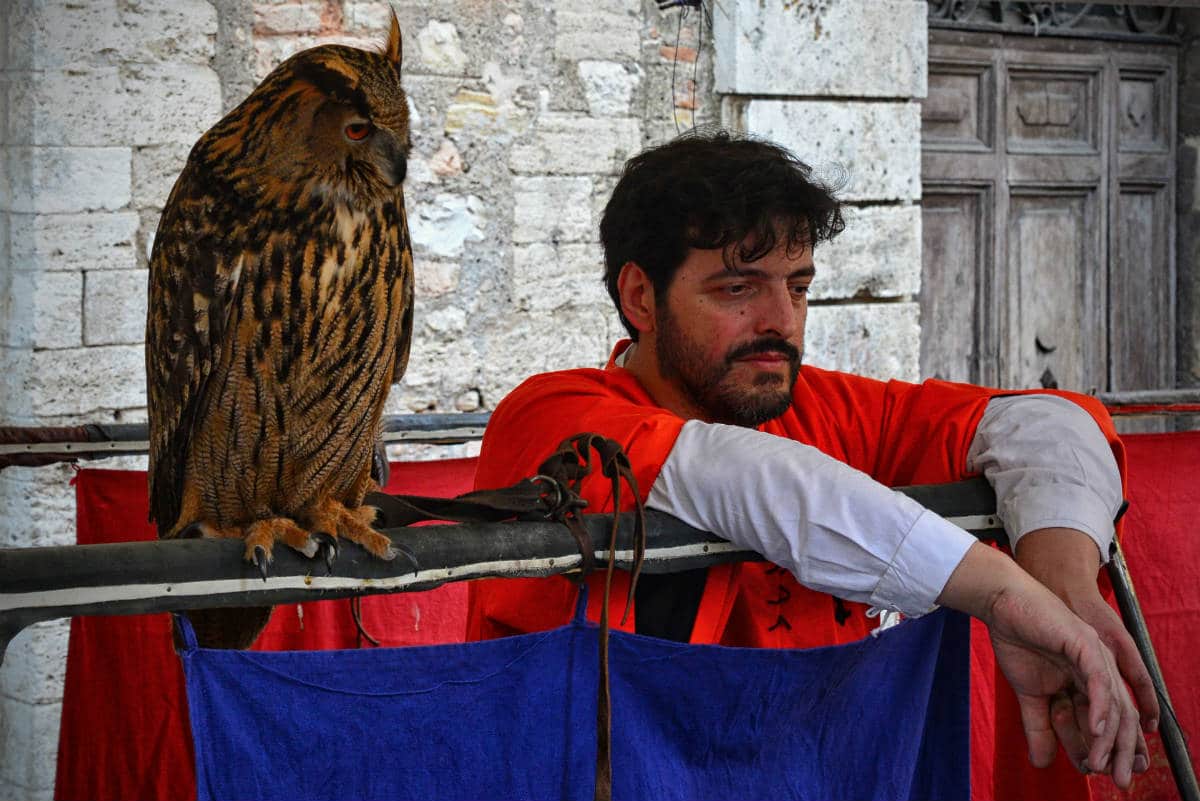
Race to the Ring: The birth of the feast that characterizes the village of Narni gets lost in the maze of history. Only thanks to the reform of the statutes which occurred in 1371 it has certain notice of the “Race to the Ring”. The festivities in honor of the Patron Saint Giovenale lasted three days and foresaw the rites and ludi that gathered in the city the religious authorities and municipal authorities, representatives of the castles under the jurisdiction of the city. The municipal authorities in organising events and races various thus enhancing the skills of the young narnesi demonstrating their preparation in the defense of the city against anyone attentasse to his freedom. Three days before the feast of the patron saint on 3 May, the “Dominus Vicarius” had read the “Banno” with which he invited the youth of the three Terzieri citizens to compete and all the people to celebrate in honor of San Giovenale. After paying tribute in the Cathedral to the mortal remains of the Saint, the people gathered in Piazza dei Priori, from where they left to shift and in order of importance the knights of Terzieri spearhead the gallop toward the ring trying to slip it with the lance. The ring was placed at the beginning of Via Maggiore (today Via Garibaldi) and was held at a certain height from the ground by two soft cords pulled between the opposing blocks.
Retracing the consolidated tradition in time, every year, in the two weeks preceding the Second Sunday of May, Narni relives passionate days and fascinating. A historic center that sees become through environments of medieval alleys and squares, pageants and events of a cultural nature and artistic, parades in costume with clothes wisely and reconstructed philologically to such a point as to seem living pictures. Next to this is added the hot climate of an equestrian tenzone which is second to no other historical commemoration italiana. The event involves the whole city, still today mediaeval agglomeration perched, firmly and with tenacity daring, on a mountain full of greenery and cliffs where the eye has difficulty to be satiated because it offers the nature and history of the place. For more than fifteen days, between various events and parades, people gather in inns or taverns almost to prepare with the heart and mind to the final apotheosis: a quick run and measured in the precision that a group of knights arditi tackles, because a Terziere at the end should prevail over the other winning the silver ring and it boast glory for the whole year.
What to see in Narni
Discover what to see in Narni among monuments, scenic views, museums, churches and symbolic places of the village. A useful selection to plan your visit and explore the area.
Events in Narni
Upcoming events, festivals and initiatives.

News and stories about “Narni”
Insights and stories from the area, to keep discovering.

Continue the journey
Narni is only one of the treasures of the area. Use the interactive map to discover what to visit nearby, how far the other villages are and which experiences you can enjoy along the route.
Explore the area