 San Martino di Castrozza
 VIVA! Festival 2026
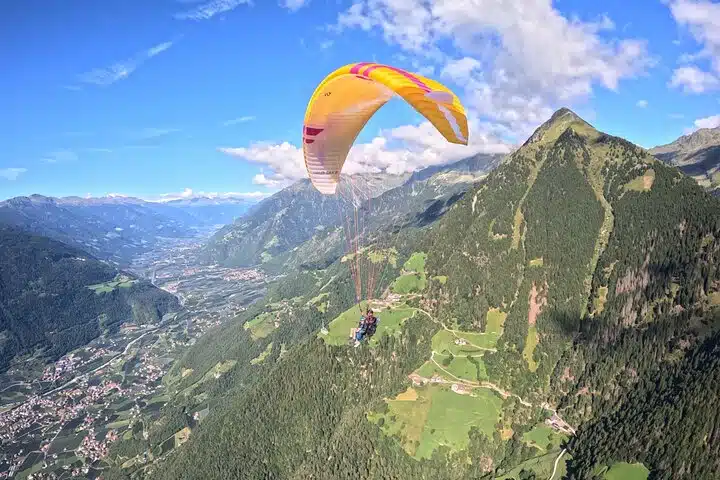 Tandem paragliding flights in Tirolo and Merano: the thrill of flying over the Alps
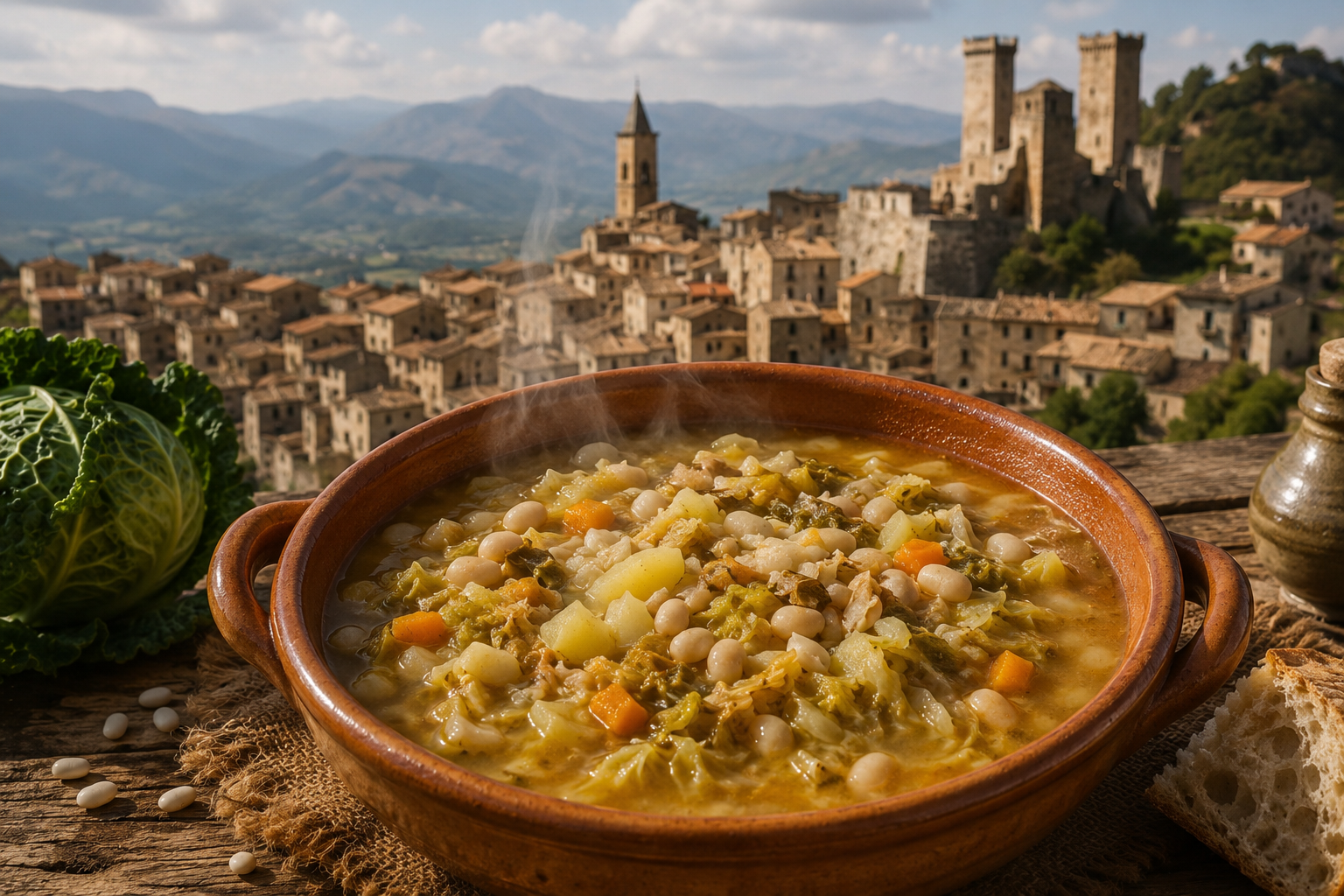 Recipe: Polta di Pacentro, the peasant dish that symbolises the traditions of Abruzzo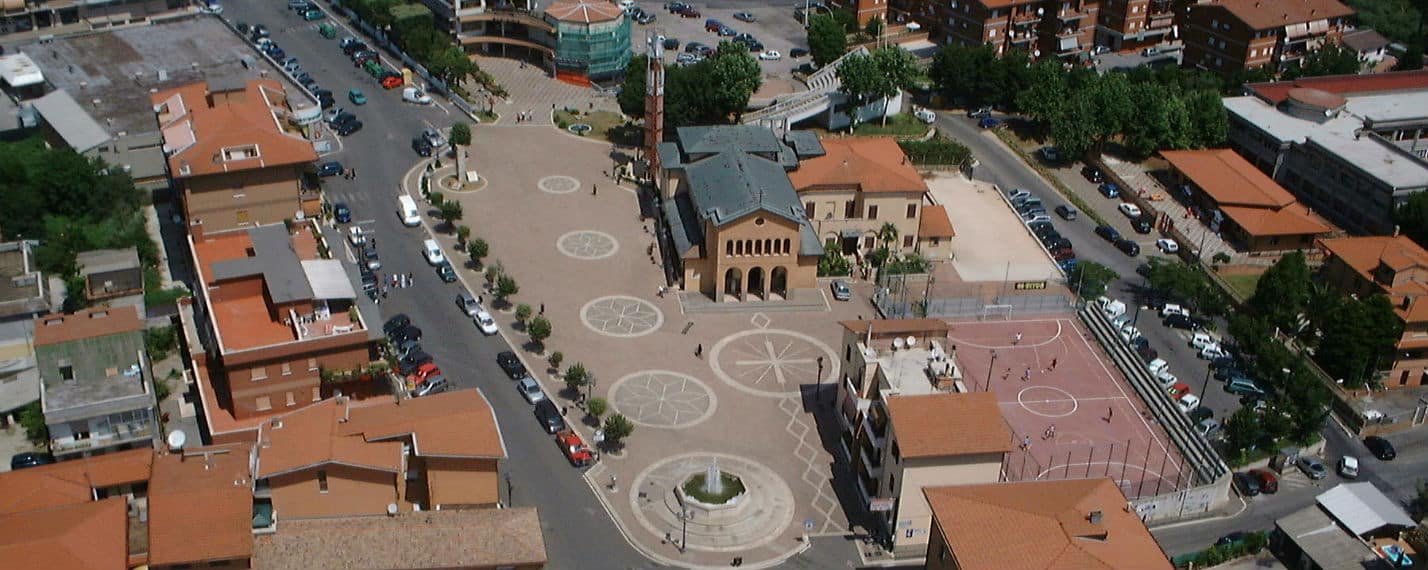
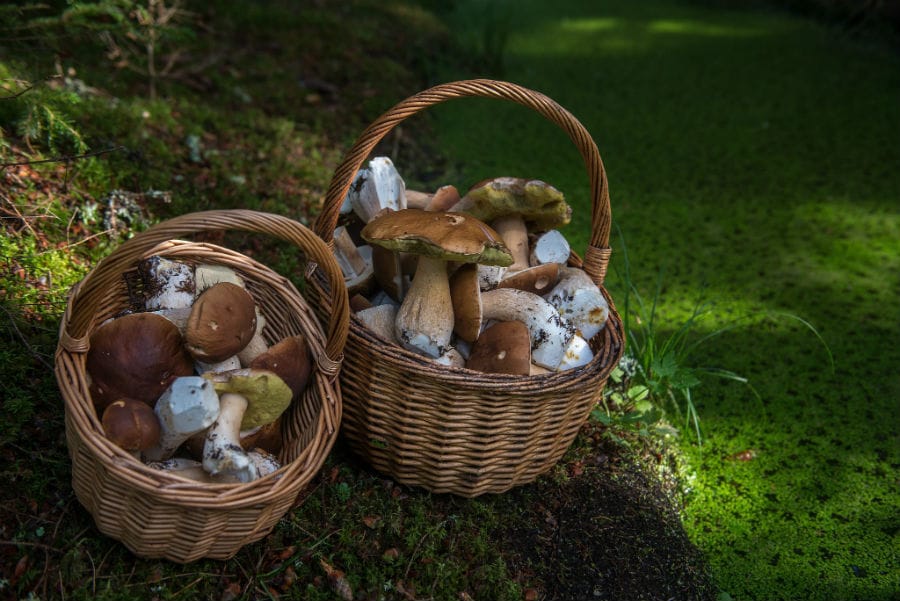
Lariano, which falls largely in the Castelli Romani Regional Park, is famous for its porcini mushrooms, abundant in the surrounding woods, which are locally tasted especially with polenta, but not only. The woods from which the town is surrounded allow, during the favorable season, interesting naturalistic excursions along the mountainous relief of the Maschio d’Ariano.
Photo gallery
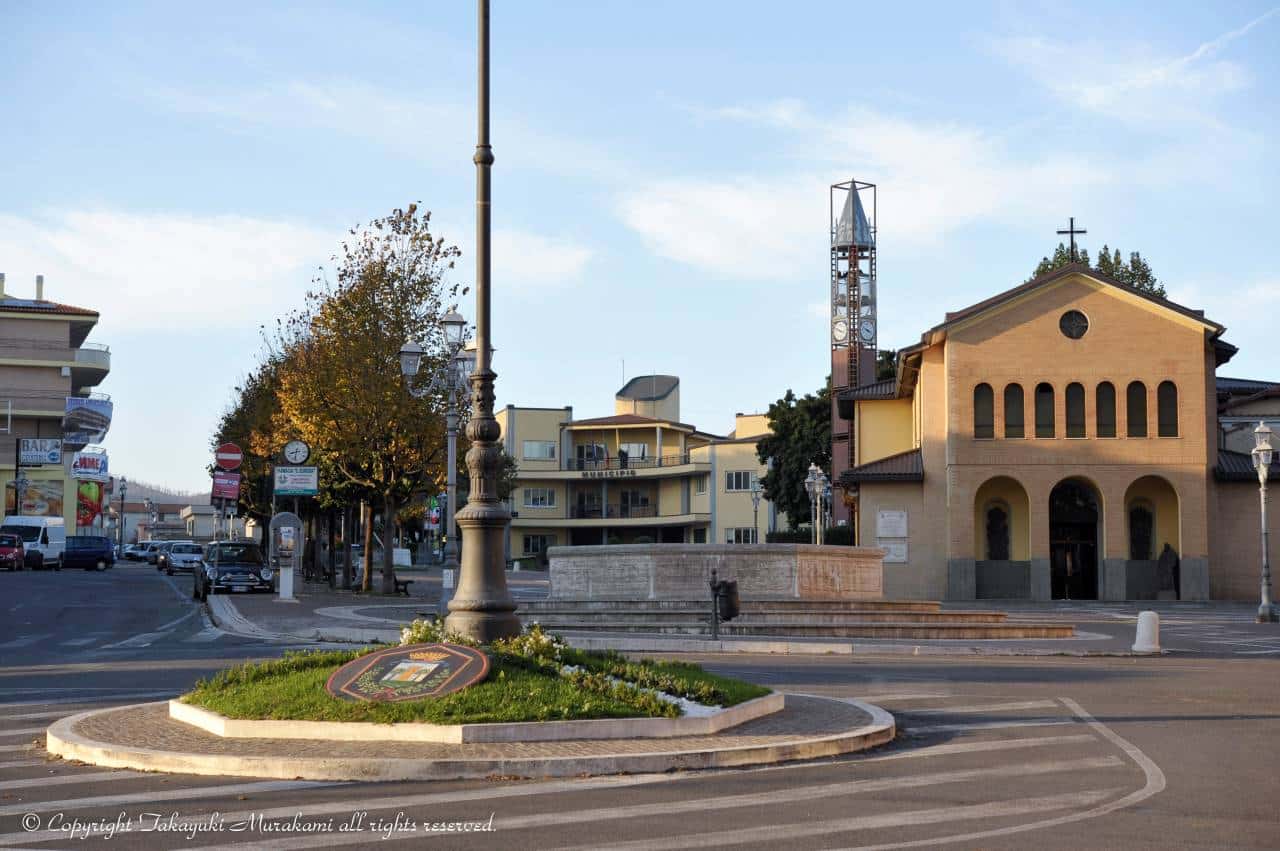
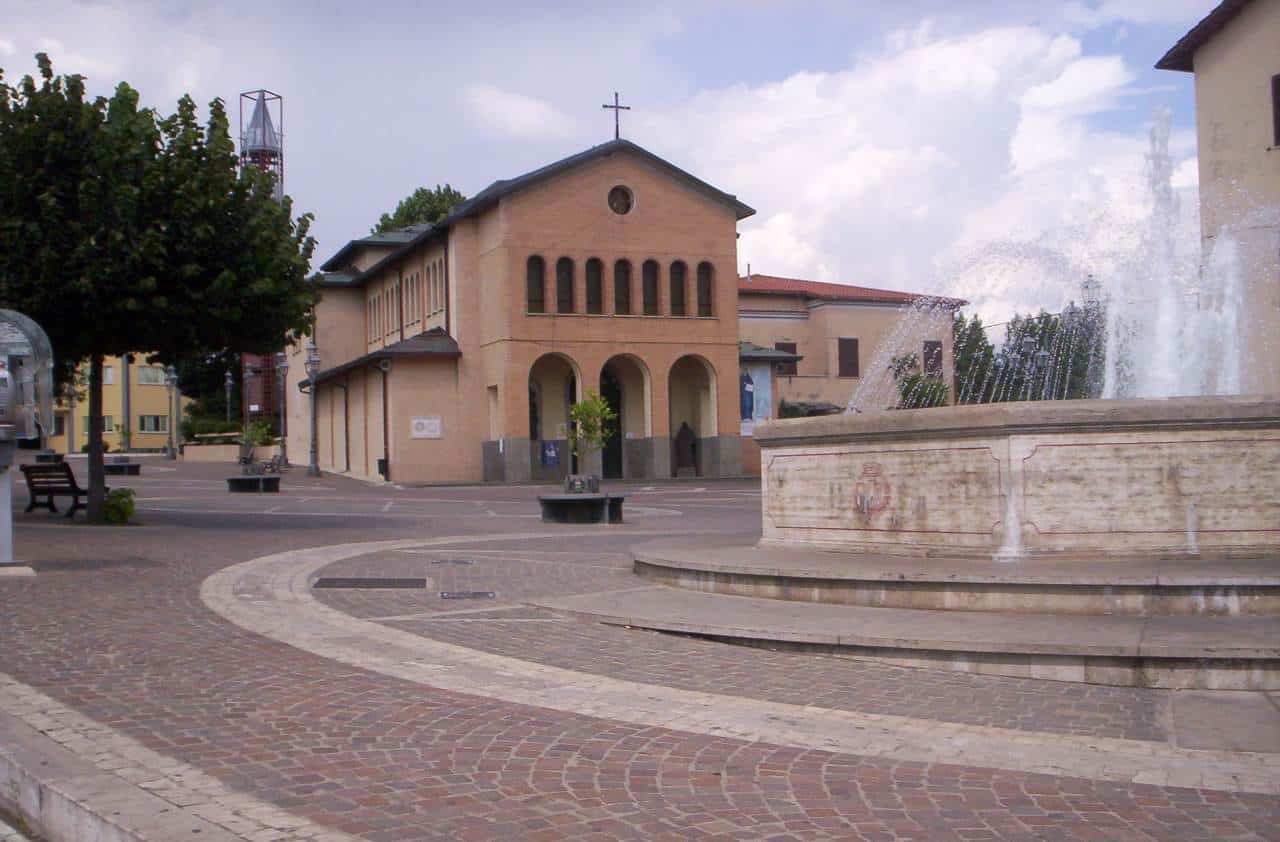
In the heart of the Castelli Romani Regional Nature Park, among dense woods, chestnut groves and ancient volcanic craters, Lariano is a village that tells a thousand-year-old story intertwined with the powerful nature of the Alban Hills. Nestled in the greenery that covers the Artemisio mountain range, this centre of the Castelli Romani preserves a soul deeply connected to the land, wood and bread, but also to a strategic past that has its roots in Roman and medieval times.
The origins and the Maschio di Lariano
The name Lariano derives from the ruins of the ancient castle built on Mount Artemisio, later known as Maschio di Lariano or Maschio d’Ariano. Originally, the site was called Algido or Ariano and, according to tradition, a fortification known as the Algido castle already existed here in 328 BC. Over time, the article merged with the name, resulting in the current form. This hill, part of the ancient crater of the Laziale Volcano, played a key role in the Roman Empire, when it was a fundamental outpost for the defence of Rome. Its dominant position allowed control of both the Via Appia and the Via Anagnina, making it a highly coveted strategic point.
Between Roman history and the Middle Ages
Classical sources evoke the charm and sacredness of these places. In the Carmen Saeculare, Quintus Horatius Flaccus recalls a temple dedicated to the goddess Diana on Mount Algidus, while Titus Livius recounts the fierce battles between the Romans and the Equi who fought each other in this area for over two centuries. The battle of Mount Algidus is famous, linked to the legendary figure of Cincinnatus, which according to tradition may have taken place on these very hills. During the imperial era, attracted by the privileged location and healthy air, numerous Roman patricians built villas here, as evidenced by the artefacts now preserved in the Vatican Museums and the museum in Velletri.
In the Middle Ages, the castle was rebuilt in the 10th century by Demetrio, son of Melosio, to provide refuge during the Arab raids of 846. In the following centuries, ownership of the Maschio di Lariano was disputed by powerful families such as the Counts of Tuscolo, the Annibaldi, the Savelli and, above all, the Colonna. On 26 October 1436, the castle surrendered and was destroyed; Pope Eugene IV donated the territory to Velletri as a sign of gratitude. After further changes of ownership and new demolitions in the 15th century, the fortress was finally demolished. In the following centuries, the ruins became a refuge for brigands, including the famous Gasperone, contributing to the legendary charm of the place.
Nature and panoramic views
Today Lariano lives in harmony with its natural environment. Much of the territory falls within the Castelli Romani Park, a protected area of approximately 15,000 hectares that encompasses the ancient volcanic system of the Alban Hills. The woods surrounding the town offer picturesque scenery in every season and invite visitors to go hiking along the Maschio d’Ariano, among paths that also intersect with a variant of the Via Francigena del Sud. From the panoramic viewpoints, there is a view that stretches over the Pontine Plain, the Lepini Mountains and as far as the coast of Anzio and Nettuno, offering glimpses of rare beauty.
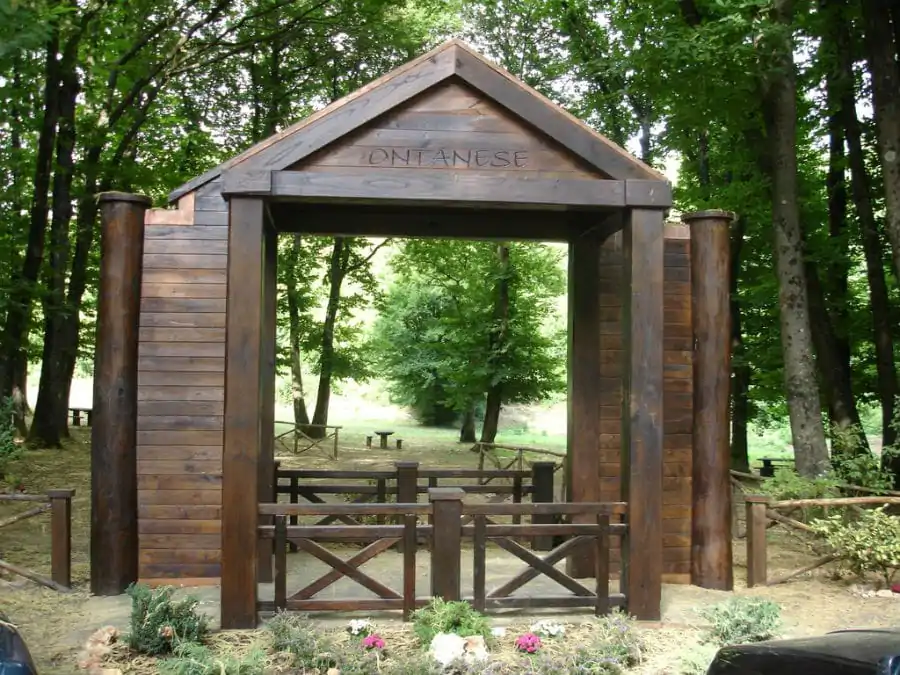
One of the most popular attractions is the Big Bench 289, located in Colle Magisterna. After a walk through olive groves and orchards, at the entrance to the woods you will find a large yellow-green bench surrounded by small wooden sculptures depicting mushrooms, the symbol of the village. Sitting here means letting yourself be enveloped by the silence of nature and enjoying a wide and evocative view of the entire area.
Homemade bread, the soul of the village
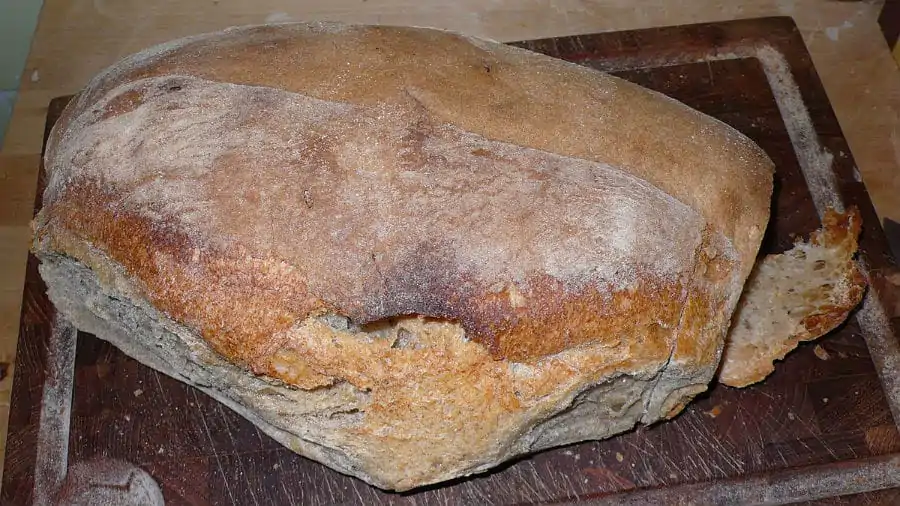
If nature is the green heart of Lariano, bread is its true genius loci. Lariano’s homemade bread is made with semi-wholemeal wheat flour and sourdough, undergoes double leavening and is baked in wood-fired ovens fuelled exclusively with chestnut wood. The result is a dark bread with a golden, fragrant crust and a dense, spongy crumb, symbolic of the local farming tradition. Alongside bread, another typical speciality is cellitti, long gnocchi made from unleavened bread dough, celebrated every year in the Cellittata Larianese between late June and early July.
The queen of festivals
Lariano is considered the queen of festivals. From the bruschetta festival to the famous Porcini Mushroom Festival and Lariano Fair, which takes place over two weeks in mid-September with food stands, tastings, music and shows, the village is bustling with events throughout the year. The porcini mushroom, the undisputed star of the show, attracts visitors from all over Lazio and beyond, transforming the village into a great stage for flavours and traditions.
Traditions and identity
Alongside food and wine tourism, Lariano has a strong tradition of woodworking, a fundamental resource for the local economy. The woods are not just scenery, but an integral part of the village’s identity, which has been able to consciously enhance its natural riches.
Lariano is therefore a place where history, nature and flavours intertwine in a continuous narrative. Among the ruins of an ancient fortress, the paths that wind around the crater of an extinct volcano, the smell of freshly baked bread and the energy of its popular festivals, the village offers an authentic and surprising experience in every season.
Village of Lariano
The Municipality of Lariano
Province of Rome
Lazio Region
Inhabitants: 13.432 larianesi
Altitude center: 350 m a.s.l.
The municipality is part of:
Wine Cities
Protected Natural Areas:
Parco regionale dei Castelli Romani
Municipality
Piazza S. Eurosia 1 -Tel. +39 06 964991
BY CAR
- Along the highway, the closest exits to the center of Lariano are:
– Valmontone exit (A1 Milan-Naples)
– San Cesareo exit (A1 Milan-Naples)
– Tivoli exit (A24 Rome-Teramo)
– Exit Length (A24 Rome-Teramo)
ON THE TRAIN
- Velletri station
- Valmontone station
BY PLANE
- Rome Ciampino Airport
- Rome Fiumicino Airport
Continue the journey
Lariano is only one of the treasures of the area. Use the interactive map to discover what to visit nearby, how far the other villages are and which experiences you can enjoy along the route.
Explore the area