 San Martino di Castrozza
 VIVA! Festival 2026
 Tandem paragliding flights in Tirolo and Merano: the thrill of flying over the Alps
 Recipe: Polta di Pacentro, the peasant dish that symbolises the traditions of Abruzzo
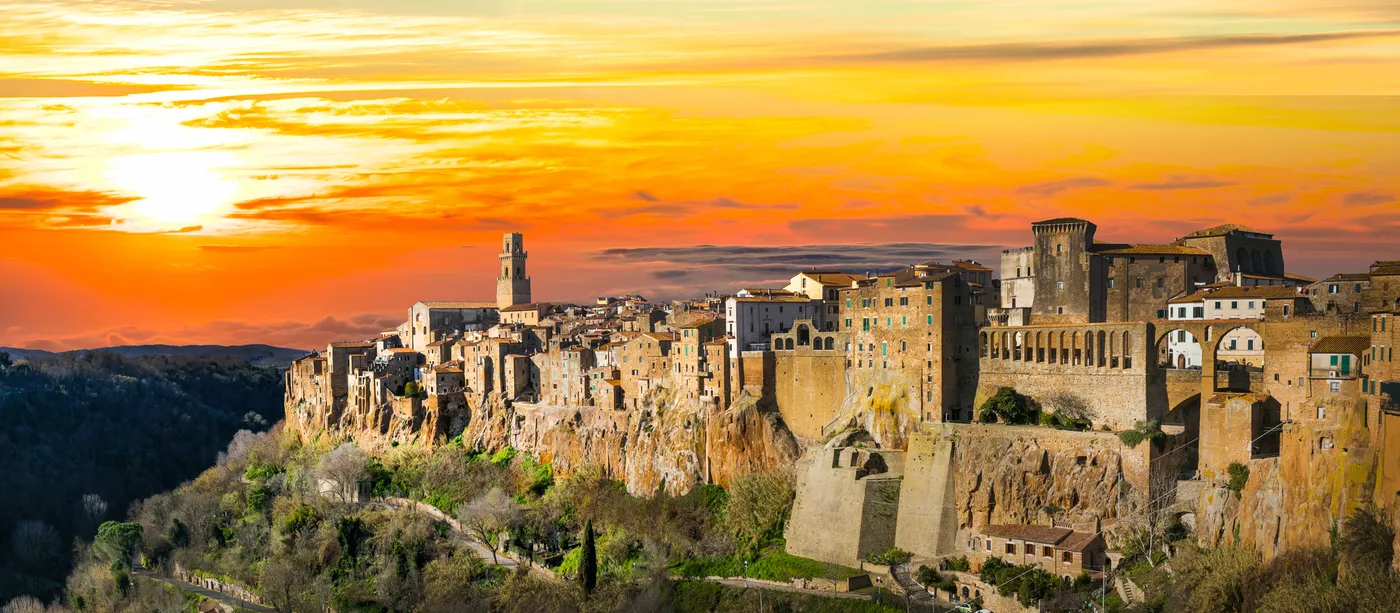
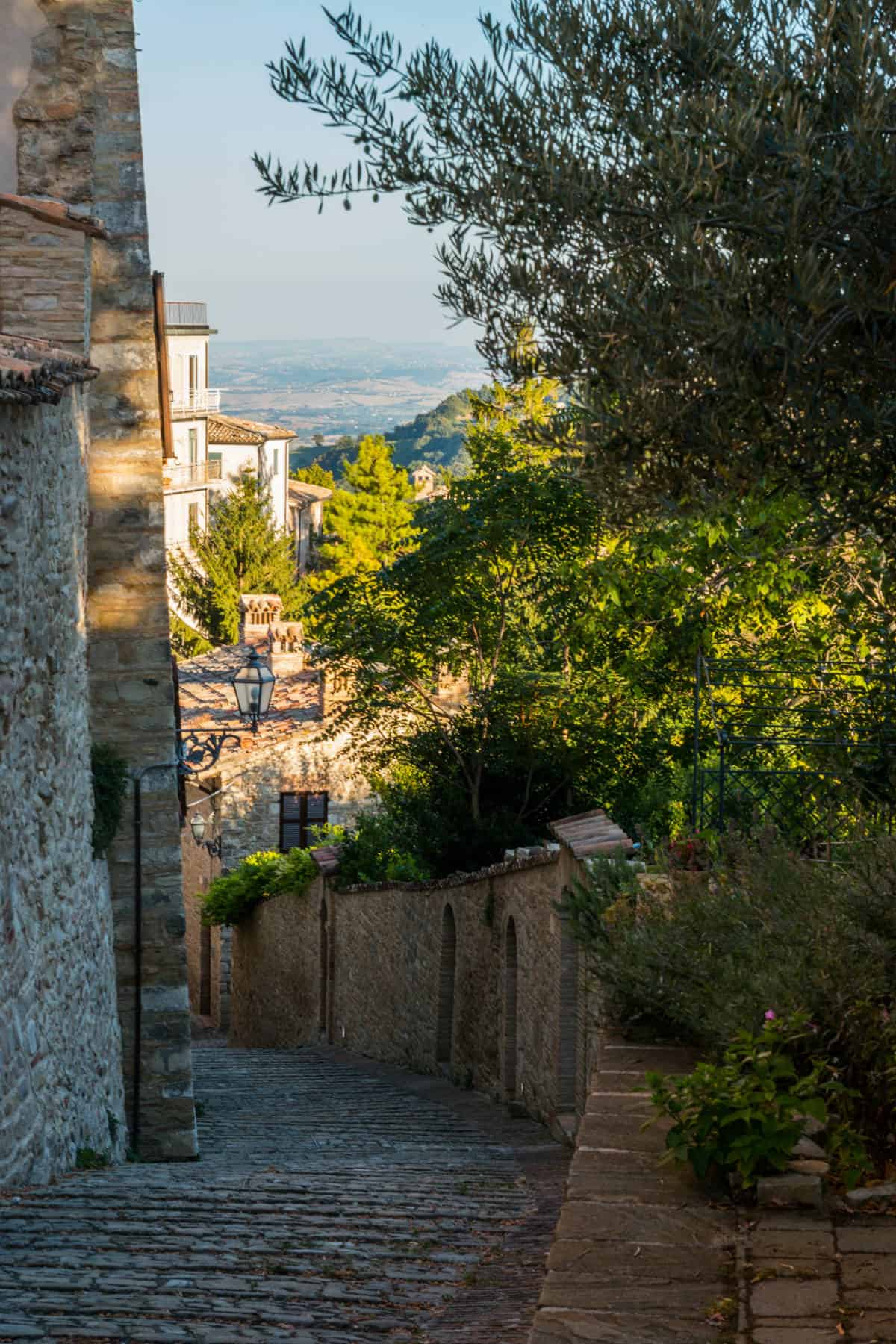
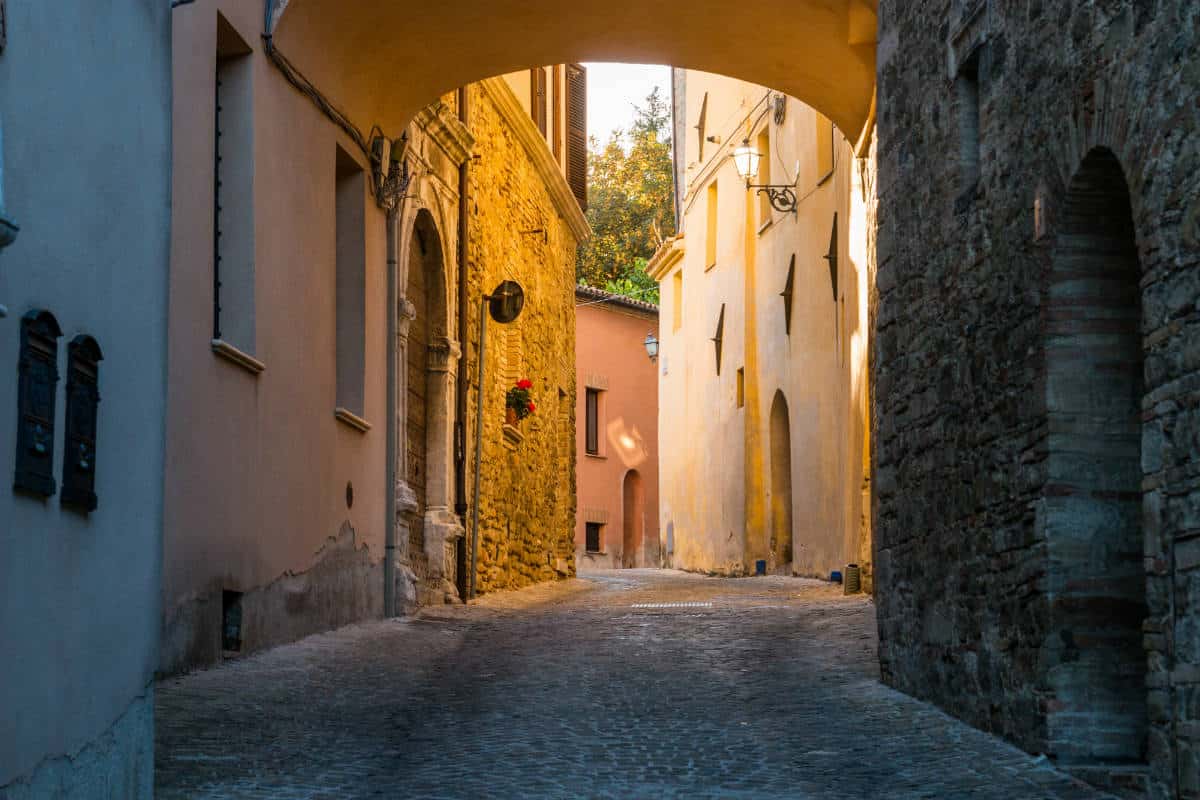
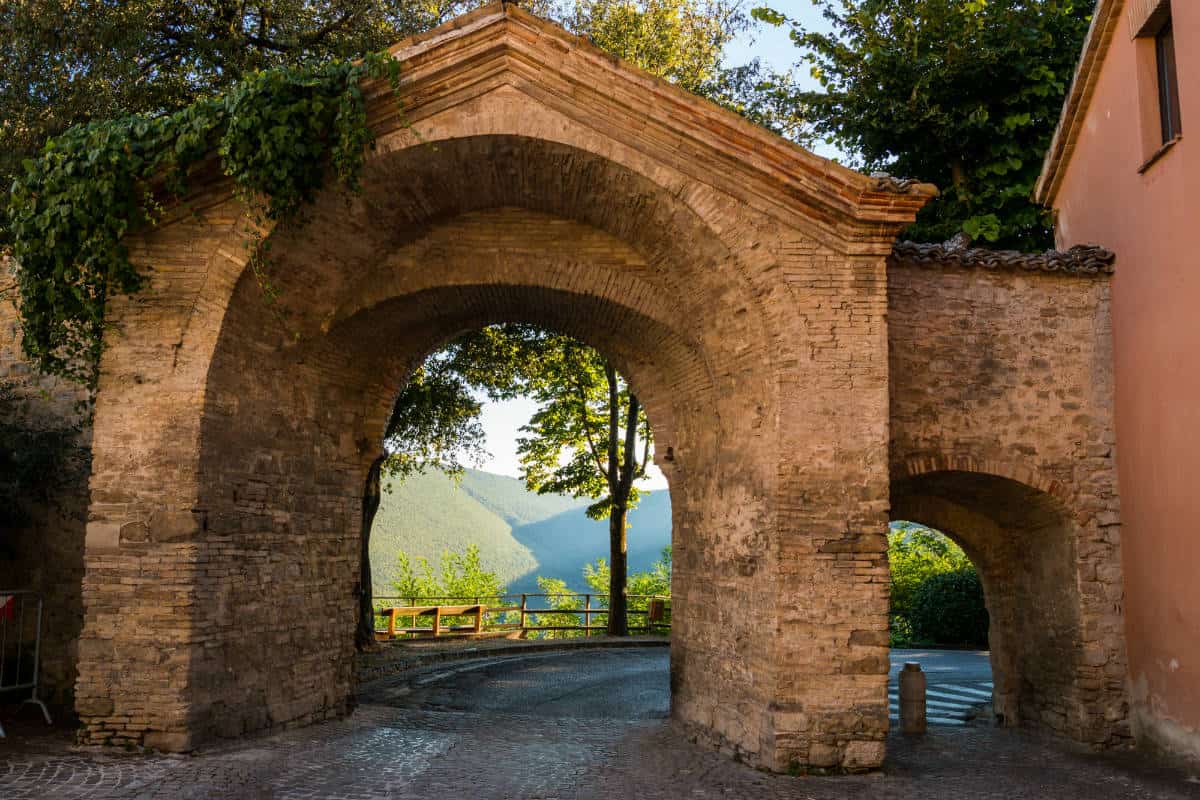
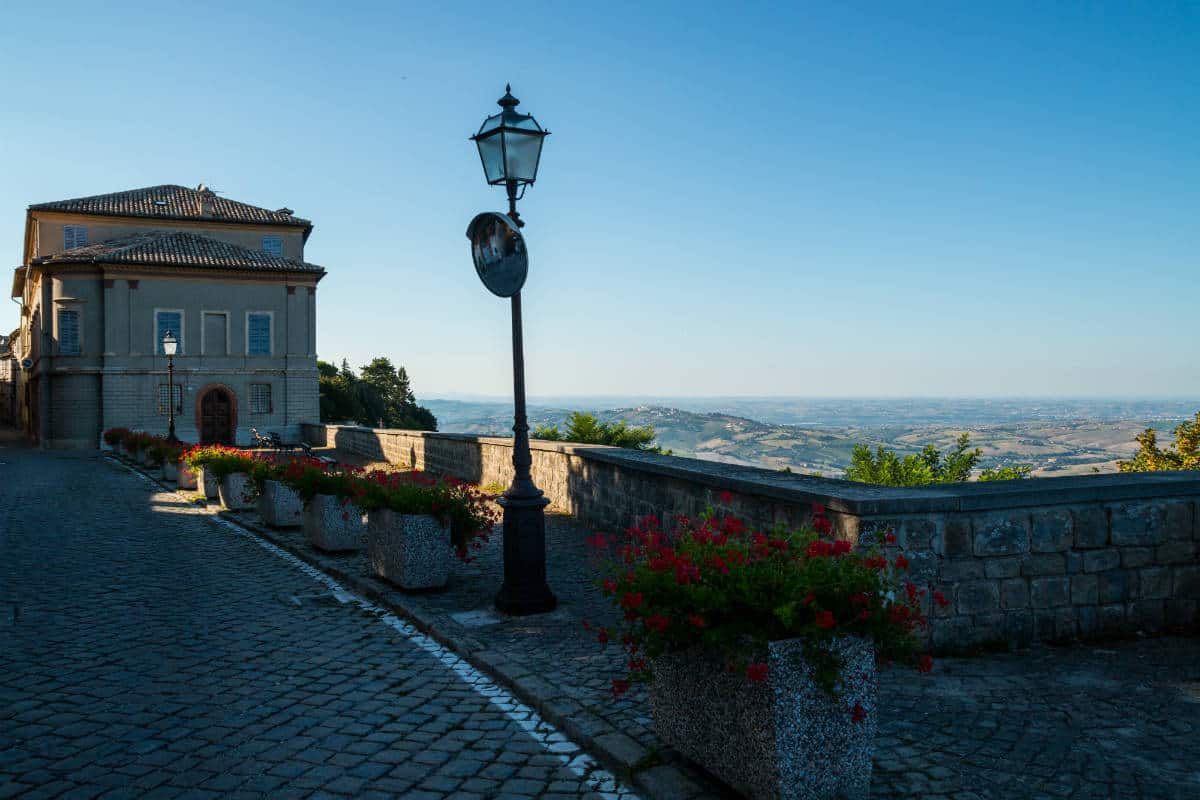
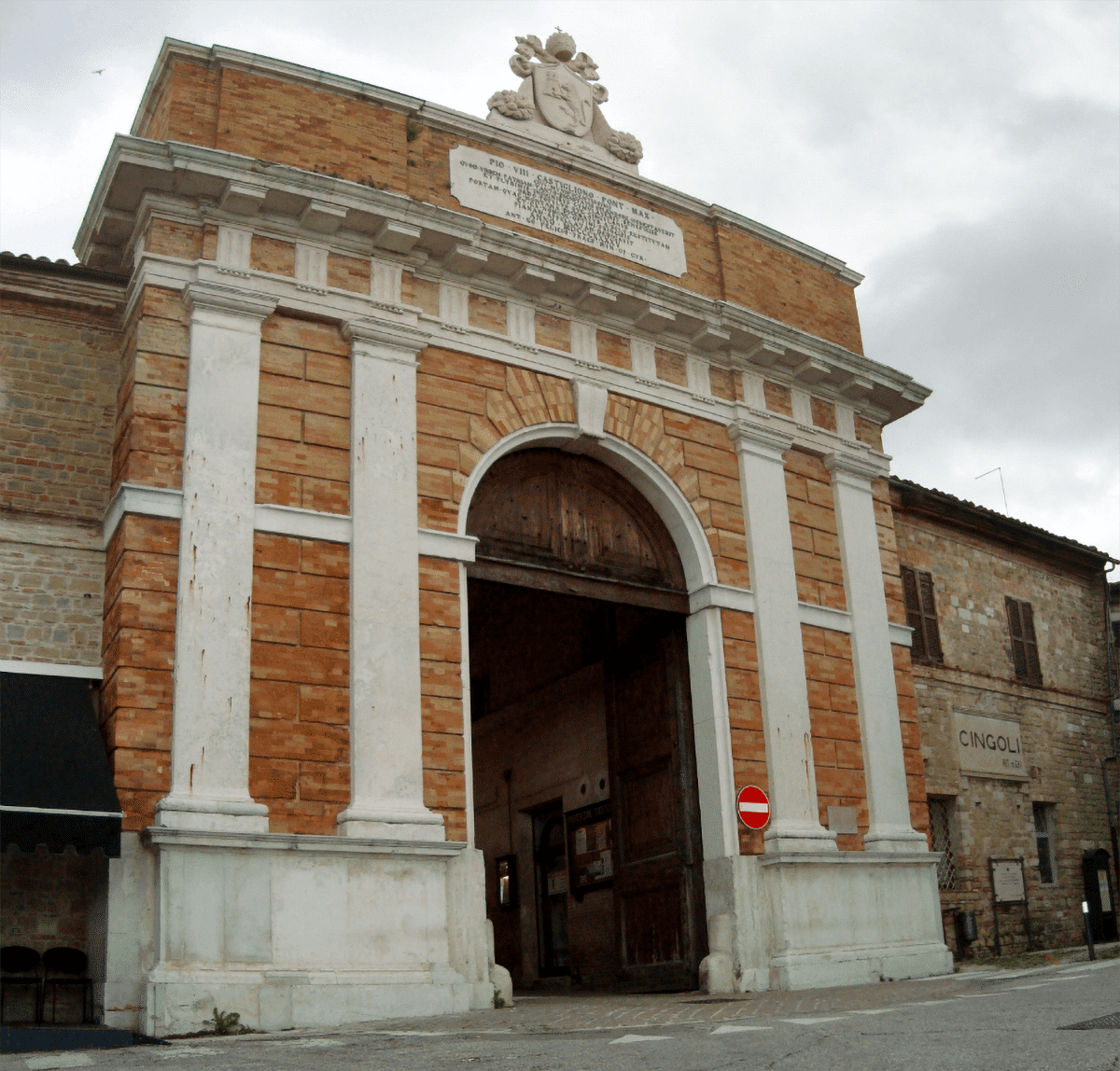
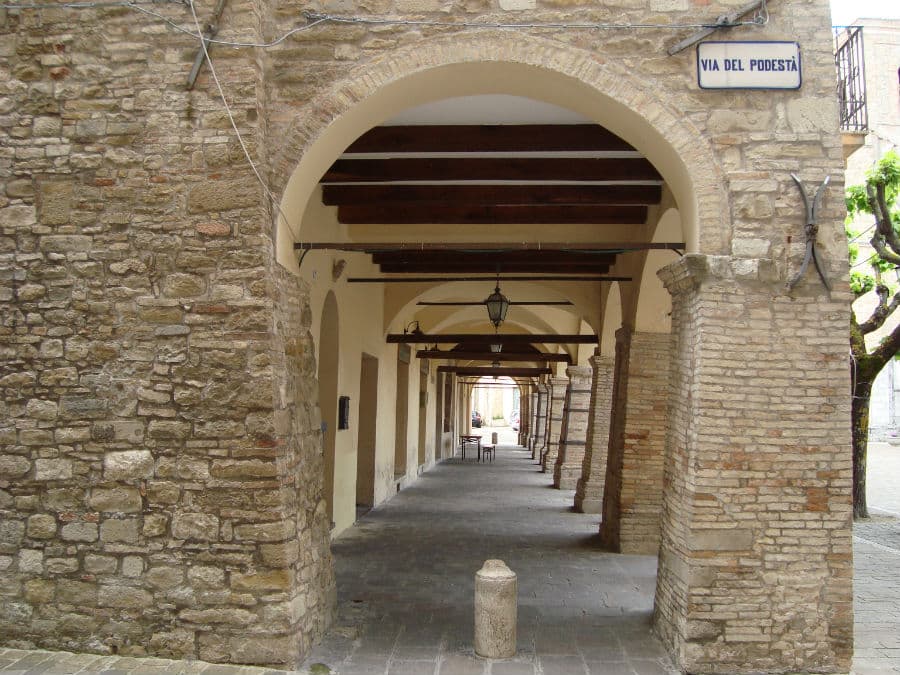
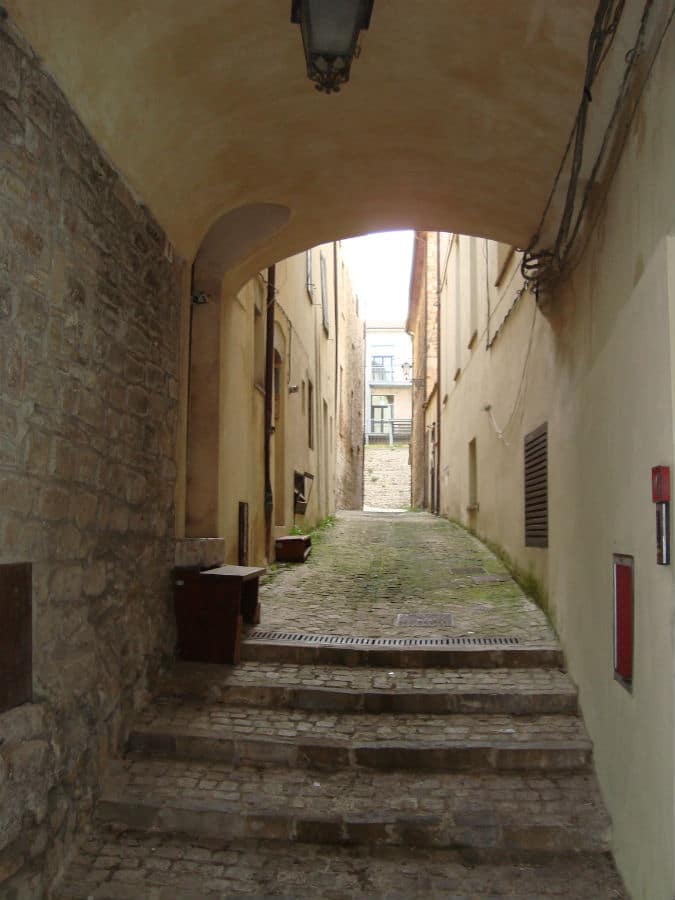
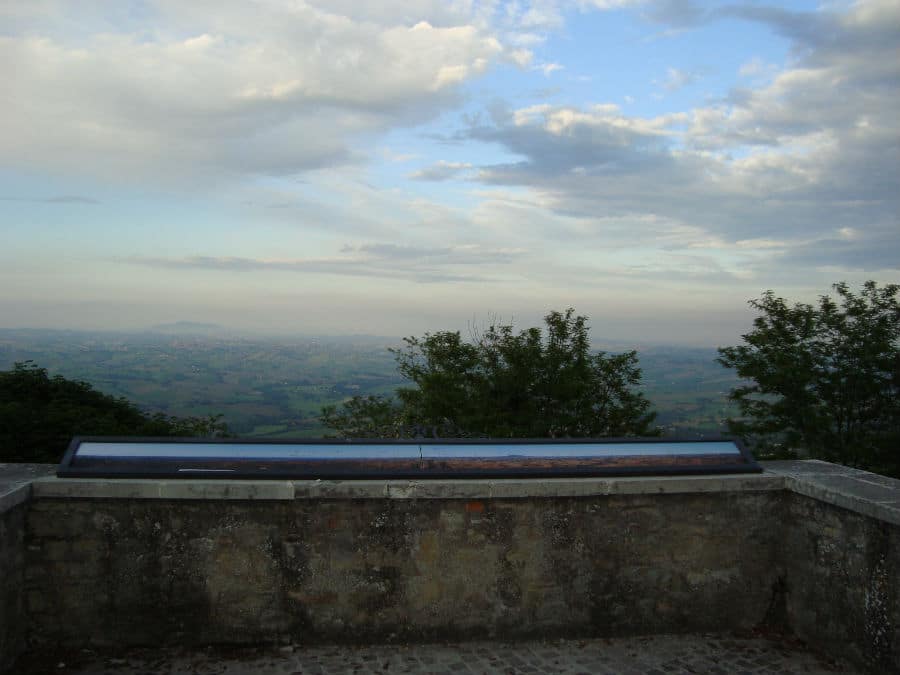
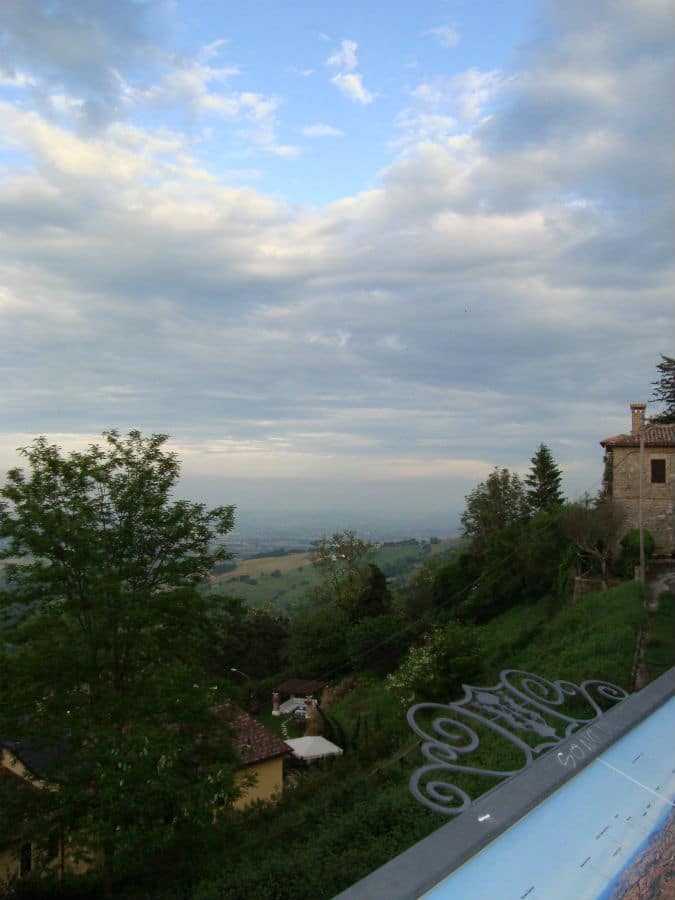
Cingoli, called the “Balcony of the Marche”, is one of the most beautiful villages in Italy. From a large terrace, on the castle walls of medieval origin, it is possible to enjoy the view of most of the Marche region. The municipal area of Cingoli is very large and well preserved. The center is characterized by the succession of noble palaces with warm colors of plaster and Renaissance portals.
Photo gallery
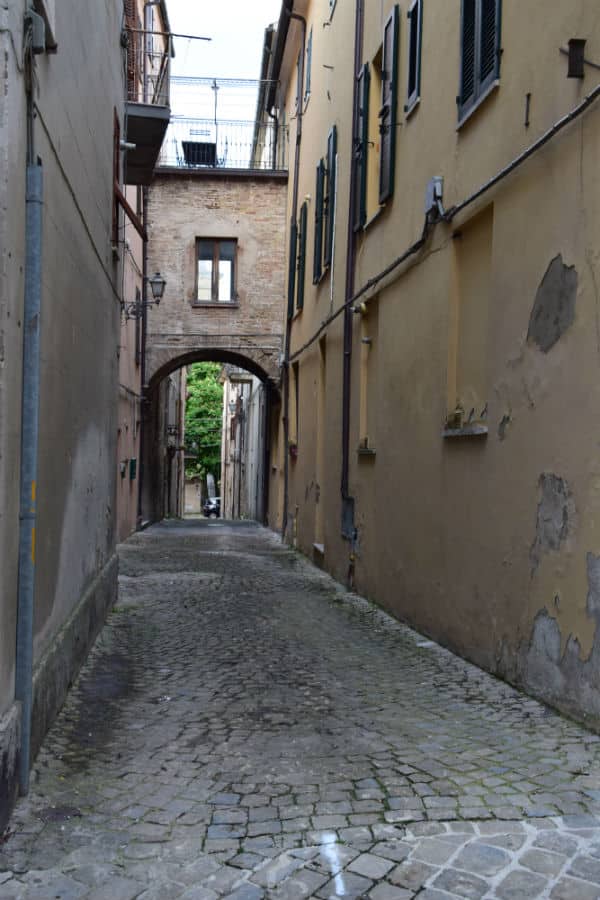
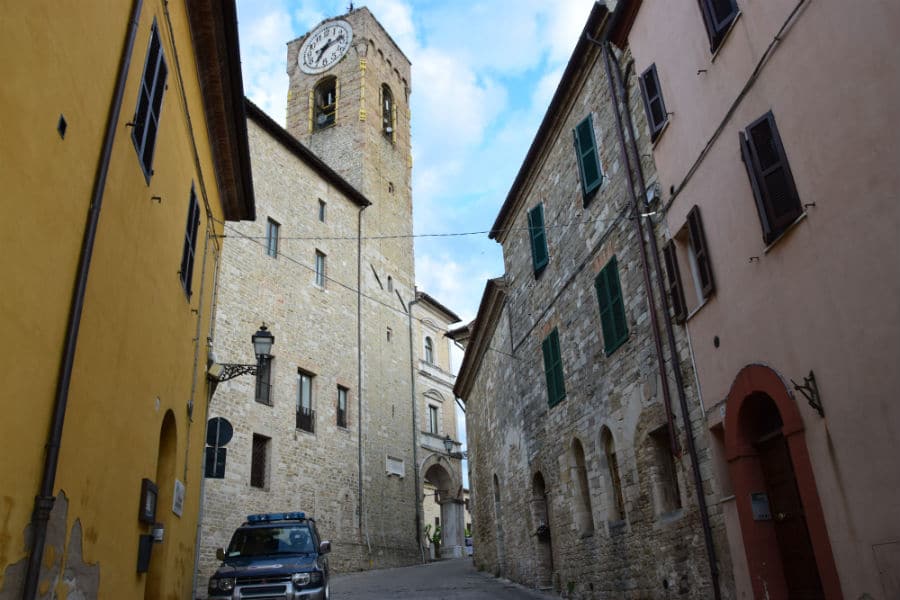
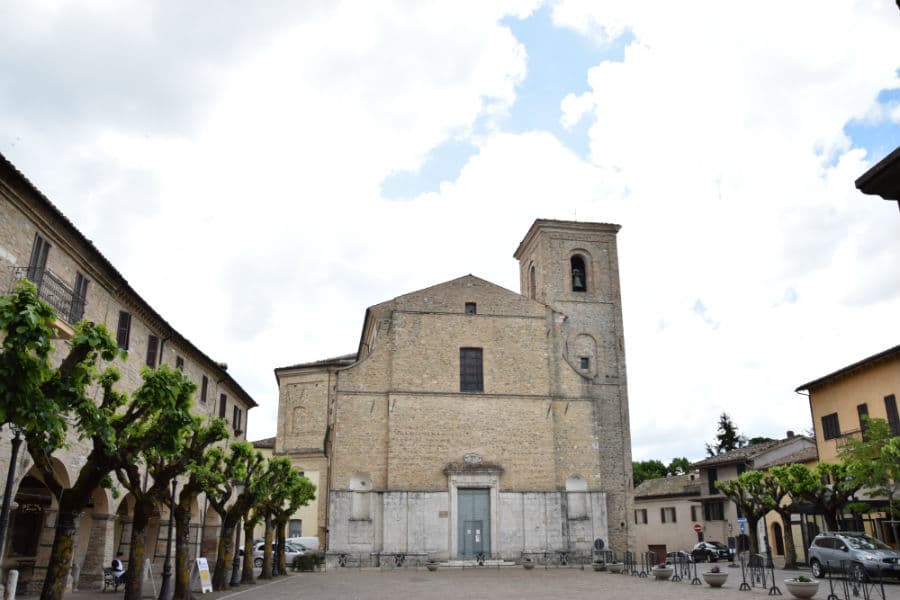
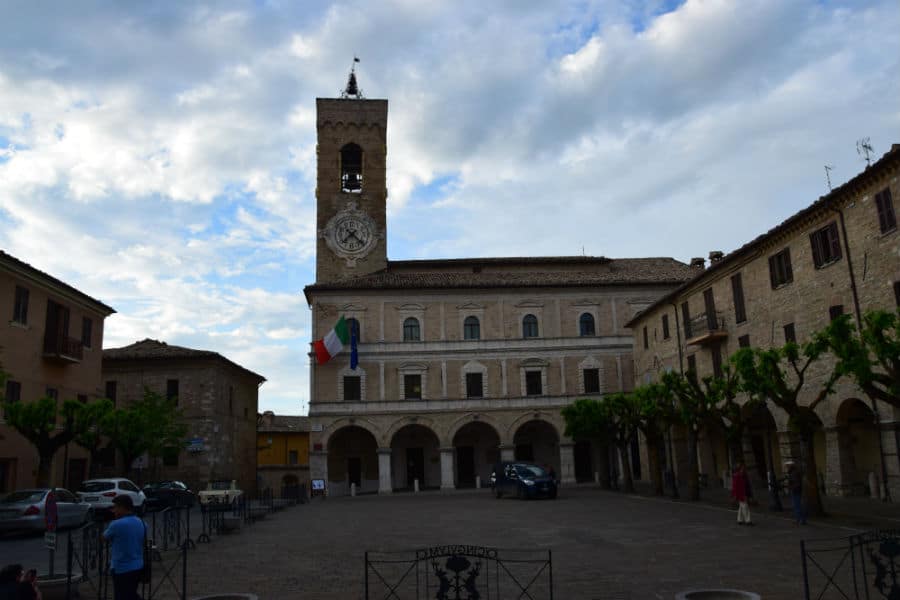
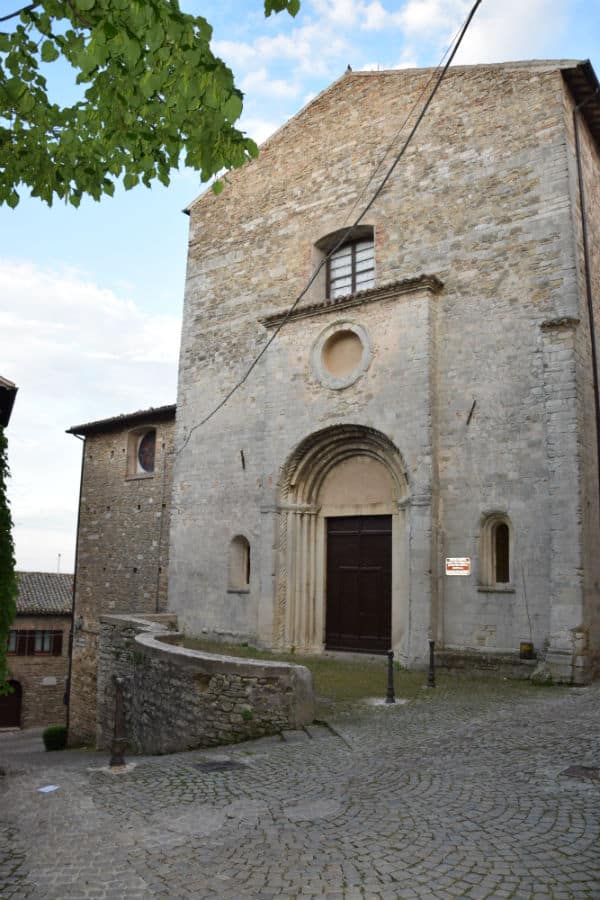
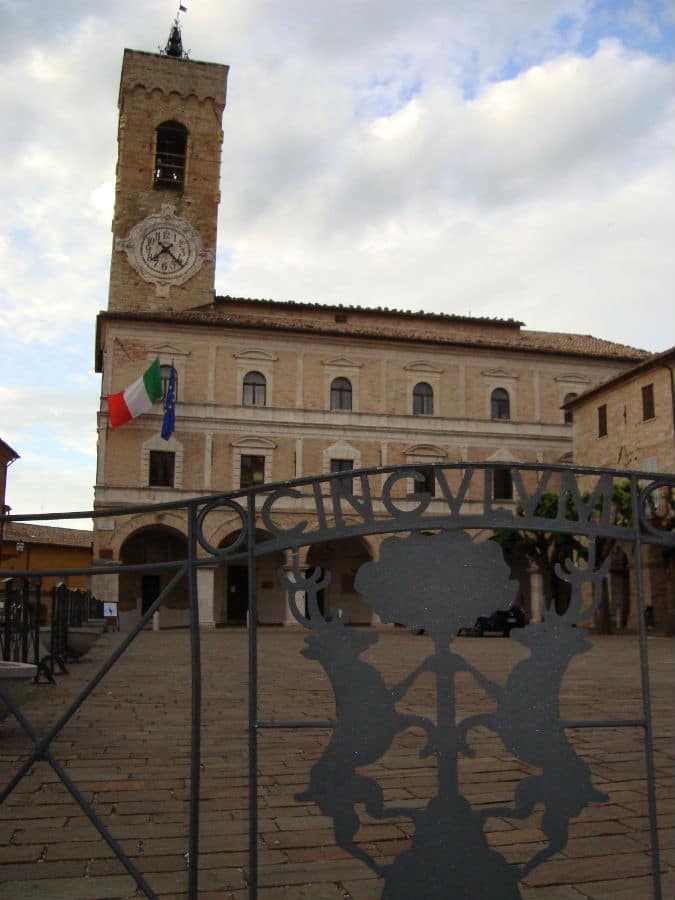
From a wide terrace, on the medieval walls of tracks, you can enjoy the view of a large part of the territory of the Marches, with the natural frame, on the horizon, the Adriatic Sea and the Mount Conero. The term Cingulum means in latin ‘something that girdeth’: in effect since the early centuries the city was presented as a reality built on a mountain for cingerlo. Tracks, then it would be a city built on the shelf of a mountain. The most ancient remains of the frequentation of the area of tracks back to the IV-III millennium B.C., while the first nucleus settlements in the area of the current Suburb S. Lorenzo, can be traced back certainly to the III century B.C.
In the roman period, the town was enlarged and embellished by Tito Labieno, lieutenant of Giulio Cesare. Starting from the half of the VI century we have news of a diocese cingolana headed by the bishop (then patron) Sant’Esuperanzio. From 1370 the Church granted to the municipality of tracks the faculty to judge causes criminal and civil except for the offense of heresy, lese majesty and murder. This relationship of fidelity, however, stopped in 1375, when the city of the state of the Church they rebel against the Pontiff Gregory XI. It was precisely on the occasion of this clash, which took the name of the War of the Eight Saints that the authority of the family Top could emerge.
The papal revolt ended in 1377, when the pontifical troops reconquered tracks and signed the peace of Sarzana in 1378 with which Urban VI lift measures taken earlier. With regard to the heritage of the top does not have testimonies. However an act of 1408 shows that John of Benutino incamerò, with the authorization of Pope Urban VI, goods of the heirs of Masio Top. Always as regards the division of property, all cousins of John were exiled by tracks and then the power is concentrated in a single branch of the family. In December 1403, Pope Boniface IX came mightily upon John of the vicariate in temporalibus on tracks for eighteen years. The fidelity of the top with the Pope assured Tomacelli various awards. The Cima, thanks to this reconciliation, managed to maintain a sovereign role within the city without obtaining a formal recognition by the pontiff.
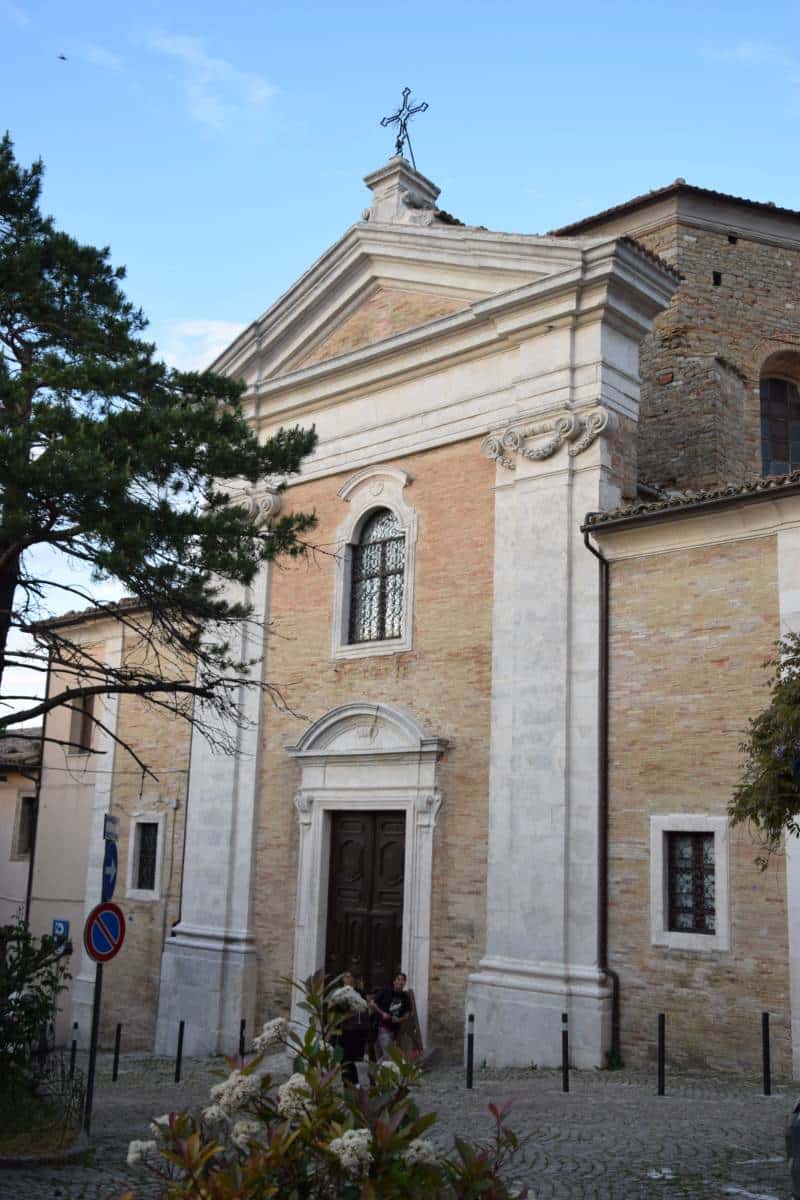
Certainly deserve a visit the Collegiata di Sant’Esuperanzio and the Archaeological Museum of Cingoli, hosted in the Town Hall.
Village of Cingoli
Municipality of Cingoli
Province of Macerata
Marche Region
Population: 9.789 cingolani
Altitude centre: 631 m s.l.m.
the Municipality is part of:
I Borghi più belli d’Italia
Unione Alte Valli del Potenza e Esino
Acknowledgements
Bandiera Arancione – Touring Club Italiano
Municipality
Piazza Vittorio Emanuele II – Tel. +39 0733 601911
BY CAR
- From North and South: Take the A14 motorway (from the north in the direction of Ancona and from the south in the direction of Naples), exit at Ancona Nord, follow the direction for Rome, continue on the SS 76, exit towards Cingoli / Jesi Ovest, continue on the SP 502 and follow indications for Cingoli.
ON THE TRAIN
- Jesi station
- Macerata station
BY PLANE
- Ancona airport
BY SEA
- Port of Ancona
Continue the journey
Cingoli is only one of the treasures of the area. Use the interactive map to discover what to visit nearby, how far the other villages are and which experiences you can enjoy along the route.
Explore the area