 San Martino di Castrozza
 VIVA! Festival 2026
 Tandem paragliding flights in Tirolo and Merano: the thrill of flying over the Alps
 Recipe: Polta di Pacentro, the peasant dish that symbolises the traditions of Abruzzo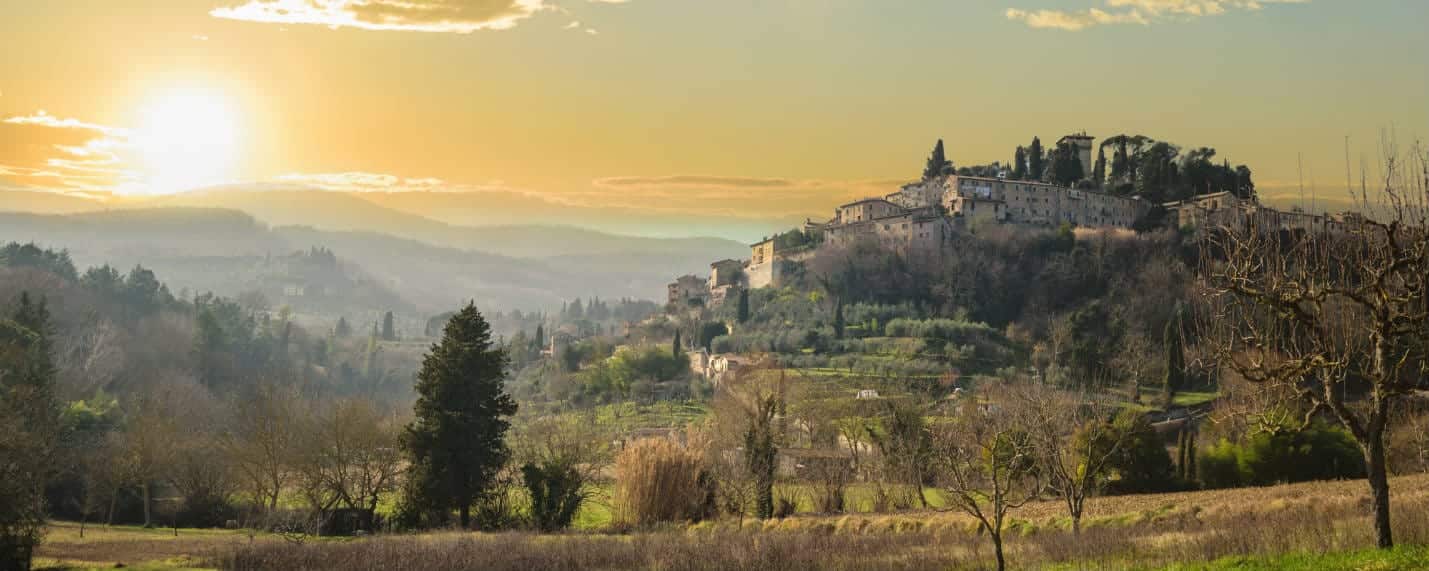
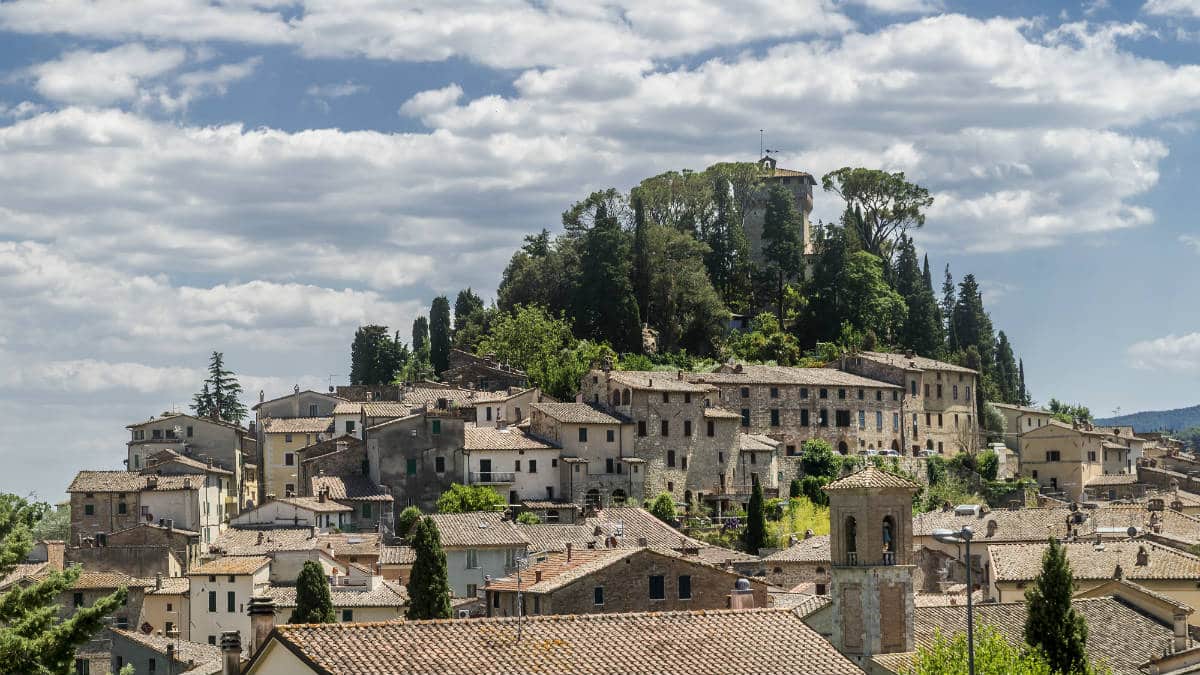
Located in the heart of the idyllic Tuscan countryside, Cetona is a charming village that captures the essence of a lesser-known and more authentic Italy. Wrapped in a scenic landscape, this historic destination offers a unique panorama characterized by lush olive groves and undulating vineyards that adorn the slope of Mount Cetona, rising 1148 meters above sea level. From the green hues of cypress and pine trees to the fields of golden wheat that meet harmoniously in the fertile Valdichiana, Cetona is an authentic synthesis of the “Sienese countryside,” a perfect visual representation of the beauty of Tuscany.
Photo gallery
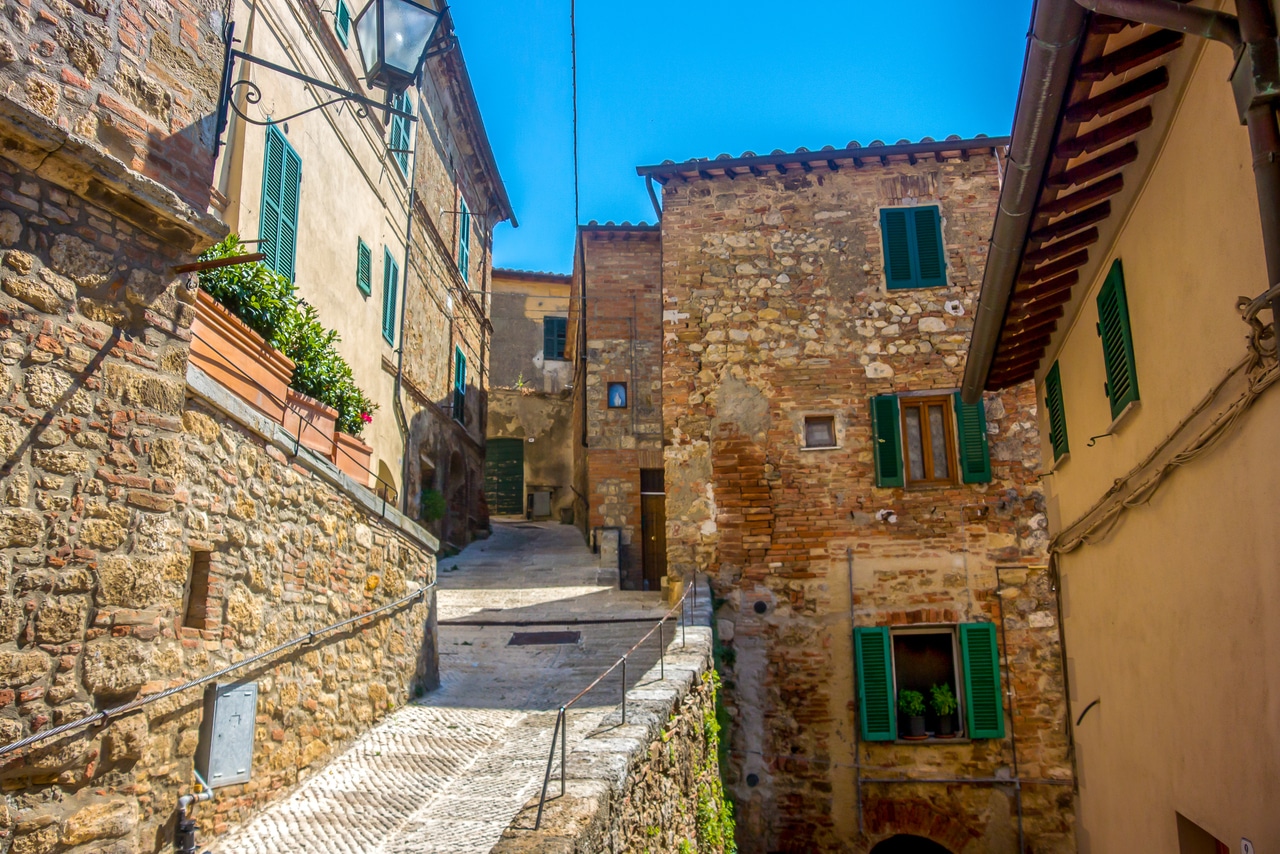
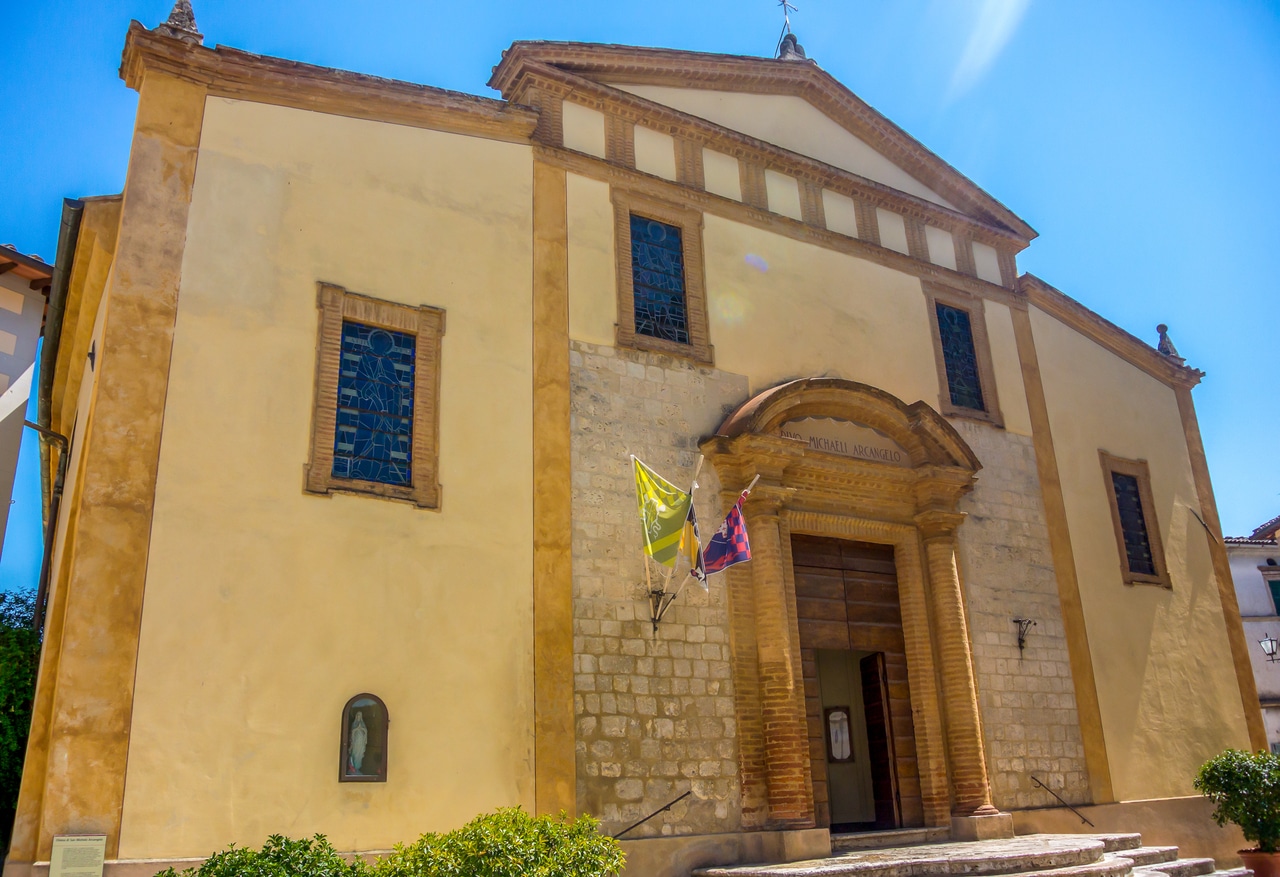
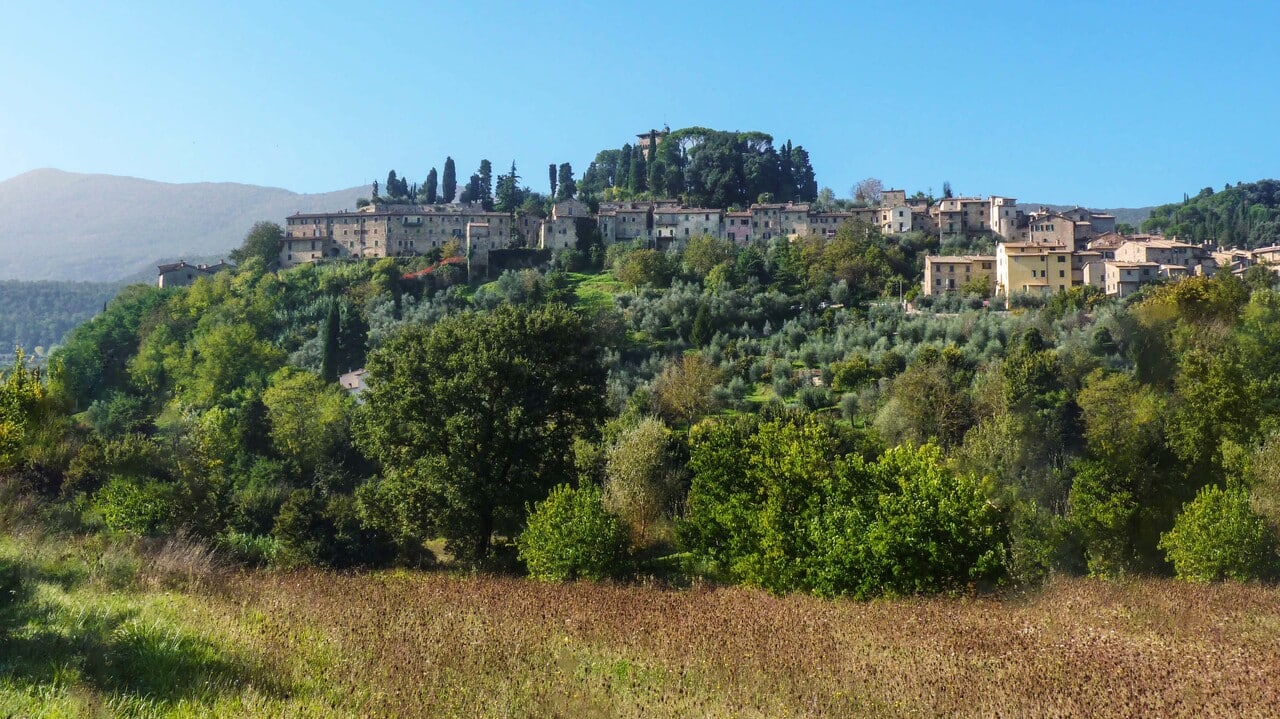
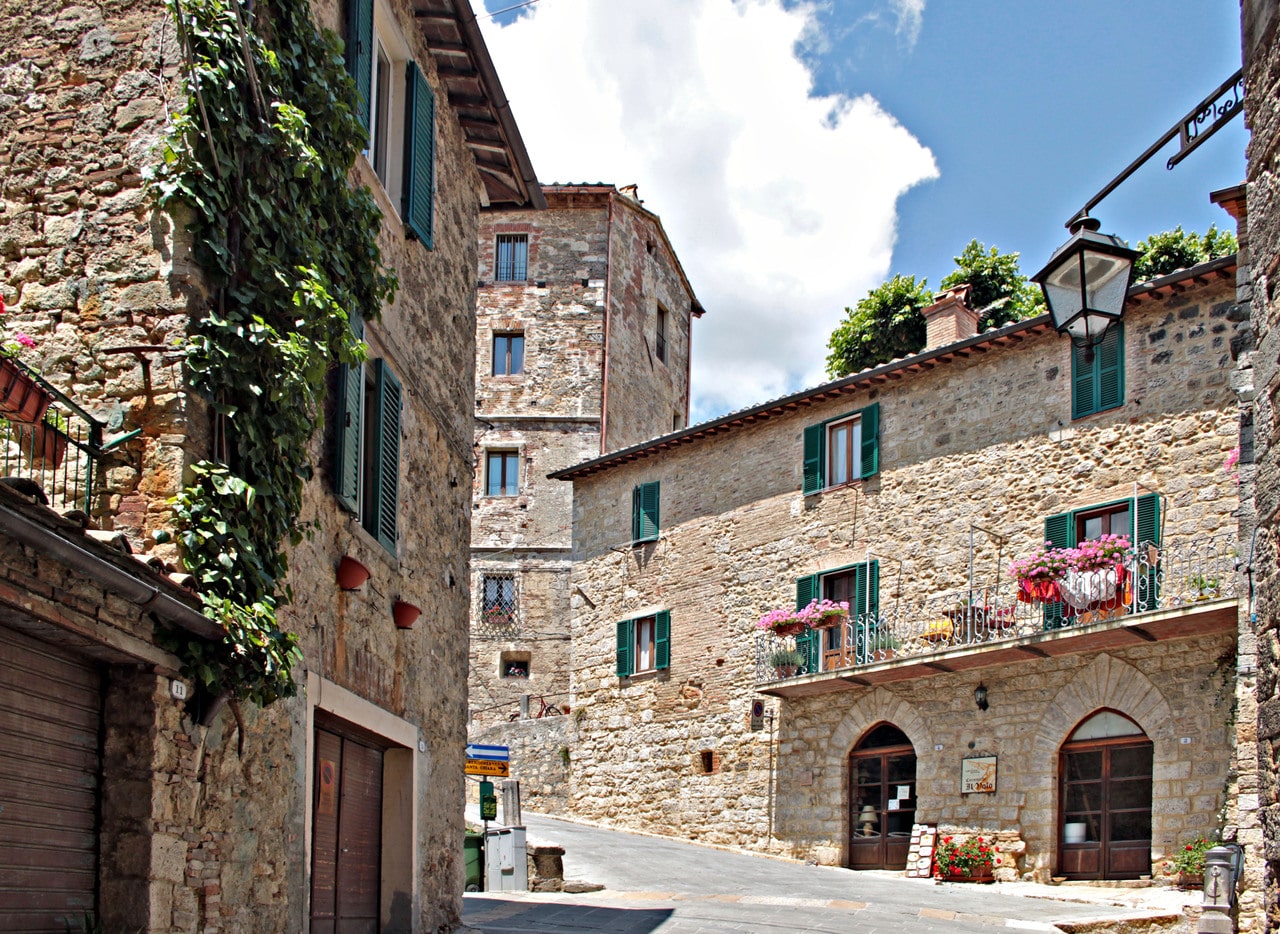
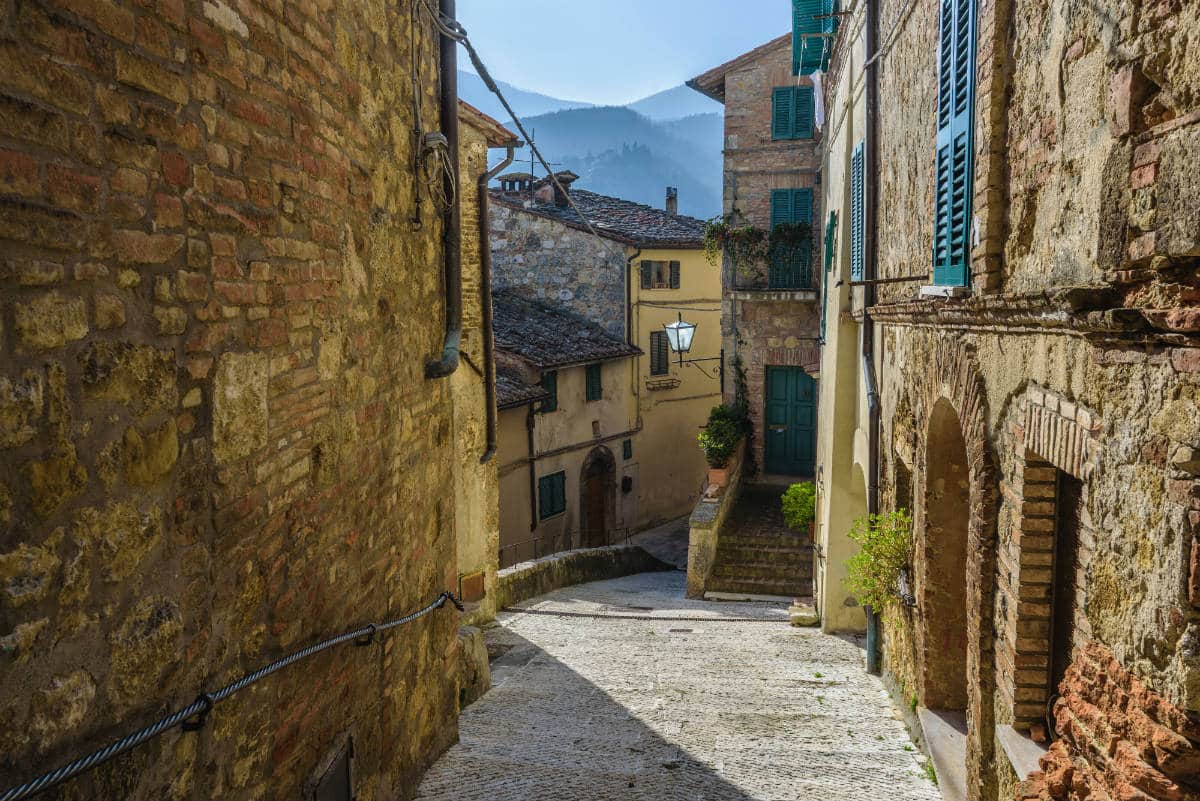
This charming village is a meeting place of history, art and nature, and offers a myriad of artistic and cultural treasures embedded in its urban fabric. From its streets and squares vibrate stories of ancient masters, and every corner tells tales that hark back to times long past, seeming to awaken the silent memories of the past. The Orange Flag, a prestigious award given by the Italian Touring Club, confirms the environmental and tourist quality that can be found in Cetona. The latter not only holds within itself an invaluable historical and cultural heritage, but is also able to offer an authentic representation of the Italian lifestyle – from the warm welcome of its people, to the tasty flavors of the local cuisine, all perfectly set in a landscape environment of exquisite value.
Cetona, a picturesque village located in the far south of the province of Siena, constitutes an emblematic concentration of the famous “Sienese countryside.” Thanks to its rich historical, cultural and scenic heritage, this place offers tourists a high-quality experience, guaranteeing a superior welcome. Prepare to be captivated by an unforgettable atmosphere, comparable only to a painting-a masterfully recreated fresco of nature’s beauty.
The timeless beauty of Cetona
The village of Cetona rises majestically in the presence of Mount Cetona – an imposing and tranquil backdrop. The surrounding landscape is characterized by hills pierced by vineyards and olive groves, dotted with cypress and pine trees. Small valleys, planted with cereals, decorate the view and flow into the abundant Valdichiana. Cetona’s fascinating potential is such that the Italian Touring Club awarded the village the Orange Flag, a distinctive sign of tourist-environmental quality.
Local events and traditions: Living Cetona
Cetona is not only a place of great scenic quality, but offers a living glimpse into Tuscan tradition and culture. The year’s calendar is marked by important events including the famous Corsa delle Brocche and the Sagra del Bico di Piazze in summer. In spring, however, the village lights up with the colors of “Cetona in Fiore,” an exhibition market of flowers and plants accompanied by tastings of typical local dishes and cooking classes.
Ode to the Piazza: Heart of Cetona
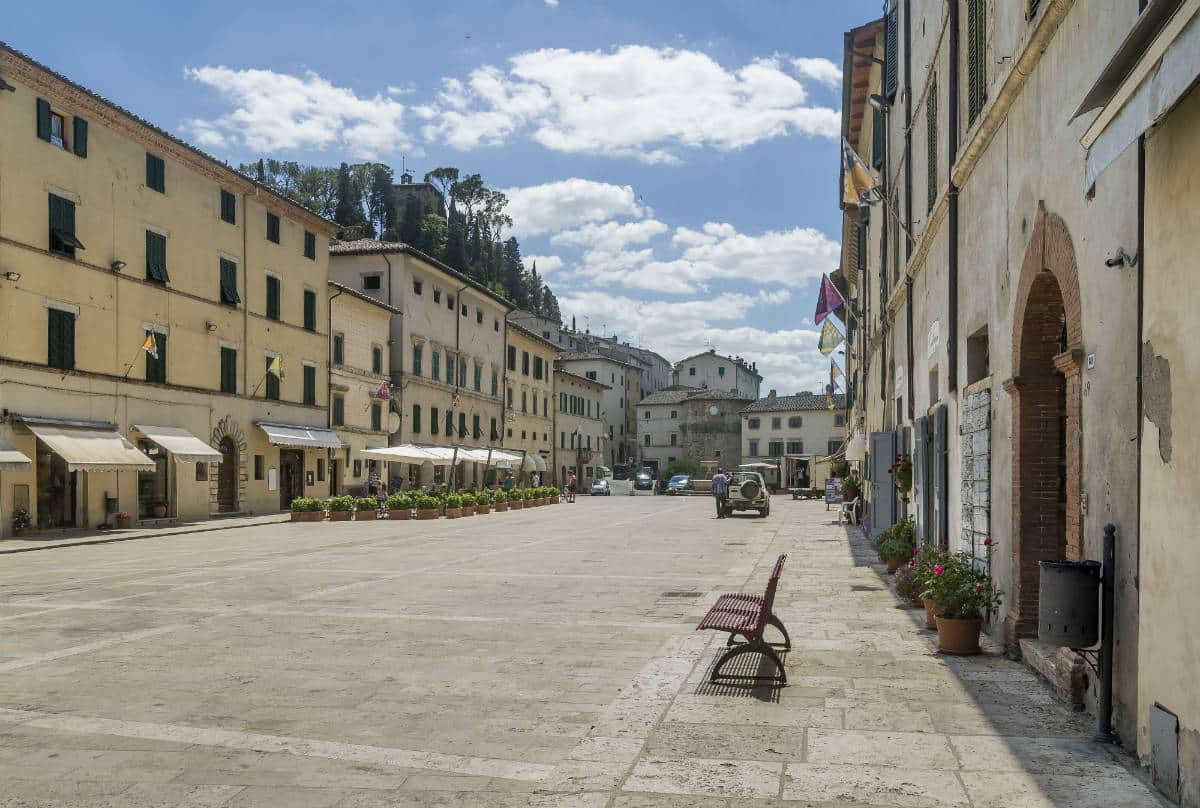
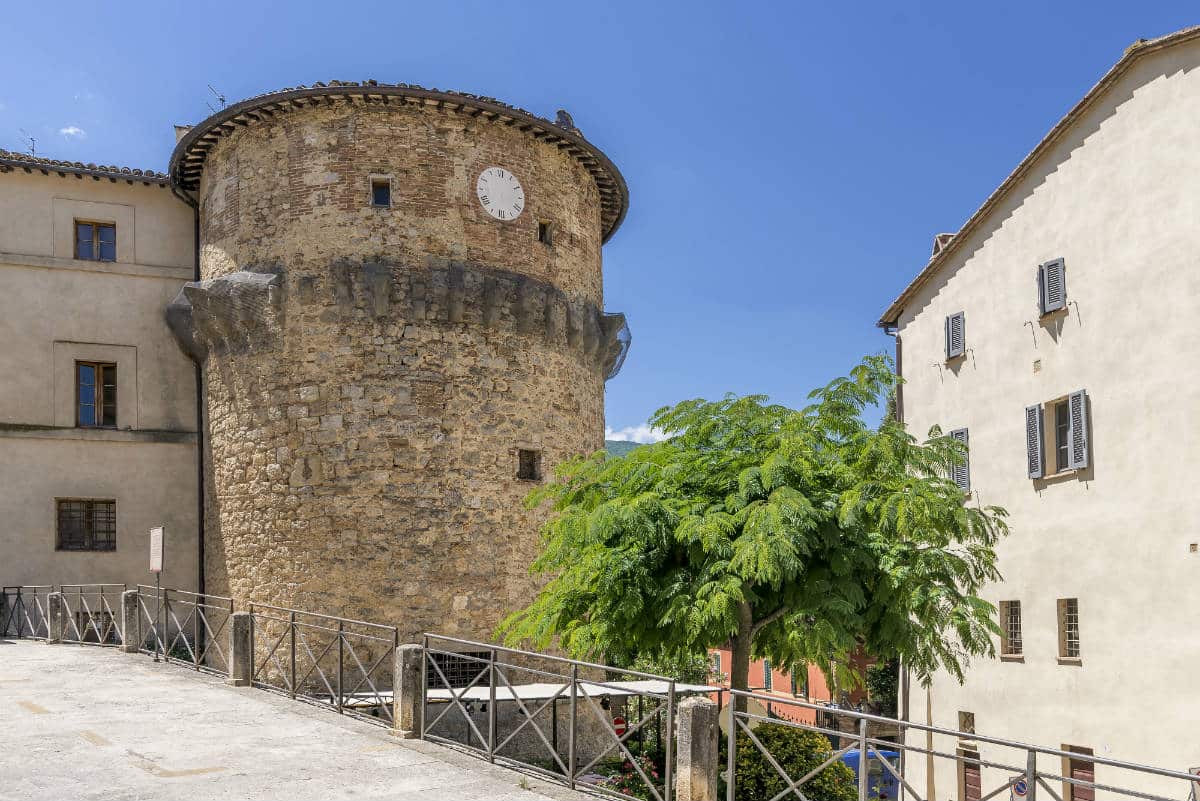
Cetona’s calling card is Piazza Giuseppe Garibaldi. This large rectangular space was created around the middle of the 16th century thanks to the will of Marquis Vitelli, who wished to offer the medieval village a new access, granting breath to the architecture of the place. From here you can admire the ancient Church of the Santissima Annunziata, its historic facades and beautiful surrounding buildings.
Monuments and Places of Art: Treasures to Discover in Cetona
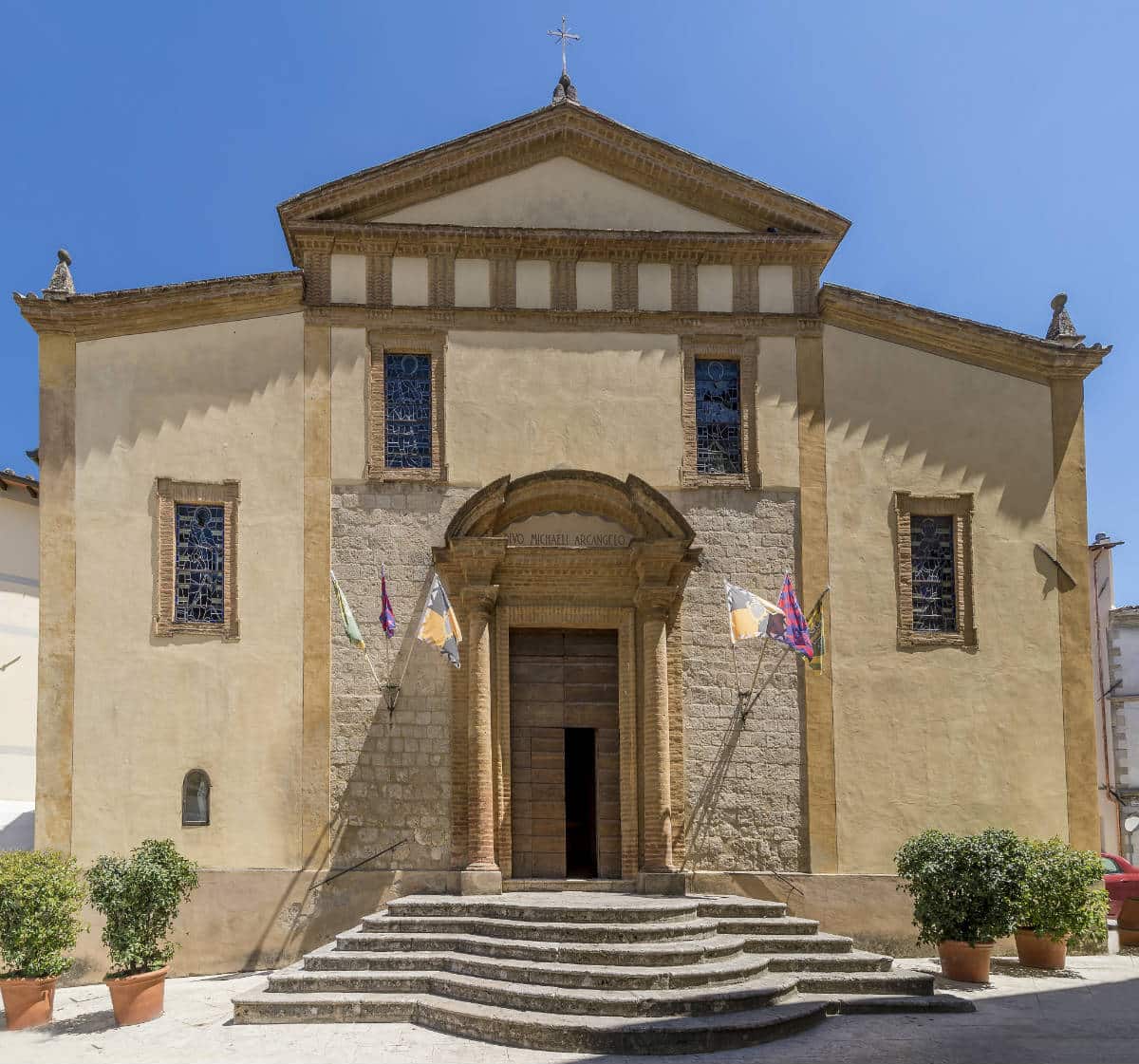
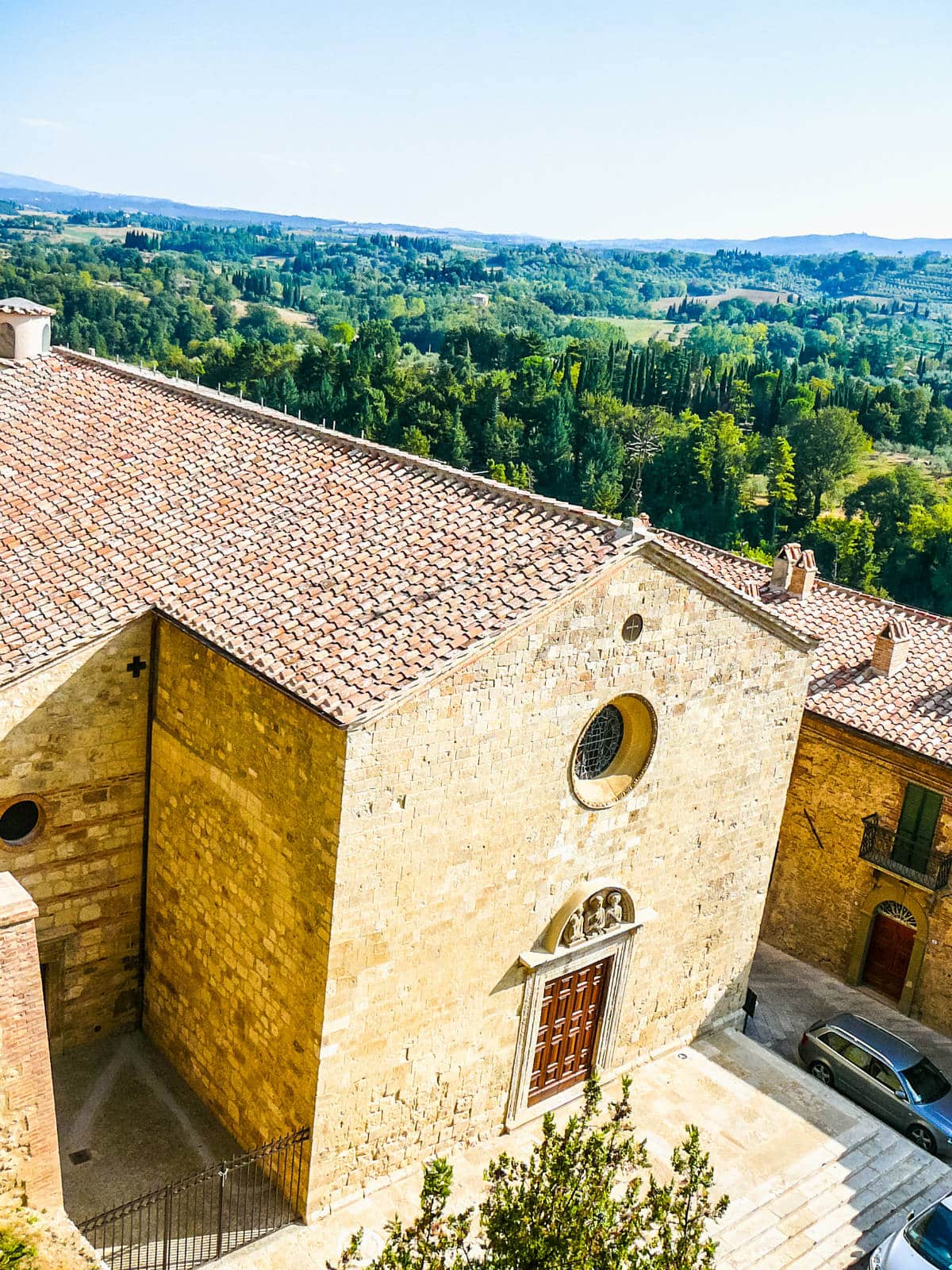
The Former Church of SS. Annunziata and the Minutelli Palace offer a special opportunity for art and culture lovers. Notable works of art can be found within these historic spaces, including the 1648 Annunciation, located on the altar of the former church, and the rooms frescoed by painter Antonio Castelletti in the Palazzo Minutelli.
Among the many artistic treasures, the Balestrieri Studio, dedicated to the famous local painter, deserves special mention. This place houses an original collection of his works, including the famous “Beethoven,” which won the gold medal in the Italian section at the Universal Exhibition in Paris in 1900.
The last stop on this artistic tour in Cetona is the wonderful Church of the Holy Trinity, overlooking the square of the same name. Among its many frescoes are the Assumption of the Virgin and the Madonna and Child with St. John the Baptist, whose beauty reflects the excellence of the Italian Renaissance.
A trip to Cetona offers a glimpse into an enchanting world of artistic beauty, cultural richness and breathtaking scenery. Explore this Tuscan village, intoxicated by the scents of antiquity, dive into the local culture and discover a place that glows with a rare beauty, capable of leaving unforgettable emotions in your heart!
Village of Cetona
The Municipality of Cetona
Province of Siena
Tuscany Region
inhabitants: 2.689 cetonesi
Altitude center: 385 m a.s.l.
The Municipality is part of:
I Borghi più belli d’Italia
Città del vino
Città dell’olio
Paesi bandiera arancione
Unione Valdichiana Senese
Acknowledgments
Orange Flag – Italian Touring Club
Municipality
Via Roma 41 – Tel. +39 0578 237611
BY CAR
- From Florence: Take the A1 highway, exit at Chiusi-Chianciano Terme, follow the indications for Cetona.
- From Rome: Take the A1 highway, exit at Fabro, follow the signs for Chiusi, after about 7 km at the crossroads turn left for Le Piazze -San Casciano dei Bagni, once in Le Piazze take the SS 321 Sud for Cetona.
ON THE TRAIN
- Chiusi-Chianciano Terme railway station
BY PLANE
- Florence airport
- Rome airport
- Monte Cetona Oil. The altitude ranging from 350 to 600 meters away from the sea, the chemical-physical characteristics of the soil ensure a pedoclimatic environment particularly favorable to the cultivation of the olive tree: from each plant a few olives are obtained but healthy, with a fragrant pulp and rich in perfumes; the dreaded oleaginous fly and other parasites do not find a suitable habitat here and this prevents the use of pesticides and keeps the ecosystem intact. It was born the Extravergin olive oil of Siena DOP. The accumulation of oil in the fruit and its typical are due to a complex metabolism that, in addition to the environment and the agronomic techniques, contribute to the peculiar characteristics of the cultivars: Frantoio, Correggiolo, Leccino, Moraiolo and Pendolino.
- Pastrignocchi. Coming from the local peasant tradition, it consists of a kind of poor pasta, which was processed quickly without regard to appearance and consumed mostly on working days.
- Bico. A kind of crush made with flour, water, yeast, oil, a pinch of salt and cooked in the wood oven. It is a typical bread of Piazze, a small hamlet of Cetona in the province of Siena. It is a poor bread, of ancient origin, born of a mixture of water and flour that was then cooked under the ashes. It is a middle ground between the umbrian cake and the piadina romagnola, and this could be explained by the fact that for Piazze there was one of the braces that connected the Alpe di Serre road to Via Francigena through Umbria, so the many passages of travelers allowed them to come into contact with foreign habits and customs.
- Cuculo. A cookie prepared with poor ingredients spread mainly in the lower Sienese province, which cheered the palate of tired agricultural workers.
What to see in Cetona
Discover what to see in Cetona among monuments, scenic views, museums, churches and symbolic places of the village. A useful selection to plan your visit and explore the area.
Continue the journey
Cetona is only one of the treasures of the area. Use the interactive map to discover what to visit nearby, how far the other villages are and which experiences you can enjoy along the route.
Explore the area