 San Martino di Castrozza
 VIVA! Festival 2026
 Tandem paragliding flights in Tirolo and Merano: the thrill of flying over the Alps
 Recipe: Polta di Pacentro, the peasant dish that symbolises the traditions of Abruzzo
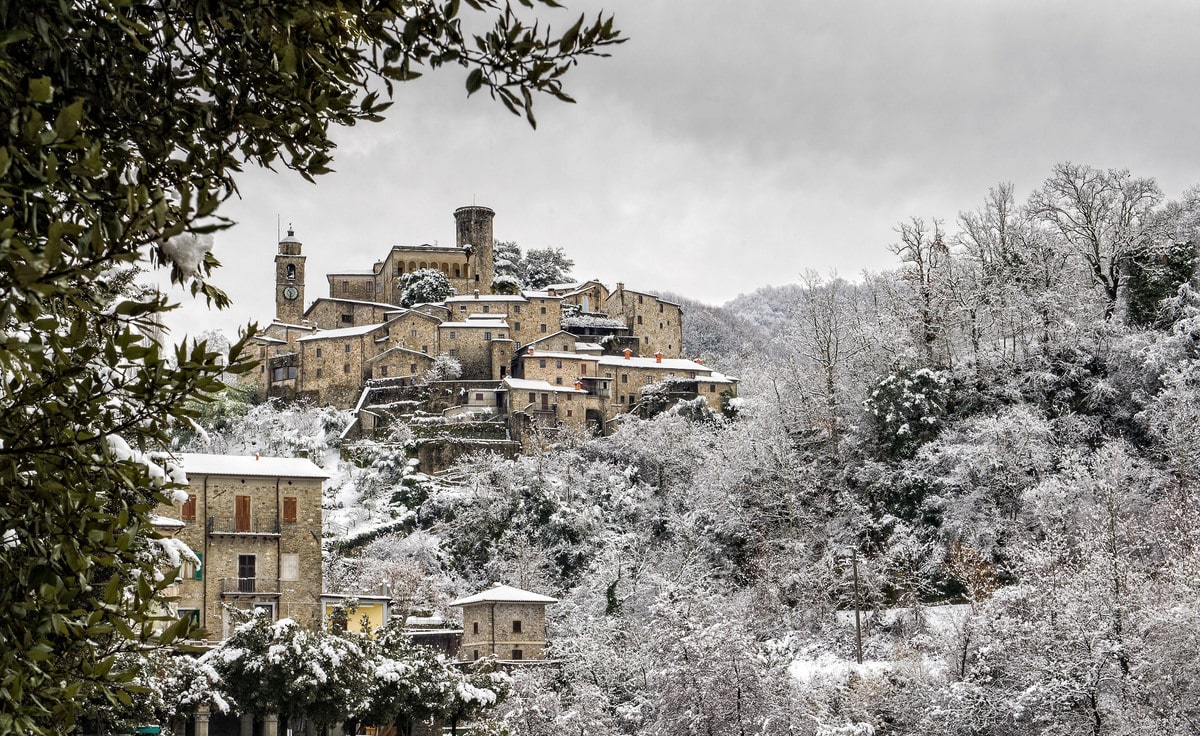
The village of Bagnone is a treasure to be discovered, a place where history, culture and nature intertwine in a harmonious embrace. Whether exploring its medieval streets, sampling the local culinary delights, or getting lost in the beauty of its landscapes, Bagnone offers a unique and unforgettable experience to anyone who decides to visit. With its historical and natural heritage, the village is a must-see destination for those who wish to immerse themselves in the authenticity of Lunigiana.
Photo gallery
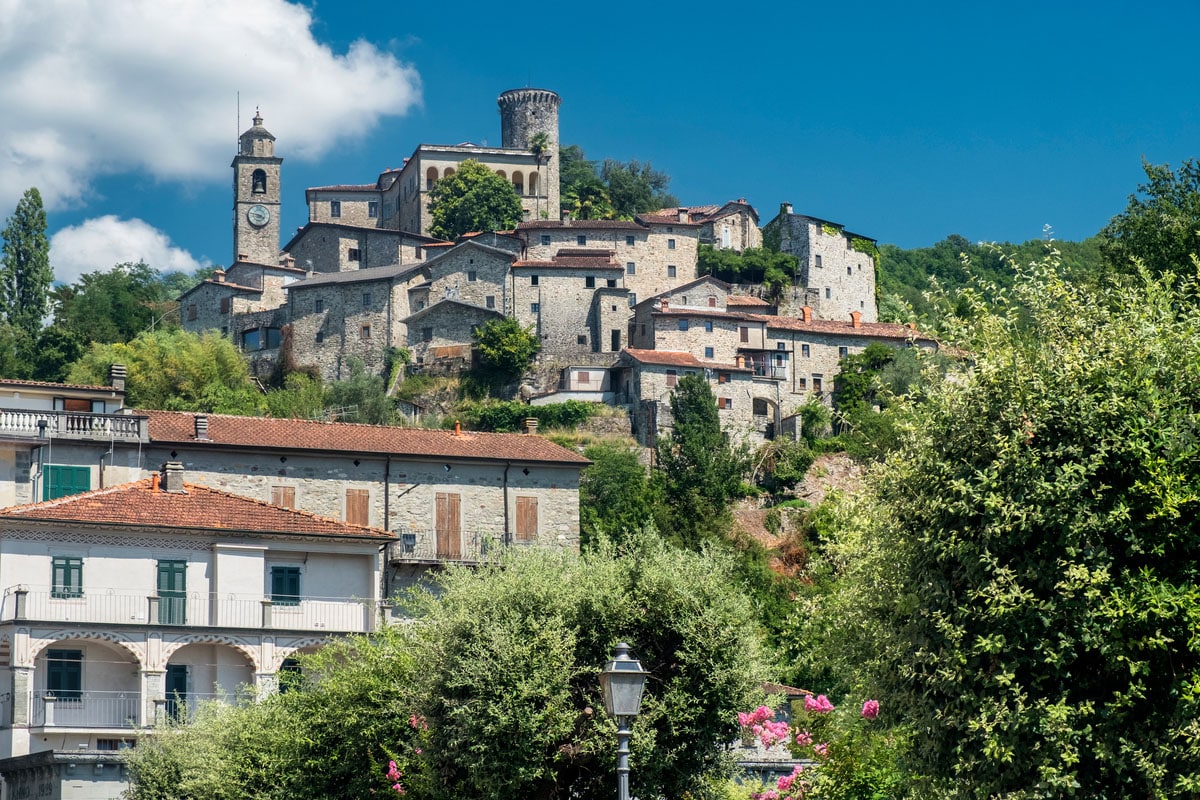
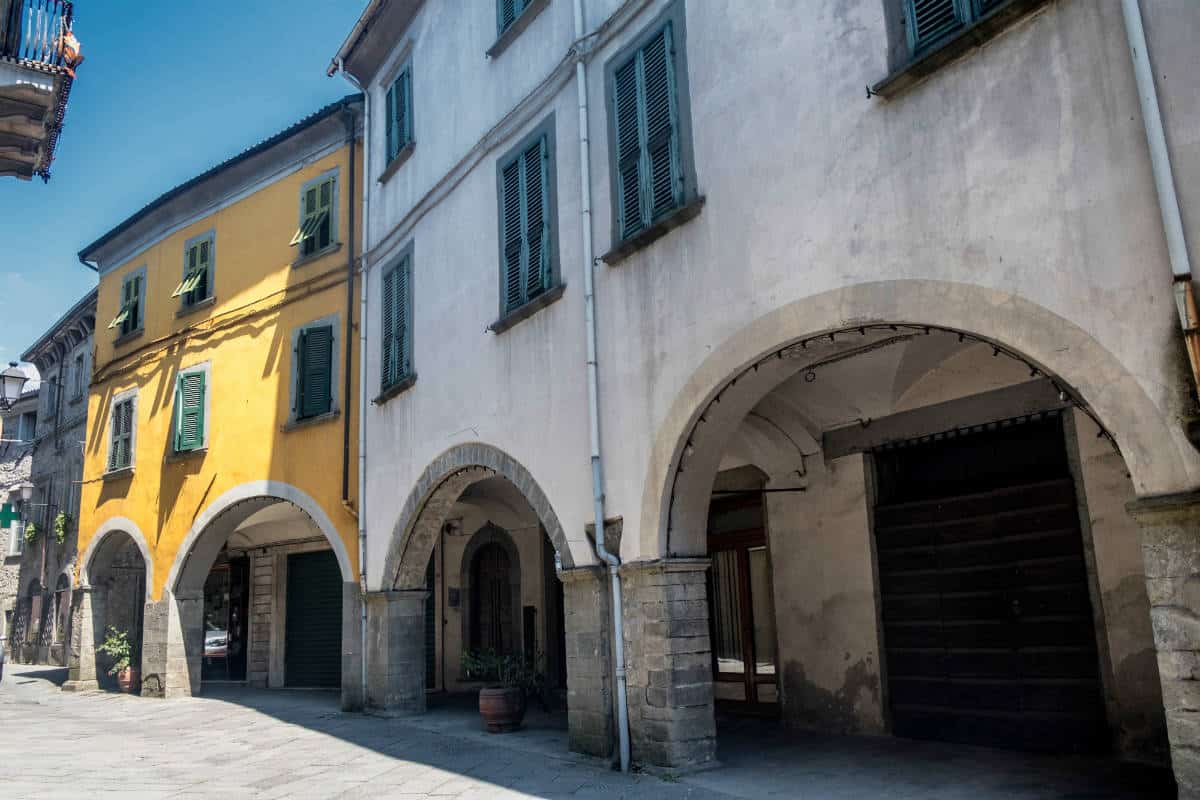
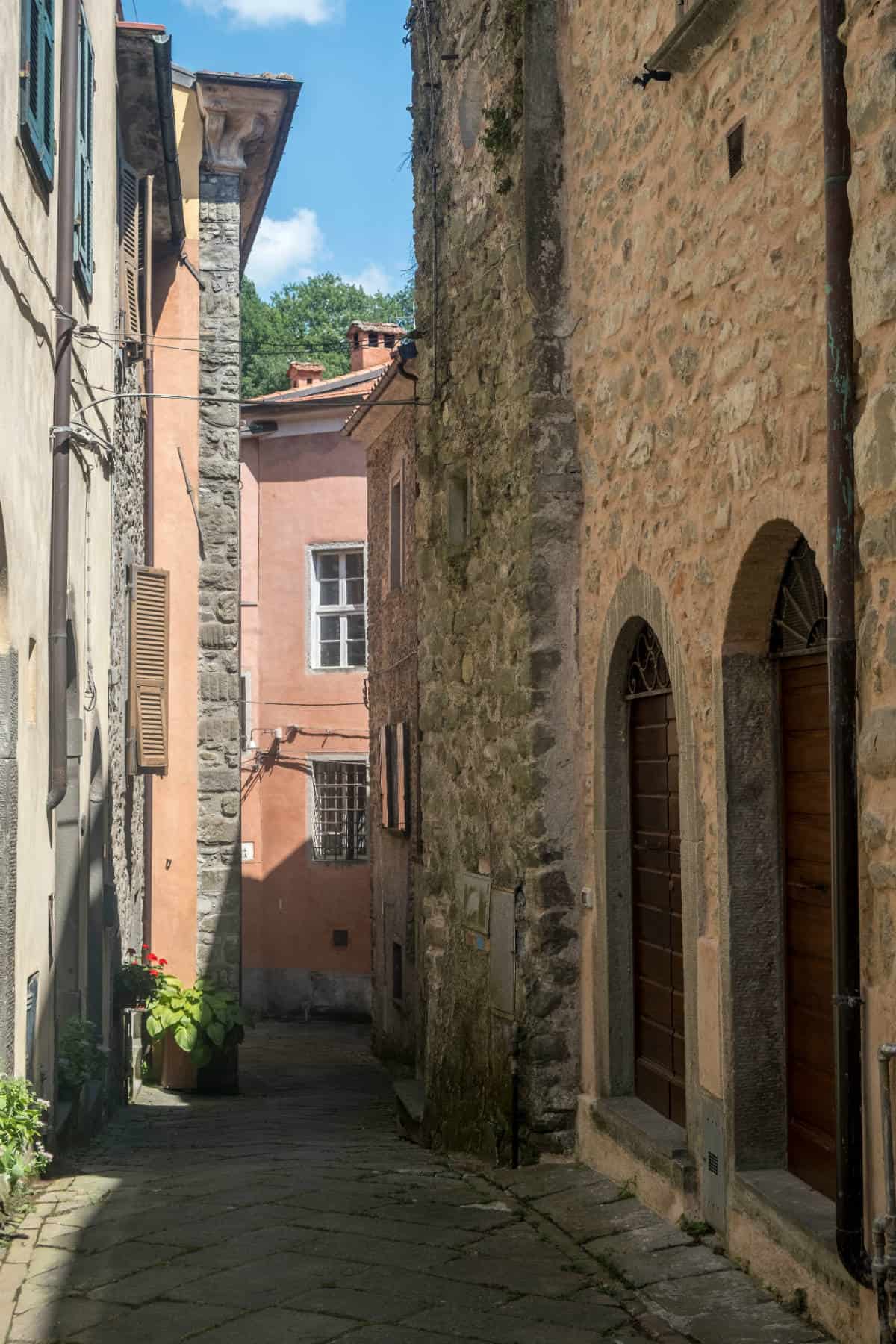
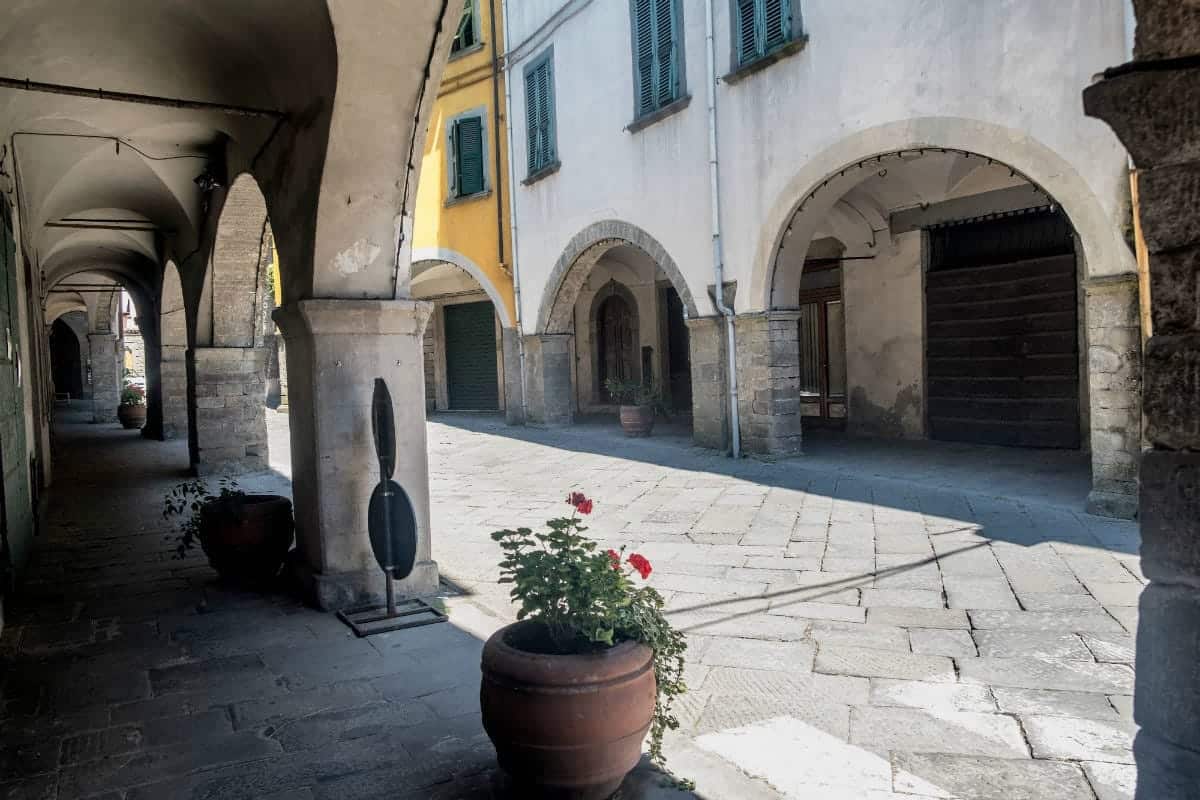
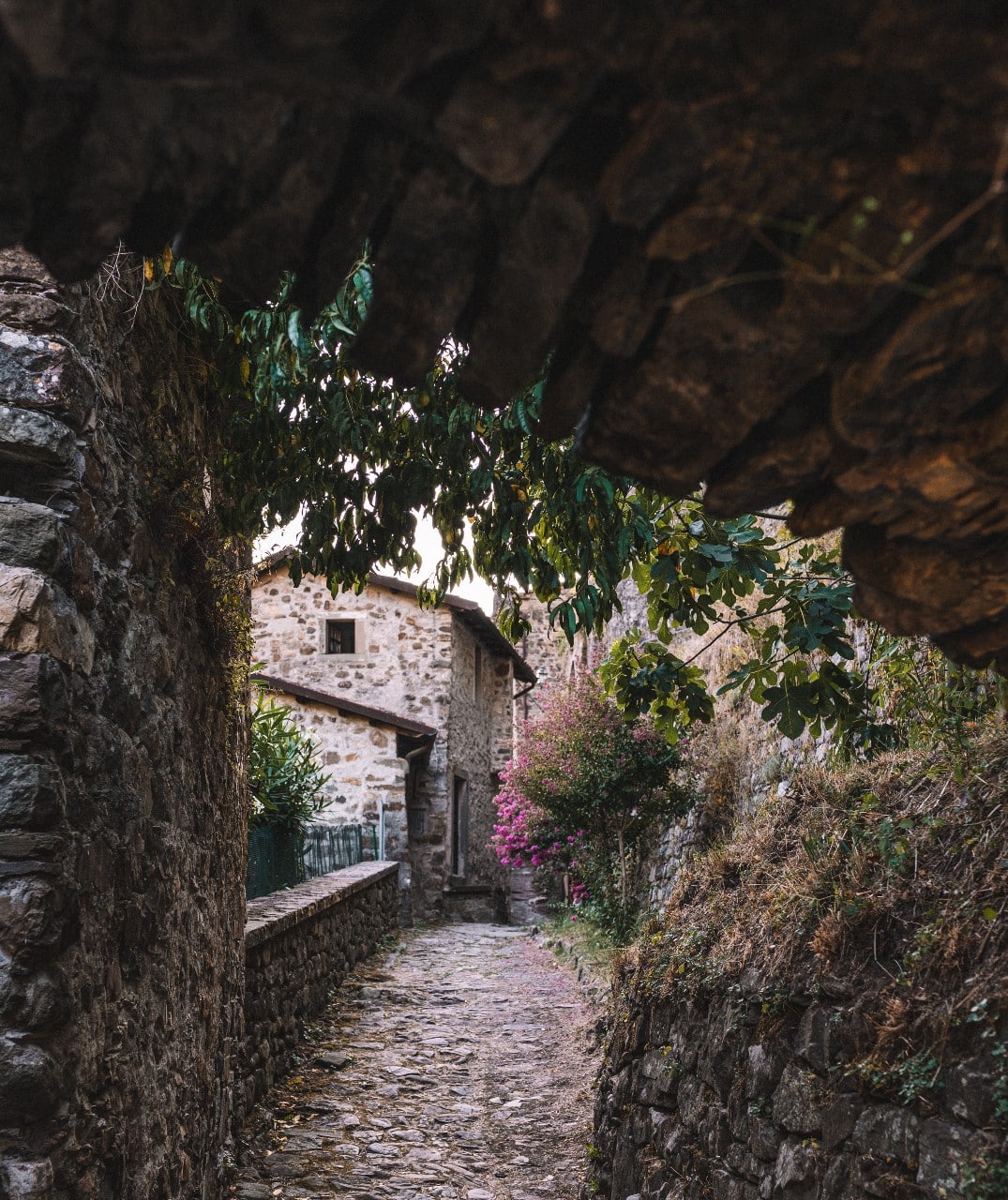
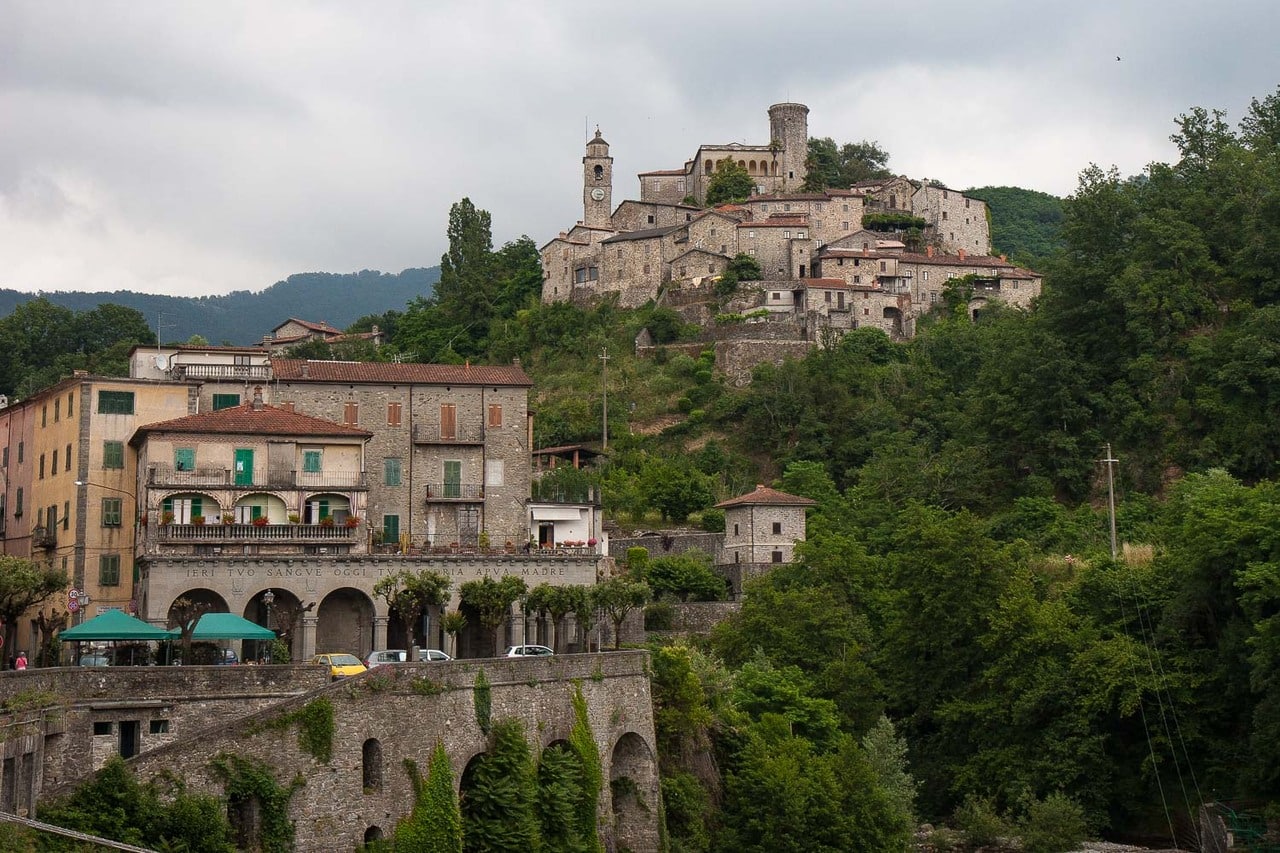
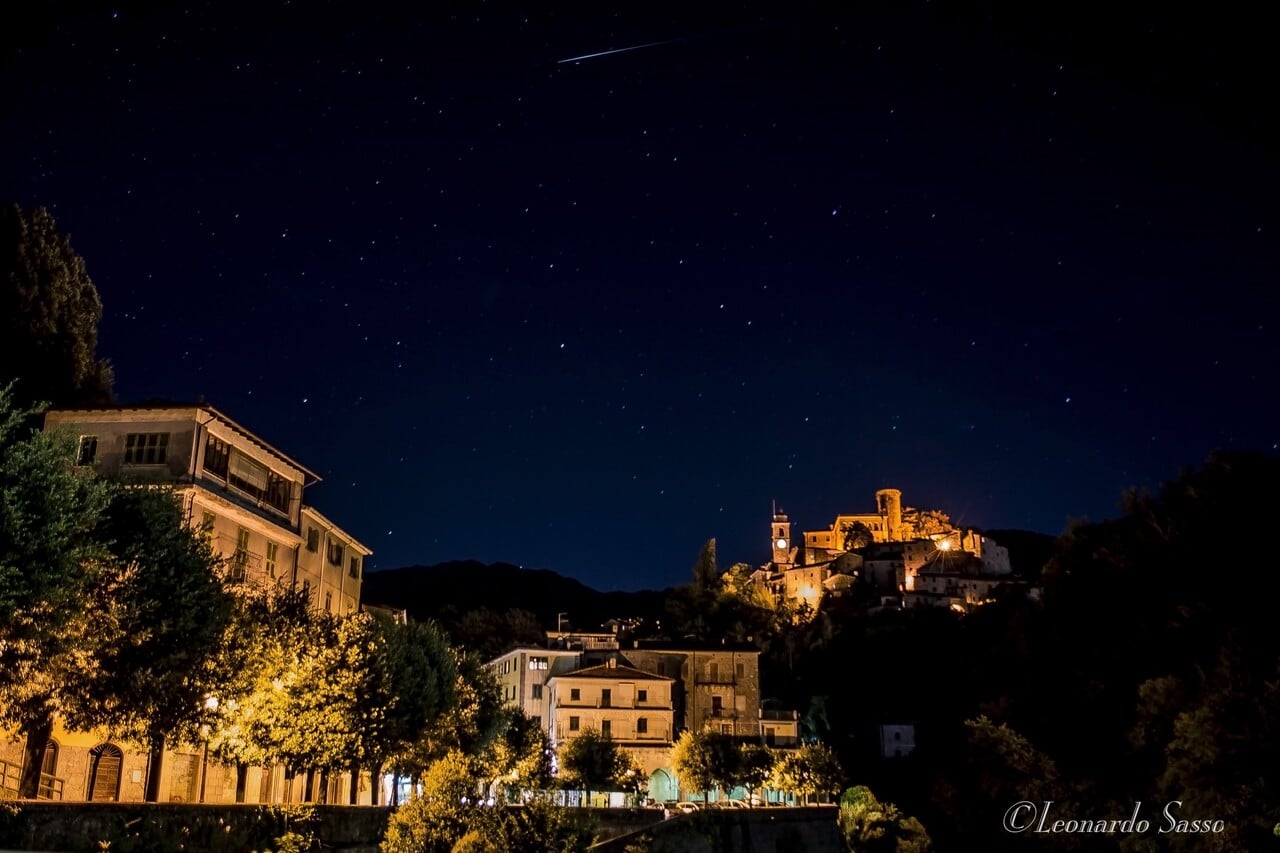
The village of Bagnone, located in Lunigiana, is a place where history, culture and nature come together in a perfect balance. This charming municipality, which is part of the Tuscan-Emilian Apennines National Park and Unesco MAB Reserve, is crossed by the stream of the same name and has two distinct settlements: the medieval one perched on the left of the stream and the market town, known as Gutula, on the right.
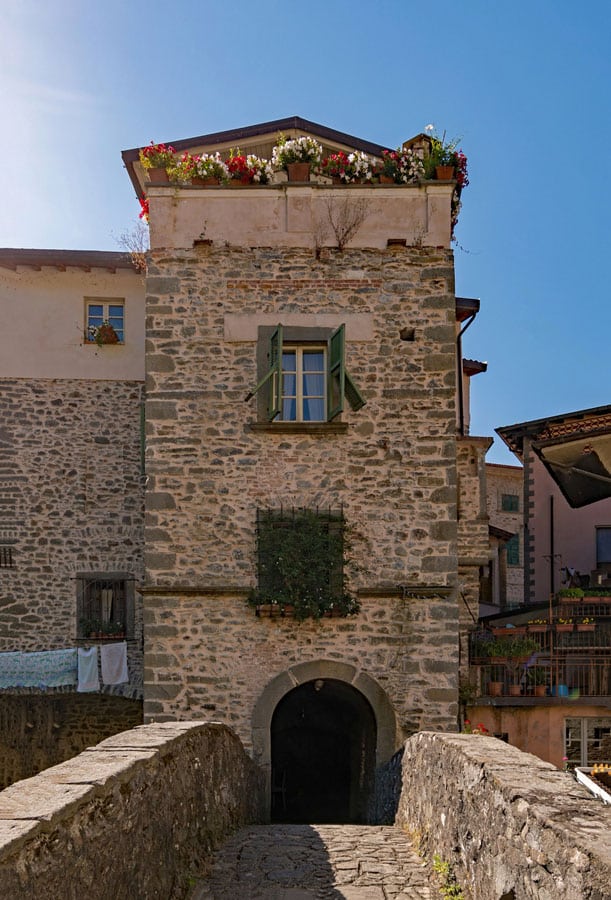
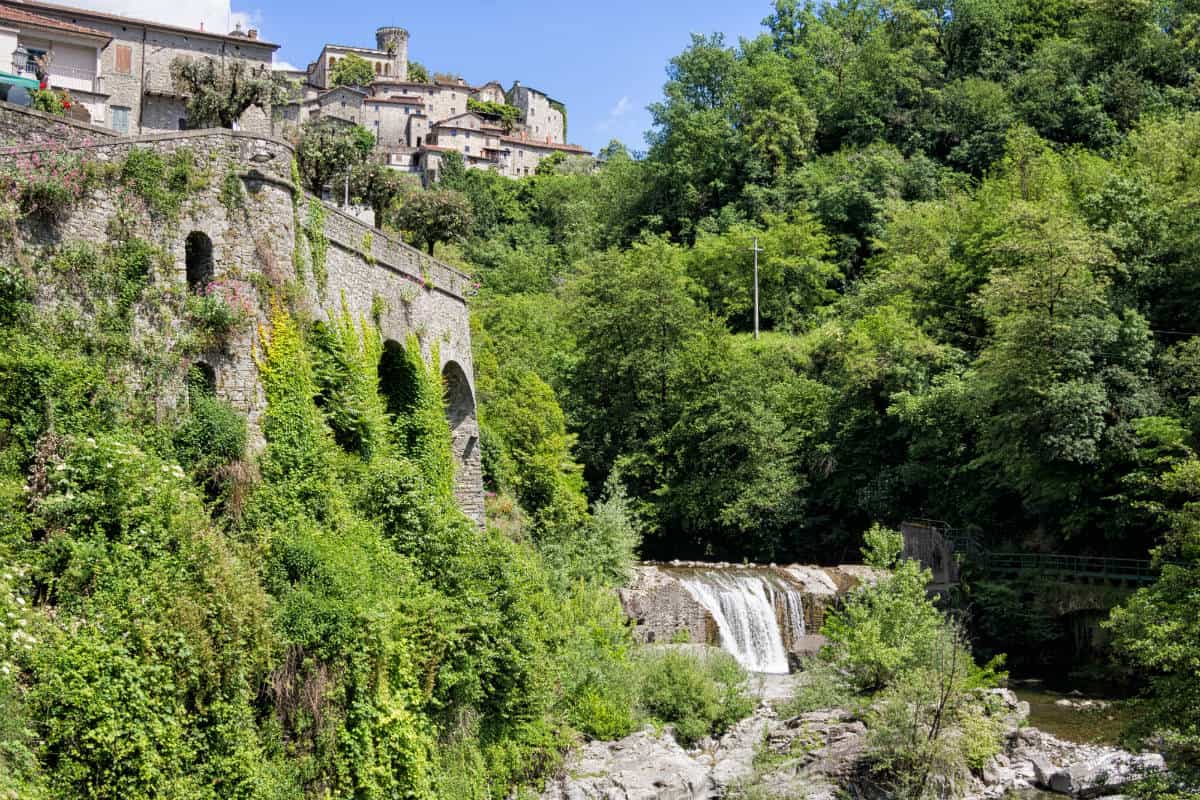
The historic center of Bagnone is a labyrinth of narrow alleys and arcades, which hold buildings of great architectural and cultural interest. Among the highlights are Villa Quartieri, the parish church of San Niccolò, and the Quartieri Theater. These places not only tell the story of the town, but also bear witness to ancient traditions and devotion. The medieval bridge, Pontevecchio, is another symbol of the village, as it connects the castle to the walled part of the village through the gate of Santa Caterina, making the atmosphere even more evocative.
Bagnone’s history is deeply rooted in its geography. The castle, located in a dominant position, dates back to the period of the Malaspina, a noble family that played a crucial role in the history of Lunigiana. Built in 1351, the castle features an imposing cylindrical stone keep, the only surviving element of a structure that was once much larger. It is currently a private residence, but its walls tell centuries of stories and legends.
The Bagnone area is a paradise for nature lovers, with breathtaking landscapes and enviable biodiversity. The Bagnone Valley, with its streams, waterfalls and trails, offers unique opportunities for hiking and outdoor activities. Numbered trails (116, 118 and 120) connect the mountain hamlets of the municipality and lead to enchanting places where the beauty of nature meets history. Visitors can take a dip in the crystal-clear waters of the Bagnone streams and its tributaries, such as “L’Anguillara” and “I Mulini di Marzo,” to cool off on hot summer days.
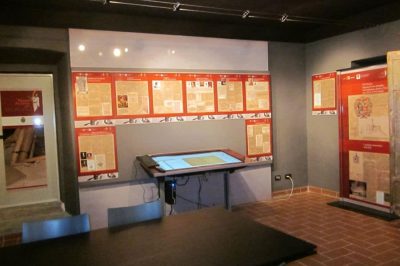
There is no shortage of historical evidence in the area, such as the Museum Archive of Memory, which delves into the cultural and natural history of the municipality through stories, documents and images of rural Lunigiana life. The museum is divided into two sections: one dedicated to the 20th century and the other to the historical archive, located in the Palazzo della Cultura.
Bagnone’s gastronomic tradition is equally fascinating. It is home to the famous Treschietto Onion, a high-quality local product, but the Lunigiana menu also offers other delicacies such as Testaroli, Torta d’erbi, and Tortelli alla bagnonese. Local cuisine is a journey into flavors and culinary traditions, often linked to agricultural cycles and local holidays.
In addition to its cultural and historical richness, the village of Bagnone has a long tradition of hospitality, with farmhouses and bed & breakfasts offering a warm welcome to visitors. Local events, such as festivals and traditional celebrations, allow visitors to immerse themselves in village life and appreciate the customs of its inhabitants.
For those who love adventure, Bagnone is the gateway to numerous hiking and mountain biking trails, which wind through enchanting landscapes and spectacular views. The area is perfect for exploration, with routes leading to historic sites, such as the Castle of Castiglione del Terziere and the Castle of Treschietto, both testaments to the strategic importance of the area.
Village of Bagnone
Municipality of Bagnone
Province of Massa and Carrara
Tuscany Region
Population: 1.761 bagnonesi
Altitude centre: 236 m s.l.m.
the Municipality is part of:
Strada del Vino Colli di Candia e di Lunigiana
Unione Montana Lunigiana
Bandiera Arancione
Protected Natural Areas:
Bagnone Valley Natural and Cultural Park
Tuscan-Emilian Appennine National Park
Municipality
Piazza Marconi 1 – Tel. +39 0187 42781
BY CAR
- From the North: Take the A1 highway, follow the direction La Spezia – Parma Ovest, continue on the Cisa A15 highway, exit at Pontremoli, continue on the SP 31, cross Scorcetoli-Monteluscio, Mocrone, Canaletto, take the SP 28 for Bagnone.
- From the South: Take the A1 highway in the direction of Florence, follow the Livorno direction, continue on the A11 highway, in Viareggio follow the Genoa direction, continue on the A12 highway in the direction of Parma, continue on the Cisa A15 highway, exit in Aulla, cross Aulla, Masero, Villafranca in Lunigiana, Virgoletta, continue in the direction of Bagnone.
ON THE TRAIN
- Villafranca railway station
BY PLANE
- Pisa airport
- Florence airport
What to see in Bagnone
Discover what to see in Bagnone among monuments, scenic views, museums, churches and symbolic places of the village. A useful selection to plan your visit and explore the area.
News and stories about “Bagnone”
Insights and stories from the area, to keep discovering.
Continue the journey
Bagnone is only one of the treasures of the area. Use the interactive map to discover what to visit nearby, how far the other villages are and which experiences you can enjoy along the route.
Explore the area