 San Martino di Castrozza
 VIVA! Festival 2026
 Tandem paragliding flights in Tirolo and Merano: the thrill of flying over the Alps
 Recipe: Polta di Pacentro, the peasant dish that symbolises the traditions of Abruzzo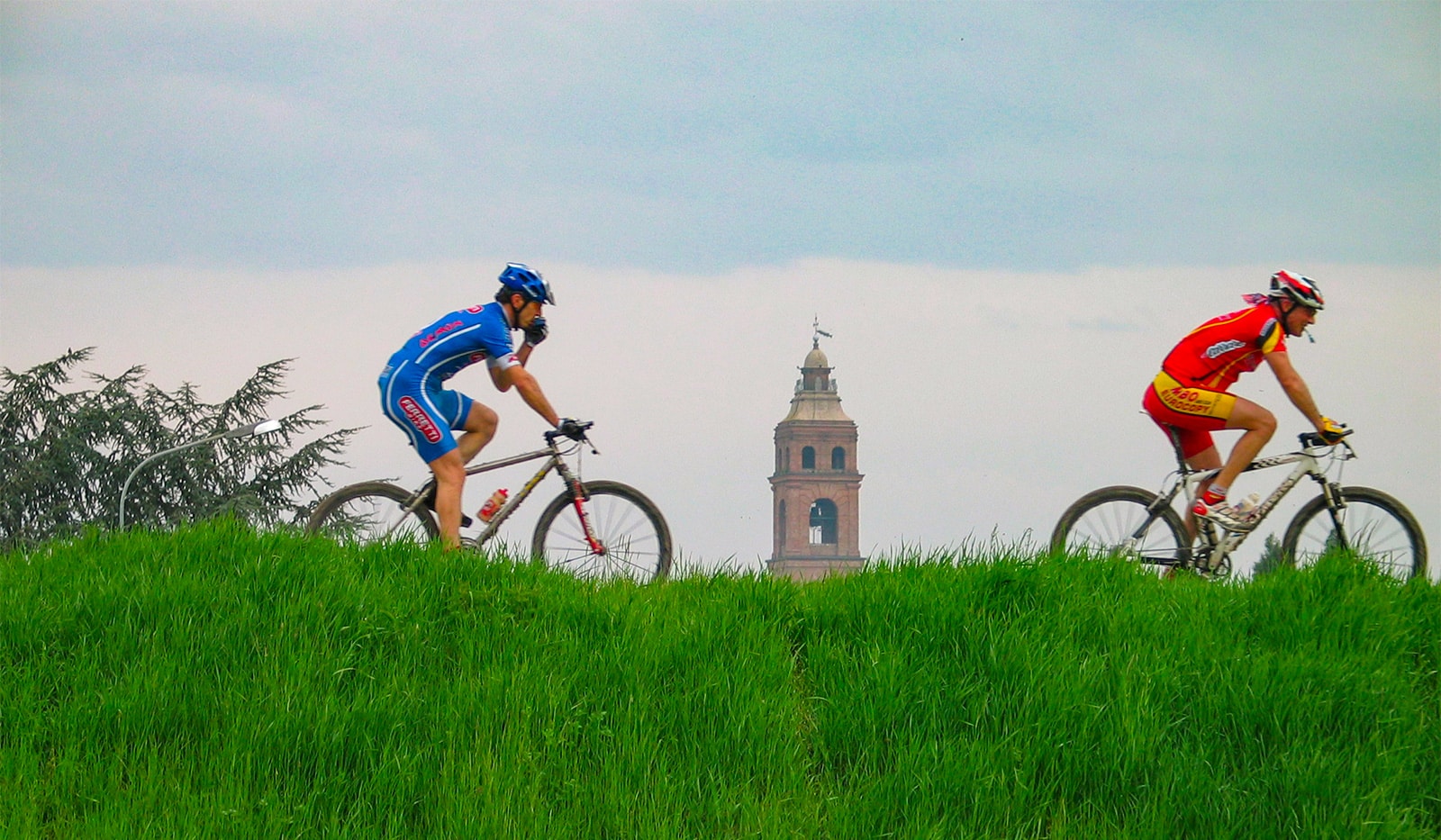
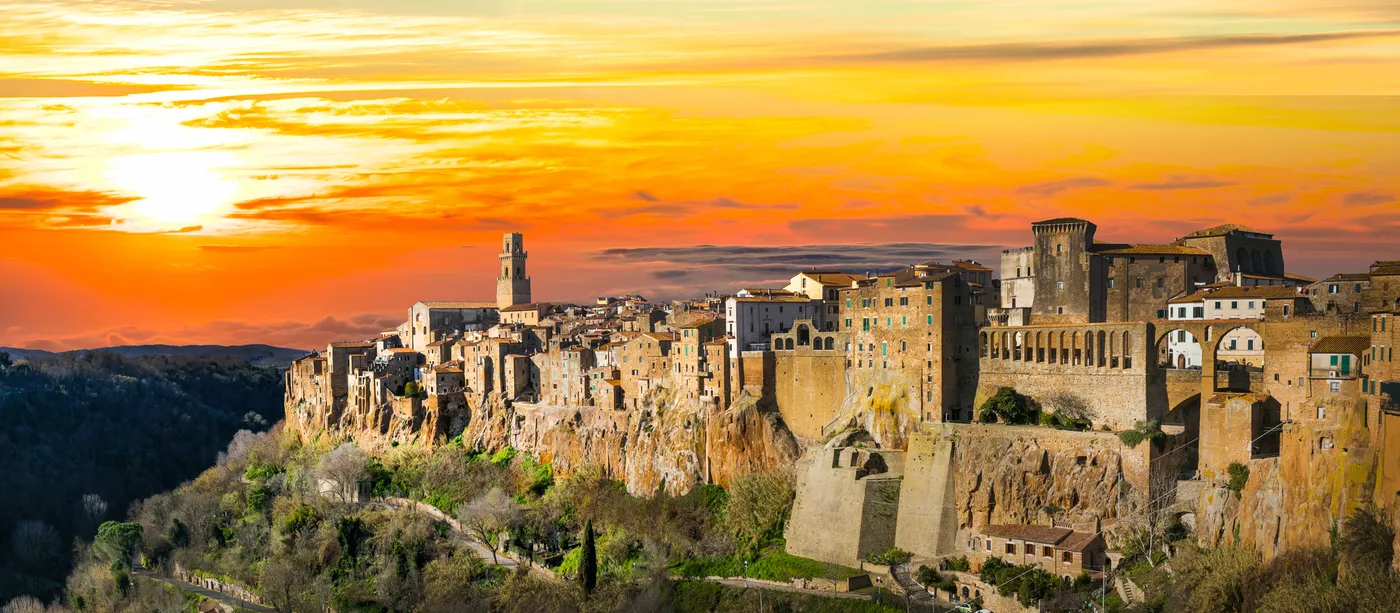
Between the first light of dawn and the slow fading of sunset, the Bassa Reggiana reveals itself as a discreet and profound land, capable of winning over those who travel through it with careful steps. It is not a place that imposes itself: it allows itself to be discovered little by little, in the details, in the silences, in the everyday gestures that preserve an authentic richness. Its villages, eloquent in art as well as in words, tell of an ancient and never ostentatious prosperity, where even the smallest alleyway becomes the promise of an unexpected discovery.
Traveling through the Bassa Reggiana is like leafing through the pages of an ancient book. Every stone preserves a memory, every glimpse holds stories of people, work, and seasons that have followed one another naturally. Here, time seems to slow down, offering visitors the chance to reconnect with a more human rhythm, to rediscover the value of waiting and contemplation. It is a land that invites you to listen, even before you look.
The identity of the territory emerges strongly in its architecture, a silent witness to centuries of transformation: from medieval fortifications to stately homes, from Renaissance squares to rural complexes that tell the story of peasant civilization. Art lives in churches, palaces, and works marked by time, which has not erased beauty but made it more real, more profound.
Taste as the key to understanding the territory
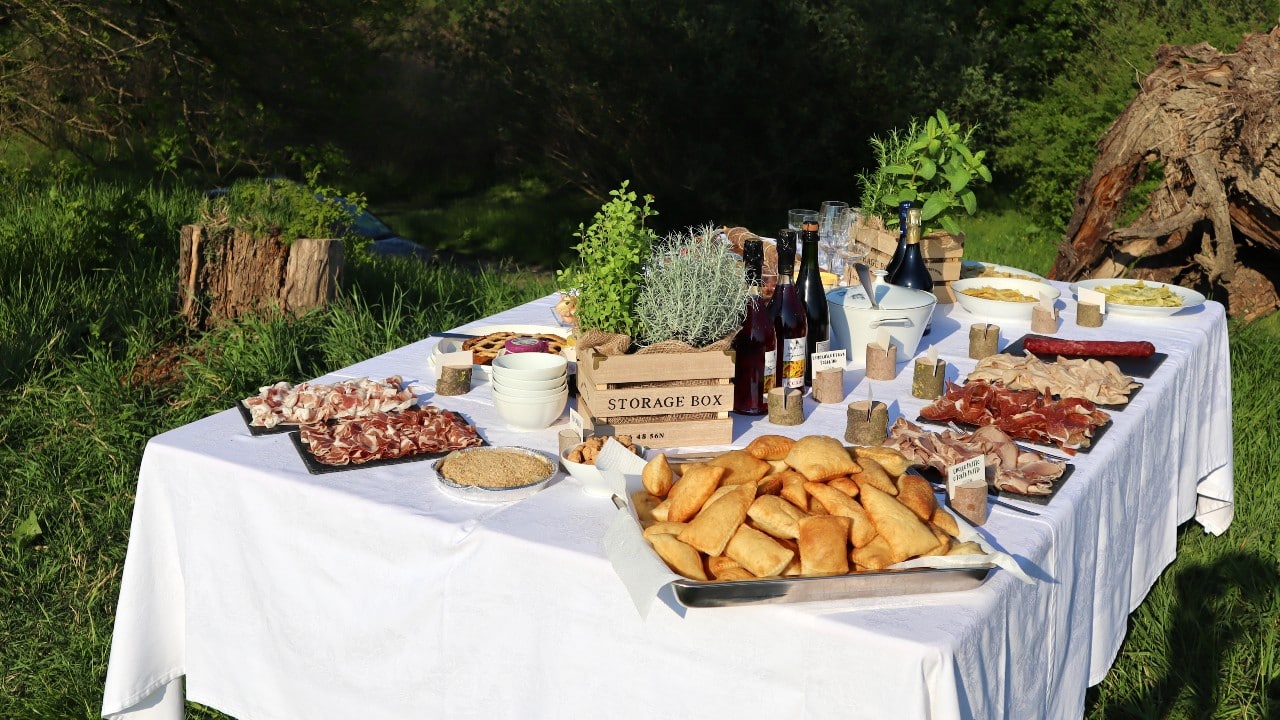
Tradition remains at the heart of everything, finding one of its most sincere expressions in gastronomy. The cuisine of the Bassa Reggiana region is born from the encounter between the land and man, from a wisdom handed down through the generations that transforms simple ingredients into dishes laden with meaning. Every flavor is a story, every recipe is a link to the past. Even today, festivals and fairs mark the collective calendar and become moments of authentic sharing, where the community comes together in harmony with the rhythm of the seasons.
In these lands, simplicity manifests itself in its most elegant form. It can be found in agricultural products, in honest cuisine, but also in the small daily gestures of those who continue to preserve traditions without nostalgia, with naturalness. It is an elegance made up of balance, moderation, and respect for what has been and what is to come.

An invitation to slow tourism
The Bassa Reggiana is an ideal destination for those who choose slow tourism, for those who want to travel without haste and transform the journey into an inner experience. Nature accompanies this journey with landscapes suspended between the morning mists and the reflections of the waterways, offering views that change with every hour of the day. Here, time seems to take a different direction, lightening thoughts and leaving room for a fuller perception of the present.
This area represents a rare balance between evolution and enchantment, between memory and future. It is a land that does not deny its past, but uses it as a foundation to build a responsible and contemporary vision. Every experience becomes an opportunity for transformation, an invitation to look at the world with new eyes.
In the heart of the plain crossed by the Po River, the lands of the Gonzaga family tell a story that intertwines landscape and power, culture and everyday life. Along the great river, villages and countryside preserve the legacy of one of the most influential dynasties of the Italian Renaissance. Castles, courtyards, and squares bear witness to a past that has left a deep imprint, still visible in the urban and cultural fabric of these places.
Traveling through these lands also means letting yourself be guided by taste. The cuisine celebrates the products of the fertile Po Valley with recipes that stand the test of time, handed down as a family ritual. It is a way to reconnect with one’s roots, to understand a territory through what it offers at the table, without artifice.
Land of art and cinema
The tourist attractions of the Bassa Reggiana and Terre di Po areas invite visitors to enjoy experiences that combine nature, culture, and flavors. This is tourism that does not consume but understands; that does not rush but observes. A journey designed for those who want to capture the essence of a place that is changing but never loses its authenticity.
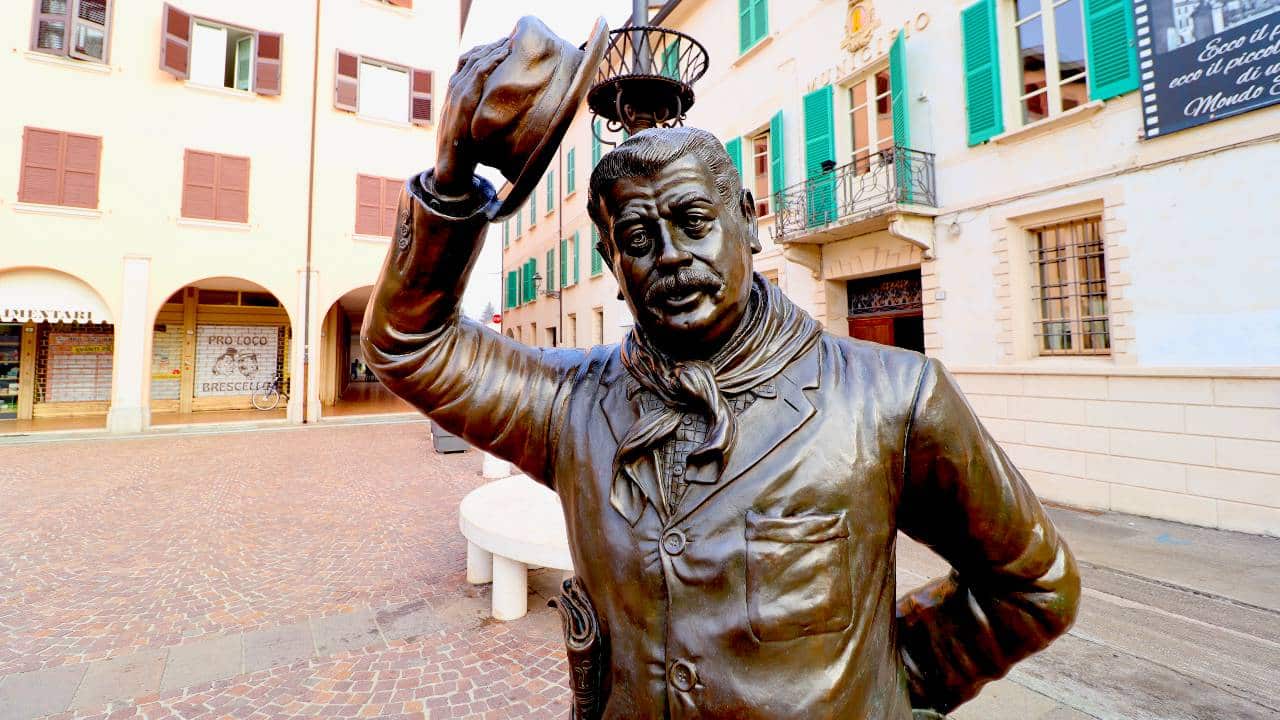
This land is also deeply linked to the world of art and cinema. Its landscapes, villages, and countryside have inspired artists, writers, and filmmakers, becoming the natural settings for stories that have marked the collective imagination. It is a land that continues to speak through images, capable of fascinating those who seek authentic places, full of atmosphere and meaning.
Visiting the villages of the Bassa Reggiana means embarking on a journey that goes beyond simple geographical discovery. It is a journey through time and the soul, where each stop adds a piece to a mosaic made up of history, culture, and humanity. From the towns overlooking the Po River to the Renaissance squares, from the quiet countryside to the fortified villages, each place offers a different perspective, but is part of a common story.
Finally, the cuisine is one of the most authentic keys to understanding this area. The typical dishes are the result of a solid agricultural culture and a deep relationship with the land and work. From stuffed pasta to rice dishes, from meat to traditional desserts, each preparation is an expression of ancient wisdom that continues to live on in the present.
A trip to the Bassa Reggiana is never just a passing visit. It is an experience that leaves its mark, that teaches you to slow down, that invites you to look beyond the surface. It is an encounter with a land that does not ask to be rushed through, but to be experienced, listened to, savored. For those seeking a transformative journey, the Bassa Reggiana is not just a recommended destination: it is a necessary choice.