 San Martino di Castrozza
 VIVA! Festival 2026
 Tandem paragliding flights in Tirolo and Merano: the thrill of flying over the Alps
 Recipe: Polta di Pacentro, the peasant dish that symbolises the traditions of Abruzzo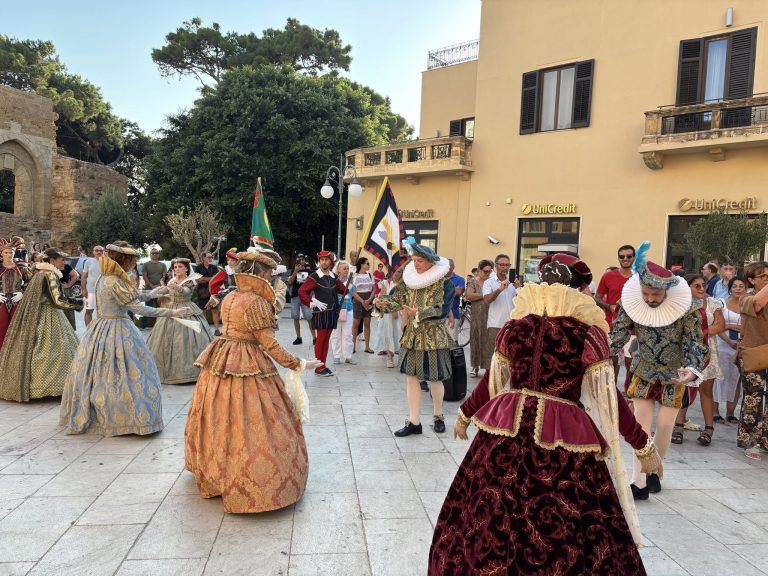
The Feast of St Vitus
Event description
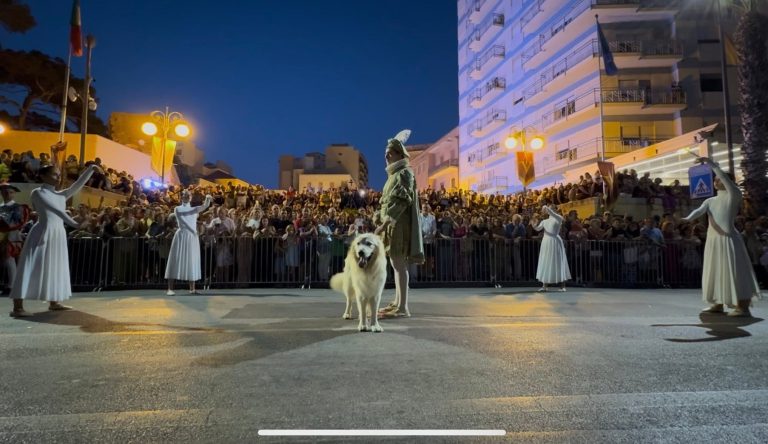
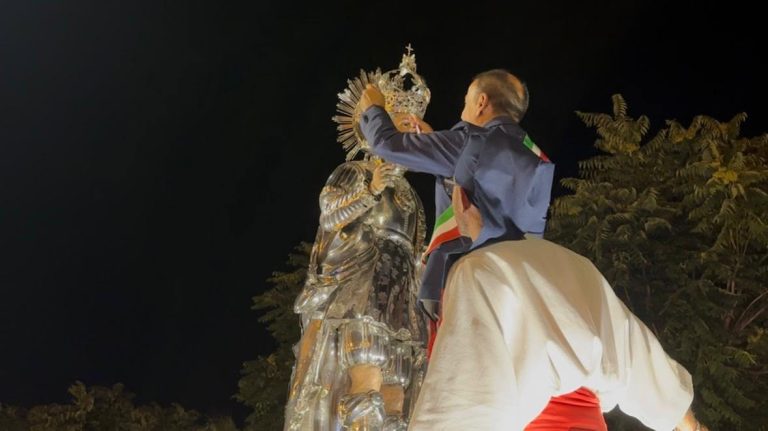
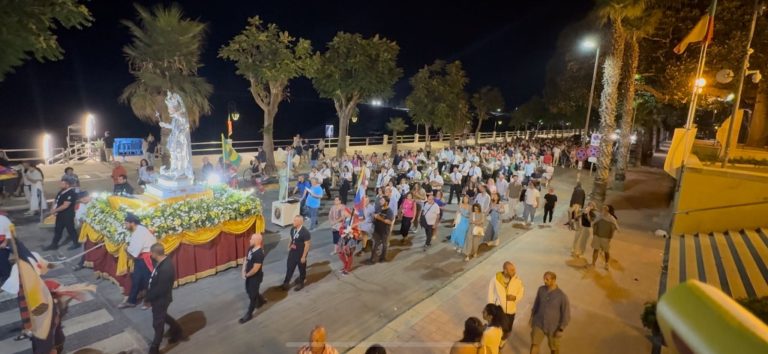
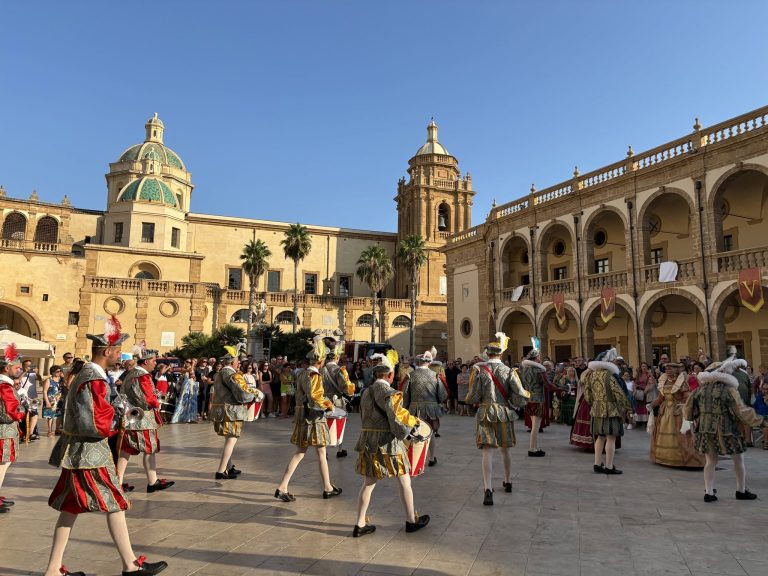
The silver statue of the saint carried in procession during ‘u fistinu, accompanied by sailors in traditional costume. A tradition deeply cherished by the people of Mazara is ‘u fistinu di Santu Vitu’ (the festival of Saint Vitus), a celebration in honour of the town’s patron saint. These festivities date back to the 17th century, when, on 23 August 1614, the town councillors resolved to add their fellow townsman Saint Vitus as co-patron to the Most Holy Saviour, who was already the town’s patron saint. This resolution was subsequently approved on 8 September of the same year by the then bishop, Monsignor Marco La Cava. The celebrations, initially held over the four days preceding 15 June, were later moved to the penultimate and final weeks of August. Traditionally, the festival opens with the Annunzio, a procession in 17th-century costume that winds its way through the streets of the town, stopping at intervals to allow the herald to proclaim the announcement. In the days following the Annunzio, a historical-theatrical procession featuring living tableaux takes place, illustrating the life of Saint Vitus and his guardians, Modesto and Crescenzia. The procession is led by the figure from the town’s ancient coat of arms: a woman, holding a cup, in the act of feeding a snake (nutrit alios et spernit suos). This is followed by three allegorical floats representing the virtues¹ which, according to tradition, are attributed to the saint: Faith, Hope and Fortitude. These are followed by the living tableaux, which re-enact the saint’s life:
The first depicts Vito’s family, with his father Ila and Vito himself, surrounded by male and female servants;
The second depicts the Roman imperial court, with Diocletian and his daughter Valeria—who was healed by the saint—parading amongst the senators and the Roman governor Valeriano;
The third depicts the Christian community of Rome, with Pope Marcellinus surrounded by seven deacons.
The fourth depicts Vito at the time of his martyrdom, flanked by Modesto and Crescenzia, with maidservants behind them bearing palm branches – the symbol of martyrdom – alongside angels and the executioner.
Bringing up the rear of the procession is the float bearing the silver statue of the saint, drawn by fishermen from Mazara in traditional costume. The celebrations conclude with the statue being loaded onto a fishing boat, the Blessing of the Sea and the throwing of a laurel wreath into the water, in memory of the sailors from Mazara who died at sea.