
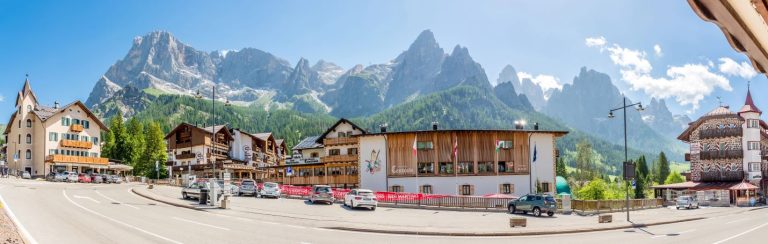
 San Martino di Castrozza
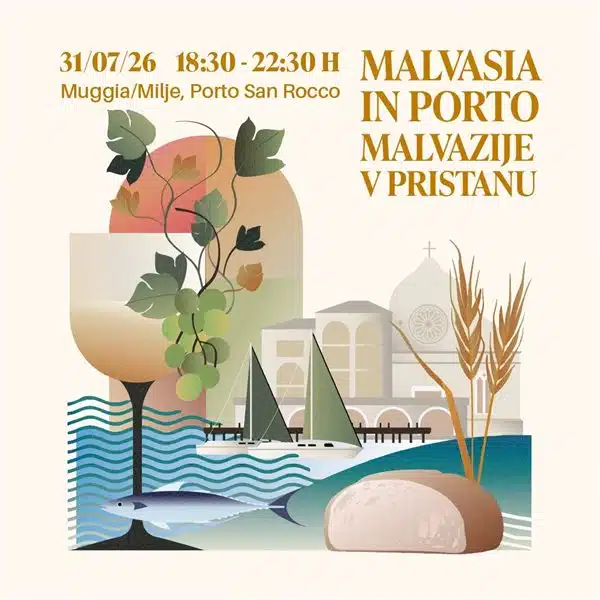 Malvasia in Porto 2026
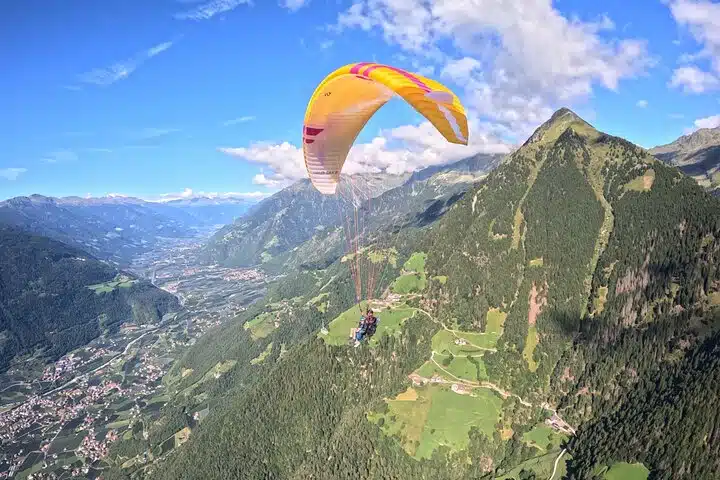 Tandem paragliding flights in Tirolo and Merano: the thrill of flying over the Alps
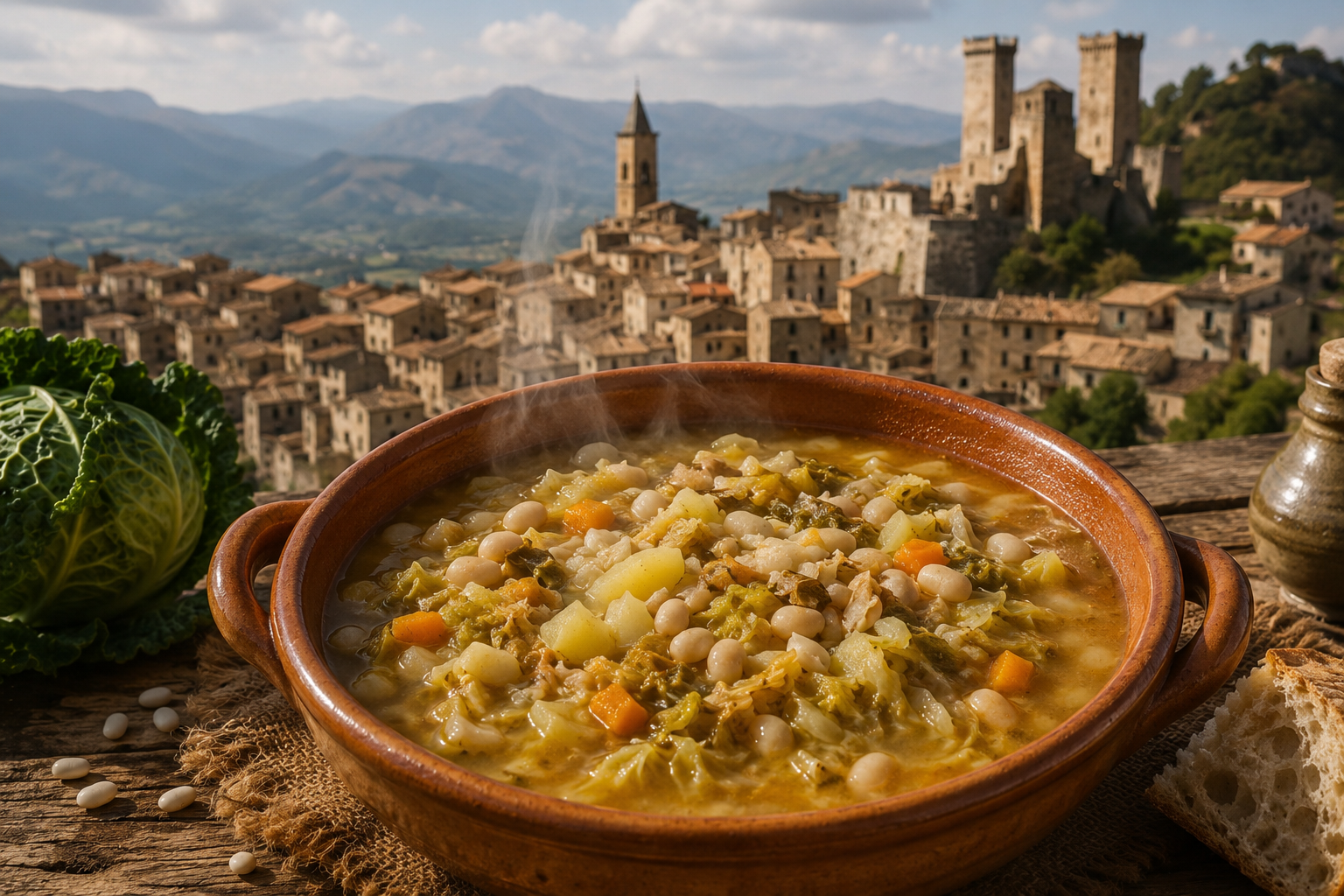 Recipe: Polta di Pacentro, the peasant dish that symbolises the traditions of Abruzzo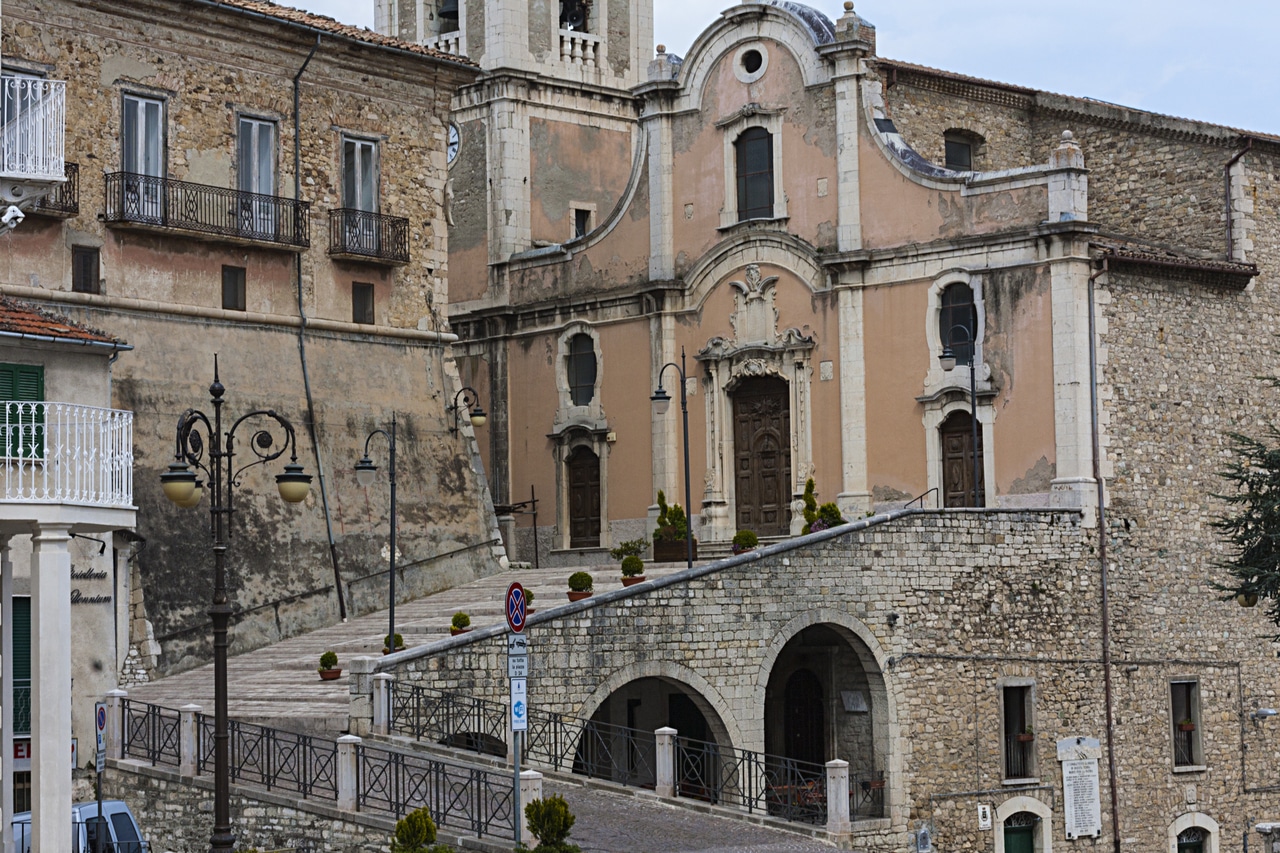
In the heart of the village of Ripalimosani stands the Mother Church of Santa Maria Assunta, the main place of worship and symbol of the community’s identity. Its origins date back to the 14th century, although it is not possible to establish with certainty the year of its final construction. However, parish records attest to the existence of the bell tower as early as 1463, a date that testifies to the ancient presence of this sacred building in the urban fabric of the village.
The facade and bell tower
The façade, dating back to the 16th century, is an elegant example of Neapolitan Renaissance style, embellished with a late Baroque setting featuring volutes, cartouches, spirals and plant motifs that accentuate its solemnity. The only remnant of the original 13th-century church is visible on the north-east wall, a silent testimony to the building’s earliest phases.
The main portal, also dating back to the 16th century, is reached by climbing four steps. The chestnut wood door, made from a single piece of wood, is one of the most precious works: divided into panels with bas-relief tiles dedicated to liturgical symbolism, it features an effigy of the Madonna flanked by two adoring angels in the lunette. The carving, of extraordinary finesse, was created in 1932 by the Campobasso artist Domenico Petrone, giving the façade further artistic value.
On the side façades of the church and bell tower, there are sculptures from different periods, reused from pre-existing buildings. At the base of the bell tower, a particularly evocative figurative group – which popular tradition identifies as Adam, Eve and the devil – adds a touch of mystery and symbolic charm to the whole.
The interior: art and devotion
The interior has a basilica layout with three slender, elegant naves and houses an artistic heritage of great importance. Nine altars embellish the space: the oldest is that of the Epiphany, second from the right, once the high altar, notable for its inlays and polychrome marble.
Of particular value are the wooden choir and the 16th-century Renaissance pulpit. The latter, finely carved with floral motifs and drapes, is leaning against a pillar and supported by an eagle bearing the coat of arms of the municipality on its chest. Opposite the choir is an organ dating back to 1778, which contributes to creating a solemn and harmonious atmosphere.
Among the most significant works are:
-a medieval baptismal font;
-statues by the sculptor Di Zinno;
-a Nativity attributed to Cecere;
-a precious 16th-century copy of the Holy Shroud;
-the 18th-century statue of St. Michael the Archangel, patron saint of the town, by Nicola Fumo;
-the painting “The Adoration of the Magi” by Scipione Cecere, located above the altar of the Epiphany.
A symbol of the village
The Mother Church of Santa Maria Assunta is not only a religious building, but a veritable treasure trove of art, history and faith. Every element – from the 15th-century bell tower to the sumptuous wooden portal, from the reused sculptures to the richly decorated altars – tells the story of centuries of community life and devotion.
Visiting this church means immersing yourself in the most authentic soul of Ripalimosani, among Renaissance architecture, Baroque influences and masterpieces that bear witness to the artistic and spiritual vitality of Molise.