 Passignano sul Trasimeno
 Historical Tournament of the Villages of Susa
 Tandem paragliding flights in Tirolo and Merano: the thrill of flying over the Alps
 Recipe: Cippillato, Trivento’s iconic sweet treat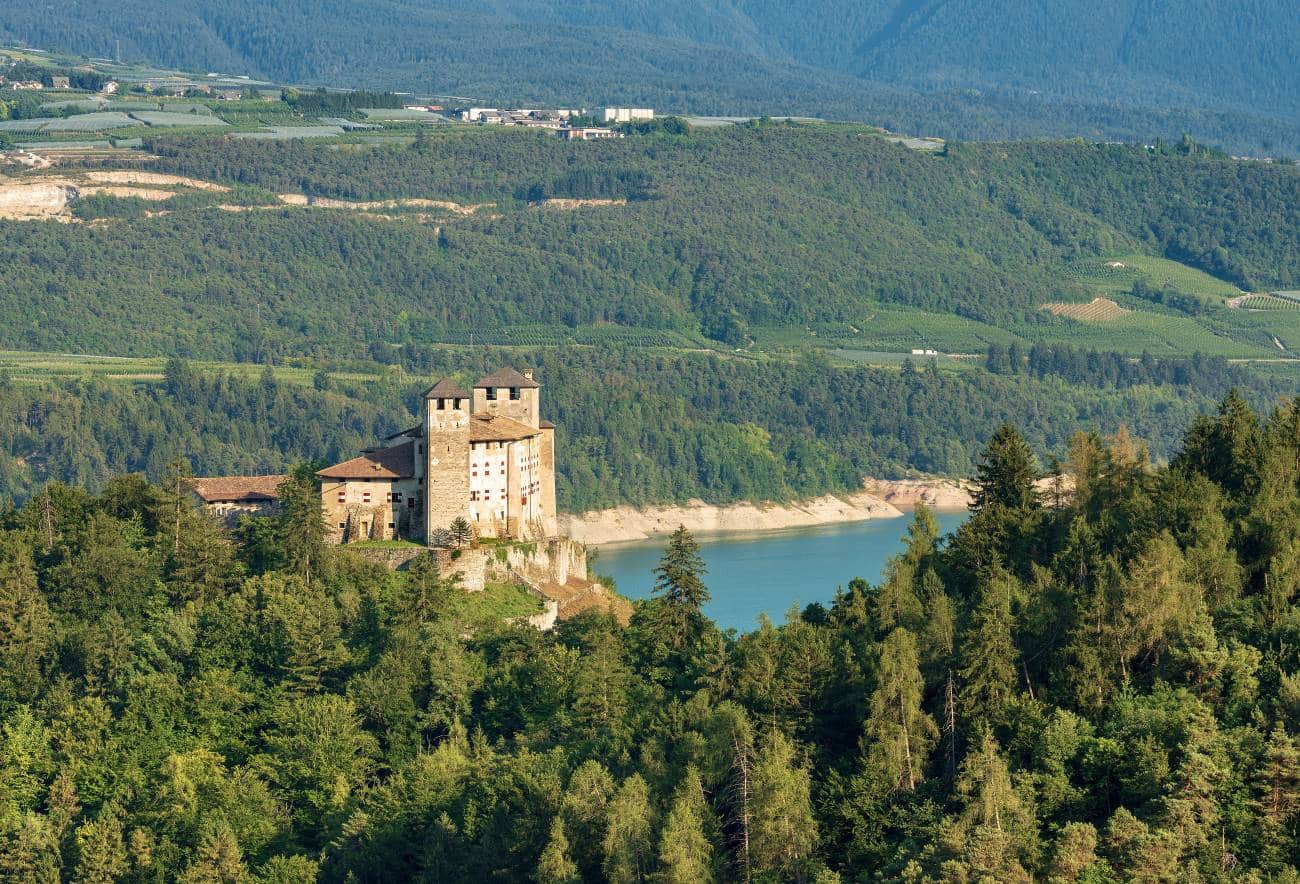
The Val di Non is one of the largest and brightest valleys in Trentino, an area that surprises visitors with its balance, variety, and quality of life. It is not an alpine valley in the classic sense of the term, but a large plateau dotted with villages, neat orchards, and sudden canyons that open up between the mountains. Here, the landscape is the result of an ancient dialogue between man and nature, made up of care, respect, and traditions that have been handed down for centuries.
Visiting Val di Non means immersing yourself in an authentic environment, where tourism has not distorted the local identity and where each season offers different colors and atmospheres. In spring, the valley is transformed into a sea of flowers thanks to the blossoming apple orchards, in summer it becomes a cool, green refuge, in autumn it is filled with the scents and flavors of the harvest, while in winter it offers silent and relaxing landscapes.
A landscape that tells the story of nature and history
The Val di Non area is known throughout Italy for its apple production, but limiting its identity to this alone would mean capturing only part of the picture. The valley is a harmonious mosaic of orchards, woods, meadows, and scenic trails, suddenly interrupted by deep gorges and canyons carved out by water over thousands of years. These natural contrasts make for a striking landscape: the gentle orderliness of the plateau contrasts with the primordial force of hidden nature, creating scenes of great beauty.
Alongside its natural beauty, Val di Non preserves an extraordinary historical heritage, clearly visible in the widespread presence of castles, sanctuaries, and ancient villages. The castles are not simply architectural elements, but true signs of the strategic role that the valley has played over the centuries, as a land of passage, control, and power. Fortifications, noble residences, and manors still dominate the landscape from above, telling stories of aristocratic families, alliances, and political balances that have marked Trentino. The Castel Thun, one of the most important and best preserved, is the most emblematic example: an imposing complex that bears witness to the life, prestige, and influence of the Trentino nobility over the centuries.
This heritage is complemented by places of profound spirituality, such as the Sanctuary of San Romedio, perched on the rock and accessible via a picturesque path through the woods. Here, nature and faith merge in a unique way, reinforcing the idea of a valley where the landscape is not only to be admired, but also to be read and interpreted. In Val di Non, every natural or architectural element contributes to telling a story of balance between man, territory, and time.
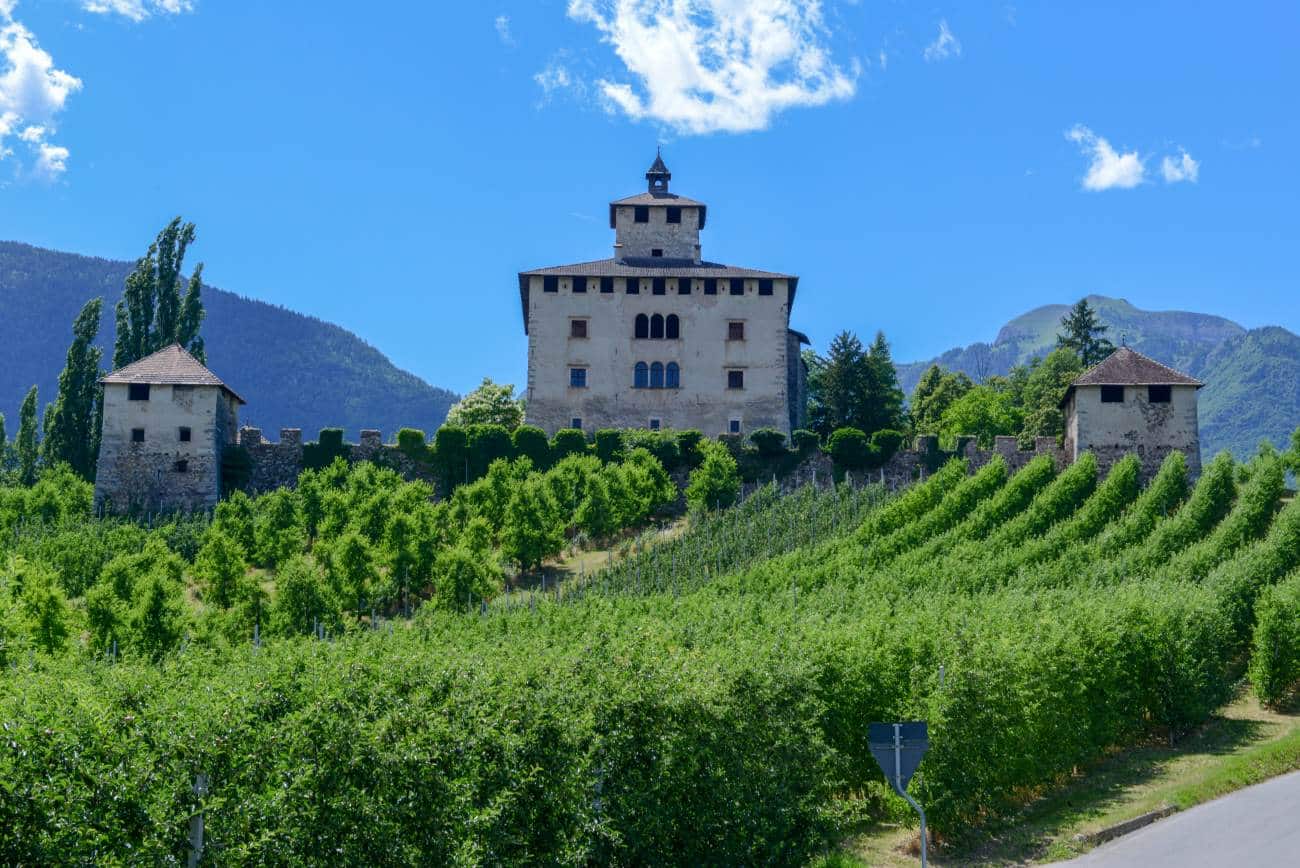
Nanno Castle
What to see and discover in Val di Non
The valley offers a surprisingly varied natural and cultural heritage. Lake Tovel, nestled in the heart of the mountains, is one of the best known and most loved destinations, thanks to its crystal clear waters and the unspoiled environment that surrounds it. Alongside its major landmarks, Val di Non is home to small, well-kept villages, frescoed churches, local museums, and trails that allow you to discover the area at your own pace, following the rhythms of nature.
Each village has its own identity, made up of traditional architecture, lively squares, and authentic relationships. It is precisely this human dimension that makes a visit particularly enjoyable, especially for those seeking real, uncontrived experiences.
The authentic flavors of Val di Non: a tradition that comes from the land
The typical food and wine of the Val di Non authentically reflect the identity of the area and its deep connection with agriculture and the mountains. The undisputed star is the apple, cultivated for centuries and now a symbol of the valley, used not only as fresh fruit but also in numerous traditional preparations, from desserts to preserves.
Alongside this, a simple and hearty cuisine has developed, based on local ingredients and recipes handed down over time: canederli (dumplings), strangolapreti (gnocchi), rustic soups, and dishes based on potatoes, cereals, and mountain cheeses, often accompanied by melted butter and speck. Smoked meats, cheeses produced in the mountain pastures, and homemade desserts complete a genuine gastronomic panorama, designed to nourish and warm, but still capable of winning over today with its balance and authenticity.
Eating in Val di Non is not only a pleasure, but also a way to get in touch with the local culture, its seasonal rhythms, and a farming tradition that continues to live on in everyday dishes.

Strangolapreti
An ideal valley for families
One of the most appreciated aspects of Val di Non is its suitability for family tourism. The area is safe, well organized, and full of activities that are also suitable for children. The trails are often accessible, the distances are short, and the activities are designed to engage children and teenagers in a natural way, surrounded by nature, discovery, and play.
This makes the valley a perfect choice for family vacations, where parents can relax and children can explore a healthy, stimulating environment far from the chaos of large tourist destinations.
The Upper Val di Non, the most open and peaceful part of the valley
The Upper Val di Non represents the most expansive and airy soul of the territory. Here, the landscape opens up into large plateaus, the woods take center stage, and the pace slows down even further. It is an ideal area for those seeking tranquility, open views, and deep contact with nature.
The Upper Non Valley is also a natural link to alpine environments of great value, such as the Brenta Dolomites and the surrounding protected areas. Each season offers different experiences, always in the spirit of slow travel and quality time.
An authentic destination, all year round
The Val di Non is not a destination to be “consumed”, but a territory to be discovered and experienced. It is ideal for those seeking authenticity, well-kept landscapes, authentic villages, and sustainable tourism that respects the place and the people who live there. This valley does not need excesses to be remembered, because its strength lies in its balance, its discreet beauty, and the feeling of being part of a living territory, even if only for a few days.