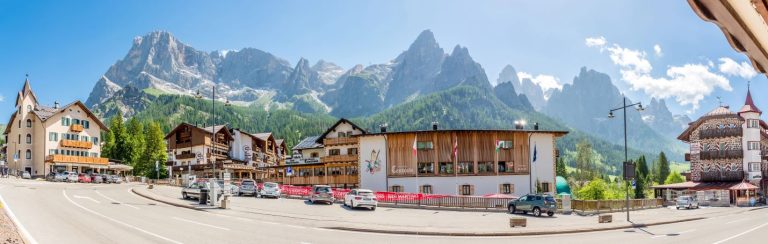
 San Martino di Castrozza
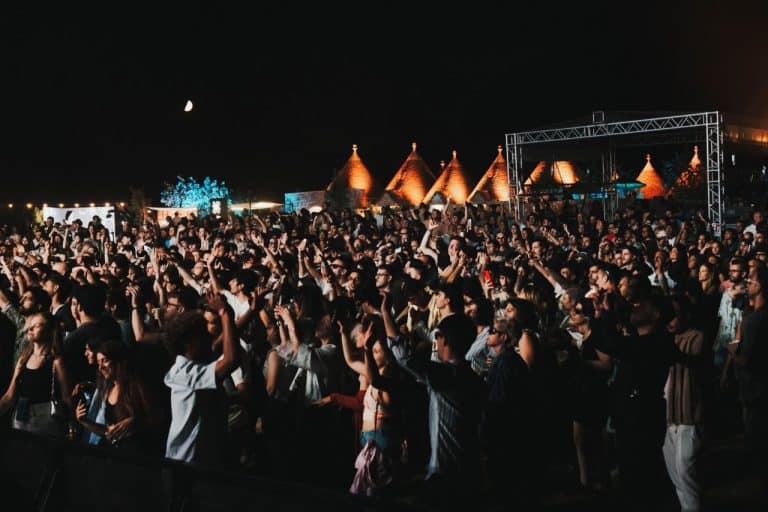 VIVA! Festival 2026
 Tandem paragliding flights in Tirolo and Merano: the thrill of flying over the Alps
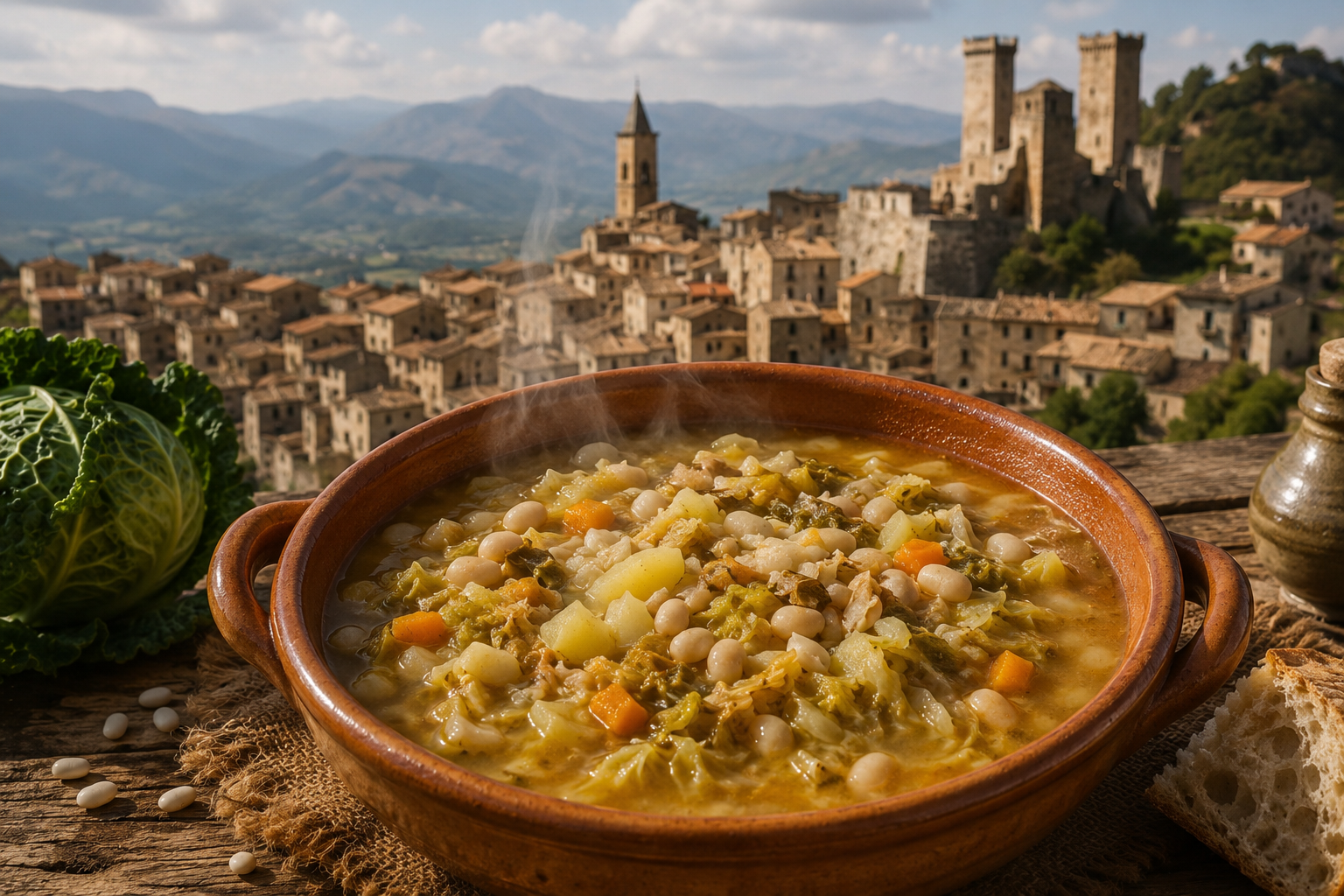 Recipe: Polta di Pacentro, the peasant dish that symbolises the traditions of Abruzzo
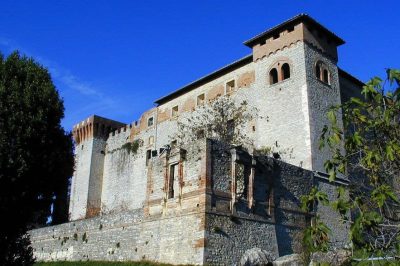
The Church and Convent of Sant’Agostino in Corciano are one of the most important religious complexes in the Umbrian region, linked to the presence of the Augustinian Hermit Order and a long history marked by transformations, devotion and political events.
The complex stands on a hill just south of the village, nestled amongst olive trees, in a picturesque and panoramic setting. Its foundation is documented as early as 1334, thanks to a papal bull issued by Pope John XXII, which sanctioned the establishment of the Augustinian convent.
Over the centuries, Sant’Agostino became an important religious centre and a destination for pilgrimages. Adjacent to the church, a hospital dedicated to Santa Maria had been in operation since the 14th century, a sign of the charitable work carried out by the monks.
The history of the complex is also marked by political events: in 1811, Napoleon Bonaparte attempted to suppress it, but the return of the Papal States ensured its temporary revival. Its definitive closure took place in 1860, with the unification of Italy, when its assets were confiscated by the State.
The exterior architecture
Externally, the church still retains its original 14th-century layout, albeit with numerous alterations. Built of limestone, it features a simple gabled façade, which has been modified over time with the addition of an 18th-century portal and square windows that have replaced the original Gothic openings.
Specific architectural features bear witness to the changes it has undergone:
- the Gothic single-lancet windows, now bricked up, along the sides
- the double row of bricks marking the building’s original height
- the apse, now rectangular but once semicircular
The bell gable is an interesting feature, consisting of two structures arranged at right angles to one another – a rare and striking design.
The interior: a blend of Baroque and devotion
The interior has almost entirely lost its original Gothic appearance due to extensive alterations carried out in the 18th and 19th centuries. Today, it is richly decorated with stucco work and Baroque altars, which define its current character.
Among the most significant features:
- the wooden choir screen dating from 1746, with elegant walnut burl carvings
- the altars dedicated to the Augustinian saints and local patron saints, including St Michael the Archangel, St Roch and St Sebastian
- the wooden balustrade separating the chancel from the nave
In the past, the church housed the famous banner painted in 1472 by Benedetto Bonfigli, which is now kept in the parish church of Santa Maria.
There is also a more intimate and evocative aspect: the tombstones on the floor serve as a reminder that the church was also a place of burial, in accordance with a custom that was widespread in the past.
The convent and the cloister
Within the complex there is a cloister decorated with scenes from the life of Saint Augustine, accompanied by captions in verse written by the scholar Costanzo Ricci. Although it is not open to the public today and the frescoes are badly damaged, it remains a valuable testament to Augustinian culture and spirituality.
A place worth rediscovering
Today, the church is owned by the Ministry of the Interior’s Fund for Places of Worship and continues to tell, through its very stones, a story spanning centuries.
The Church and Convent of Sant’Agostino are not merely a religious monument, but a place where art, faith and memory intertwine, offering visitors a glimpse of the true charm of Umbria.