
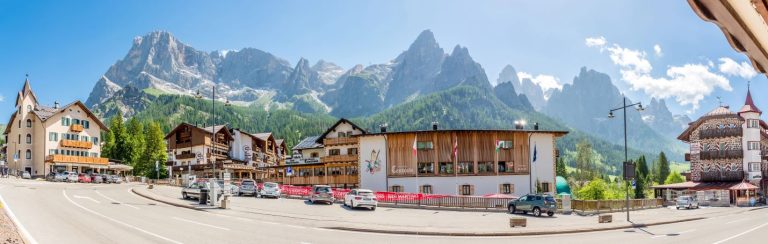
 San Martino di Castrozza
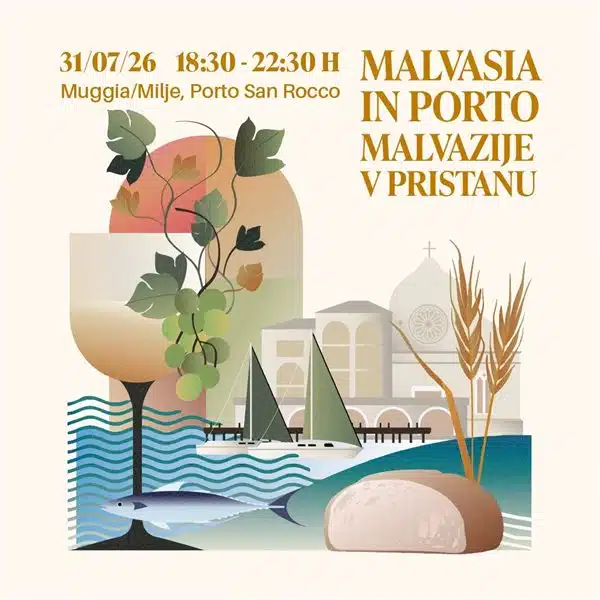 Malvasia in Porto 2026
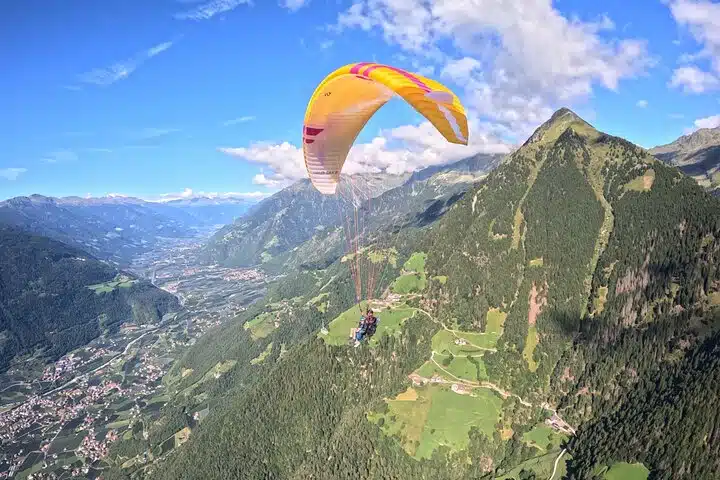 Tandem paragliding flights in Tirolo and Merano: the thrill of flying over the Alps
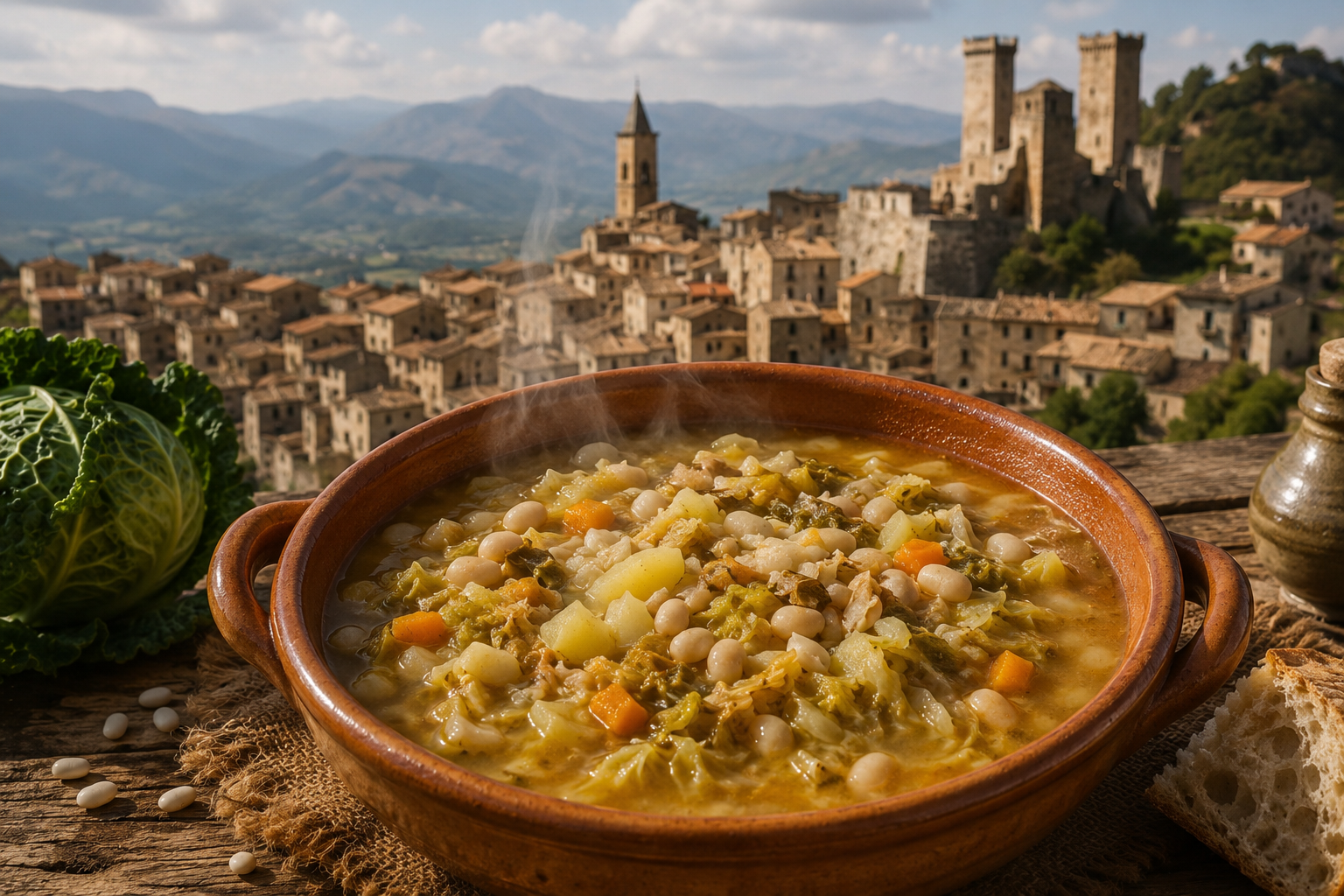 Recipe: Polta di Pacentro, the peasant dish that symbolises the traditions of Abruzzo
The Cathedral of Santa Maria Assunta is one of Montagnana’s most important monuments and stands as a magnificent example of late Gothic architecture enriched with elegant Renaissance elements. Built between 1431 and 1502 at the behest of the Bishop of Padua and the Montagnana community, the cathedral blends harmoniously into the picturesque medieval setting of this fortified Venetian village.
The building has a Latin cross plan oriented according to the cardinal points, an architectural feature that creates a striking play of light: at midday, the sun’s rays strike directly the two white stone spheres set on the façade, lending the cathedral a unique and symbolic atmosphere.
The simple yet elegant façade leads into an interior rich in works of art of extraordinary value. Among the masterpieces housed in the church, Paolo Veronese’s famous *Transfiguration* stands out as one of the most prestigious works in the Padua area. Also of great interest are the three 16th-century panels by Giovanni Buonconsiglio, a refined exponent of Venetian Renaissance painting.
Inside the cathedral there is also a monumental votive painting depicting the Battle of Lepanto in 1571, a testament to the strong bond between art, faith and the history of the Most Serene Republic of Venice. Particularly fascinating are the two frescoes attributed to Giorgione, depicting David and Judith, works that contribute to enhancing the artistic prestige of the church.
The Cathedral of Santa Maria Assunta remains to this day the spiritual and cultural heart of Montagnana, a place where architecture, art and tradition come together within one of the most beautiful walled towns in the Veneto region.