 San Martino di Castrozza
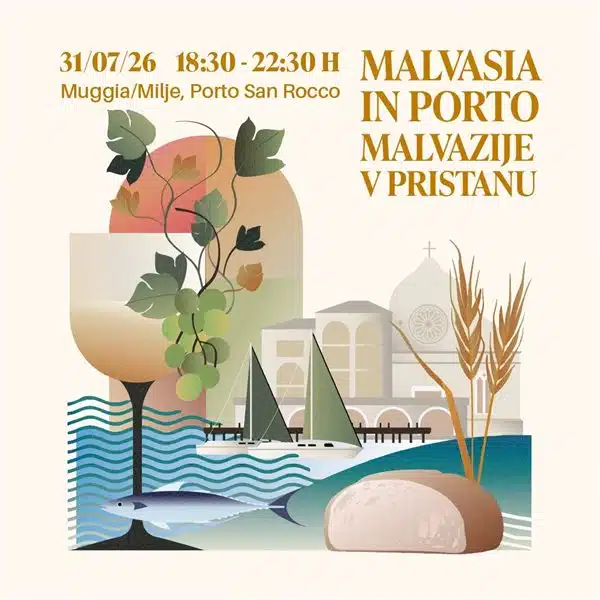 Malvasia in Porto 2026
 Tandem paragliding flights in Tirolo and Merano: the thrill of flying over the Alps
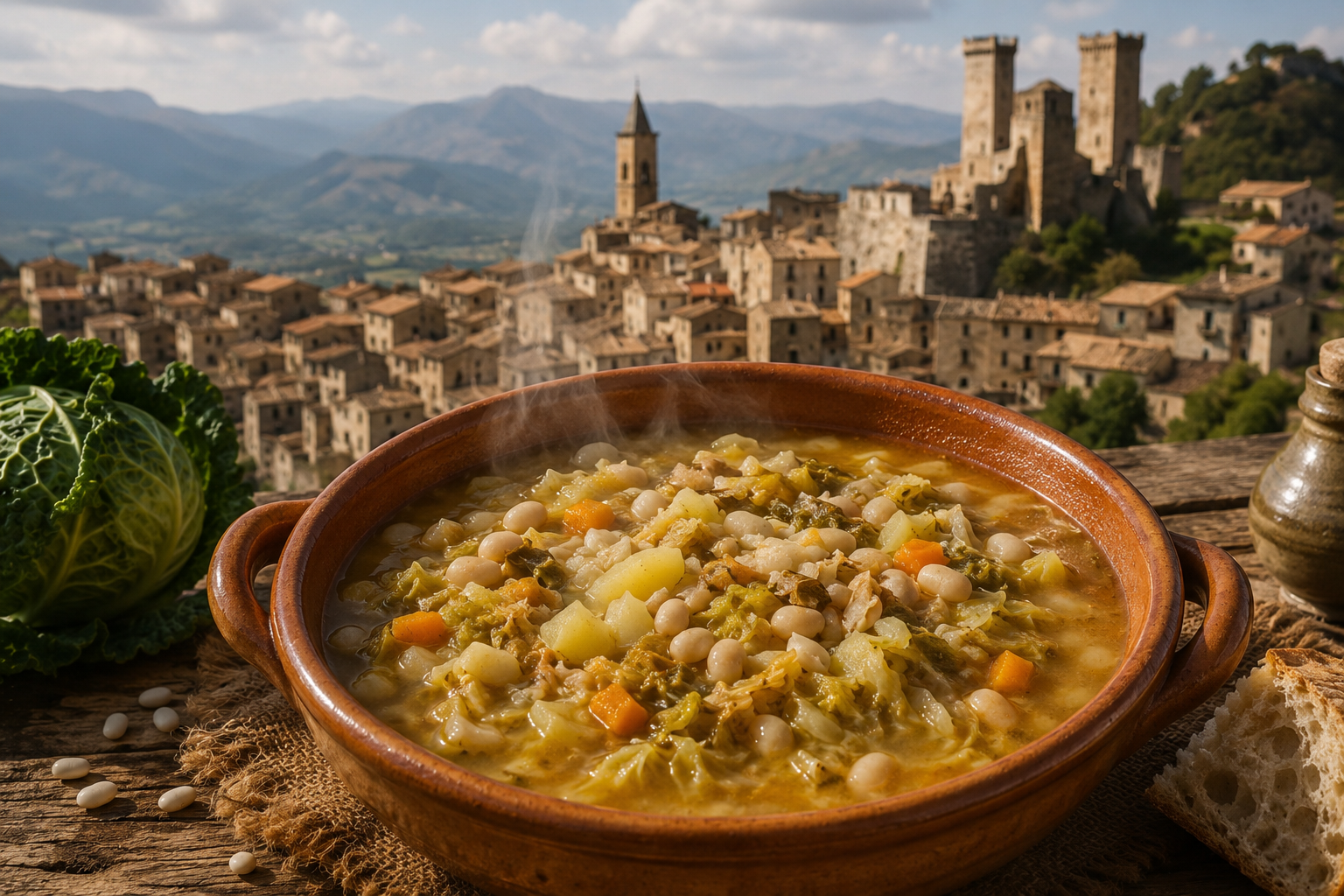 Recipe: Polta di Pacentro, the peasant dish that symbolises the traditions of Abruzzo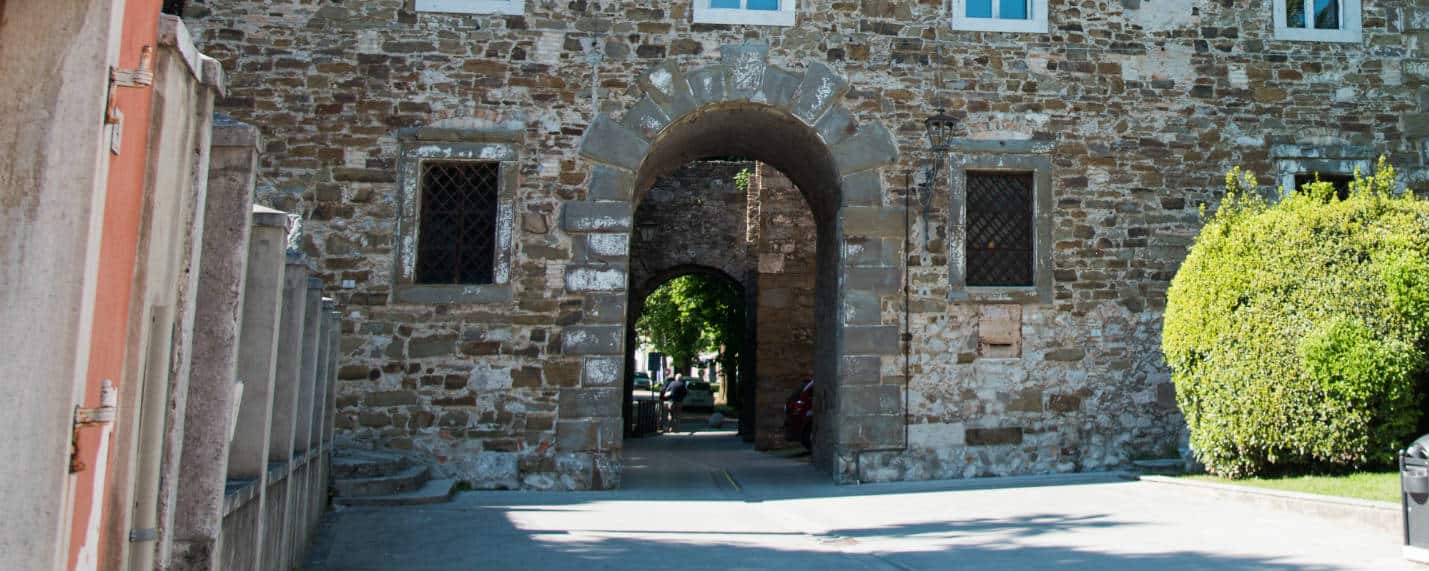
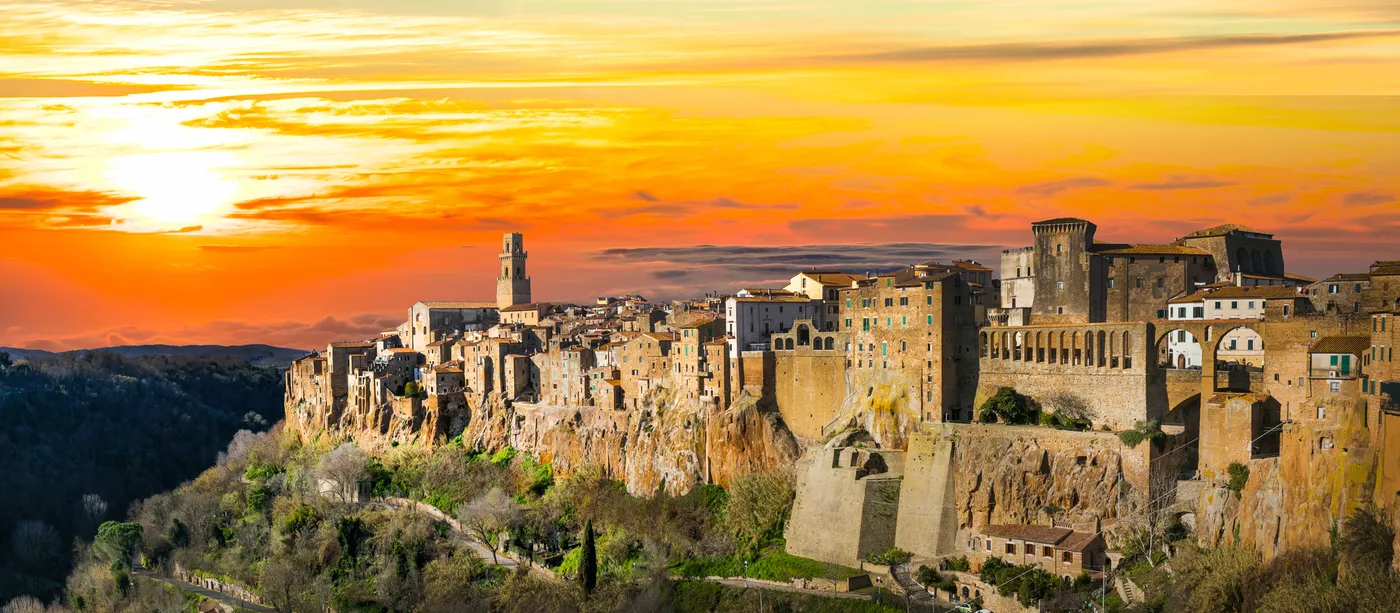
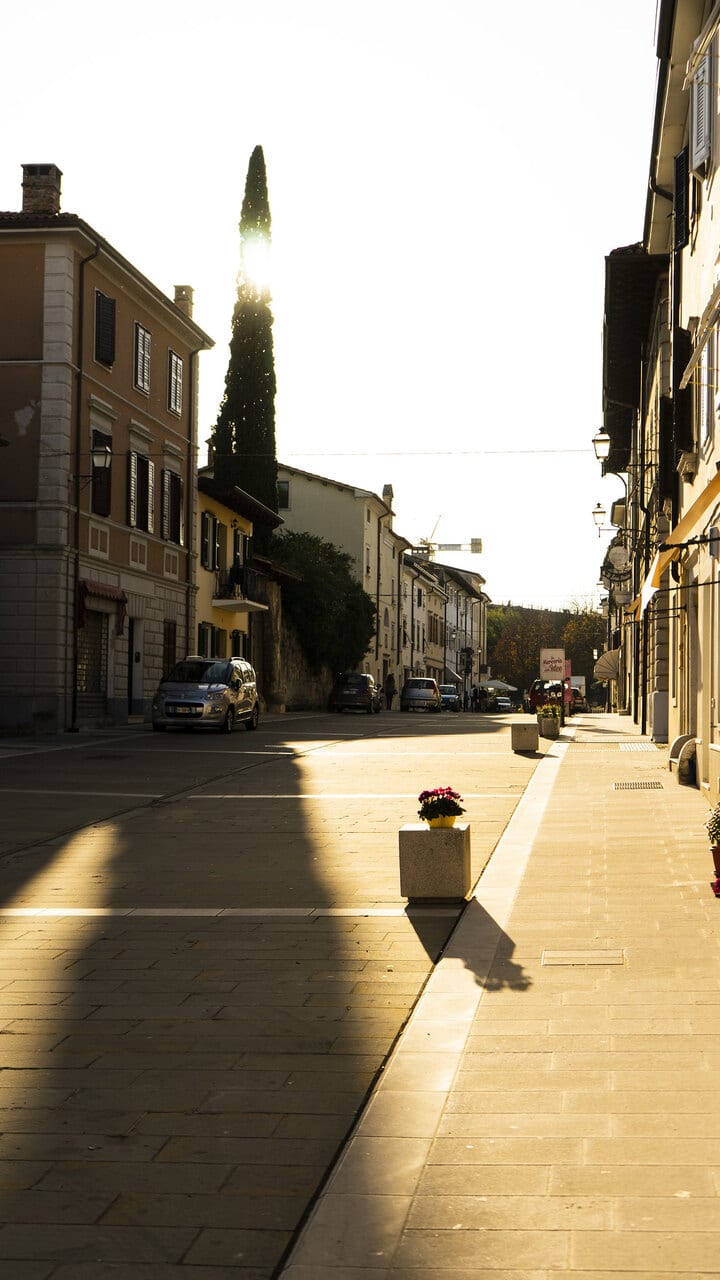
The village of Gradisca d”Isonzo, not far from the Slovenian border, from which the name derives, is a fifteenth-century fortress built by the Venetians located on the right bank of the Isonzo. It differs from other villages, as it is made up of wide streets that cross at right angles to each other and this is because the movements of the soldiers defending the village had to be rapid.
Photo gallery

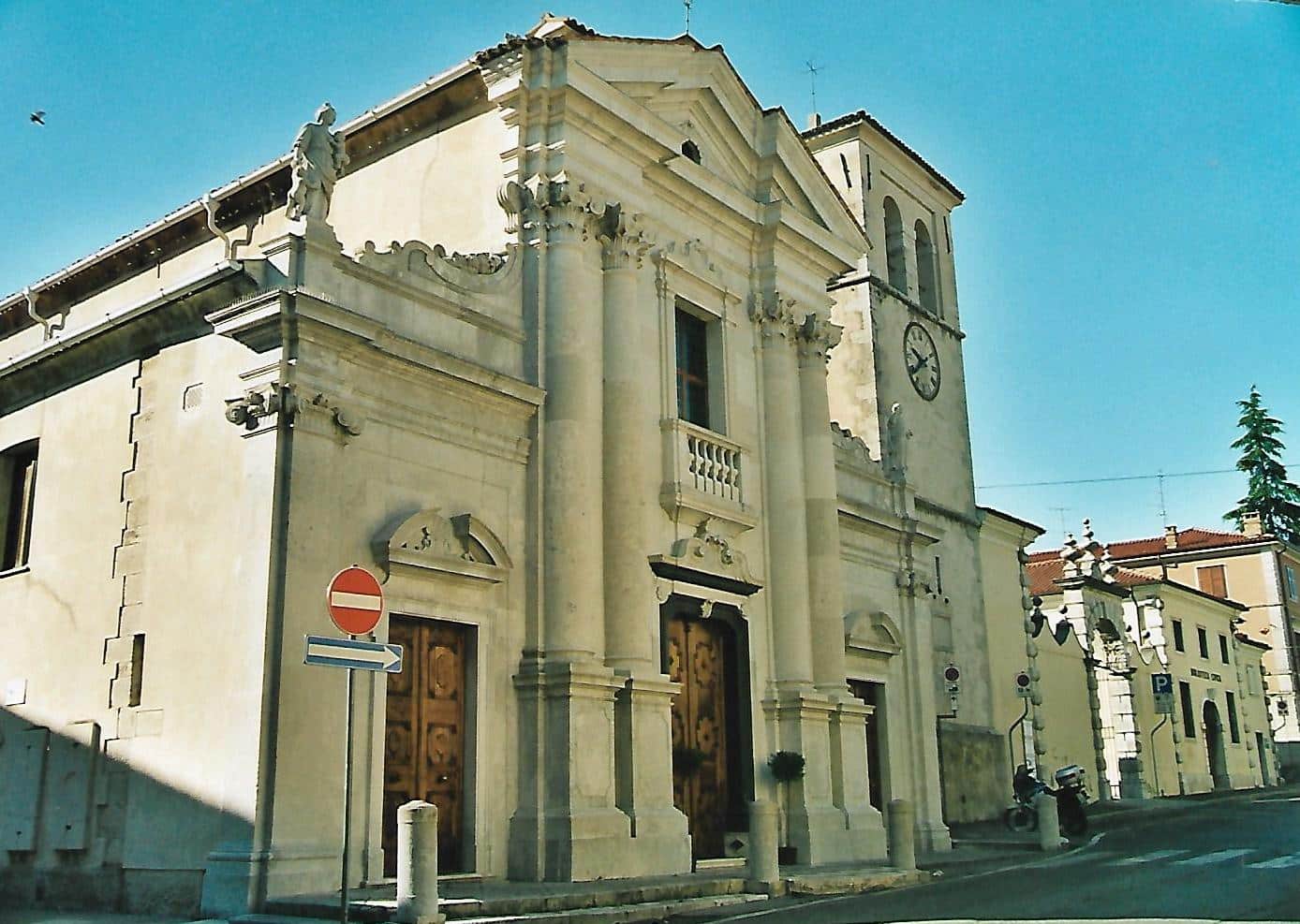
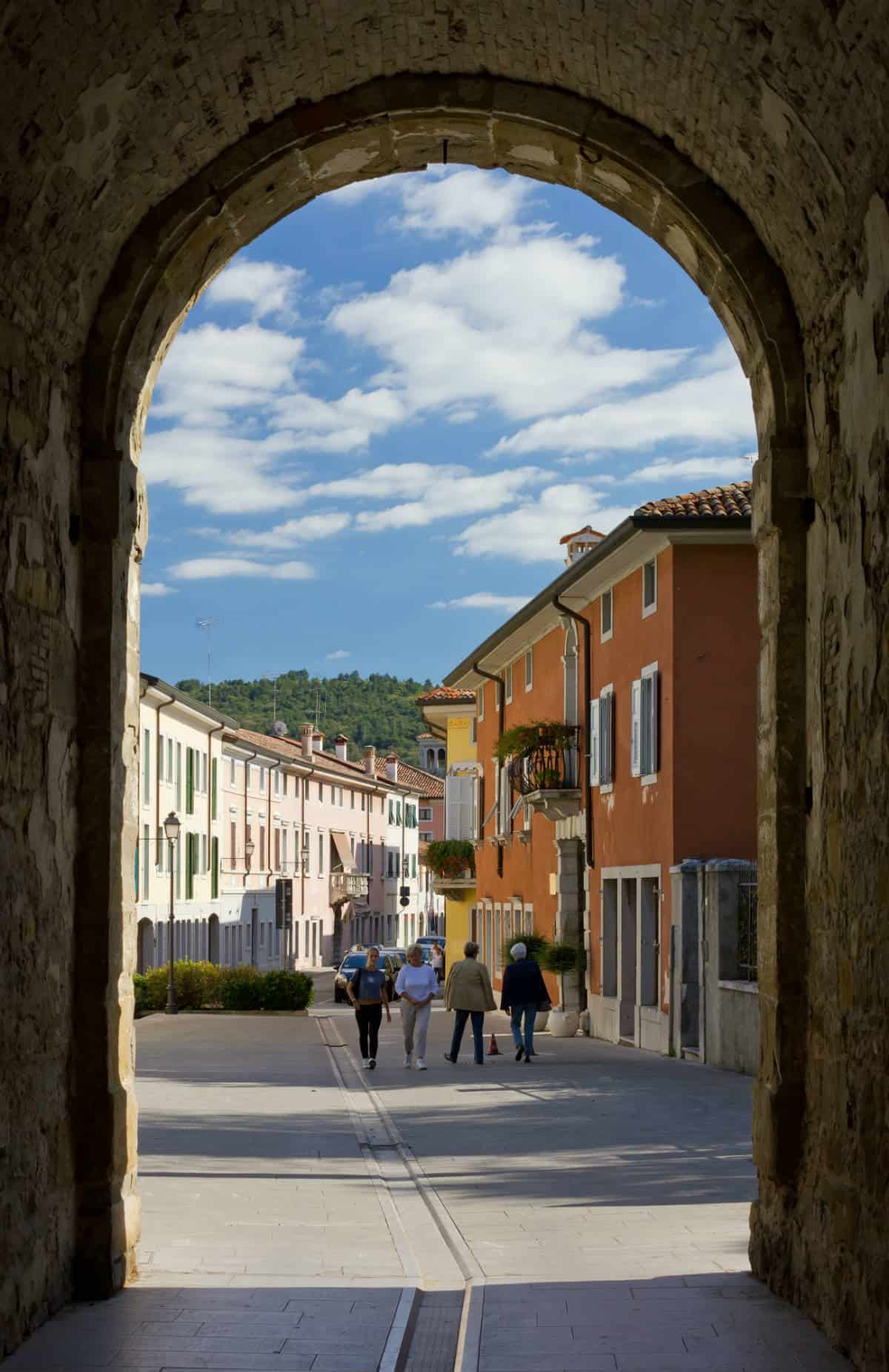
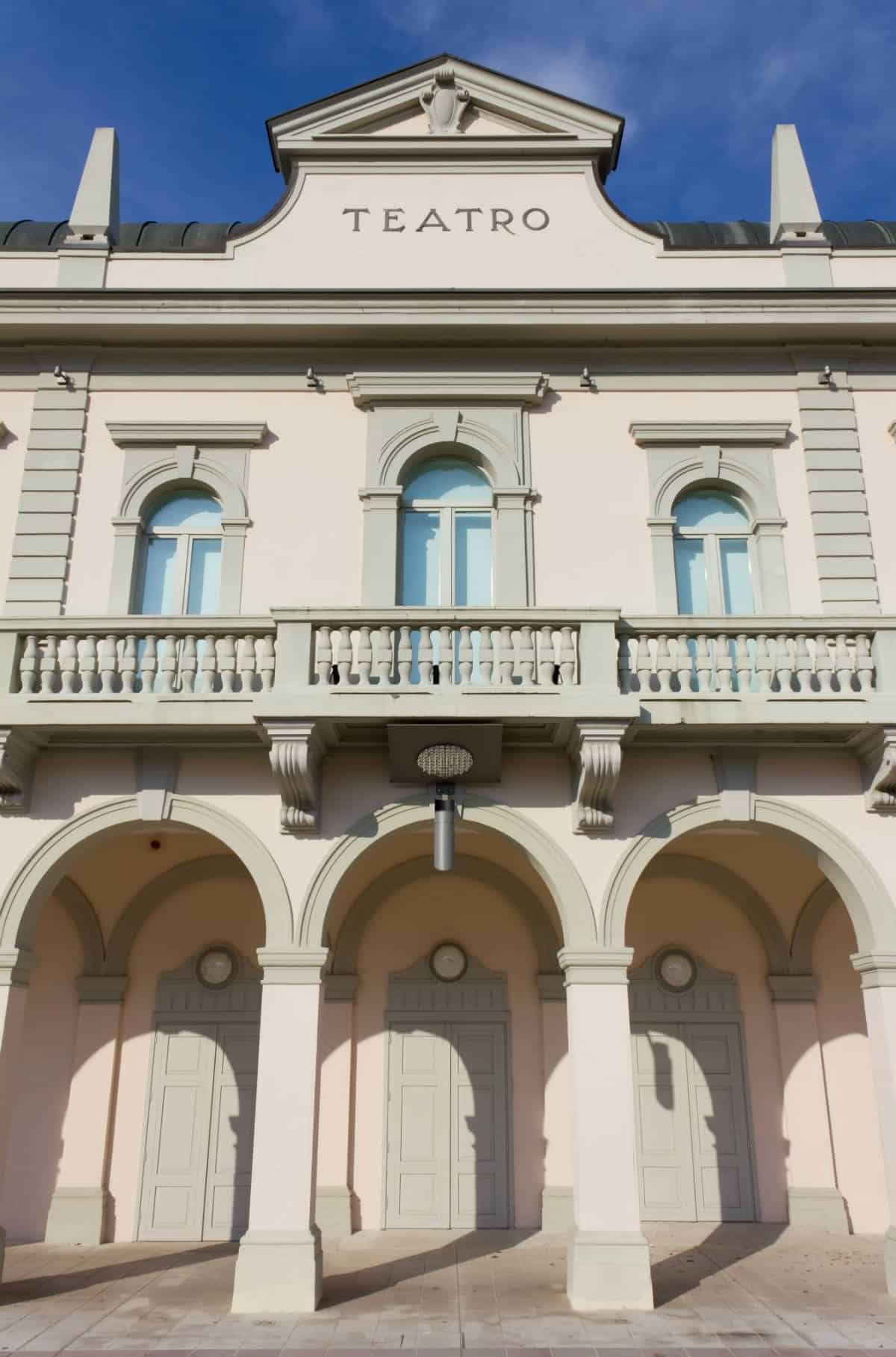
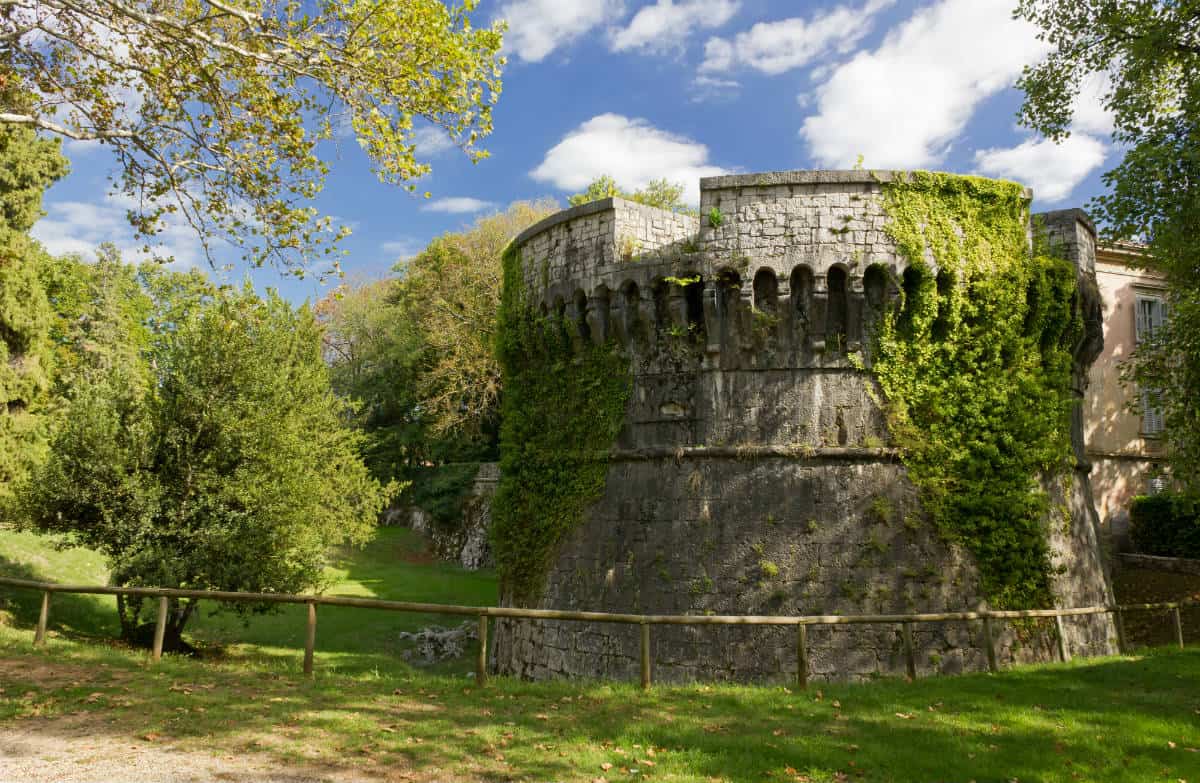
Located in the picturesque Friuli plain, Gradisca d’Isonzo is a veritable treasure trove of historical and architectural beauty, recognised as one of the most charming villages in Italy. Its strategic position, just a stone’s throw from the Slovenian border, gives this enchanting village a unique identity, closely linked to its historical and cultural roots. The name itself, derived from the Slovenian term ‘gradišče’, meaning ‘fortified place’, reflects its role in the context of ancient European fortifications.
Once a Venetian fortress, Gradisca d’Isonzo is characterised by imposing walls and six stone bastions that support the historic structure. These bastions – the Torrione della Calcina, the Torrione della Marcella, the Torrione della Spiritata, the Torrione del Portello, the Torrione di San Giorgio and the Torrione della Campana – not only adorn the landscape of the village, but also bear witness to a combative history, in which historical figures such as Leonardo da Vinci played a crucial role in defending the city from Turkish invasions.
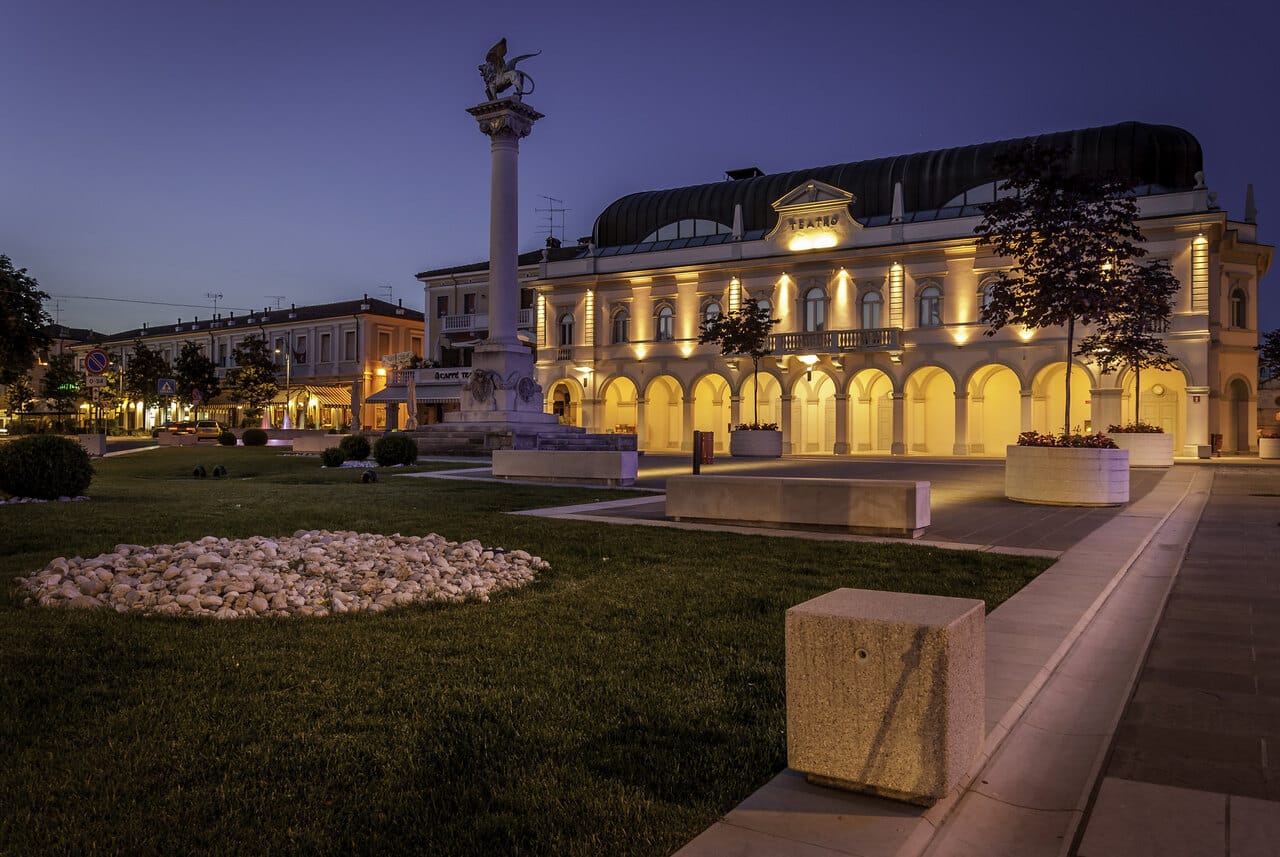
The historic centre of Gradisca d’Isonzo is a veritable labyrinth of elegant streets and welcoming squares, perfect for exploring on foot. Begin your visit at Piazza dell’Unità, the hub of the town’s social and cultural life, where the Monument to Redemption stands tall in the centre, crowned by a bronze lion of St. Mark. This talisman of the Republic of Venice tells stories of nobility and resilience, while the municipal theatre, recently reopened as the ‘Nuovo Teatro Comunale’, offers cultural events and shows that enliven the town scene.
As you continue your walk, you will find yourself immersed in an atmosphere of great architectural charm. The historic buildings, with their elegant Baroque details, tell centuries-old stories. Among the most famous is the Rococo-style Palazzo de Fin-Patuna, renowned for having been Napoleon’s refuge during the French occupation in 1797. Opposite this splendid building, Palazzo Strassoldo stands out for its sobriety and austerity; built to house Captain Riccardo di Strassoldo, it offers a glimpse into military life at the time.
Another spot not to be missed is the imposing Palazzo Torriani, located along Via Ciotti. Here you will find the City Documentary Museum and the Luigi Spazzapan Contemporary Art Gallery, where the history of Gradisca intertwines with contemporary art, offering visitors a unique experience. Do not forget to visit the Palazzo de Comelli–Stuckenfeld in Via Bergamas, another architectural gem that enriches the identity of the village.
In terms of cuisine, Gradisca d’Isonzo is a bridge between different gastronomic cultures. The culinary traditions, the result of multiple influences, are reflected in the village’s typical dishes. Rich and flavourful goulash and plum gnocchi are just some of the specialities worth savouring. A visit to Gradisca would not be complete without a taste of the fine wines of Collio Isontino, in particular the robust Refosco and the delicate Merlot. Do not miss the opportunity to taste the white wines, such as Pinot and Picolit, the latter known for its unmistakable bouquet.
Municipality of Gradisca d’Isonzo
Province of Gorizia
Region of Friuli-Venezia Giulia
Center altitude: 32 m s.l.m.
Borghi più belli d’Italia
Via M.ciotti, 49 – tel. 0481967911
BY CAR
- Take the A34 highway and take the Gradisca d’Isonzo exit
ON THE TRAIN
- Sagrado stations
- Gorizia stations
- Weekly market: every Tuesday and Saturday, in Piazzale dell’Unità d’Italia;
News and stories about “Gradisca d’Isonzo”
Insights and stories from the area, to keep discovering.
Continue the journey
Gradisca d’Isonzo is only one of the treasures of the area. Use the interactive map to discover what to visit nearby, how far the other villages are and which experiences you can enjoy along the route.
Explore the area