 San Martino di Castrozza
 VIVA! Festival 2026
 Tandem paragliding flights in Tirolo and Merano: the thrill of flying over the Alps
 Recipe: Polta di Pacentro, the peasant dish that symbolises the traditions of Abruzzo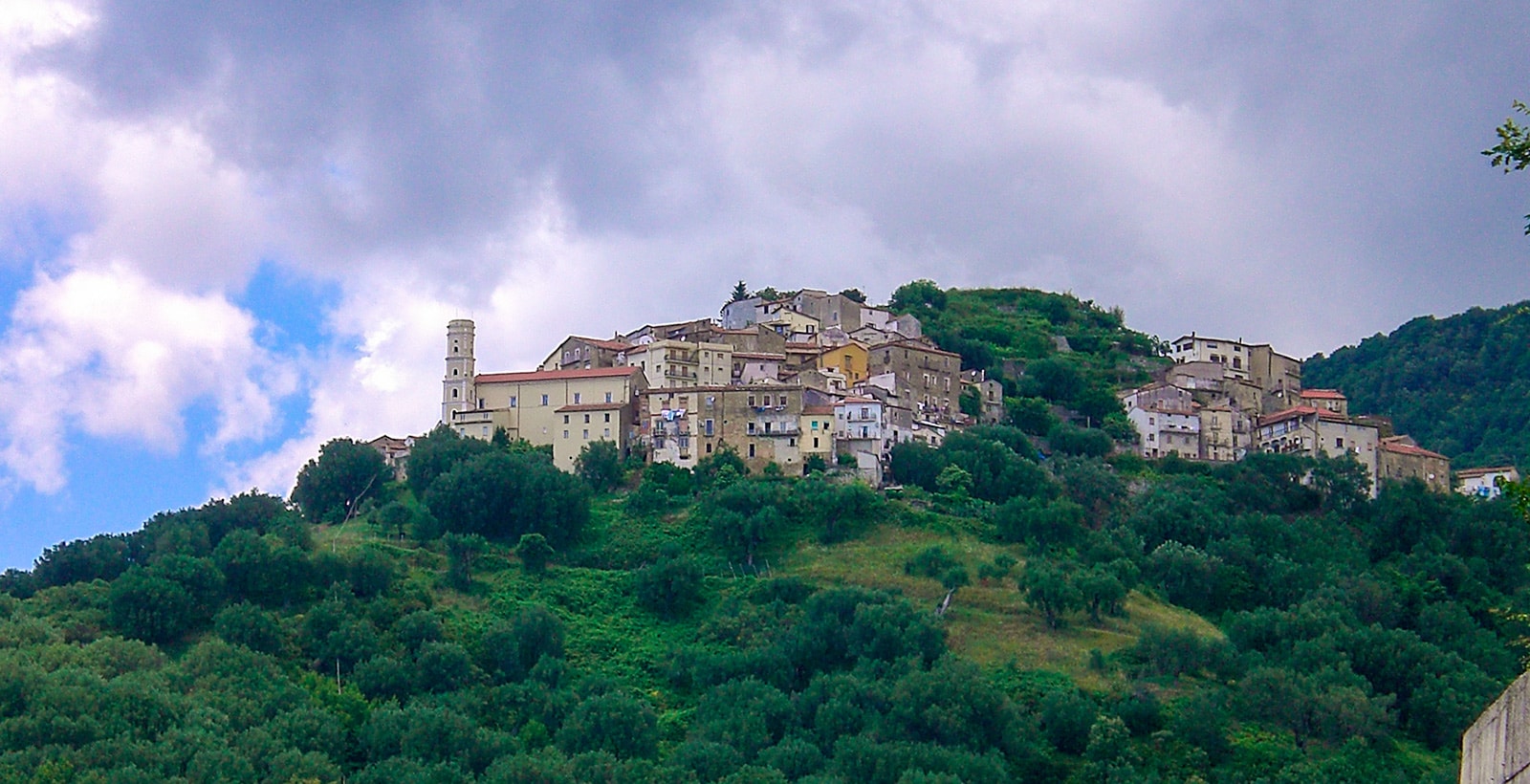
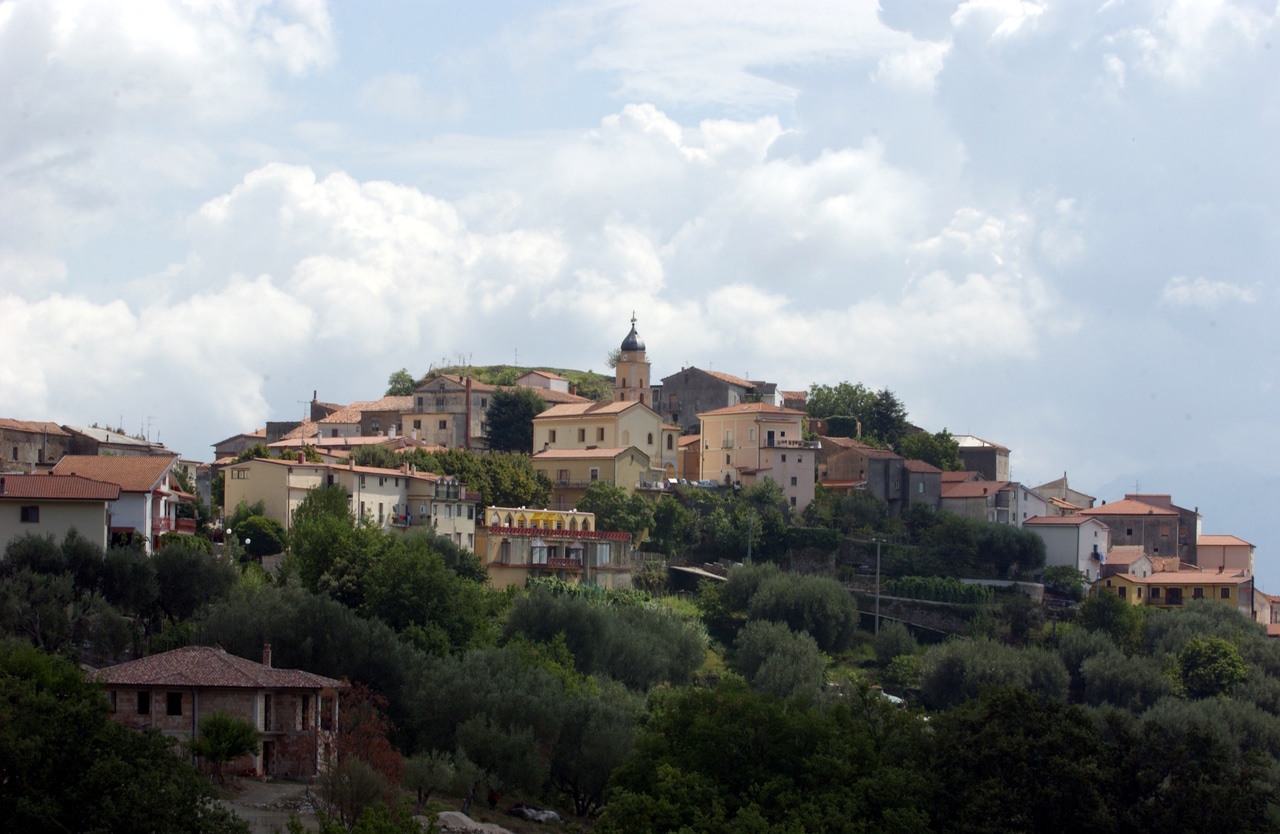
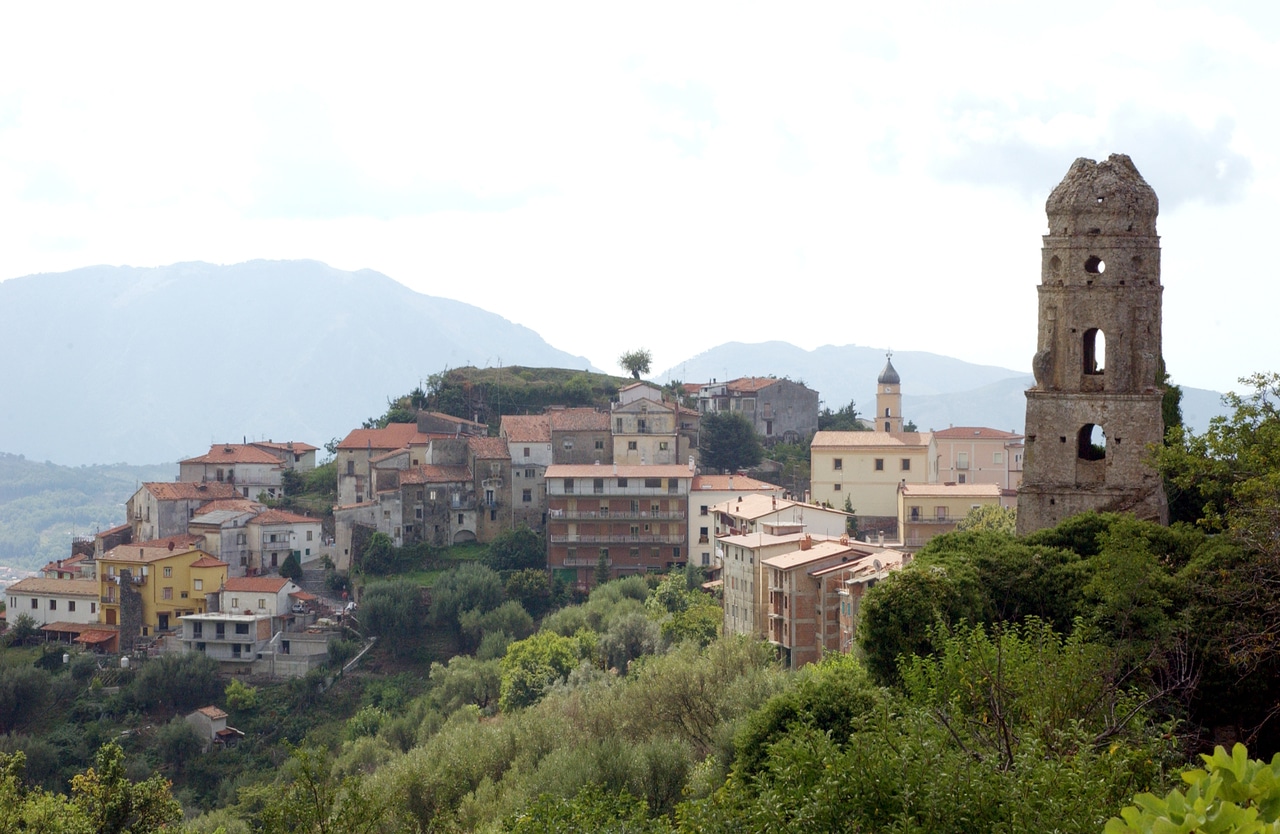
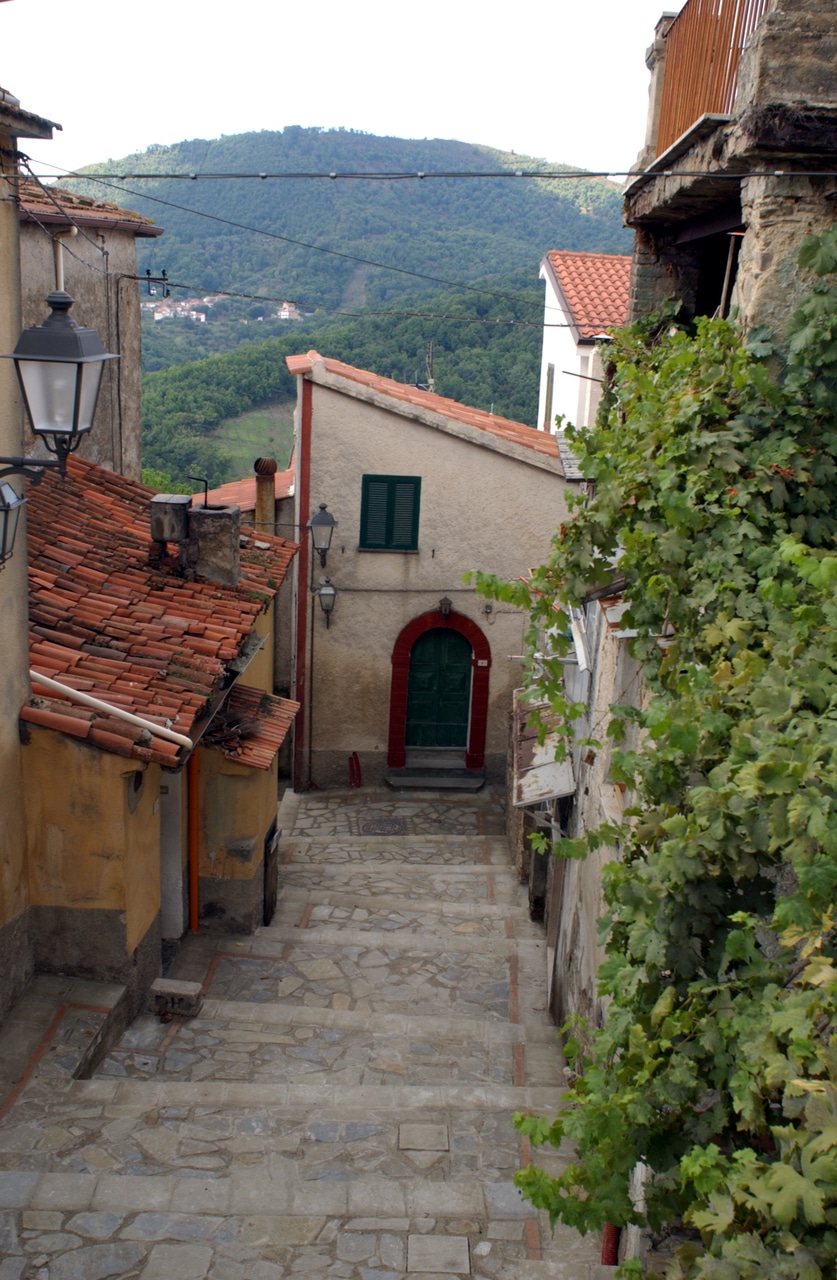
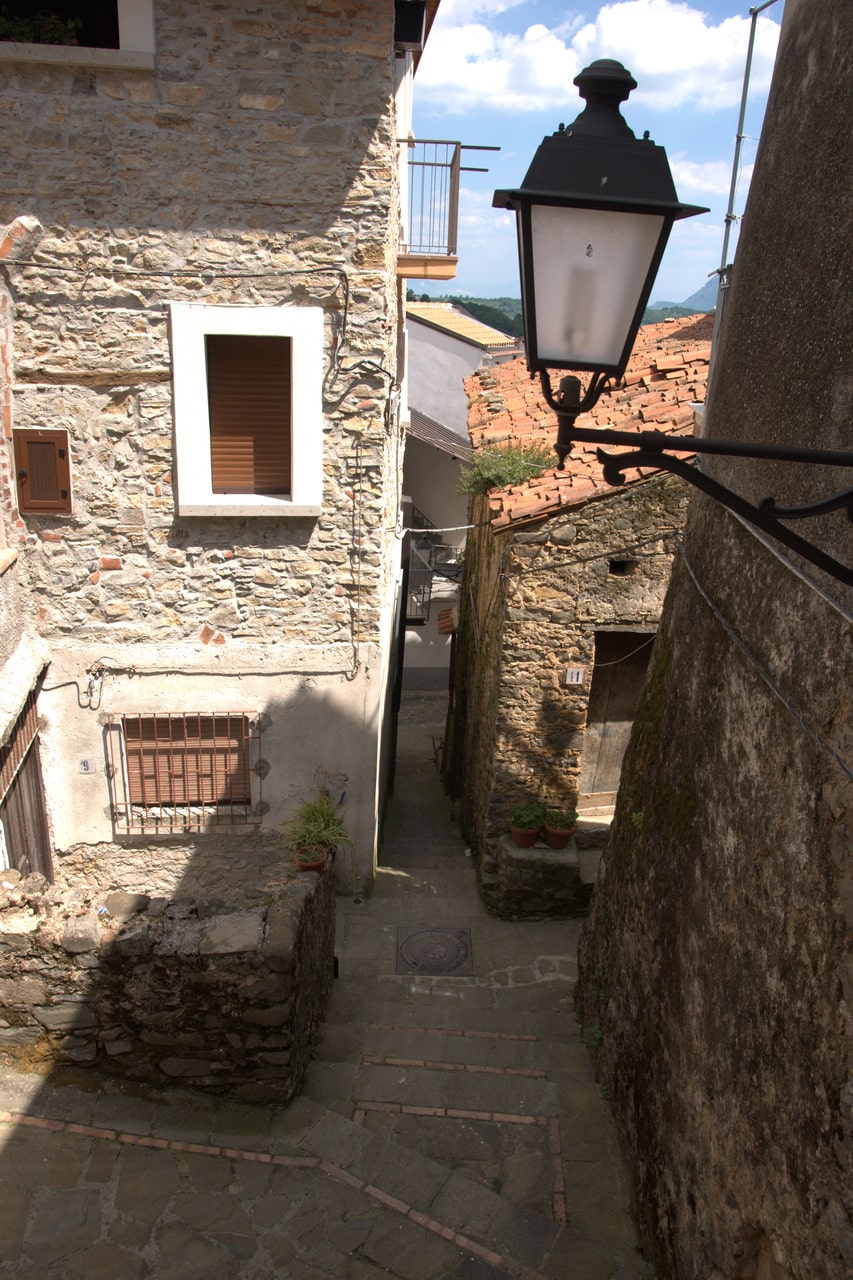
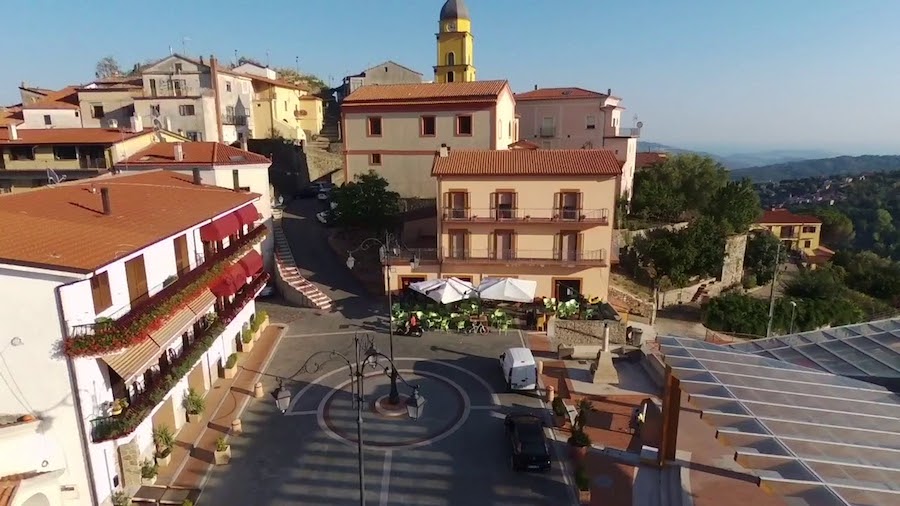
Perched on the heights of Cilento, Cuccaro Vetere is a village that preserves an ancient past of defense, community, and deep ties to the land. Its name already tells its story: an “ancient” place, located at the top, created to observe and protect. With its narrow streets winding along the rocks, medieval architecture, rural heritage, and views stretching all the way to the sea, Cuccaro Vetere is an open-air museum of rural Cilento civilization. Here, time seems to slow down, allowing visitors to get in tune with an authentic territory made up of stories, flavors, and meaningful silences.
Photo gallery
A village between history and legend
The very name of Cuccaro Vetere evokes ancient roots: “Cuccaro” derives from the Greek kukkos, meaning “top,” while “Vetere” from the Latin vetus, meaning “ancient.” A name that alone suggests the strategic importance this place had in the past, as a point of observation and defense of the Cilento territory.
Over the centuries, Cuccaro Vetere was a refuge for Italic peoples, a Greek outpost linked to the city of Elea-Velia, then one of the four centers of the Norman barony of Novi. It was the scene of sieges, fires and looting. It is said that the village was burned seven times and that its inhabitants, in order to escape attacks, took refuge along the Sentiero degli Scalicelli, striking the invaders with stones from the top of the rocks. But it was a spy who betrayed them, leading the enemies to Mount Novi, from which the destruction of the village was consummated.
Architectures and landmarks
Cuccaro Vetere’s identity is marked by a rich series of architectural emergencies:
–The Medieval Castle, of which suggestive ruins remain, once towered over the top of the town to defend the territory. From here alleys wind downward following the morphology of the land.
–The Church of St. Peter the Apostle, with its imposing bronze portal made by Mario Modica and a nave full of 18th-century works, including a precious statue of the patron saint.
–The Convent of St. Francis, commissioned in 1320 by Ilaria di Lauria and built – according to tradition – on the site where a mule refused to continue its journey because it was carrying a fragment of the Cross of Christ. The monastery, restored to its former glory, now houses an accommodation facility with twenty beds.
–The Chapel of the Assumption, in the heart of the village, preserves the Holy Wood, formerly a pilgrimage destination and the focus of a historical fair dating back to 1390.
–The Church of St. Therese of the Child Jesus, formerly dedicated to St. Leonard, restored and now the spiritual home of the Congregation of the Handmaids of St. Therese.
-The Chirico Arch, once a strategic gateway to the village, reveals the village’s defensive past.
Peasant culture and daily life
Cuccaro Vetere is also a living memory of Cilento’s peasant civilization. Along Via Salita Castello, Via Fausto Laviano and Via Convento, bourgeois palaces and aristocratic residences face each other, signs of an industrious community proud of its origins.
One example is “U Tuvolo,” an ancient stone washhouse where women gathered until a few decades ago to wash clothes, exchange news and strengthen social ties. Today it is one of the most striking stops in the village.
Cuccaro’s traditional cuisine is a journey into authentic flavors: fusilli with mutton ragout, roast lamb, chestnut and bean soups, homemade cured meats, cheeses such as ricotta and pecorino, and ancient sweets with curious names such as “suspiri,” “viscuotti,” and “taralli.”
Events and folklore
Every summer, Cuccaro Vetere comes alive with popular events that celebrate its identity: Il Palio del Ciuccio, a donkey race through the alleys of the center, an ironic and affectionate tribute to the village’s agricultural past, and Agruturist, a festival that transforms the village into a 19th-century village, including taverns, markets, artisans and tastings of typical products.
These events are not just tourist attractions, but moments of community that unite generations under the banner of memory and hospitality.
Nature and views
Nestled in the Cilento National Park, Cuccaro Vetere offers numerous possibilities for nature lovers. The Sentiero degli Scalilli (Scalilli Trail) leads through forests and breathtaking views, while the panoramic terrace in the Castello locality offers spectacular views of the Bulgheria and Cervati mountains and the gulfs of Policastro and Palinuro.
An open-air museum
Today Cuccaro Vetere presents itself as a widespread museum of Cilento rurality. A village that has never lost its connection with the land and welcomes visitors with the authenticity of the past, amidst silences, scents, memories and stories.
Those who come here discover a place where beauty is not only in the monuments, but in the harmony between man and landscape. Cuccaro Vetere is not visited: it is heard, breathed, lived.
Village of Cuccaro Vetere
Municipality of Cuccaro Vetere
Province of Salerno
Campania Region
Population: 571 cuccaresi
Altitude centre: 629 m s.l.m.
Unesco Site:
Cilento and Vallo di Diana, Paestum, Velia and Certosa di Padula National Park
the Municipality is part of:
Borghi Autentici d’Italia
Città del bio
Città del castagno
Unesco World Heritage Site
Comunità Montana Bussento, Lambro e Mingardo
Protected Natural Areas:
Cilento and Vallo di Diano National Park
Municipality
Via Convento – Tel. +39 0974 953050
BY CAR
- From the North: take the A3 Salerno – Reggio Calabria motorway and exit at Battipaglia; take the variant to the SS18 Paestum-Vallo-Futani, exit at the Cuccaro Vetere exit.
- From the South: take the A3 Salerno – Reggio Calabria motorway and exit at Eboli; follow the directions for Capaccio – Paestum and take the variant on the SS18 Paestum-Vallo-Futani, exit at the Cuccaro Vetere exit.
ON THE TRAIN
- Vallo Scalo railway station
Where to stay in Cuccaro Vetere
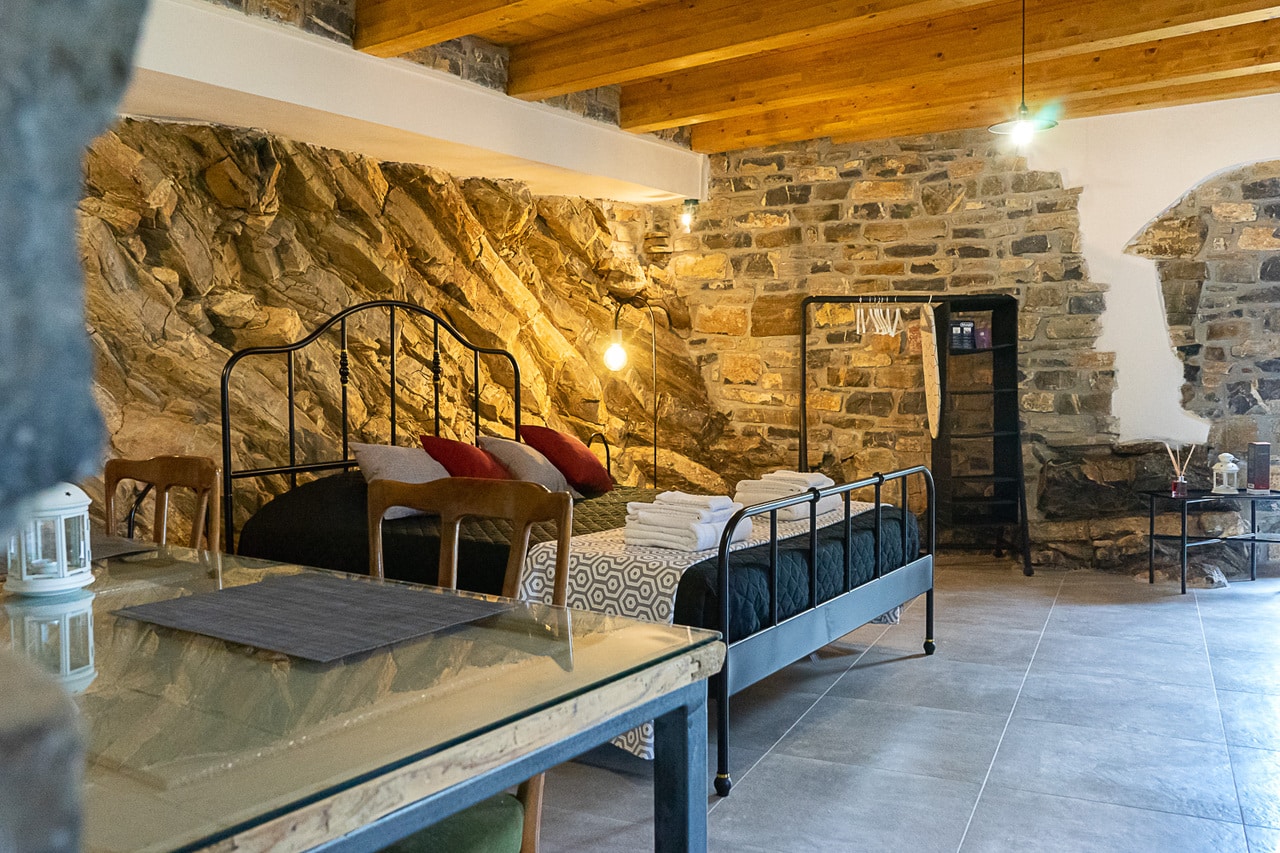
If you are looking for where to stay in Cuccaro Vetere, you can choose from hotels, B&Bs, farm stays and holiday homes in the village and nearby, for a slower stay among landscapes, culture and authentic hospitality.
News and stories about “Cuccaro Vetere”
Insights and stories from the area, to keep discovering.

Continue the journey
Cuccaro Vetere is only one of the treasures of the area. Use the interactive map to discover what to visit nearby, how far the other villages are and which experiences you can enjoy along the route.
Explore the area