 San Martino di Castrozza
 VIVA! Festival 2026
 Tandem paragliding flights in Tirolo and Merano: the thrill of flying over the Alps
 Recipe: Polta di Pacentro, the peasant dish that symbolises the traditions of Abruzzo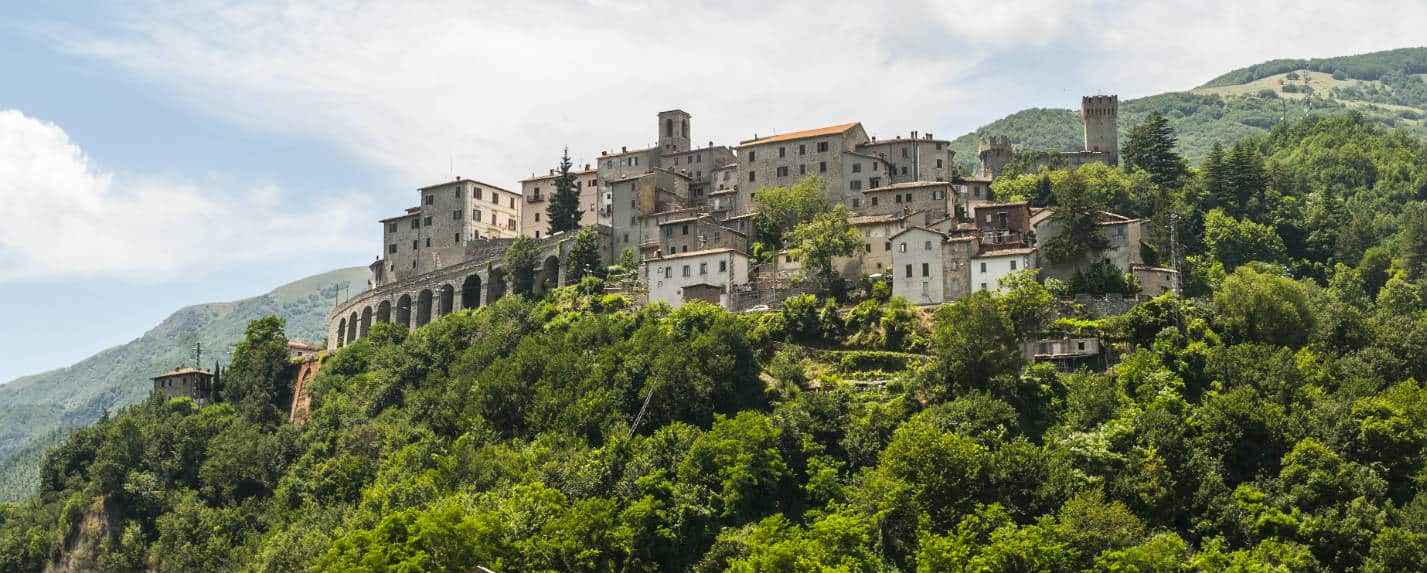
Arquata del Tronto is the only municipality in Europe enclosed within two protected natural areas: the Gran Sasso and Monti della Laga National Park in the south, and the Sibillini Mountains National Park in the north. The fortress city, compact and austere, stands with its medieval castle in the middle of a rich and wild land, which has always aroused fantasies, dreams and hopes.
Photo gallery
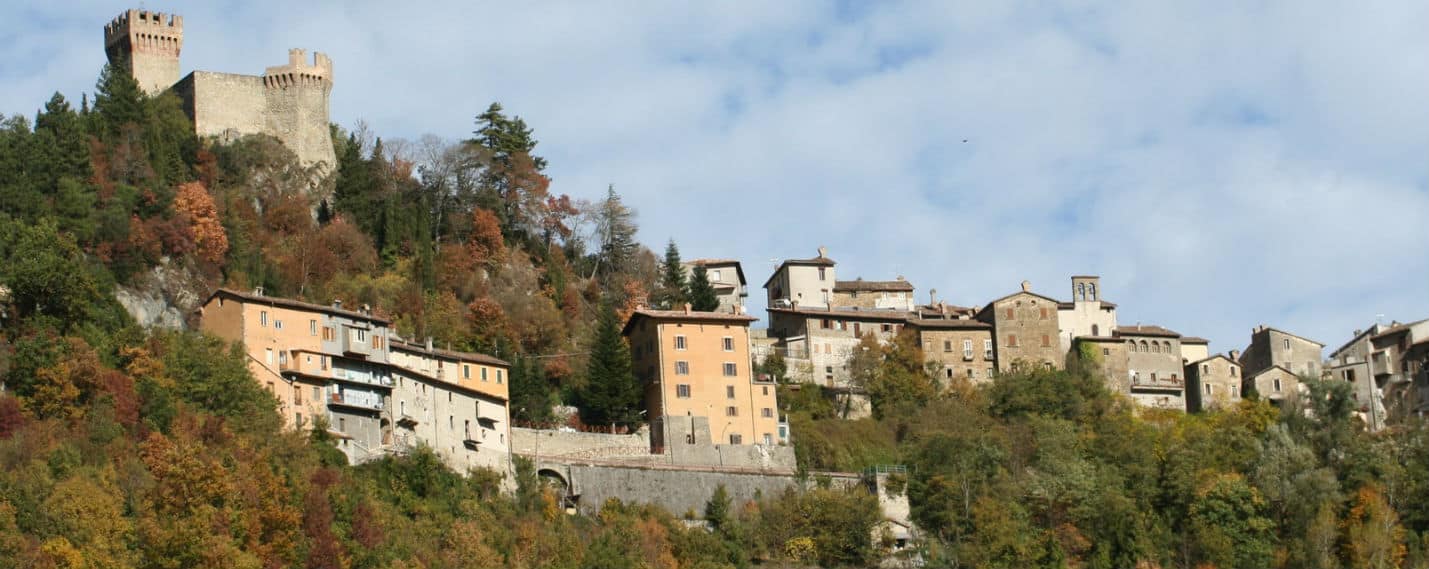
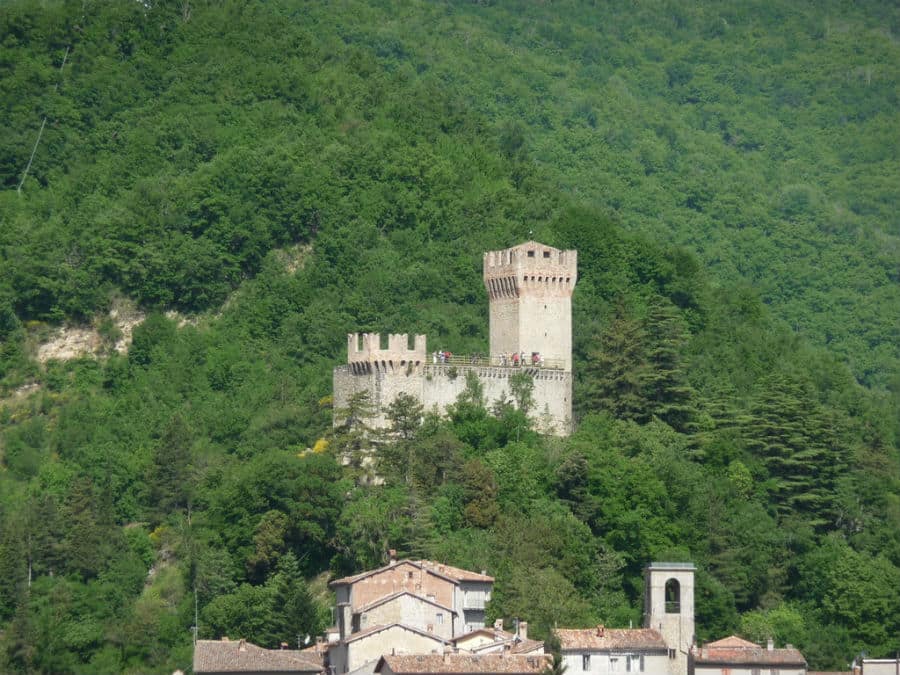
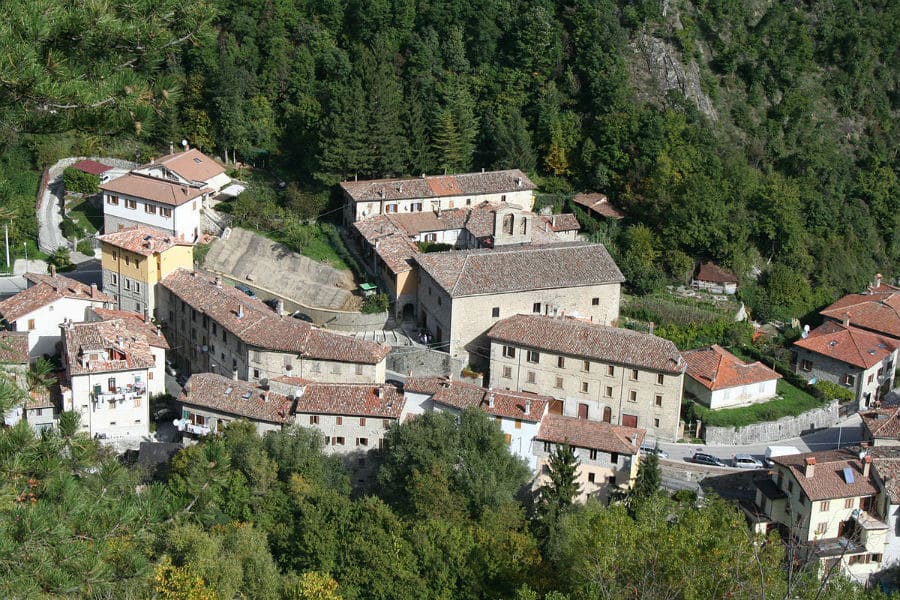
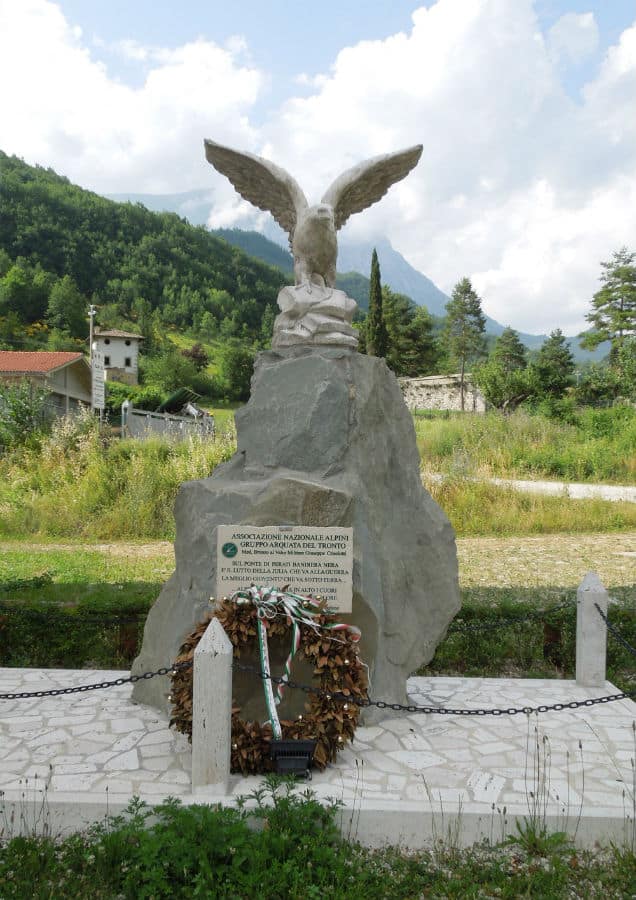
Perched in the mountains and suspended between the sky and history, Arquata del Tronto is one of the most fascinating and unique villages in Italy. Located in the province of Ascoli Piceno, in the Marche region of Italy, this small town is unique in Europe for its extraordinary geographic location: in fact, it is enclosed between two protected natural areas, the Monti Sibillini National Park to the north and the Gran Sasso and Monti della Laga National Park to the south. It borders three regions-Lazio, Umbria and Abruzzo-and perfectly embodies the Apennine identity of central Italy, including unspoiled landscapes, ancient legends and a thousand-year historical legacy.
A fairy-tale landscape
The territory of Arquata is predominantly mountainous and offers breathtaking views in every season. The peaks of Mount Carrier, the Sibillini massif, the Laga Mountains chain and Mount Ceresa delineate a rugged and wild landscape, where dense forests of chestnut, beech and conifer trees alternate with green meadows and natural balconies with panoramic views of the Gran Sasso of Italy and even the distant Adriatic Sea. An environmental setting of rare beauty, perfect for hiking, trekking, and immersion in the most authentic nature.
The charm of the “magic side”
Arquata lies in the heart of the so-called “magic side” of the Sibillini Mountains, an area that has fueled legends and popular beliefs since the Middle Ages. Here are the ancient paths that led to the Cave of the Sibyl, the Apennine prophetess, and to the Lake of Pilate, where according to legend the body of Pontius Pilate sank. It is no coincidence that Guido Piovene described these as the “most legendary mountains in Italy,” full of mysteries, fairies and sorceresses, from which the triennial performance “The Descent of the Fairies” in the hamlet of Pretare also draws inspiration.
An ancient and prestigious history
The name “Arquata” derives from the Latin Arx (fortress), in reference to the famous medieval fortress that dominates the capital from the top of a cliff. Already in Roman times, the territory had a strategic function due to the passage of the Via Salaria, an important commercial artery connecting Rome with the Adriatic Sea. Archaeological finds, such as the milestone of Trisungo from the 1st century B.C., testify to the Roman presence and influence.
During the Middle Ages, Arquata was disputed between Norcia and Ascoli Piceno. In the 13th century, the construction of the military fortress marked a turning point for the village, which saw the succession of dominations and important historical figures: from Charlemagne to St. Francis of Assisi, from Joan II of Anjou to Giuseppe Garibaldi, who stopped here in 1849 during his march to Rome.
Architecture and spirituality
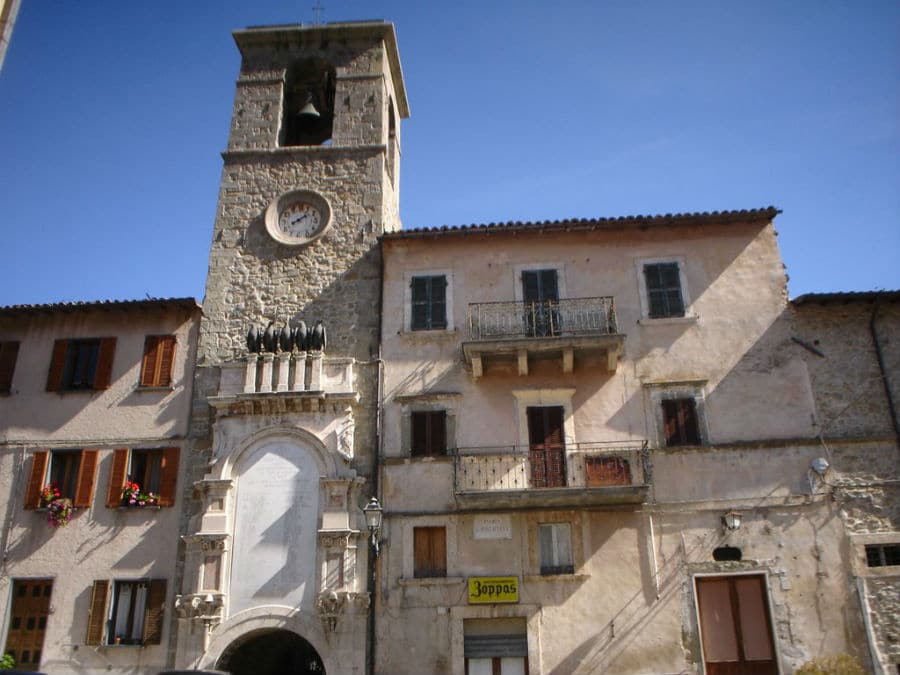
The village of Arquata and its 13 hamlets hold authentic artistic and spiritual treasures. Among the most significant are: Church of St. Francis in Borgo, which houses a fragment of the Holy Shroud; Tempietto della Madonna del Sole in Capodacqua, a Renaissance building with an octagonal plan and frescoes attributed to Cola d’Amatrice; Church of Sant’Agata in Spelonga, which holds the Turkish flag stolen during the Battle of Lepanto; Church of S.S. Annunziata in Arquata, with a precious wooden crucifix from the 13th century; Porta Sant’Agata, the only remaining access to the historic center after the collapse of the city walls, tangible evidence of the tragic events of the 2016 earthquake.
Traditions and popular culture
Life in Arquata is marked by festivals and historical re-enactments that celebrate the village’s rich past. Among the best-known events:
-“Night of Mysteries” (Aug. 18), medieval evening of music and ancient tales.
-“In the Court of the Queen” (Aug. 19), historical procession with banquets and performances.
-“Festa bella” in Spelonga (every three years), commemorating the Battle of Lepanto with the symbolic building of a ship.
– “Marrone che passione”, an autumn festival dedicated to mountain products.
Handicrafts also survive in traditions: the ancient technique of charcoal making is still alive in the hamlet of Colle.
Taste and gastronomic identity
Arquatan cuisine is a blend of mountain flavors and influences from neighboring regions. Absolute protagonists are porcini mushrooms, truffles, game, chestnuts, and river trout. Typical dishes include “refried beans in broth” from Pretare, handmade pastas such as “zochene” and “frascatigli” from Spelonga, and traditional desserts such as “three six nine.” The gastronomy here is still strongly linked to seasonality and local products.
A heritage to be rediscovered
Despite the wounds inflicted by the 2016 earthquake, Arquata del Tronto continues to be a place of unparalleled charm. To visit this village is to take a journey back in time, among medieval fortresses, enchanted paths and millennia-old stories, surrounded by wild and generous nature. It is an invitation to discover a secret Italy, where every stone tells a legend and every panorama leaves you breathless.
Village of Arquata del Tronto
Municipality of Arquata del Tronto
Province of Ascoli Piceno
Marche Region
population: 1.141 arquatani
Altitude centre: 777 m s.l.m.
the Municipality is part of:
Unione montana del Tronto e Valfluvione
Protected Natural Areas:
Sibillini Mounts National Park
Gran Sasso and Laga Mounts National Park
Municipality
Via Umberto I 20 – Tel. +39 0736 809122
BY CAR
- From North and South: Take the A14 motorway (from the north in the direction of Ancona and from the south in the direction of Naples), follow the direction of San Benedetto del Tronto – Ascoli Piceno, continue on the RA11, exit towards Rome, continue on the SS 4, cross Trisungo and follow the indications for Arquata del Tronto.
- From Ascoli Piceno: Take the SP 235, continue on the SS 4, cross Trisungo and follow the indications for Arquata del Tronto.
ON THE TRAIN
- Ascoli Piceno railway station
BY PLANE
- Ancona Airport
- Pescara Airport
BY SEA
- Port of Ancona
- Weekly Market: every tuesday, in Garibaldi Square.
News and stories about “Arquata del Tronto”
Insights and stories from the area, to keep discovering.

Continue the journey
Arquata del Tronto is only one of the treasures of the area. Use the interactive map to discover what to visit nearby, how far the other villages are and which experiences you can enjoy along the route.
Explore the area