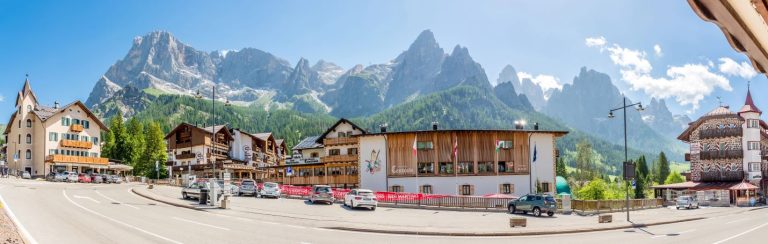
 San Martino di Castrozza
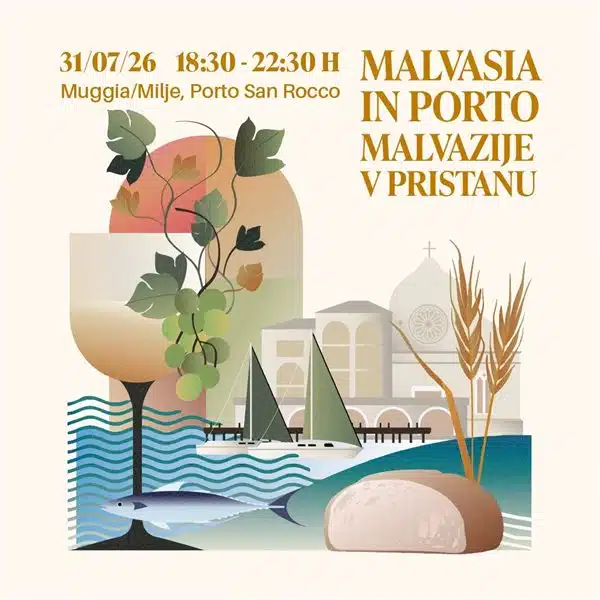 Malvasia in Porto 2026
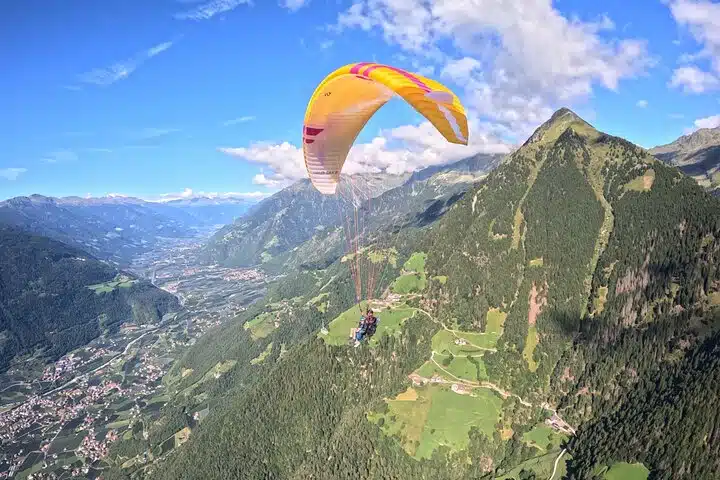 Tandem paragliding flights in Tirolo and Merano: the thrill of flying over the Alps
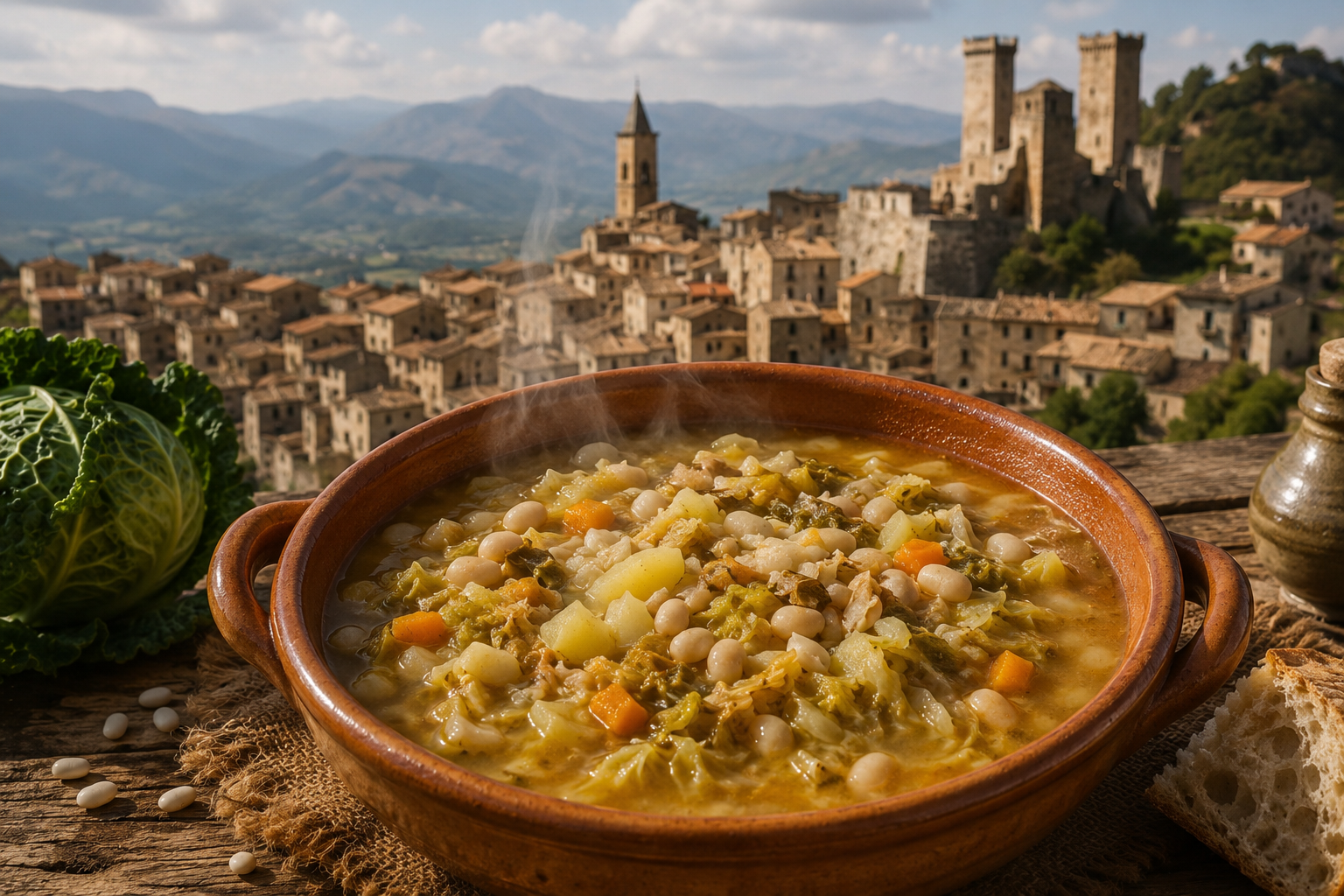 Recipe: Polta di Pacentro, the peasant dish that symbolises the traditions of Abruzzo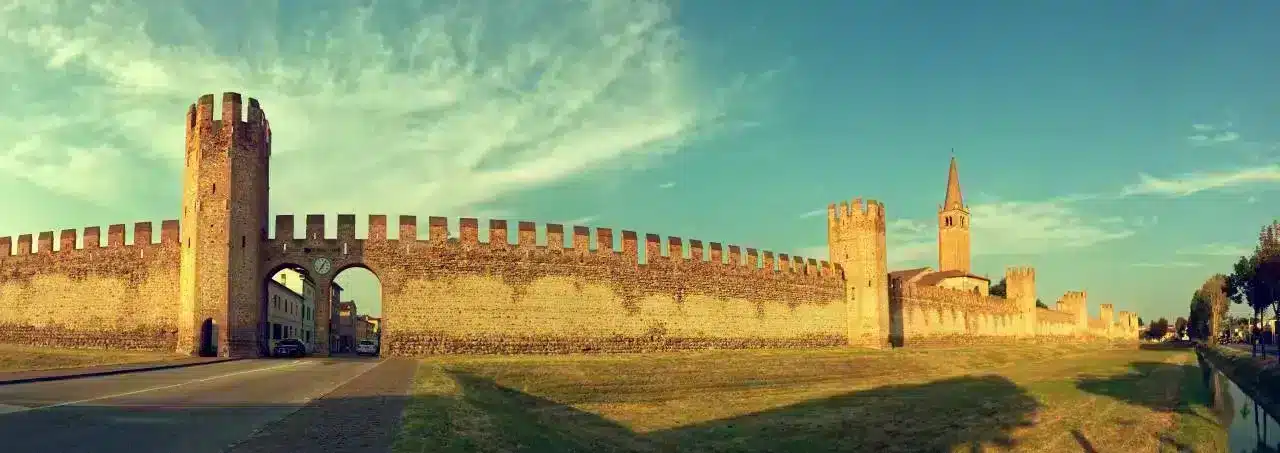
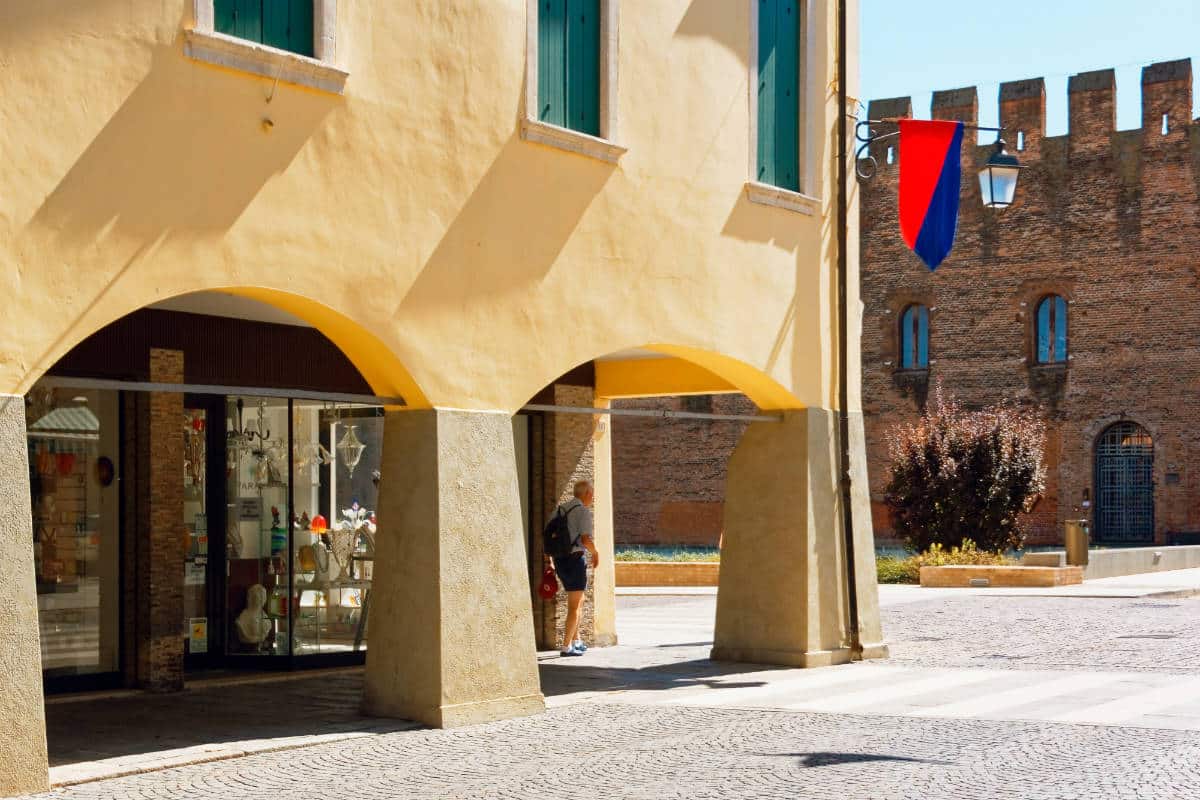
Among the walled cities of the Veneto region, Montagnana is the one that has best known how to preserve its medieval walls. It is not only a “picturesque” town, but also a place where generations of enterprising and gifted men have left their original imprint from the 13th century until today. In addition to the extraordinary fortified complex, the city is appreciated for its urban fabric, made up of streets and buildings built in the Renaissance period and during the economic recovery of the 19th century.
Photo gallery
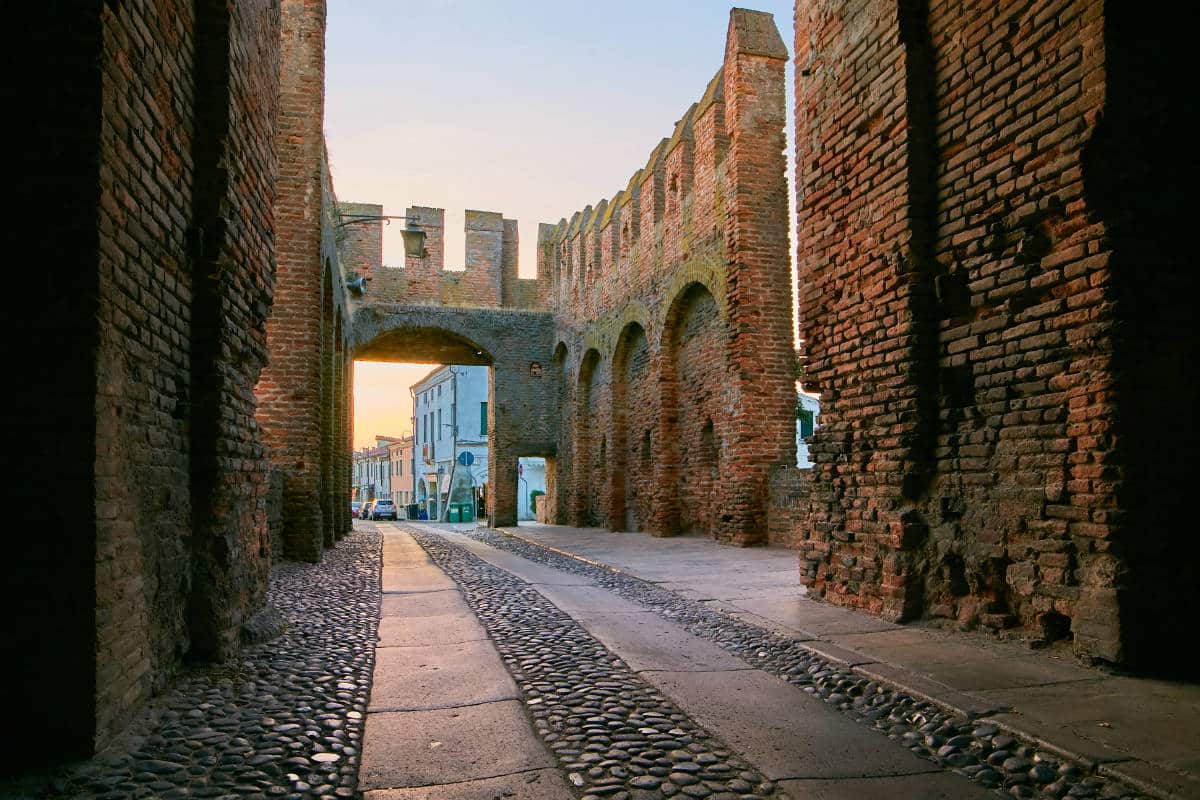
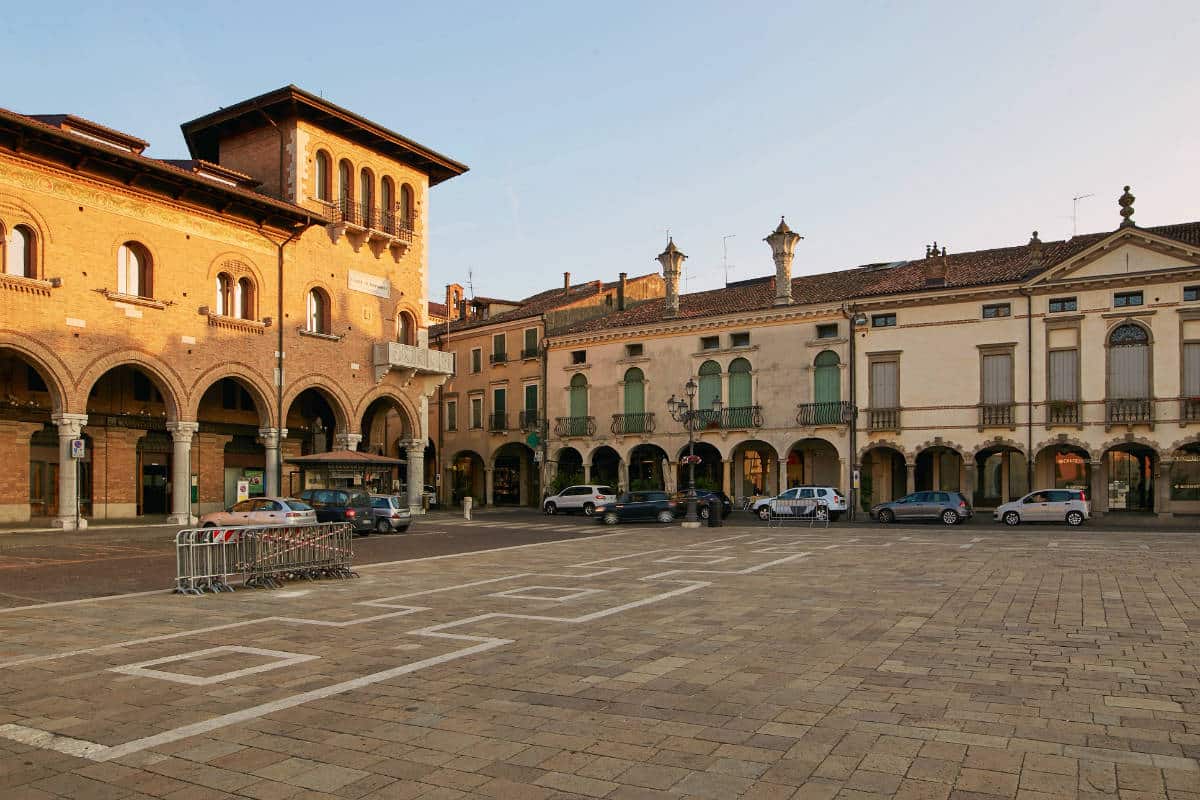
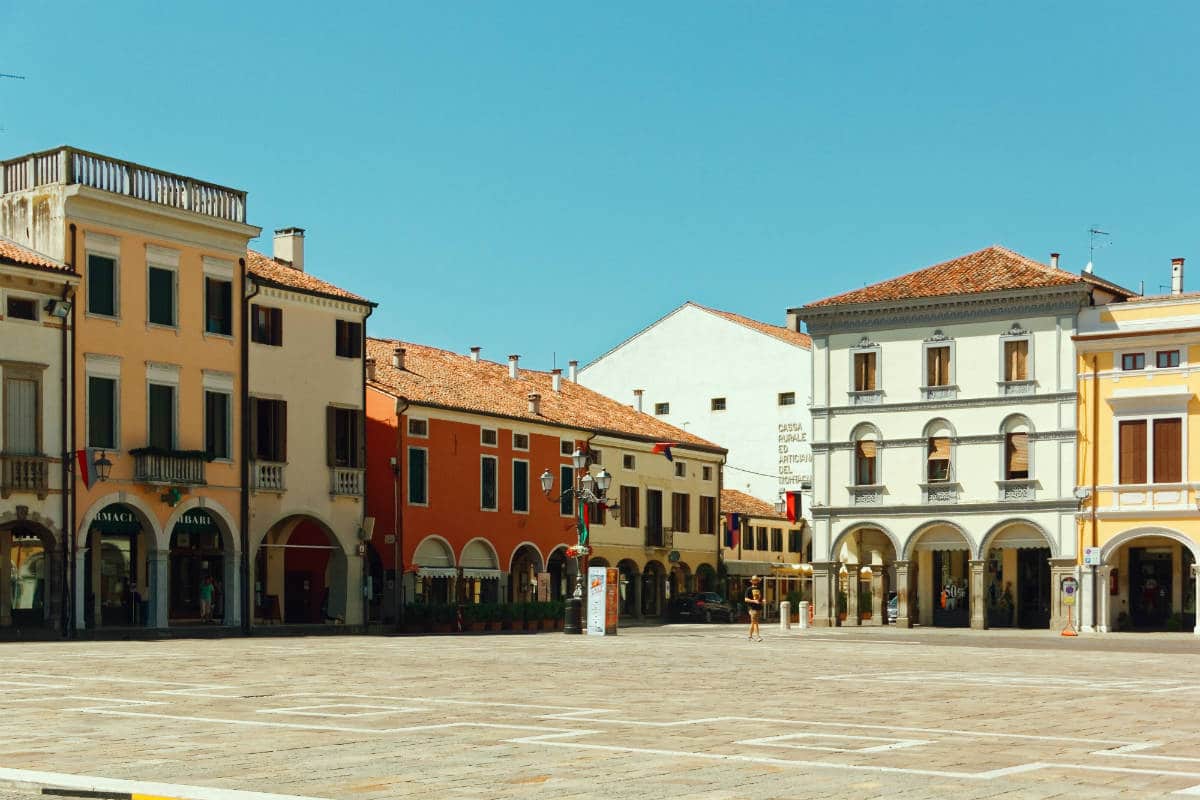
Montagnana, a charming village located in the province of Padua, is one of the best-preserved medieval towns in Italy and represents a precious treasure chest of history, art and traditions. Montagnana’s origins probably date back to Roman times, when the area, subject to frequent flooding and surrounded by the Adige River, began to develop. The name of the village itself derives from the Latin place name “Motta Aeniana,” where “motta” indicated a small rise and “aeniana” a mansio, suggesting the importance of the place as a stopping point along the communication routes of the time.
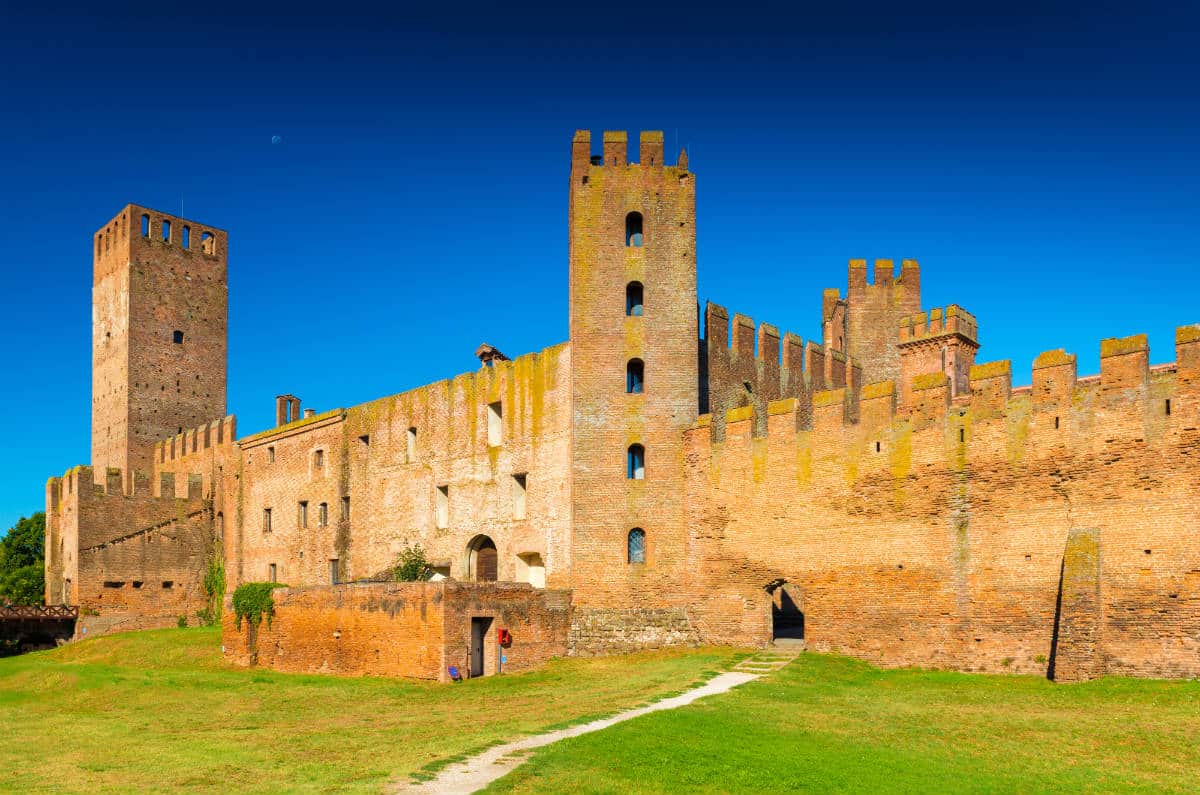
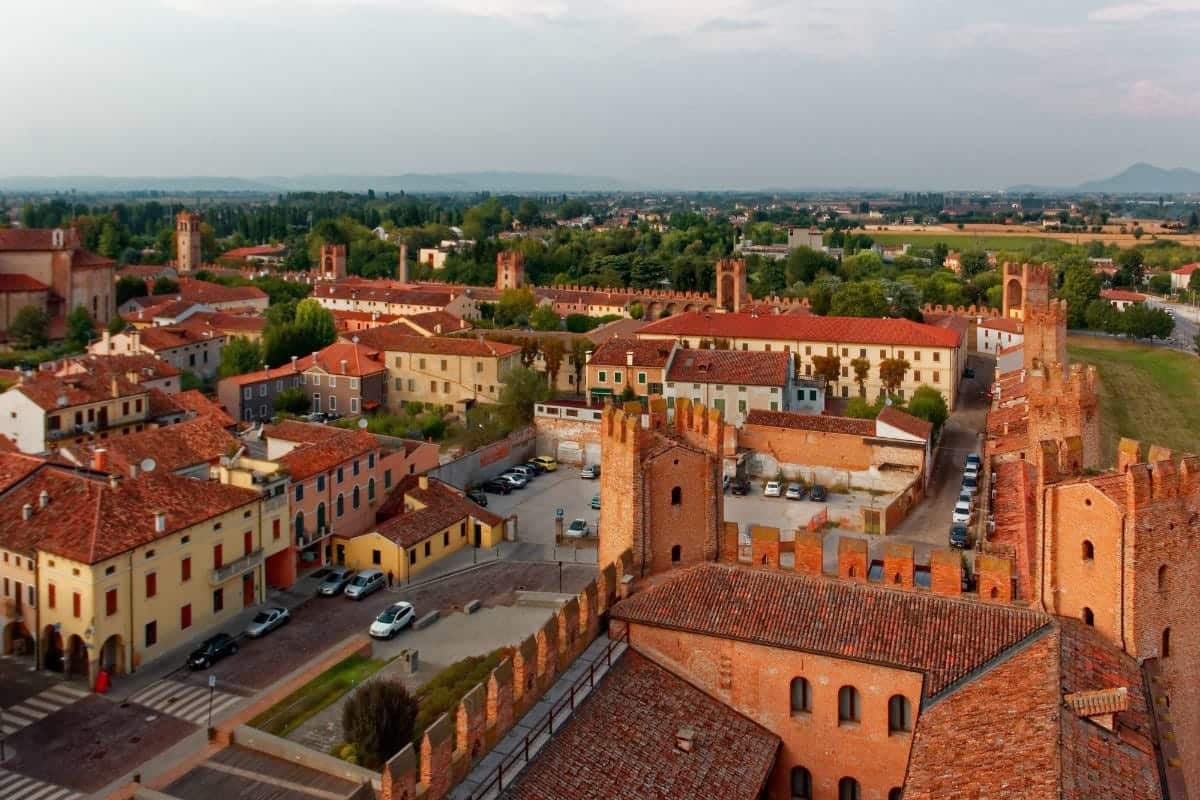
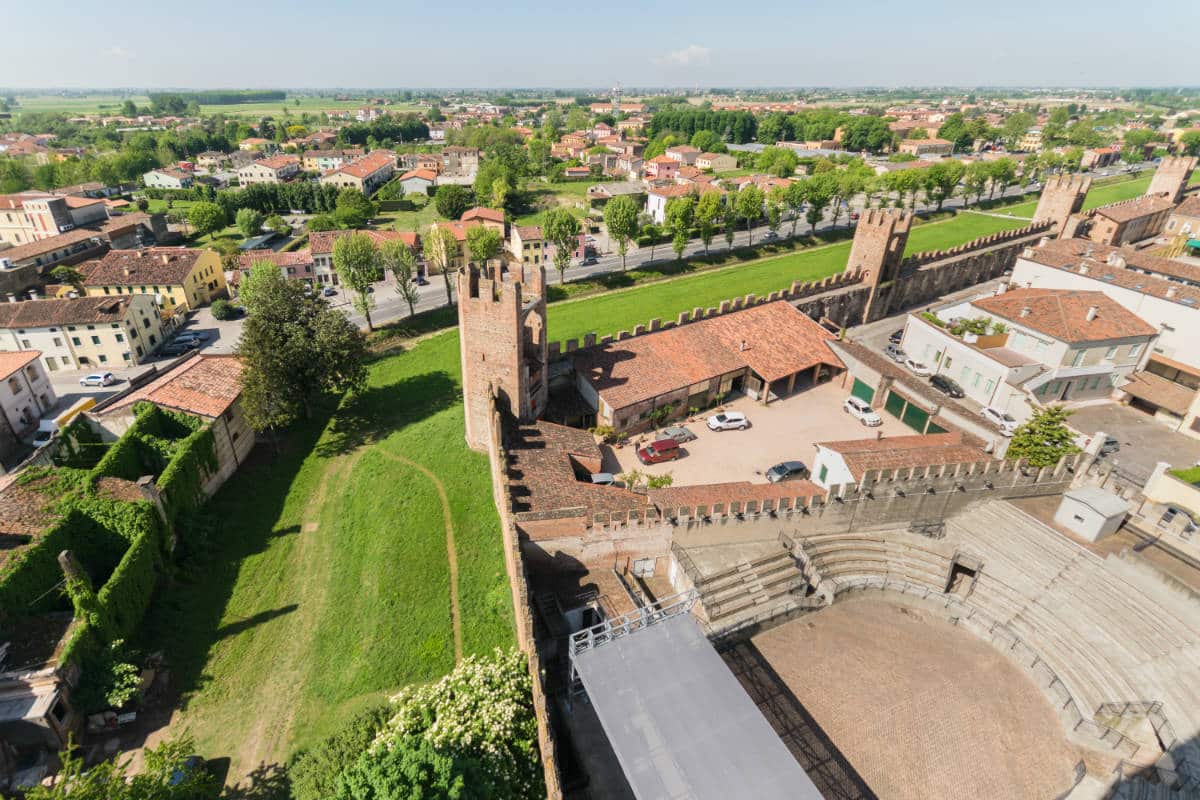
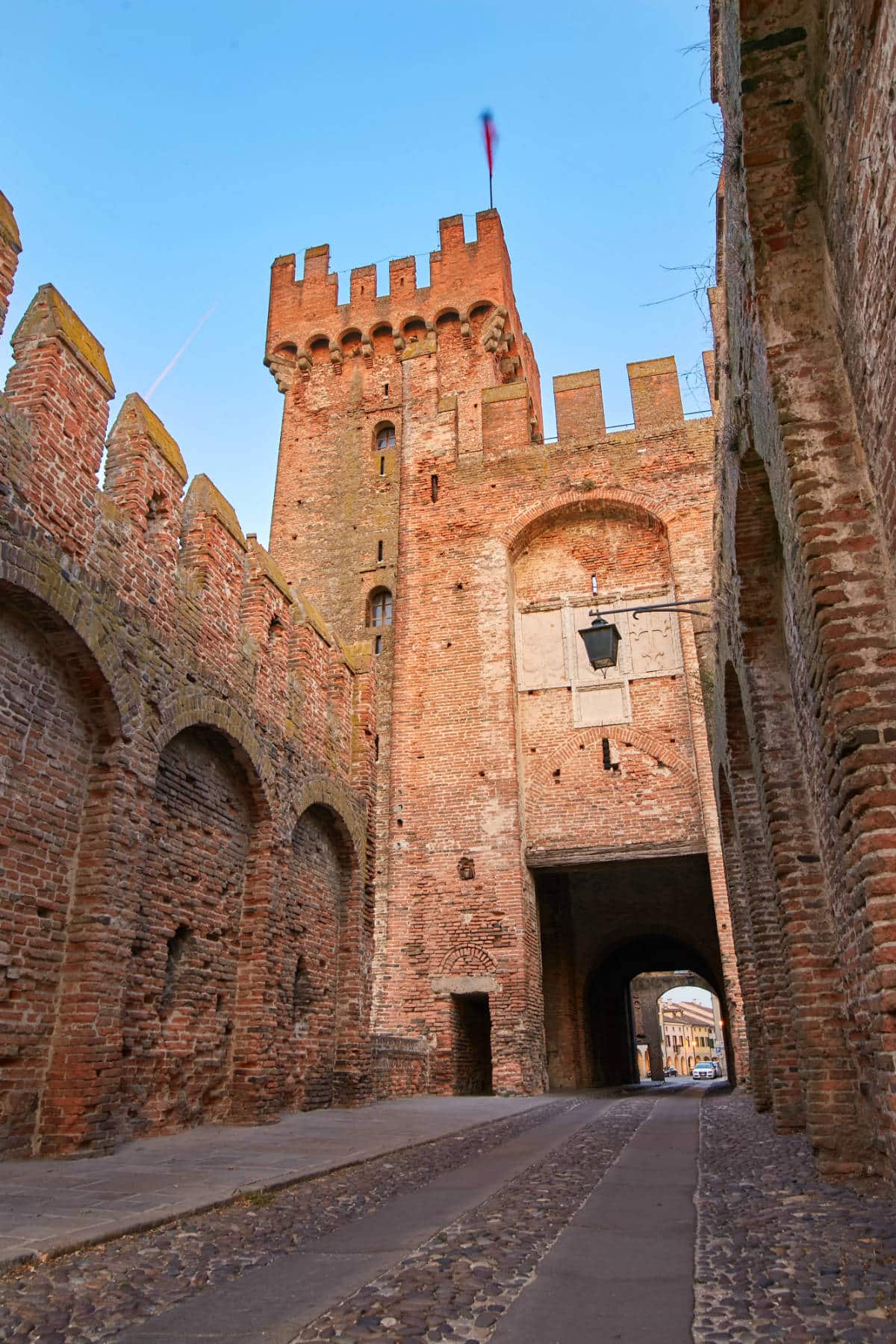
One of the most fascinating aspects of Montagnana is undoubtedly its extraordinary fortified complex, which represents one of the best examples of medieval military architecture in Europe. The city wall, with its 1950-meter perimeter and 24 towers up to 19 meters high, is an imposing testimony to the city’s wartime history. The present walls date from the mid-14th century and have been strengthened over the years, with the keep of San Zeno Castle standing majestically as a symbol of resistance and defense. The fortifications were strategically designed to protect the city from outside attacks, and the moat surrounding the walls, fed by the waters of the Frassine River, added an extra layer of security.
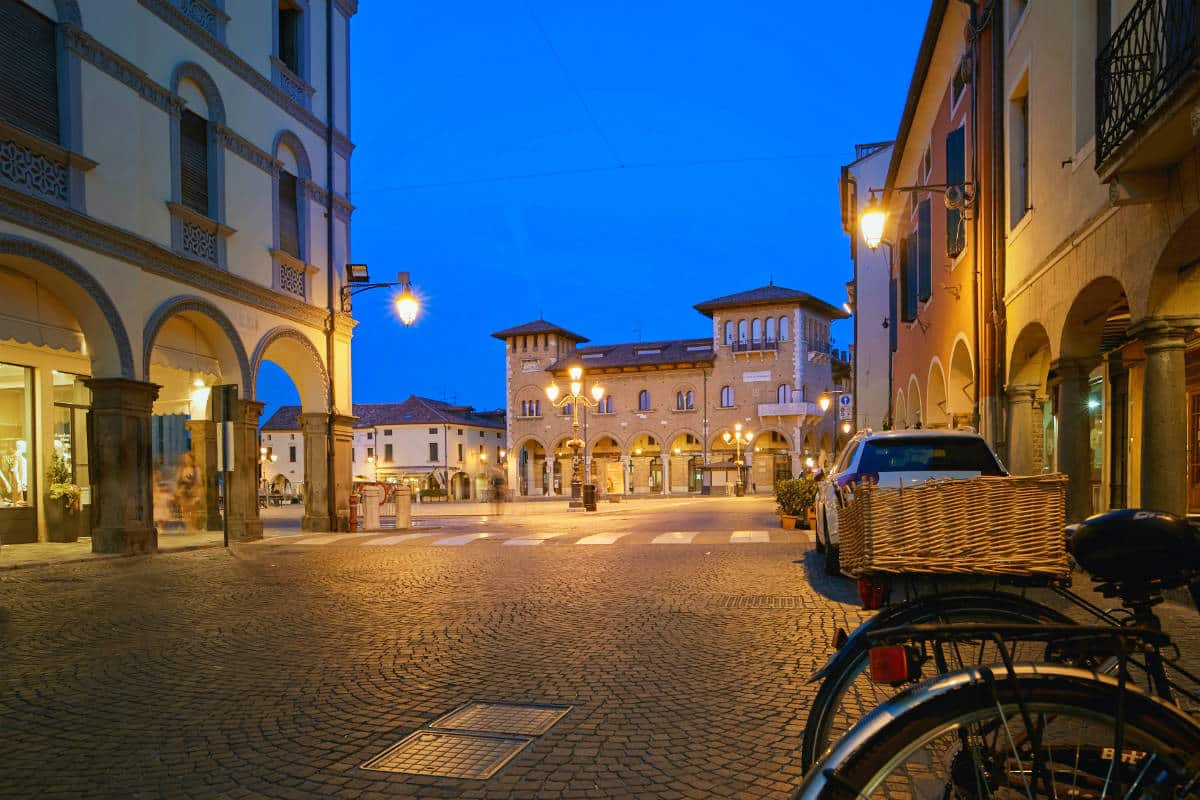
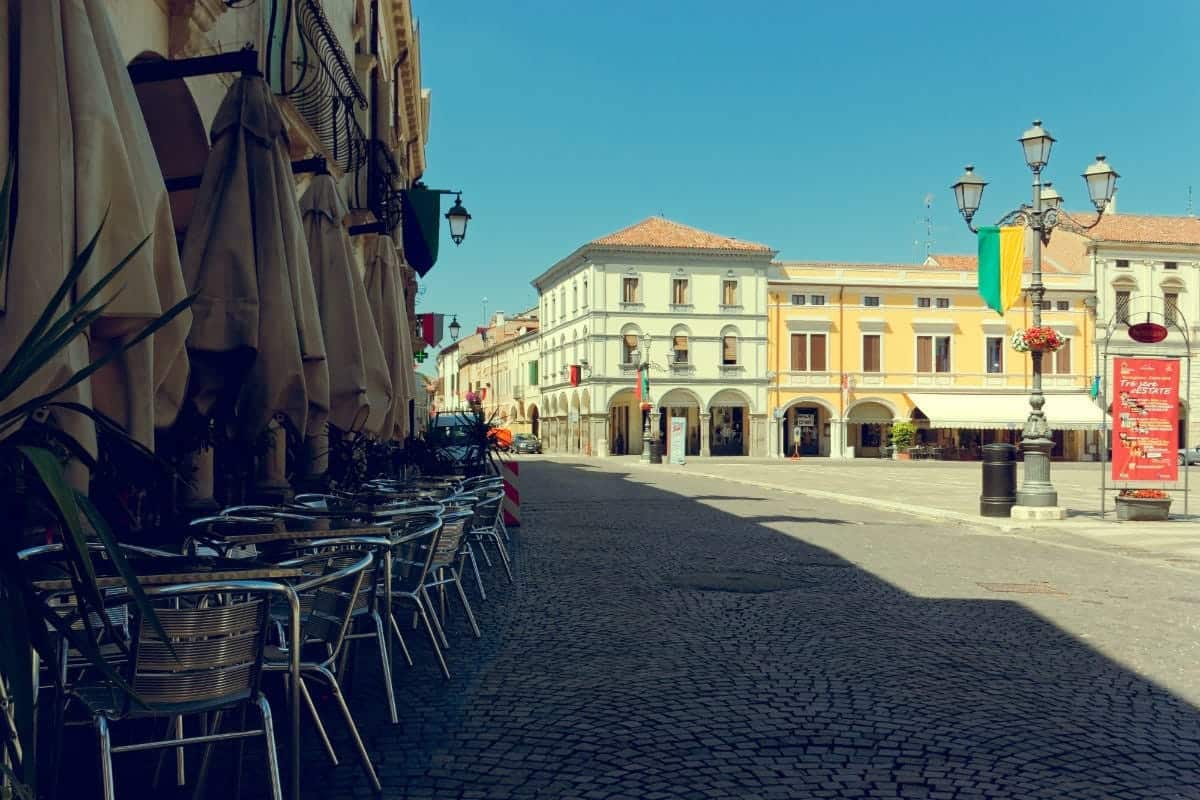
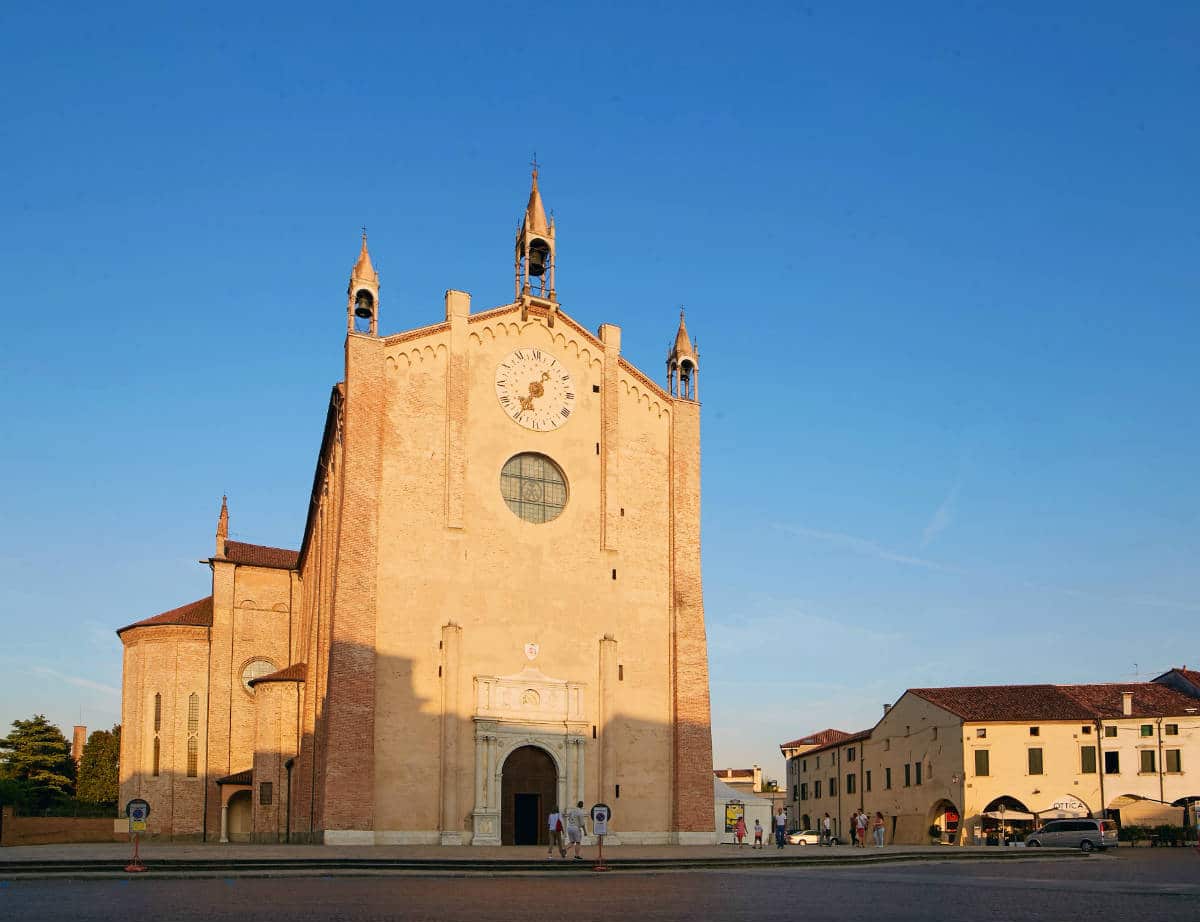
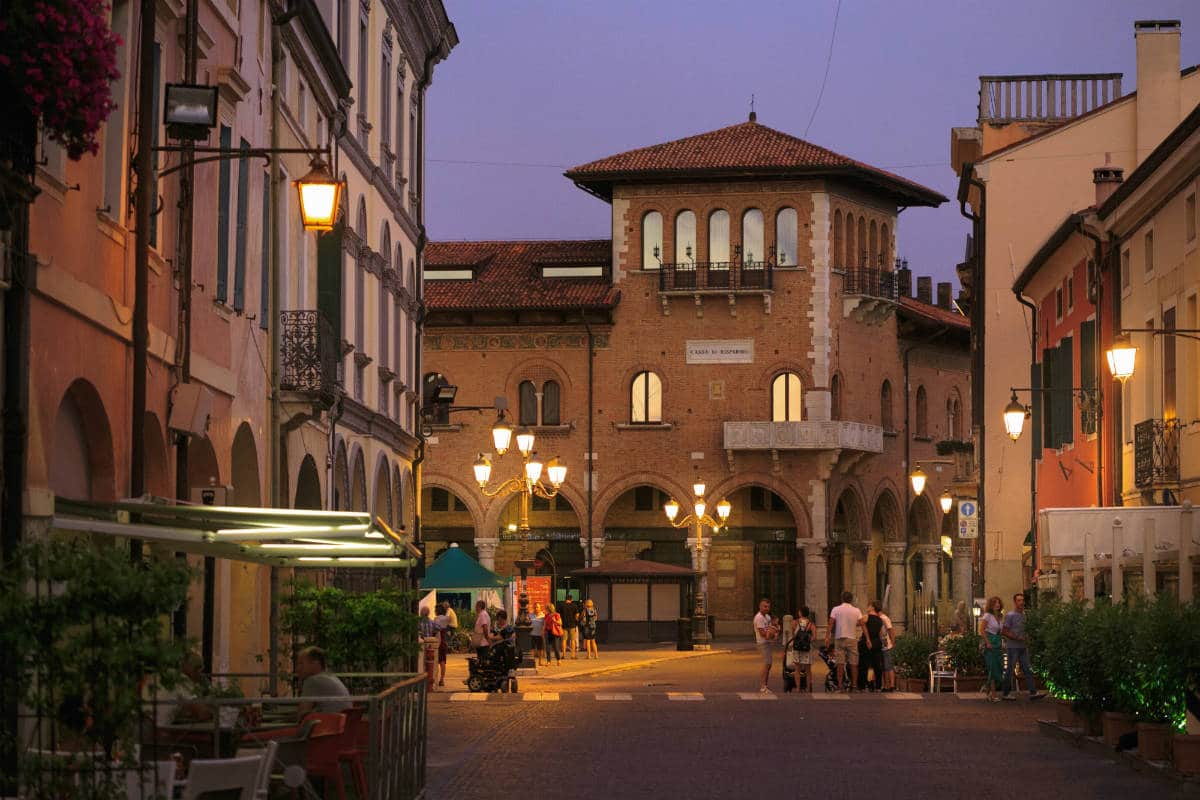
The city is organized in an irregular quadrilateral, with an area of about 24 hectares. Within these walls, the urban fabric is characterized by streets and buildings from the Renaissance period and the 19th century, giving Montagnana a unique and fascinating atmosphere. The central square, Piazza Vittorio Emanuele II, is the beating heart of the town, where is the cathedral located, an imposing building of late-Gothic forms with Renaissance additions, and the Palazzo Valeri, an elegant example of local architecture, face each other. The old Monte di Pietà, an important social and financial institution for the community, is also located here.
Montagnana’s history is intrinsically linked to its monuments. The town hall, located in Via Carrarese, is attributed to Veronese architect Michele Sanmicheli, while in Via Matteotti one can admire the Magnavin-Foratti Palace, known for its refined Gothic-Venetian style. The church of San Francesco, on Via Scaligera, with its monastery of the Clarisse, and the Baroque church of San Benedetto, currently under restoration, are further testimonies to the city’s religious and cultural heritage.
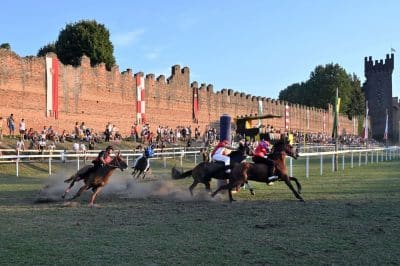
Montagnana is not only a city of history and architecture, it is also a place of lively traditions and events. Every year since 1977, the Palio dei 10 Comuni del Montagnanese has been held, a historical re-enactment that attracts visitors from all over the country. This event, held on the first Sunday in September, features a horse race among the ten communities of the ancient “Sculdascia” of Montagnanese, and also includes a market and costumed re-enactment of medieval and Renaissance figures.
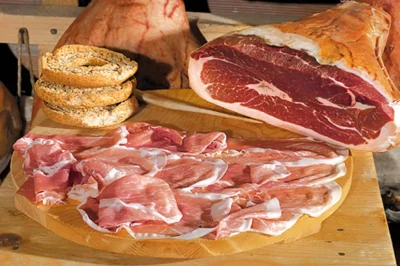
In addition to its rich history and culture, Montagnana is famous for its typical products, among which “Prosciutto Veneto DOP” stands out. This delicious cured meat, beloved since the 15th century, is protected by a consortium that oversees its production according to strict specifications. Every year, in the second half of May, the city celebrates the ham with a major food festival, where it is possible to taste this delicious product paired with Veneto DOC wines. Also not to be forgotten is Montagnanese melon, which perfectly accompanies prosciutto in summer, and local sweets such as Pandolce di Ezzelino and Dolce del Palio.
In short, Montagnana is a village that embodies the essence of Venetian history, with its architectural heritage, lively traditions, and high-quality gastronomy. Its beauty and authenticity make it a must-see destination for those who wish to discover the wonders of the past and have a unique experience in the Veneto countryside. With its imposing walls, historic monuments, and vibrant cultural life, Montagnana continues to be a jewel to explore and appreciate.
Village of Montagnana
Municipality of Montagnana
Province of Padua
Veneto Region
Population: 9.214 montagnanesi
Altitude Center: 16 m s.l.m.
The Municipality is part of:
I Borghi più belli d’Italia
Paesi bandiera arancione
Borghi e Castelli tra Padova e Verona
Piccole Città Storiche del Veneto
Acknowledgments
Orange Flag – Italian Touring Club
Spighe Verdi
Unesco site:
Vicenza e le Ville del Palladio nel Veneto – Villa Pisani
Municipality
Via Carrarese 14 – phone +39 0429-81247
BY CAR
- Lower Padana Road SR n. 10 (which connects to the city with Venice (84 km), Padua (45 km) and Mantua (60 km).
- On the highway, it can be reached via the A 13, Monselice exit.
ON THE TRAIN
- Montagnana station
- Weekly market: every Thursday;, in Via Matteotti, Via Carrarese, Via Marconi, Via Roma, Via San Benedetto, Piazza Vittorio Emanuele II e in Piazza Trieste;
- Antiques and Collectibles Market: takes place every third Sunday of the month, except July and August, in the beautiful setting of the historic center, even in bad weather.Al Mercatino you can find objects and antique furniture, but also other “vintage” and collectible material.
- May – Feast of Montagnana sweet raw ham;
- April – Montagnana Festival. In addition to the award of the “Sanmicheli” Award, it includes the organization of exhibitions and workshops dedicated to photography, sculpture and painting, concerts, guided tours, meetings and conferences;
- Early October – Montagnanese in Fiera. Review of the agricultural and artisan world in which typical products, agricultural machinery and everything is exhibited; which is linked to local tradition;
What to see in Montagnana
Discover what to see in Montagnana among monuments, scenic views, museums, churches and symbolic places of the village. A useful selection to plan your visit and explore the area.

Events in Montagnana
Upcoming events, festivals and initiatives.
News and stories about “Montagnana”
Insights and stories from the area, to keep discovering.
Continue the journey
Montagnana is only one of the treasures of the area. Use the interactive map to discover what to visit nearby, how far the other villages are and which experiences you can enjoy along the route.
Explore the area