 Passignano sul Trasimeno
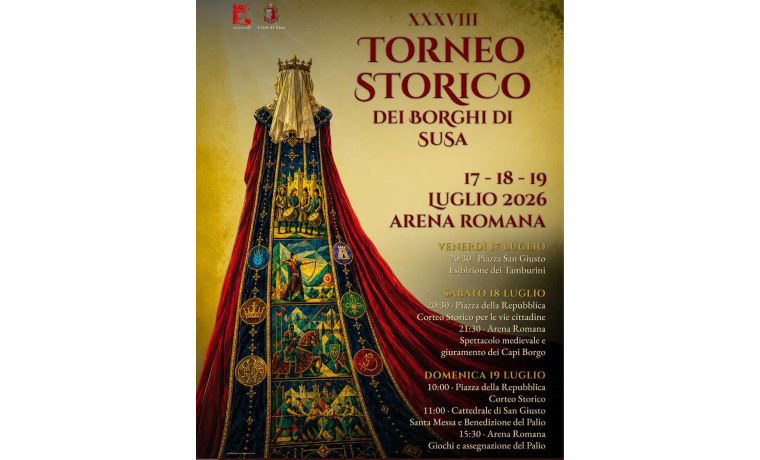 Historical Tournament of the Villages of Susa
 Tandem paragliding flights in Tirolo and Merano: the thrill of flying over the Alps
 Recipe: Cippillato, Trivento’s iconic sweet treat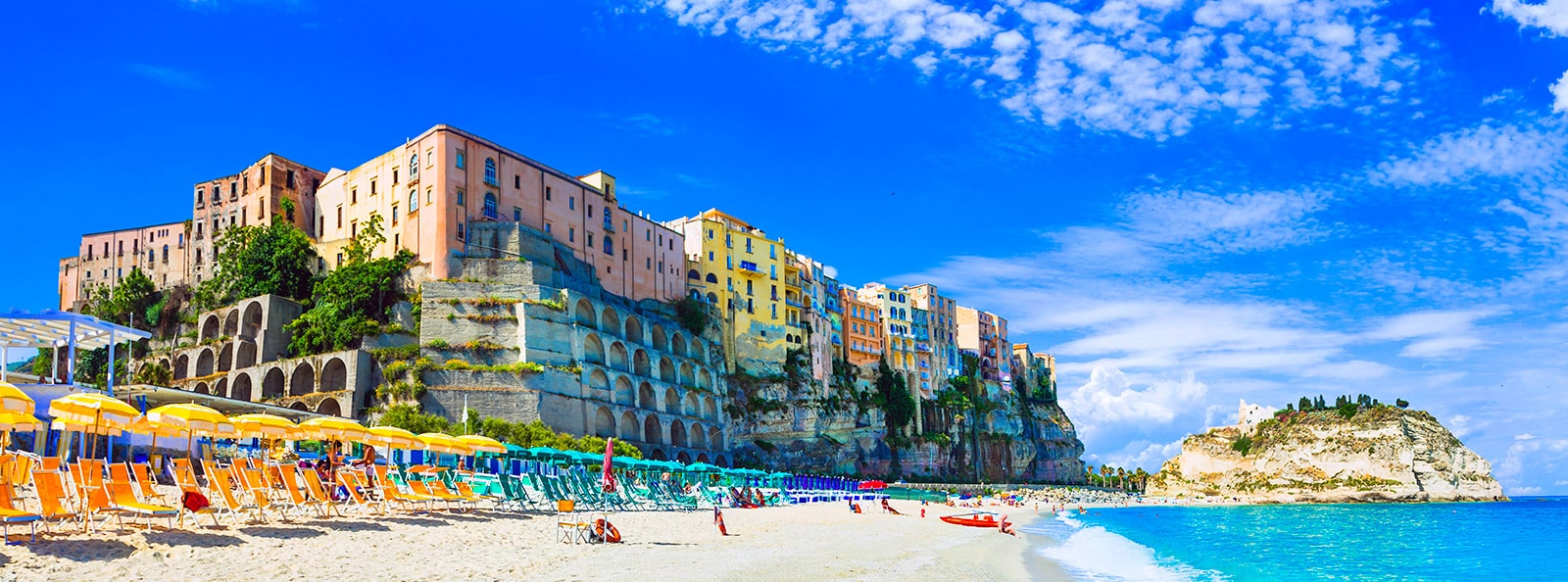
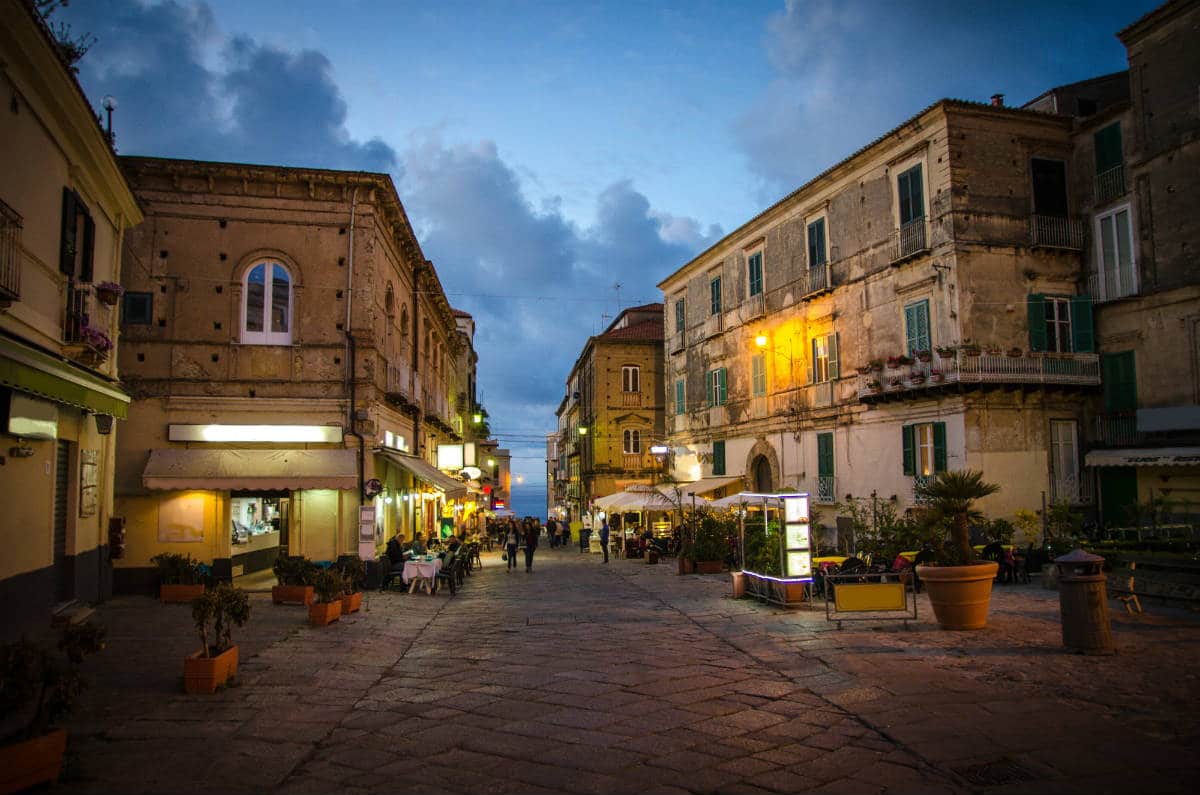
Tropea, known as the “Pearl of the Tyrrhenian Sea” along the Coast of the Gods, is one of Calabria’s most fascinating and evocative destinations. Nestled on a promontory overlooking the crystal-clear Tyrrhenian Sea, this seaside resort is not only a paradise for those seeking the sea, but also a place rich in history, culture and traditions. With its narrow alleys and houses perched on the cliff, Tropea offers breathtaking views, a typical cuisine that has conquered palates all over the world, and a historical heritage rooted in antiquity. The town is, in fact, a melting pot of cultures, having seen the Romans, Byzantines, Normans and Aragonese pass through, leaving visible traces in its architecture and local traditions.
Photo gallery
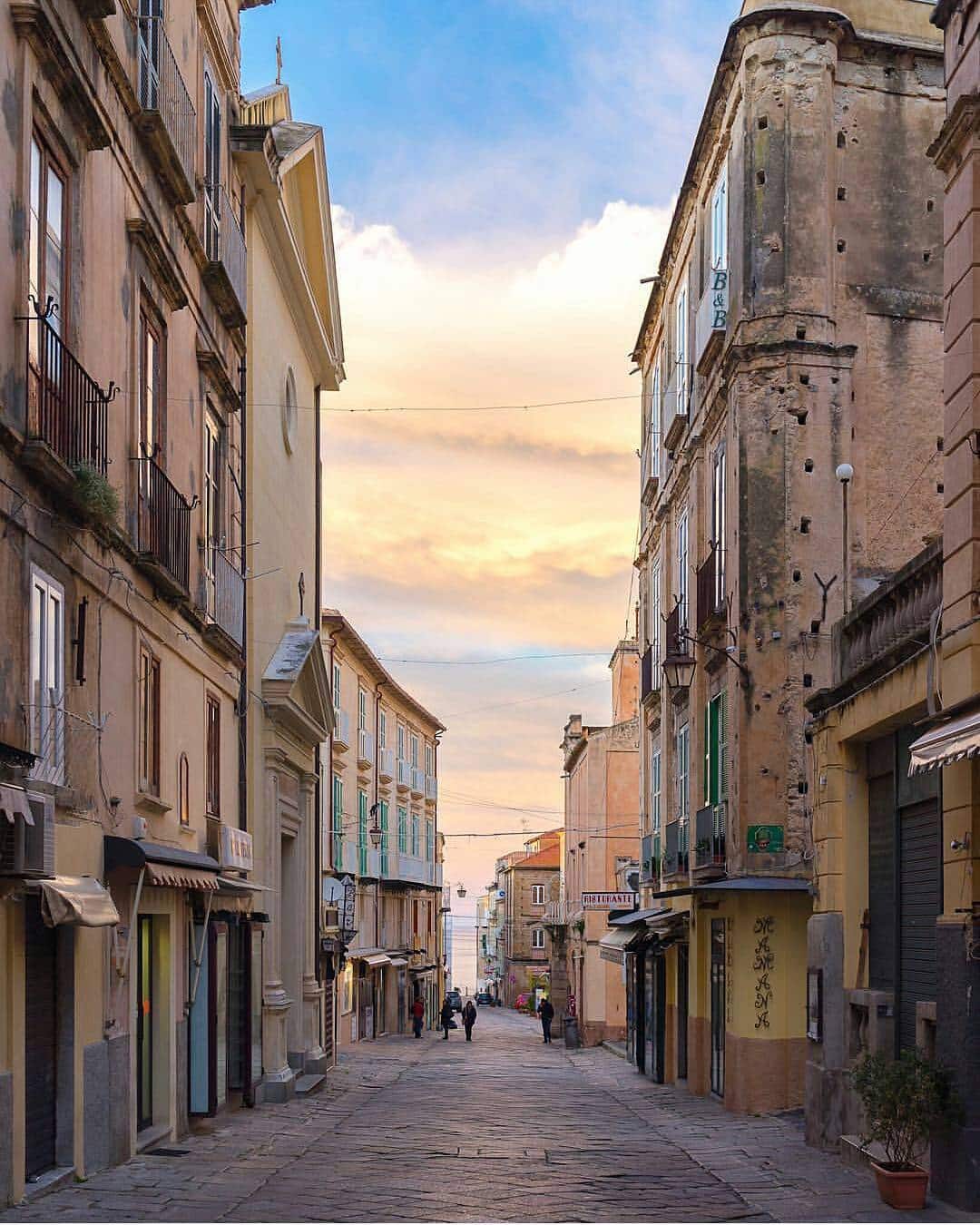
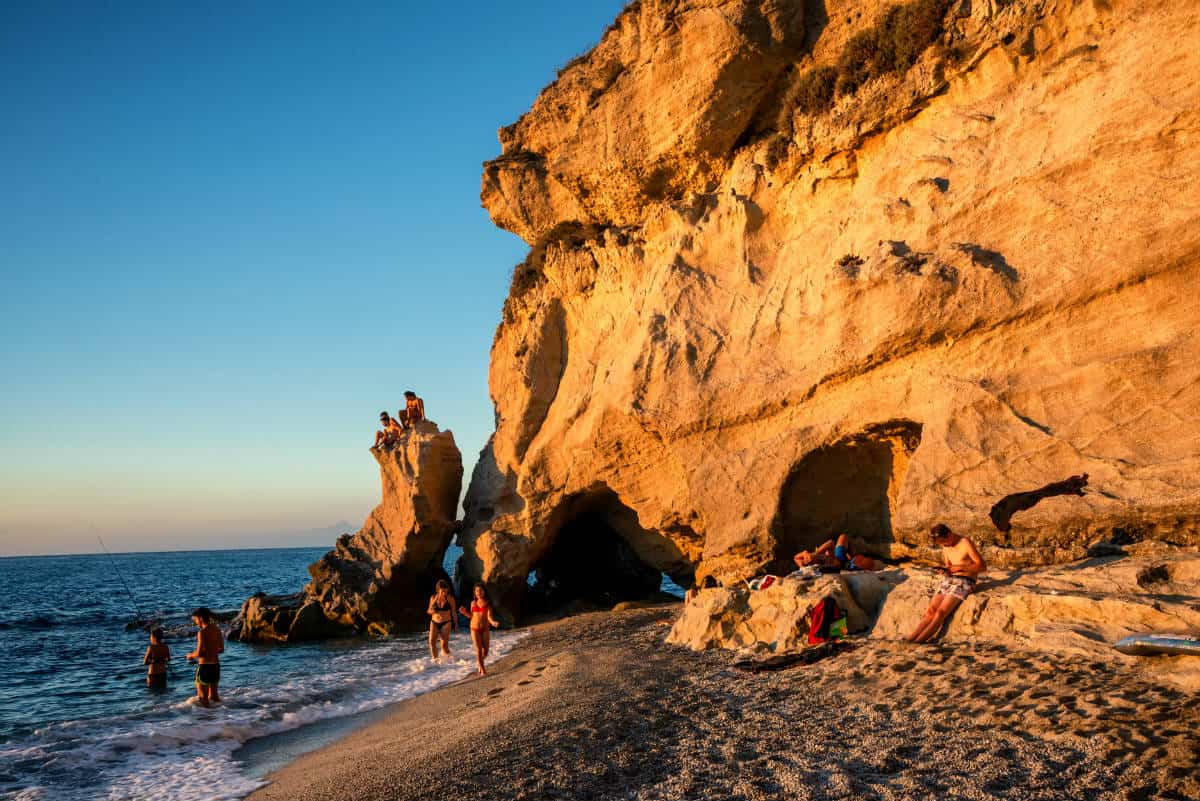
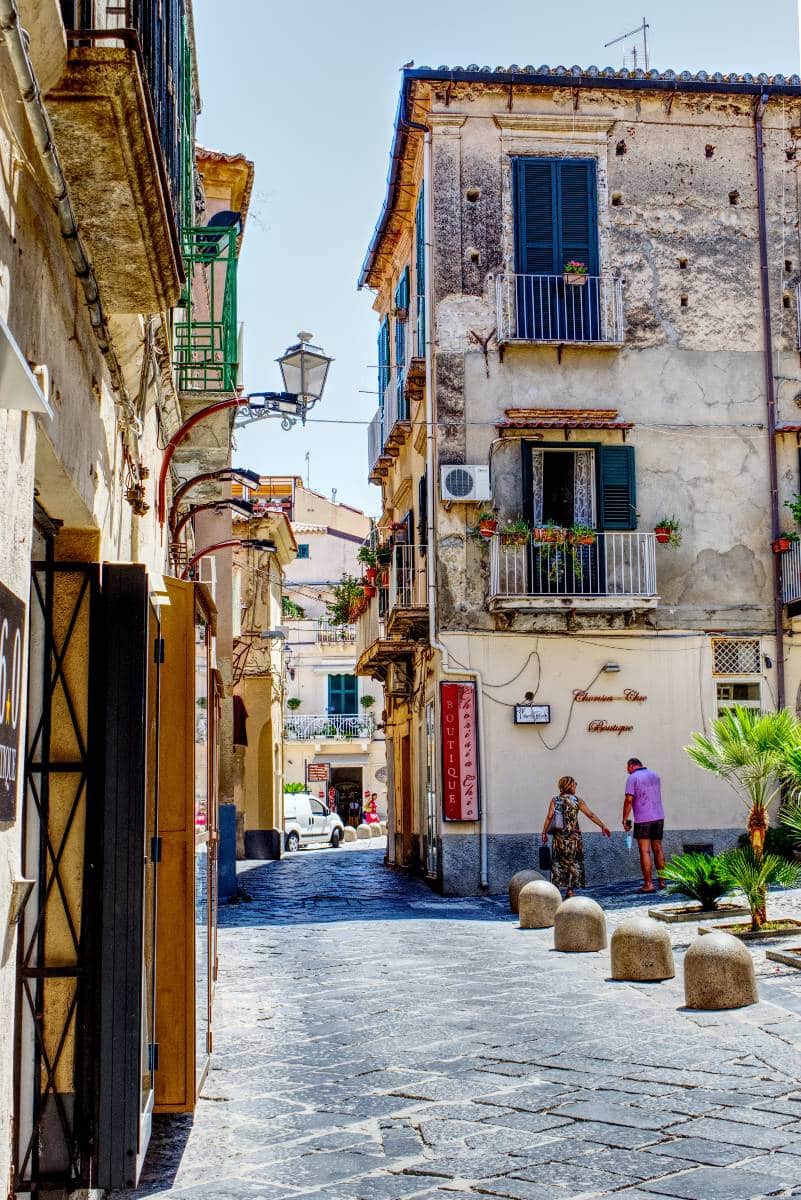
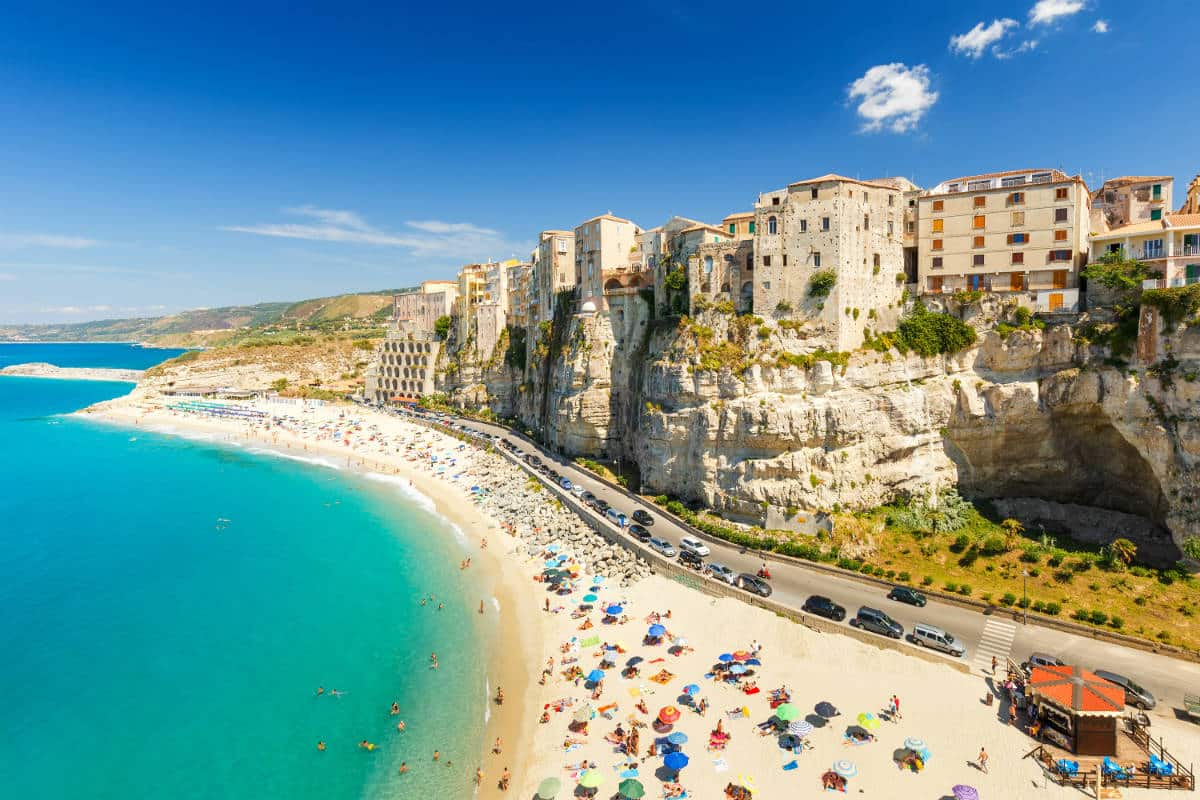
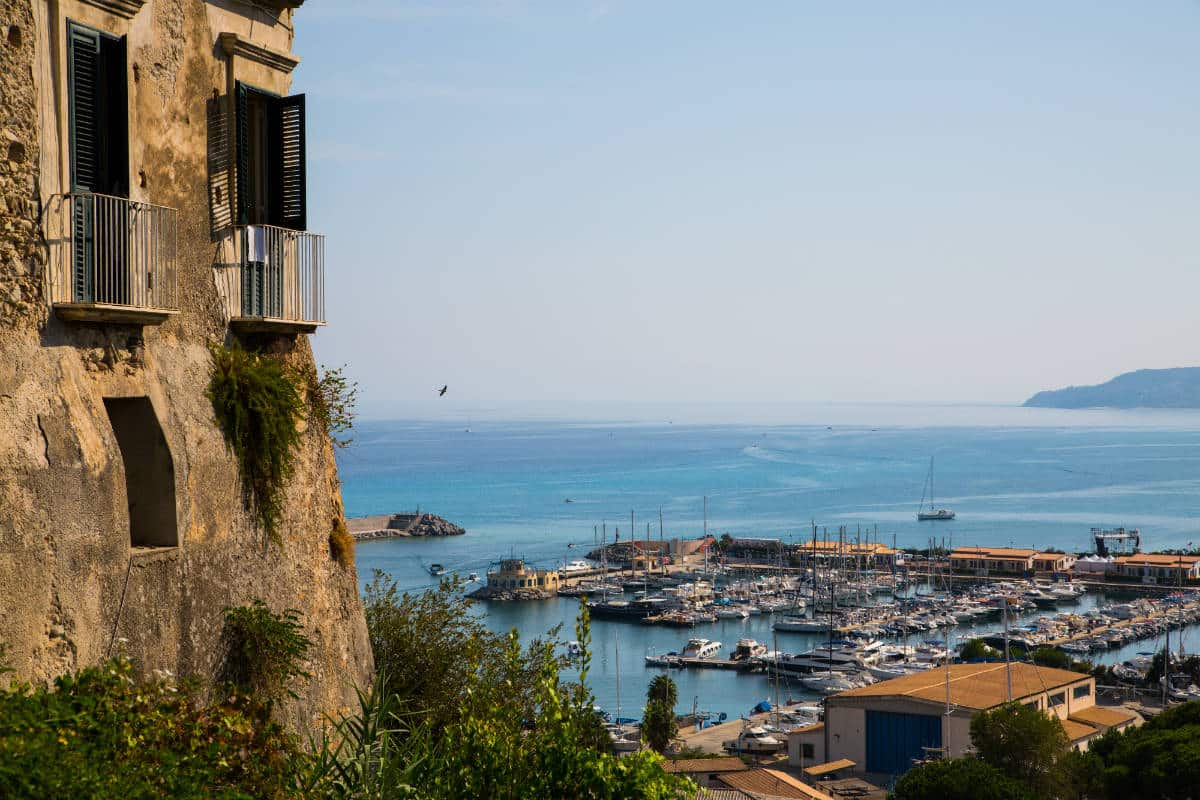
The historic center of Tropea
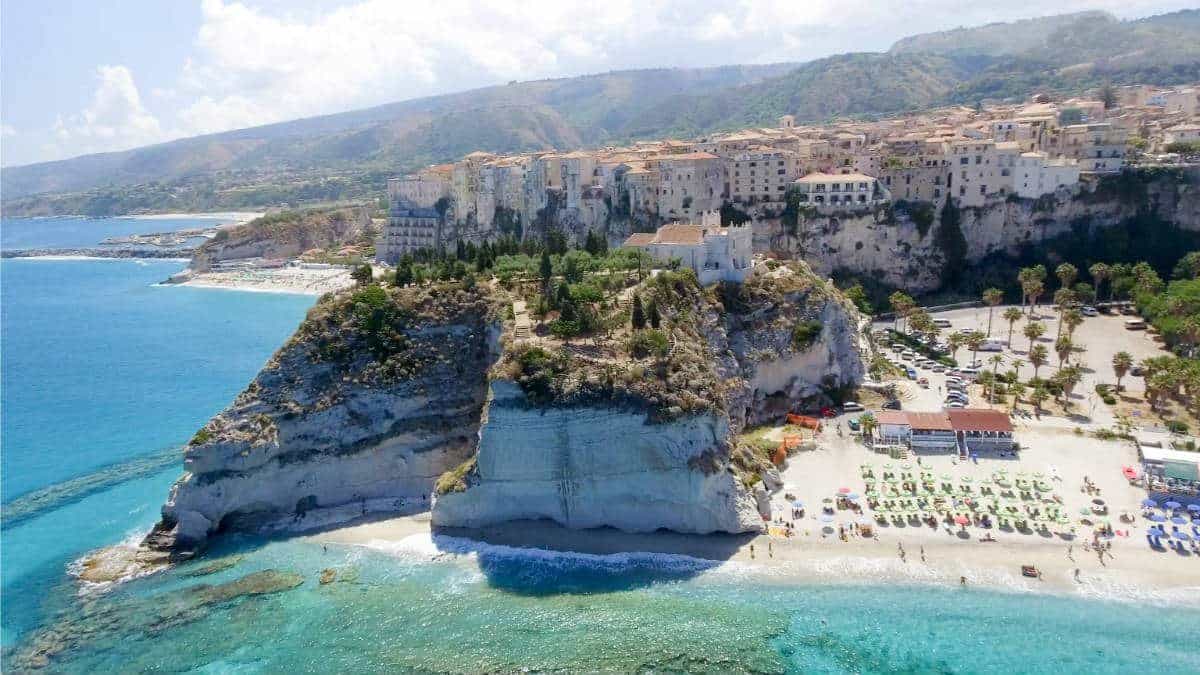
The beating heart of Tropea is its historic center, built on a rocky promontory that rises 50-61 meters above sea level. This ancient, once fortified town is characterized by narrow, winding streets, squares overlooking the sea, and a series of elegant 18th- and 19th-century aristocratic palaces. The ancient walls, which once surrounded the town, are still visible in some areas, testifying to Tropea’s defensive past. Walking through the center, it is easy to come across portals of palaces that tell the story of local noble families and cisterns dug into the rock, used to store grain from Mount Poro. The view from the historic center is simply enchanting: from here, you can admire the view of the Tyrrhenian coast and the golden beaches below.
The history and legend of Tropea
The origins of Tropea are shrouded in legend, which has it that the founder of the city was Hercules, the famous hero of Greek mythology. According to tradition, Hercules, on his return journey from the Pillars of Hercules (Spain), stopped on the coast of southern Italy and founded the city. However, the documented history of Tropea begins in Roman times, when the city was an important trading port. Sextus Pompey defeated Caesar Octavian nearby, and the Romans had built a port south of Tropea, at Formicoli, which Pliny and Strabo mention in their writings. In Byzantine times, Tropea became a strategic city, with numerous remains left by the Byzantines, including the church on the promontory and the city walls, known as the “walls of Belisarius.” The city then came under the rule of the Normans, who further fortified it, and later the Aragonese, who contributed to its development.
Monuments and places of interest
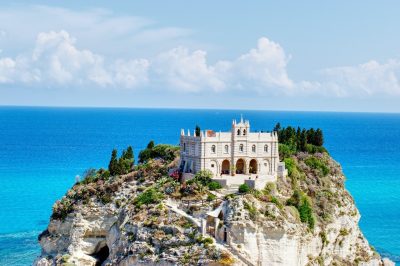
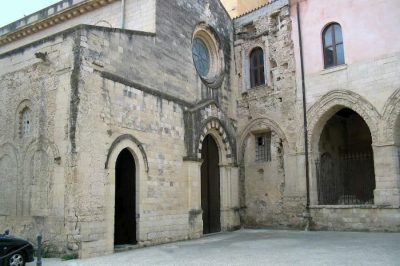
One of the most recognizable symbols of Tropea is the Sanctuary of Santa Maria dell’Isola, located on a promontory jutting into the sea. Its spectacular location and the long flight of steps leading up to the church make it one of the most beautiful viewpoints in Italy. Another monument of great importance is the Cathedral of Mary Most Holy of Romania, a Romanesque building dating back to the 12th century that houses the icon of Our Lady of Romania, the city’s patron saint. In addition, the Diocesan Museum, located on the premises of the Bishop’s Palace, holds numerous works of art, including sculptures, frescoes, and artifacts from various periods. Another place of interest is the ancient Convent of the Pieta, founded in 1639, which played an important role in the religious life of Tropea.
Beaches and nature
Along the beautiful Costa degli Dei, Tropea’s beaches are among the most beautiful in Calabria and Italy, with their crystal clear sea and golden sands. Spiaggia della Rotonda, located near the San Leonardo Rock, is considered one of the 50 most beautiful beaches in Europe. Other beaches not to be missed include Spiaggia del Cannone, Spiaggia di A Linguata, and Spiaggia di Marina dell’Isola, from which you can reach the picturesque Grotta del Palombaro. Each beach in Tropea offers a unique experience, thanks to its clear water and the spectacular landscapes that surround it.
Gastronomy and typical products
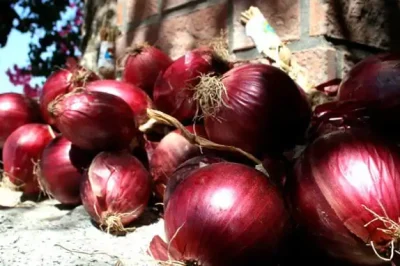
Tropea is famous for its gastronomy, particularly for the sweet Tropea red onion, a PGI product that features in many local dishes. This onion is particularly sweet compared to the white variety and is used in many typical recipes, including salads and fish dishes. Other typical products of the area include ‘nduja di Spilinga, Pecorino del Poro cheese, extra virgin olive oil, and local wines. Among handicrafts, terracotta artifacts, baskets, and wicker baskets are the most popular.
Village of Tropea
Municipality of Tropea
Province of Vibo Valentia
Calabria Region
Population: 6.362 tropeani, trupiani
Altitude centre: 61 m s.l.m.
the Municipality is part of:
Città dei sapori
Acknowledgments
Blue Flag
Municipality
Largo Municipio – Tel. +39 0963 61022
BY CAR
- From the north, take the A3 Salerno – Reggio Calabria motorway and exit at Pizzo Calabro. Take the SS for Tropea – Capo Vaticano, or take the S. Onofrio – Vibo Valentia exit and follow the signs for Tropea.
- From the south, take the A3 Salerno – Reggio Calabria motorway and exit at Rosarno. Continue to Nicotera – Joppolo – Coccorino – Ricadi – Capo Vaticano or exit at Mileto and follow the SS 18 towards Tropea.
ON THE TRAIN
- Lamezia Terme railway station
- Vibo Valentia Pizzo railway station
BY PLANE
- Lamezia Terme airport
- April – Mostra-Fiera model railway layout.
- June – the final phase of the National Literary Prize of Tropea.
- August – Tropea Film Festival. The event will be held in the theater of the Port of Tropea, inside the marina.
- Christmas period – Living Crib with actors interpreting the ancient crafts. The representation is even more realistic thanks to the scenography and for the presence of real animals. The streets of the center are animated by the presence of illuminations and every morning is cheered from the traditional sound of the zampogna.
What to see in Tropea
Discover what to see in Tropea among monuments, scenic views, museums, churches and symbolic places of the village. A useful selection to plan your visit and explore the area.
What to do in Tropea
If you are wondering what to do in Tropea, here you will find activities, experiences and tours to enjoy the village and its area in an authentic way, among nature, culture, food and wine, and guided routes.
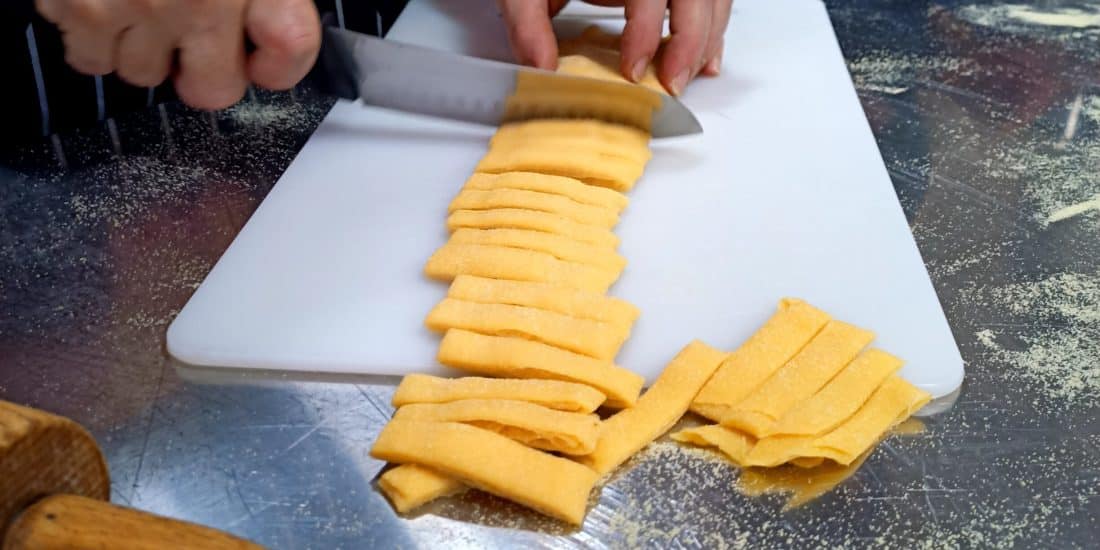
Cooking Class in the Tropea Countryside
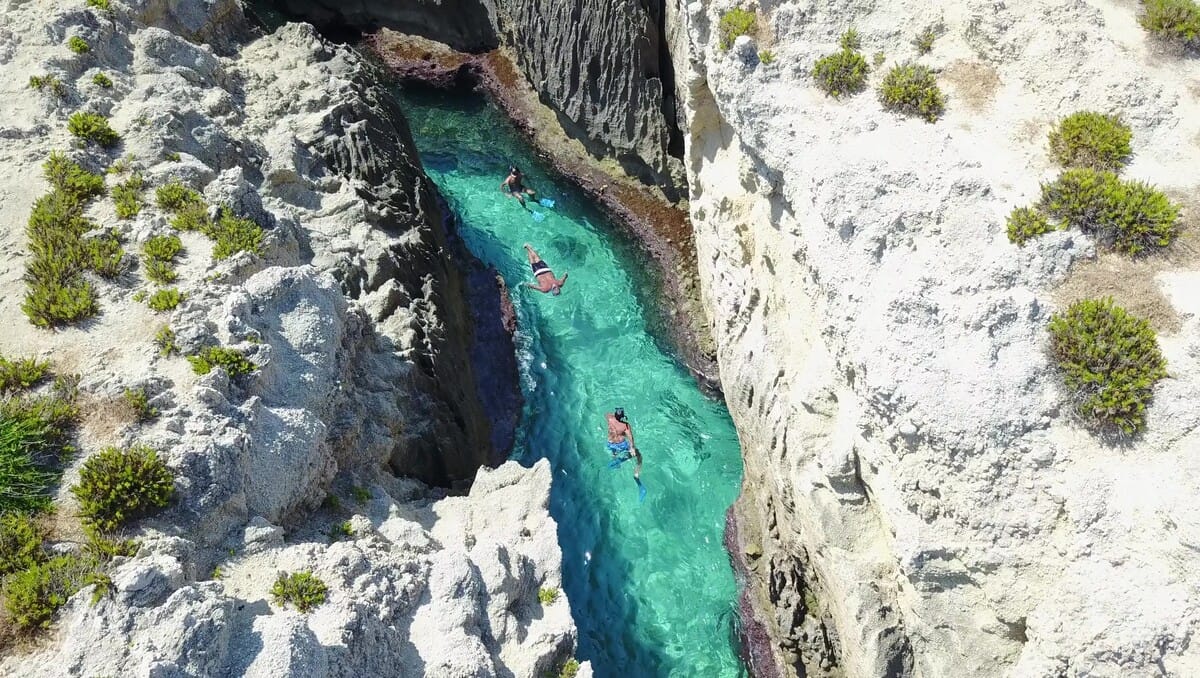
The most beautiful tour on the Coast of the Gods, maximum 12 people on board
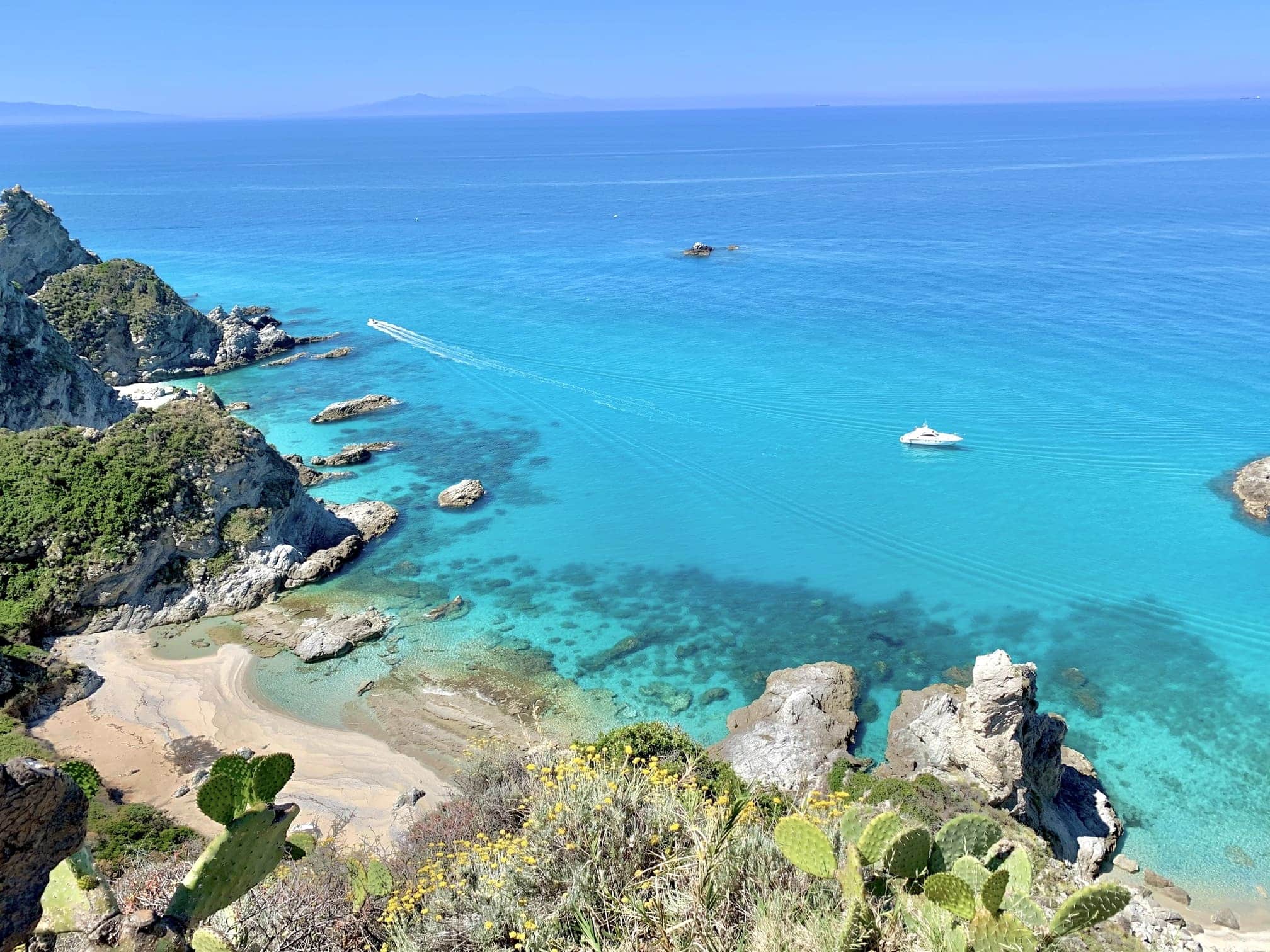
The wonders of the Costa degli Dei by boat, exclusive tour for up to 9 people
Events in Tropea
Upcoming events, festivals and initiatives.
News and stories about “Tropea”
Insights and stories from the area, to keep discovering.
Continue the journey
Tropea is only one of the treasures of the area. Use the interactive map to discover what to visit nearby, how far the other villages are and which experiences you can enjoy along the route.
Explore the area