 Passignano sul Trasimeno
 Historical Tournament of the Villages of Susa
 Tandem paragliding flights in Tirolo and Merano: the thrill of flying over the Alps
 Recipe: Cippillato, Trivento’s iconic sweet treat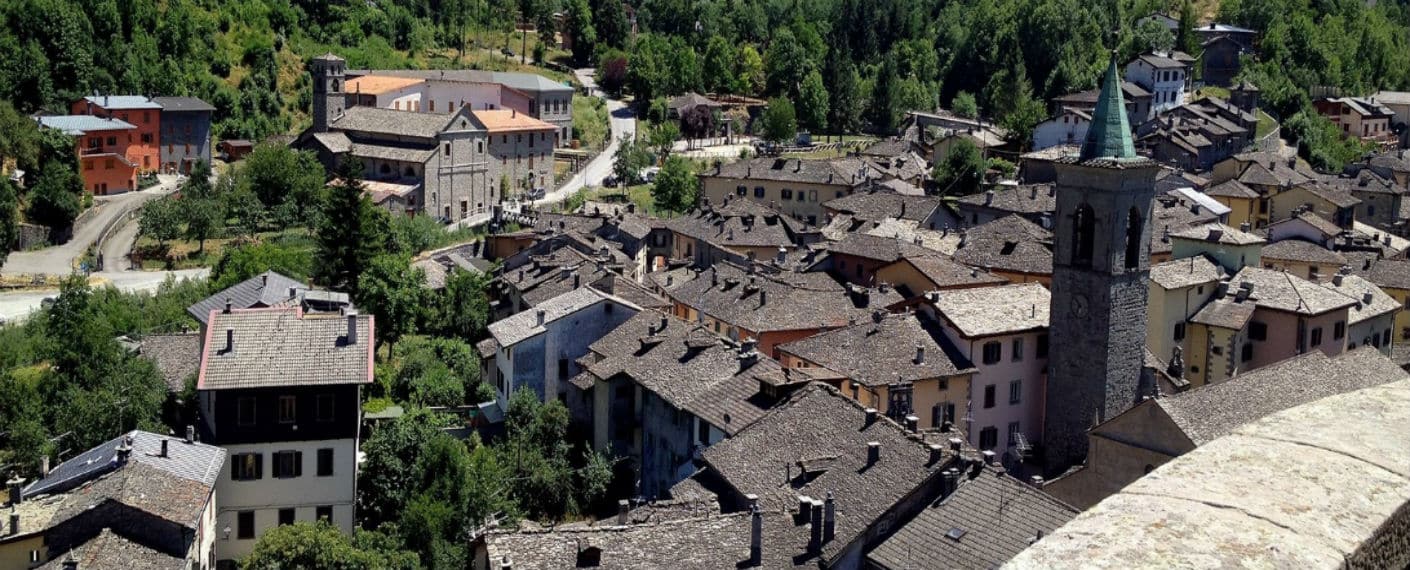
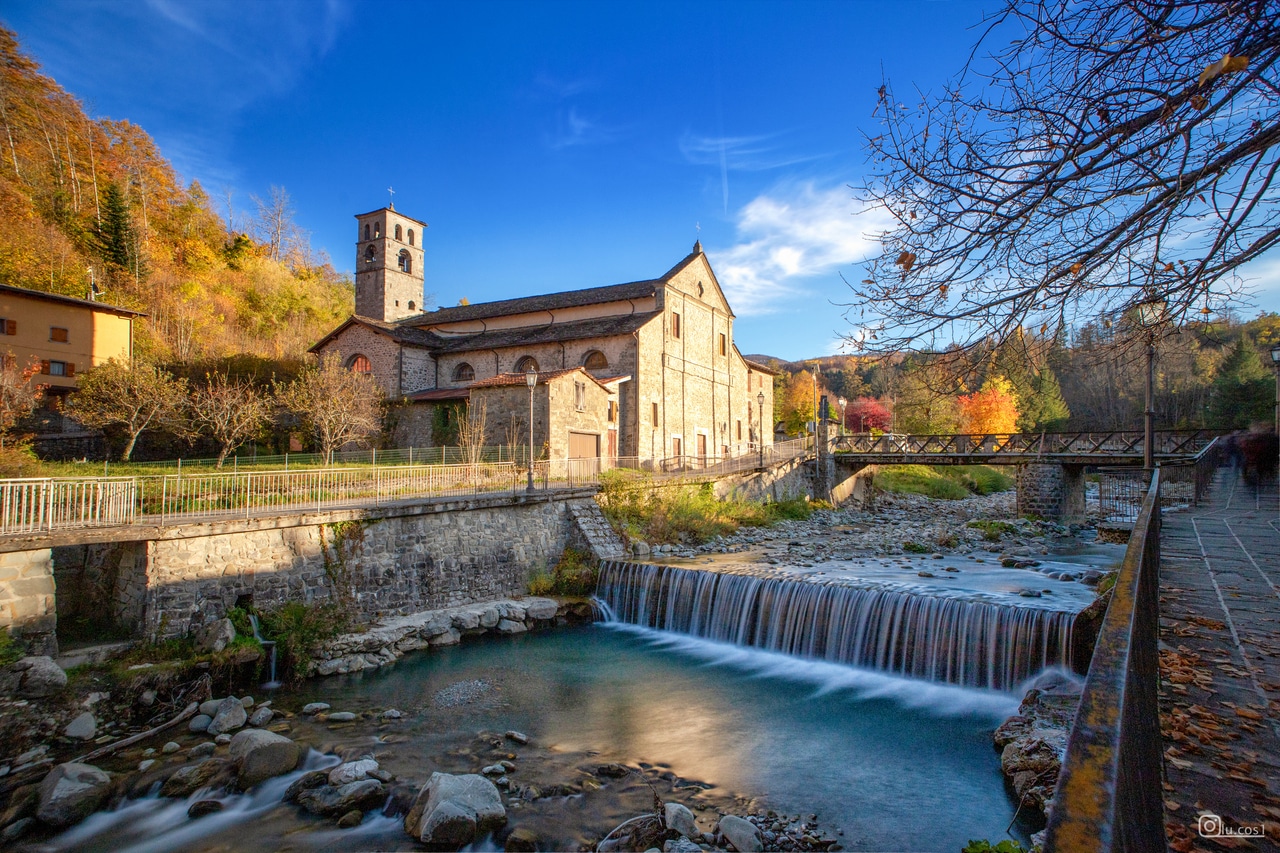
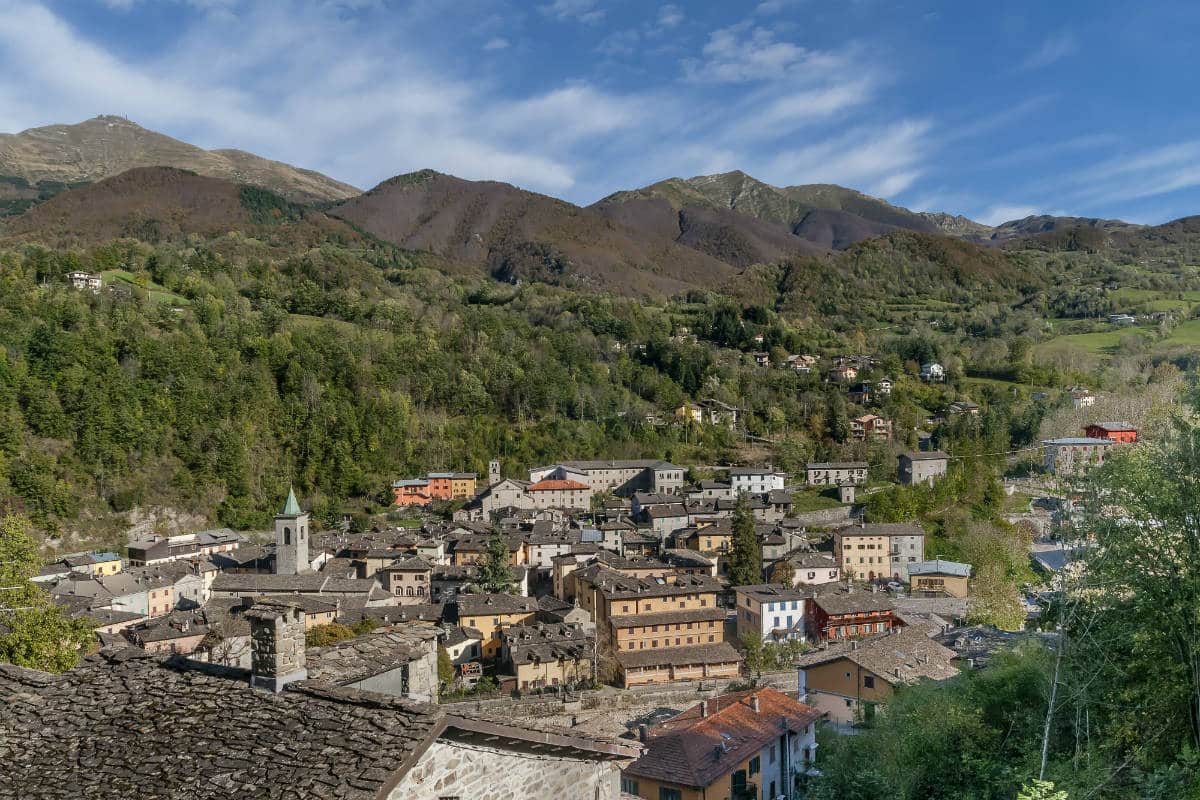
Nestled in the heart of the Modena Apennines, on the border with Tuscany, Fiumalbo is one of the most authentic and best-preserved villages in the entire Frignano area, so much so that it has been awarded the Orange Flag by the Italian Touring Club. Lying at the confluence of the Rio Acquicciola and the Rio delle Pozze, which form the Scoltenna, it stands in the evocative setting of the Frignano Park, on a territory that ranges from 800 meters above sea level to the 2,165 meters of Mount Cimone.
Photo gallery
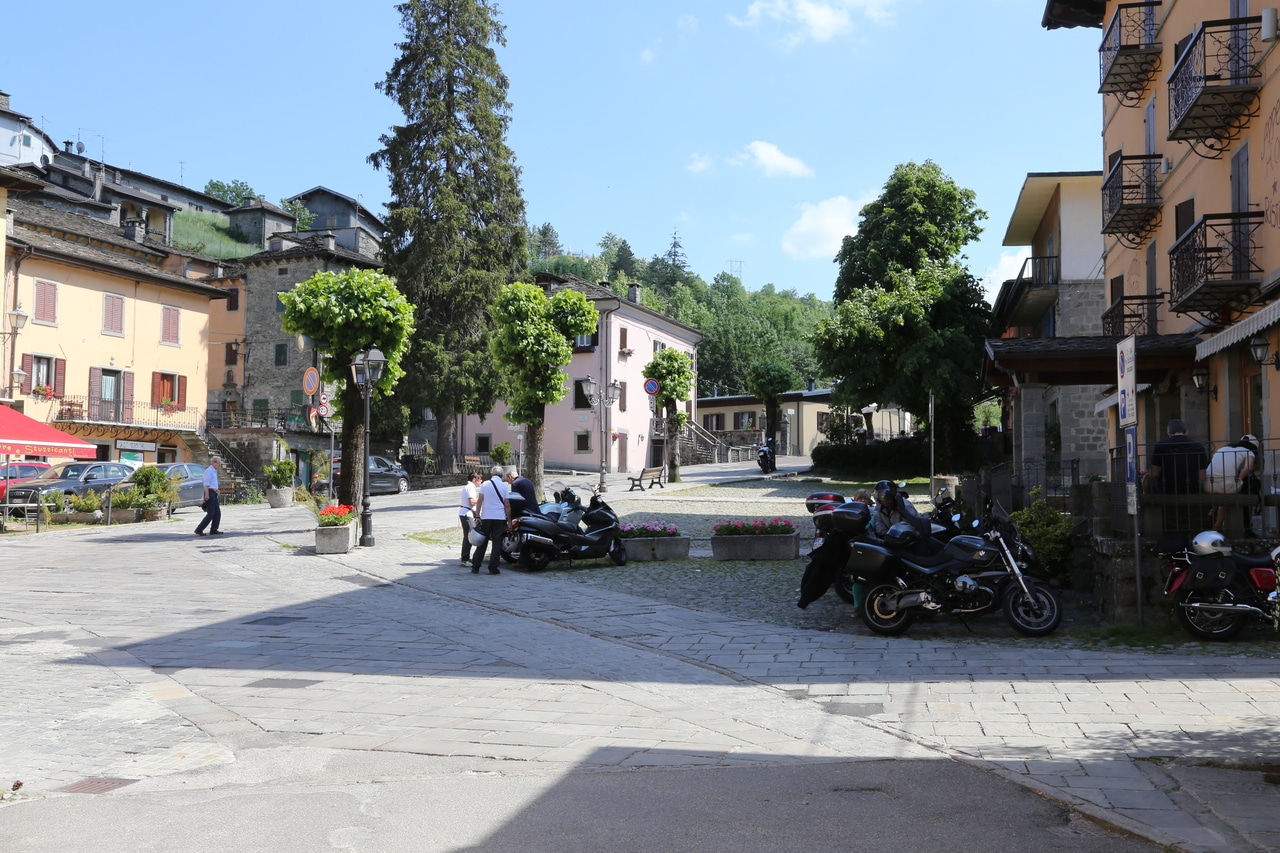
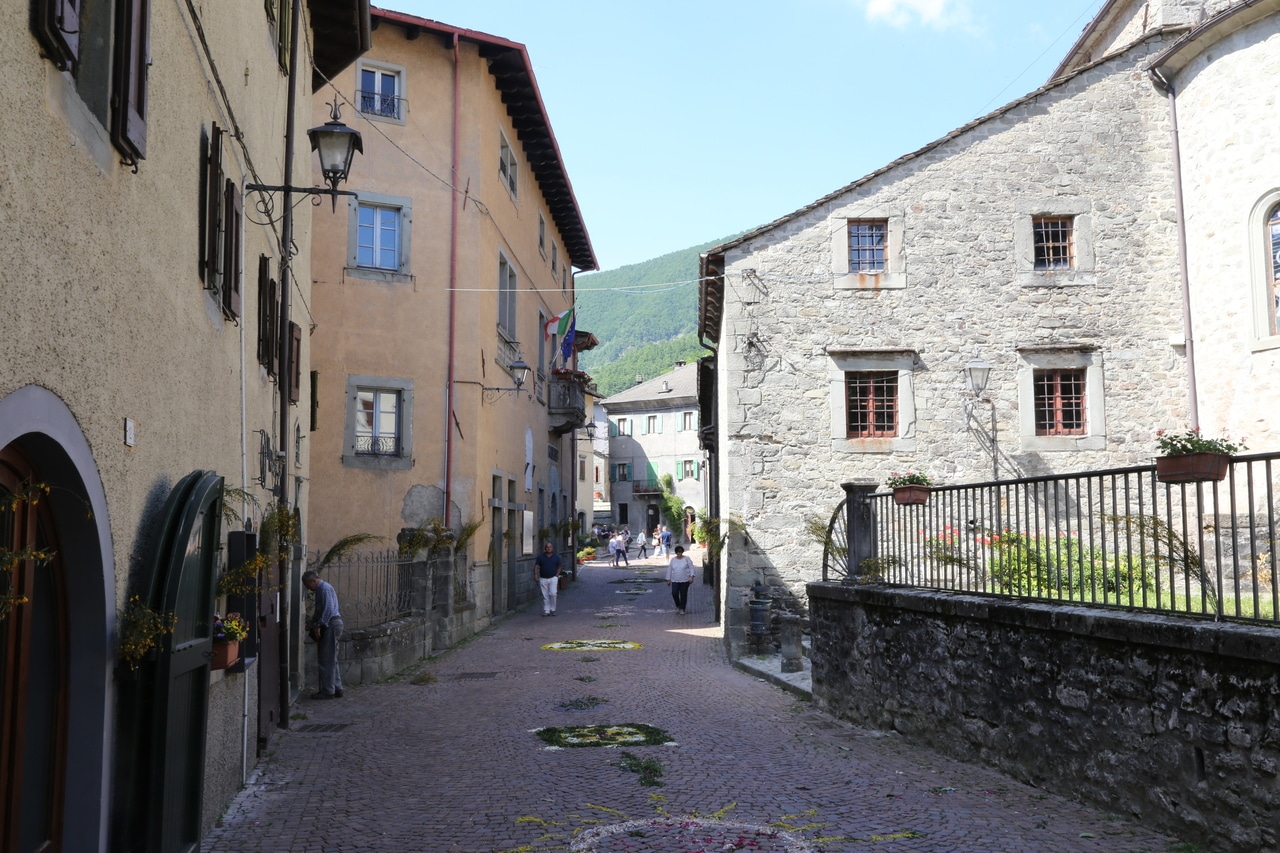
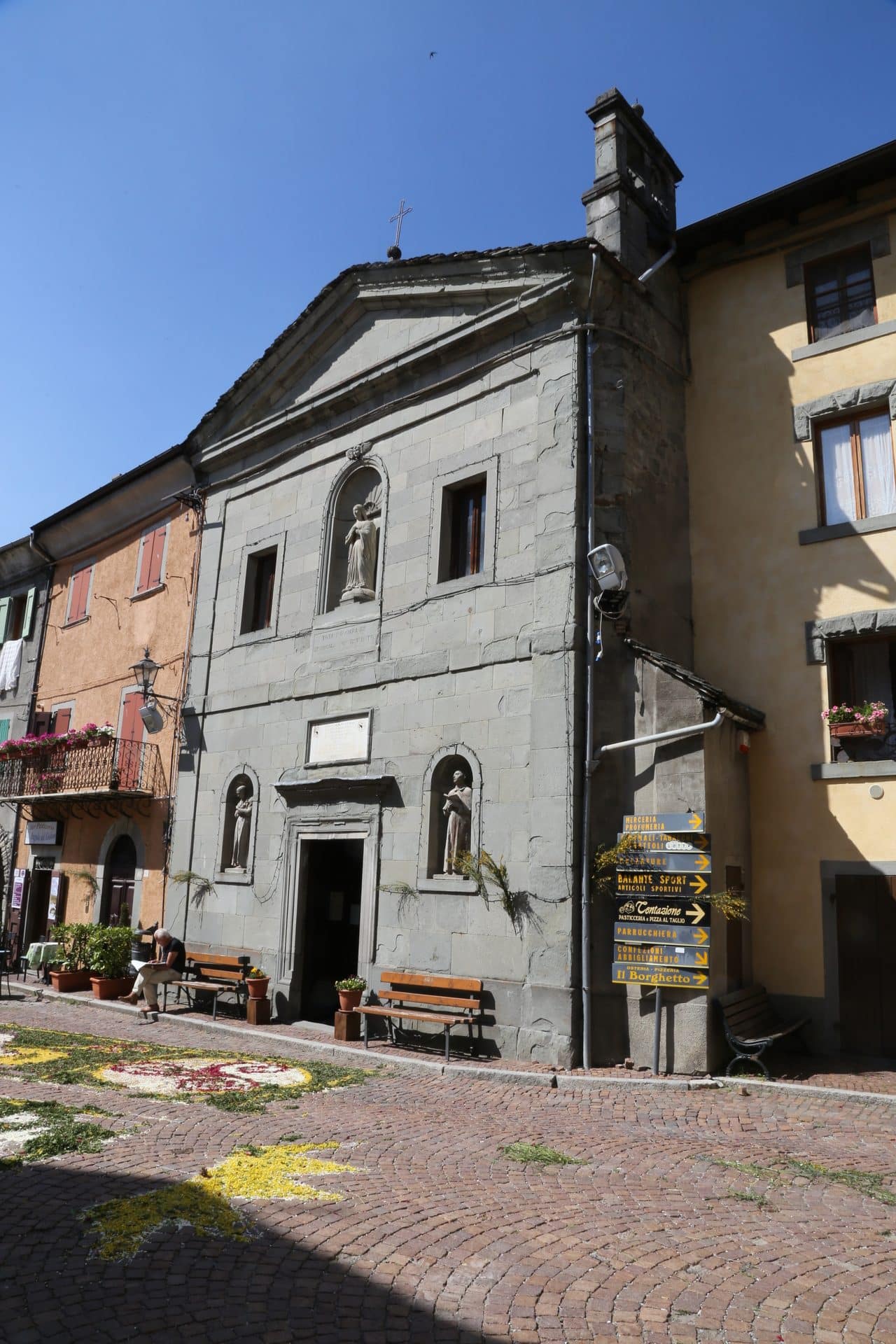
A village with ancient origins
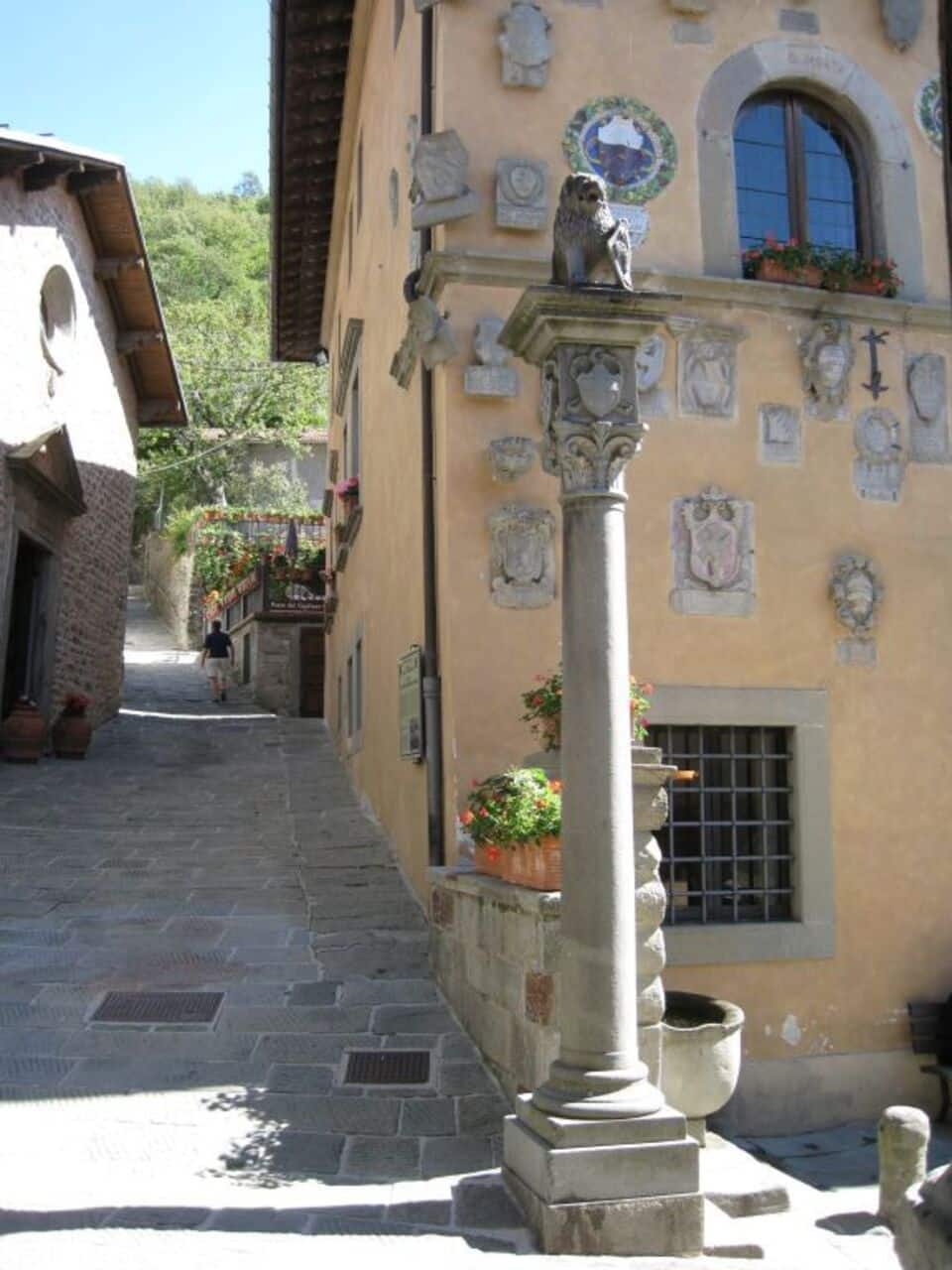
The name “Fiumalbo” is said to derive from the Latin Flumen Album, “white river,” in reference to the clear, bubbling waters that surround it. Mentioned as early as 1038 in a deed in which Bonifacio di Canossa (Matilda’s father) donated the fortress of Fiumalbo to the bishop of Modena, the village boasts nearly a thousand years of documented history, but its origins are lost in much earlier times, as evidenced by the mysterious Celtic huts in the Valdare and Doccia areas and the enigmatic Margolfe, apotropaic sculptures with female faces carved into the stone of houses.
Architecture and faith: an intact heritage
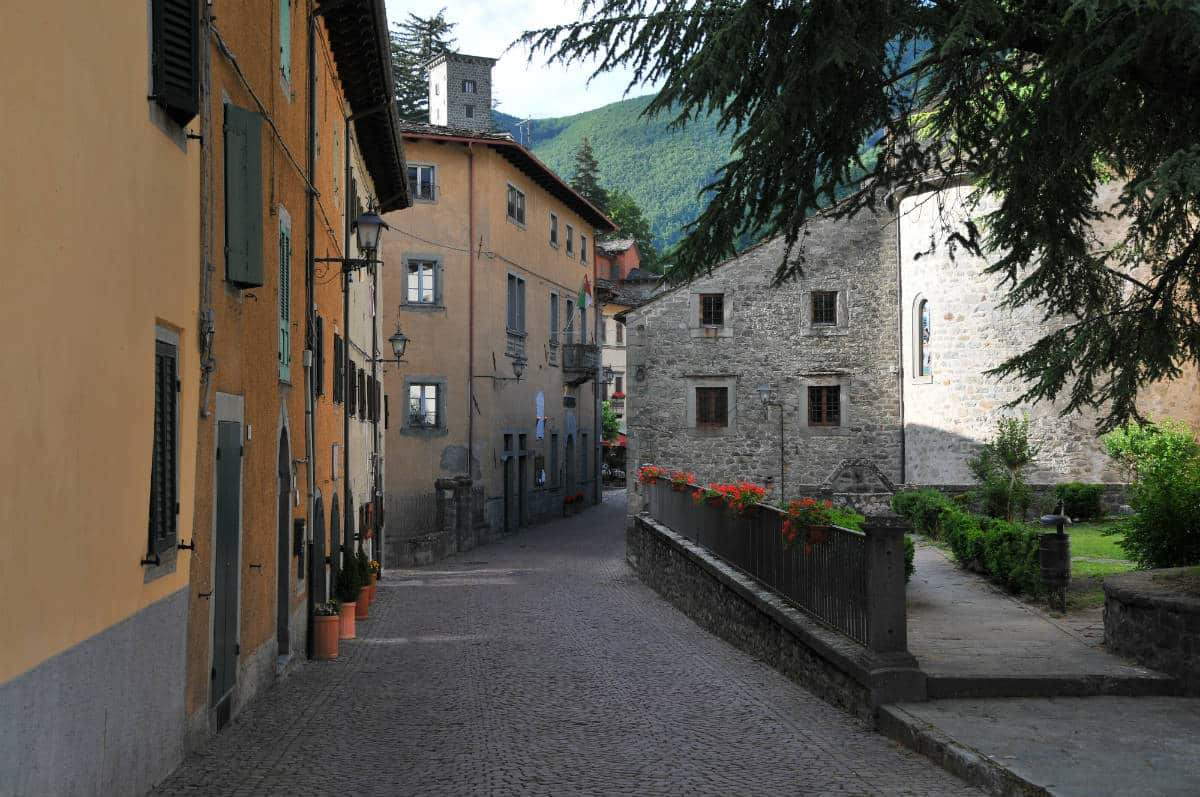
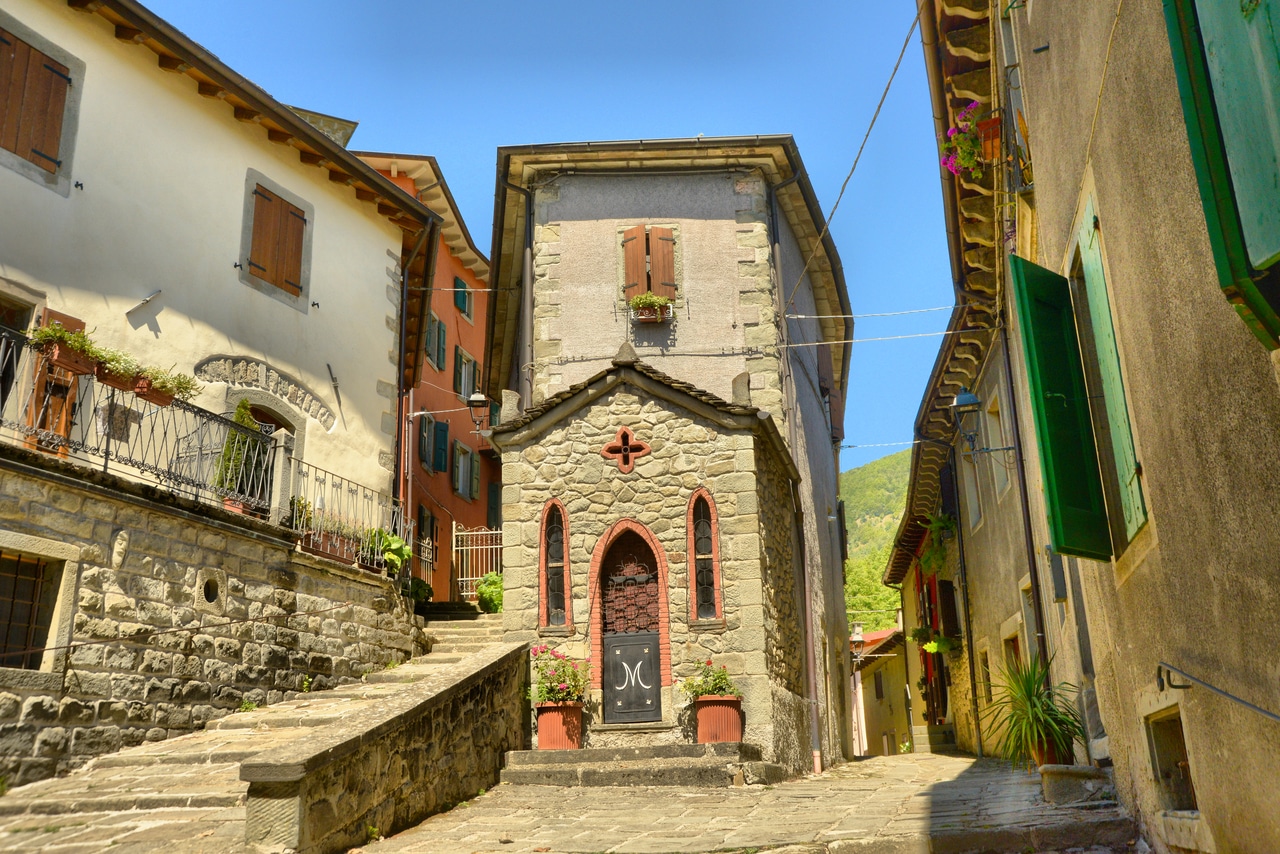
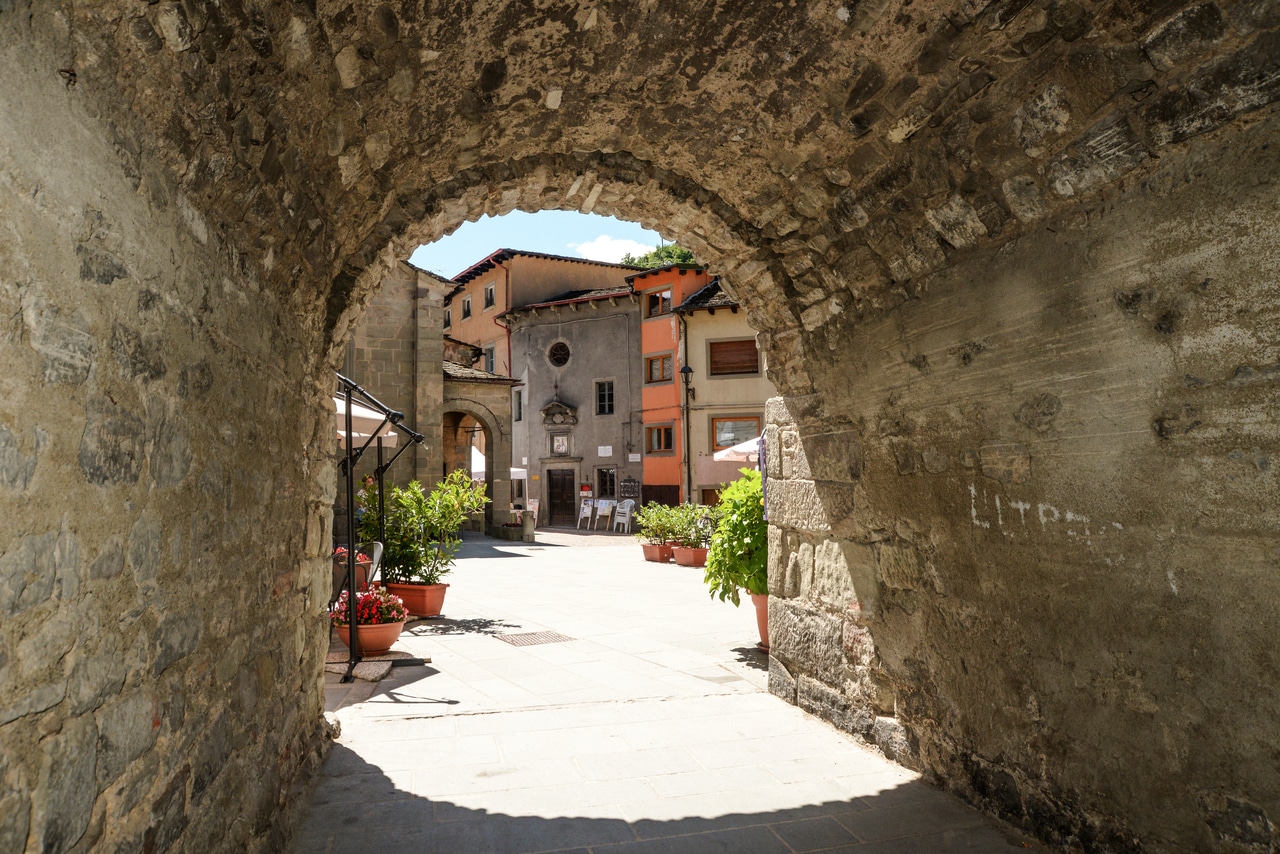
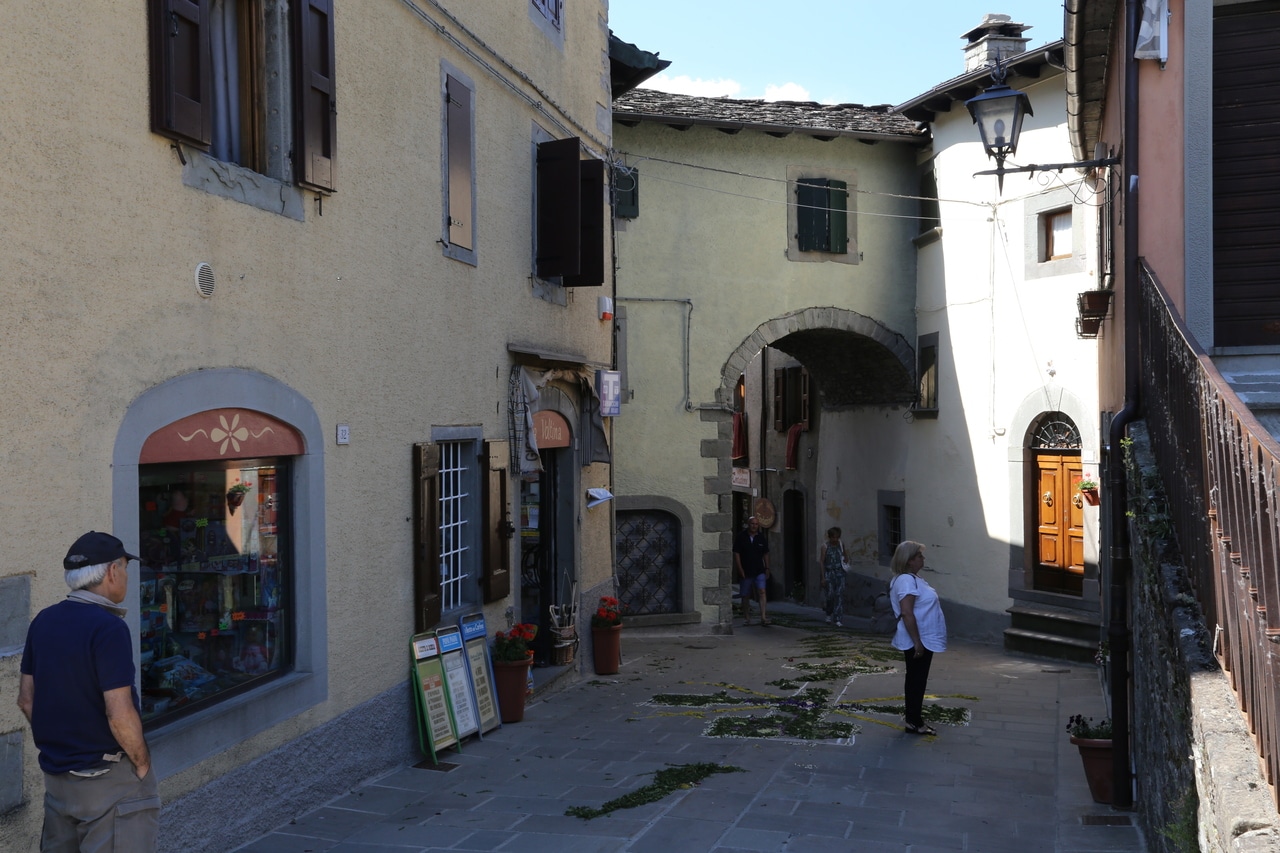
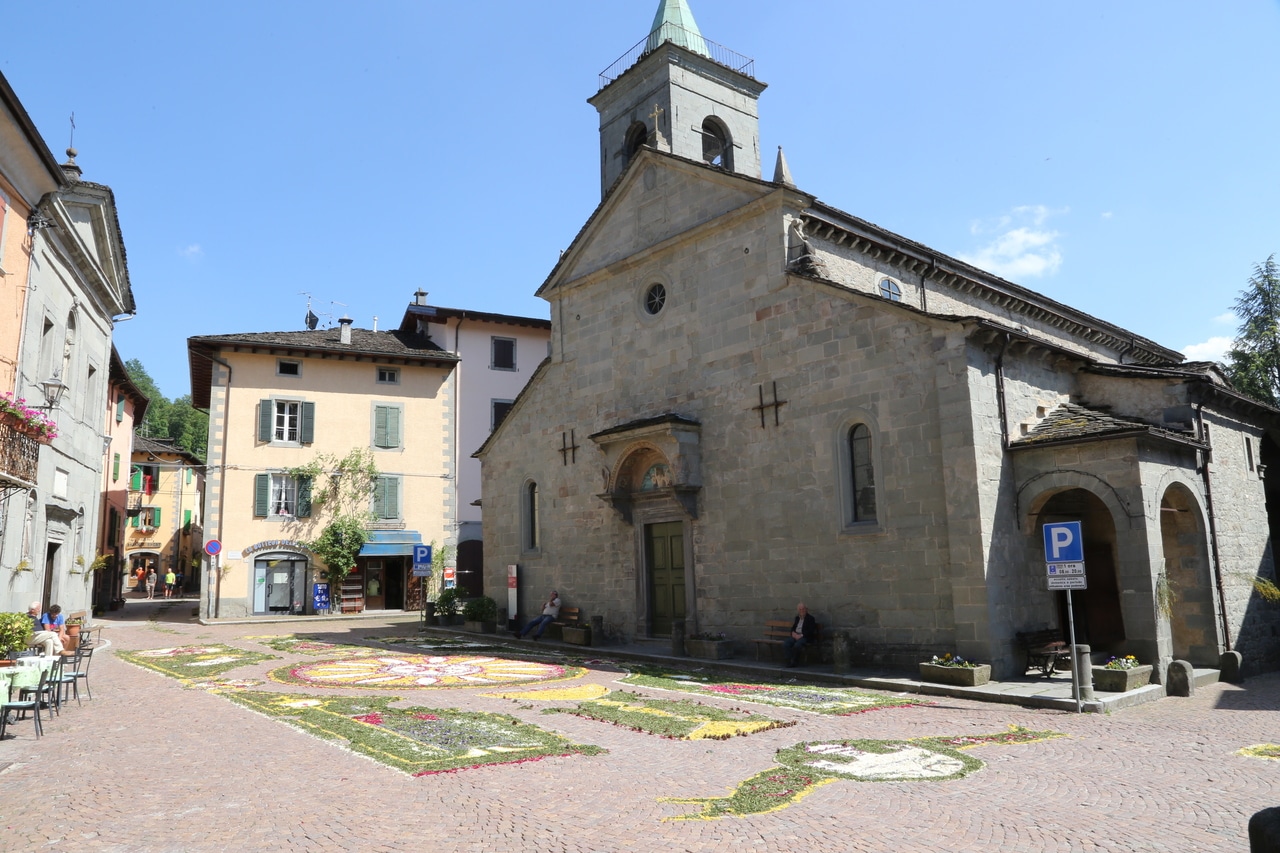
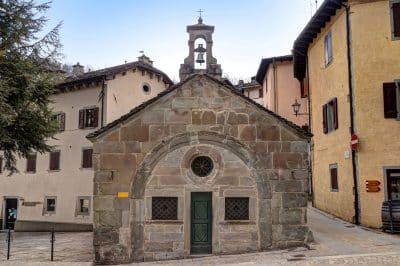
Strolling through its paved alleys and stone houses, one has the impression of passing through a suspended time. The historic center of Fiumalbo is a real treasure chest of artistic and religious treasures: The Church of St. Bartholomew the Apostle, built in 1120 and enlarged in 1592, preserves inside a wooden coffered ceiling, 16th-century paintings and valuable sculptures from the school of Wiligelmo; The Oratory of SS. Sacramento, attached to the mother church, was the seat of the local confraternity from 1593 and preserves valuable liturgical furnishings; The Oratory of San Rocco, dating from 1418 but rebuilt in the 16th century, shows Tuscan Renaissance influences and is decorated with frescoes attributed to Saccaccino Saccaccini da Carpi.
Opposite the parish church, the Church of the Immaculate Conception (1516) was called “dei Bianchi,” while the nearby Church of St. Catherine of Siena, founded in 1579 and called “dei Rossi,” now houses the Museum of Sacred Art, the only one of its kind in the Modena Apennines. Completing the religious heritage are the Oratory of Costolo, the Church of Saints Donnino and Francis, and the Oratory of St. Michael.
Nature, hiking and winter sports
Fiumalbo is a true paradise for mountain lovers in all seasons. In summer, it offers trails immersed in beech and chestnut forests, ideal for hiking, trekking, mountain biking and no-kill fishing. In winter, on the other hand, it turns into a perfect destination for snow sports, thanks to its proximity to the slopes of Val di Luce: ski mountaineering, snowshoeing, freeriding and even snowmobiling offer high-altitude fun for every taste and experience.
A language unto itself
A fascinating aspect of Fiumalbo is its unique dialect, which represents a transition point between Emilian and Tuscan, taking on characteristics similar to Veneto. This linguistic peculiarity reflects its nature as a border town, which has always been suspended between two cultural identities.
Culture and memory
Fiumalbo also preserves a historical memory related to emigration. In the early 20th century, many inhabitants left for the Americas in search of fortune. In the Dawson (New Mexico, 1913) mining accident, 17 of the 146 Italian victims were originally from Fiumalbo.
Events and traditions
Among the not-to-be-missed events is the patronal feast of St. Bartholomew, celebrated on August 23 and 24, with an evocative procession in historical costume that involves the entire community. The atmosphere during this event is deeply linked to the religious and historical identity of the village.
Fiumalbo is much more than a mountain resort: it is a place where history speaks through stone, where nature blends with art, and where traditions can still be breathed in the clear air of the Apennines. A must-see for those seeking authenticity, beauty and a true Italian experience of yesteryear.
Village of Fiumalbo
Municipality of Fiumalbo
Province of Modena
Region Emilia Romagna
inhabitants: 1.280 fiumalbini
Altitude center: 953 m a.s.l.
The Municipality is part of:
I Borghi più belli d’Italia
Acknowledgments
Orange Flag – Touring Club Italy
Protected Natural Areas:
Parco regionale Alto Appennino Modenese
Municipality
Via Capitano Alberto Coppi 2 – Tel. +39 0536 73922
BY CAR
- From Verona: Take the A22 highway towards Modena, continue on the A1 highway and exit at Modena Nord. Take the SS 9 “Via Emilia” towards Modena Sud, continue on the Provincial Road Modena – Sassuolo in the direction of Fiorano, Maranello, then take the SS 12 and follow signs for Fiumalbo.
- From Florence: Take the A1 motorway towards Bologna, near Prato continue on the A11 motorway, exit at Pistoia, continue on the Pisa ring road towards Modena – Abetone, reach the SS 12 state road and follow the indications for Fiumalbo.
- From Ancona: Take the A14 motorway in the direction of Bologna and exit at Bologna – Casalecchio, continue along the SP 569 “Bazzanese”, follow for Casalecchio di Reno and continue on the SS 64 “Porrettana” to the Ponte della Venturina hamlet, continue on the SP 632, after passing the hamlet of Campo Tizzoro continue on the SS 66, then reach the SS 12 and follow the indications for Fiumalbo.
- From Bologna: From Casalecchio di Reno take the SS 64 “Porrettana” to the hamlet of Ponte della Venturina, continue on the SP 632, past the hamlet of Campo Tizzoro continue on the SS 66, then reach the SS 12 and follow signs for Fiumalbo.
- From Modena: Take the SS 12 towards Abetone – Vignola, follow signs for Fiumalbo.
ON THE TRAIN
- Modena station
BY PLANE
- Florence airport
- Bologna airport
Authentic mountain flavors
Local food and wine is the result of the fusion of Emilian and Tuscan culinary traditions. Among the dishes not to be missed:
-Crescentine and borlenghi with local cured meats,
-Tortelloni and black cabbage soups,
-Cutlets of beef, game and porcini mushrooms.
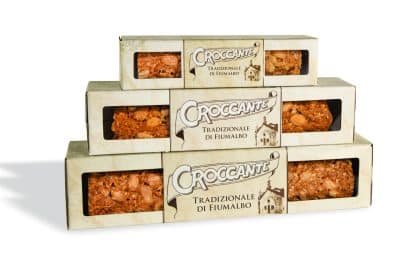
The signature product, however, is the Fiumalbo crisp, a sweet whose recipe remains jealously guarded to this day by the town’s pastry chefs.
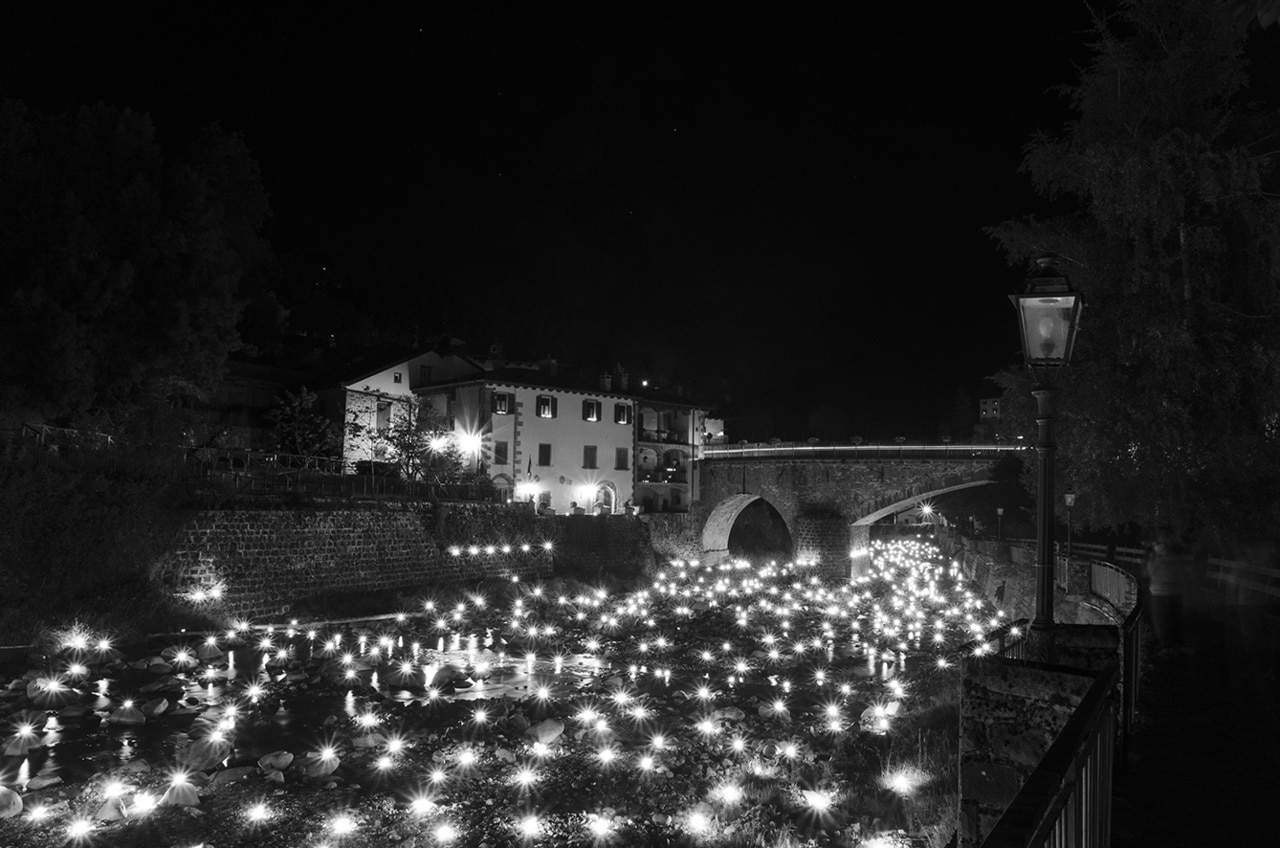
- Every two years on 24 Dicembbre – Living Crib. Along the streets, the alleys and under the vaults of the medieval village illuminated only by torches, are prepared the re-enactment of the ancient trades, as pastors, stonecutters, millers, cestai, spinners, embroiderers, bakers, Fabbri, potters, norcini and many others with hundreds of extras and animals that are from the contour of the scene of the nativity, where Jesus is a baby born in the current year. The nativity scene is represented in the night of Christmas Eve of years equal and in one of the first days of January of the following year.
What to see in Fiumalbo
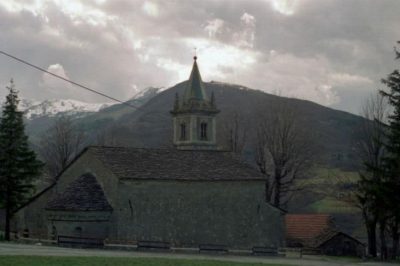
Discover what to see in Fiumalbo among monuments, scenic views, museums, churches and symbolic places of the village. A useful selection to plan your visit and explore the area.
What to do in Fiumalbo
If you are wondering what to do in Fiumalbo, here you will find activities, experiences and tours to enjoy the village and its area in an authentic way, among nature, culture, food and wine, and guided routes.
Where to stay in Fiumalbo
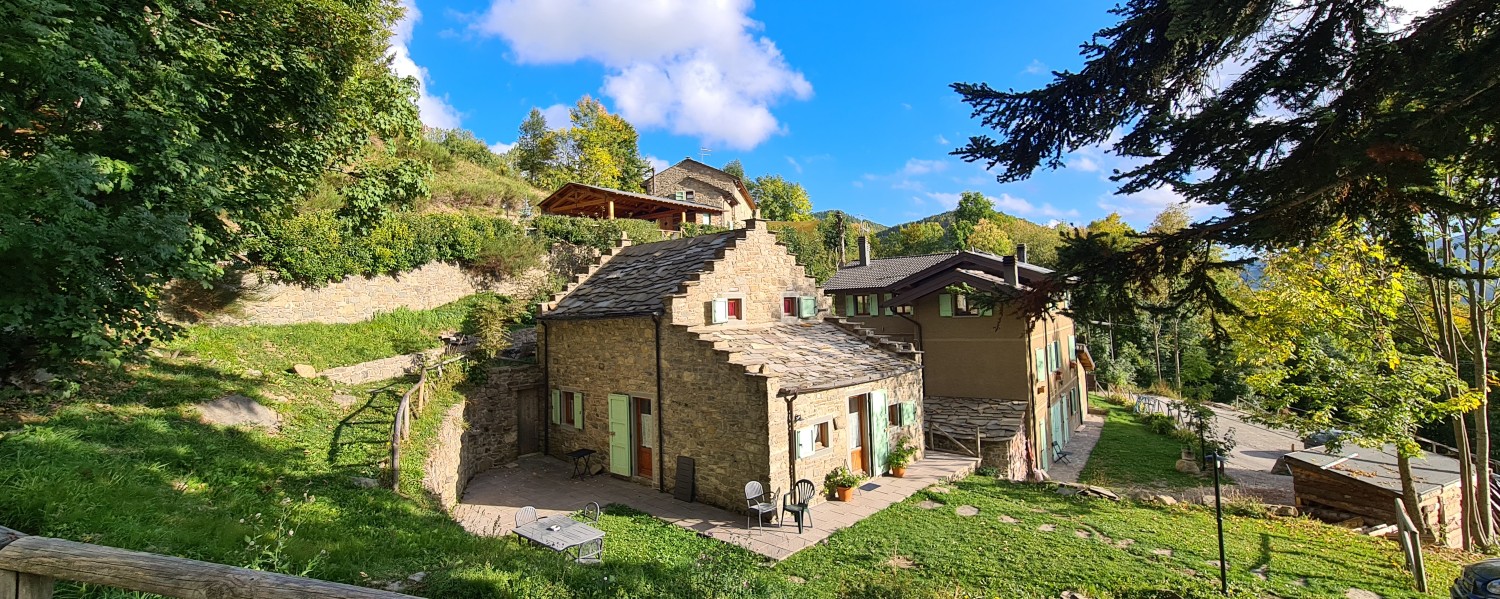
If you are looking for where to stay in Fiumalbo, you can choose from hotels, B&Bs, farm stays and holiday homes in the village and nearby, for a slower stay among landscapes, culture and authentic hospitality.
News and stories about “Fiumalbo”
Insights and stories from the area, to keep discovering.
Continue the journey
Fiumalbo is only one of the treasures of the area. Use the interactive map to discover what to visit nearby, how far the other villages are and which experiences you can enjoy along the route.
Explore the area