 Passignano sul Trasimeno
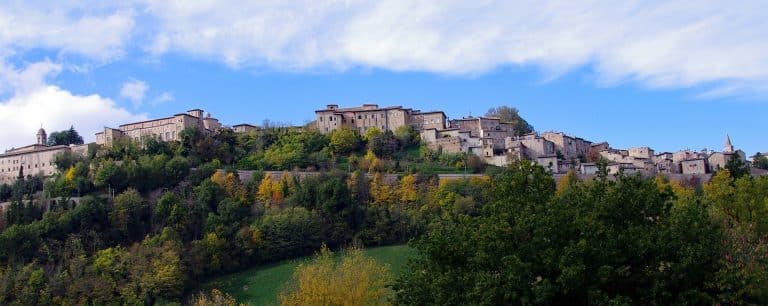 Montefeltro
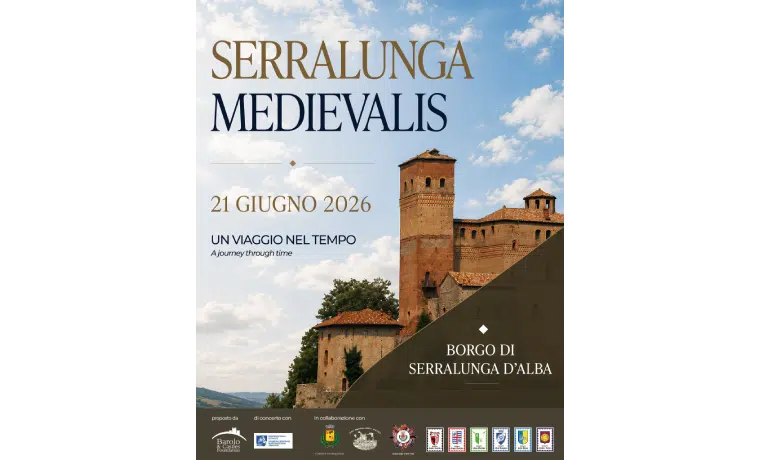 Serralunga Medievalis
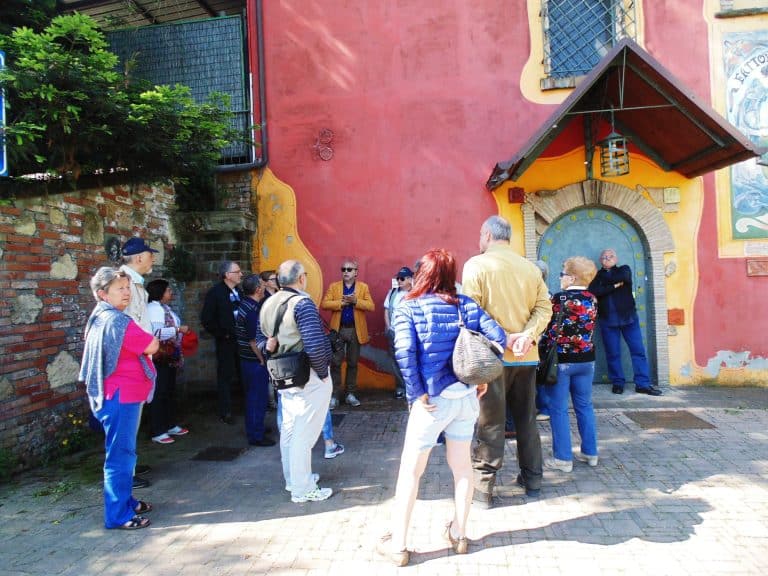 The Ca’ Rossa Experience: from vineyard to glass
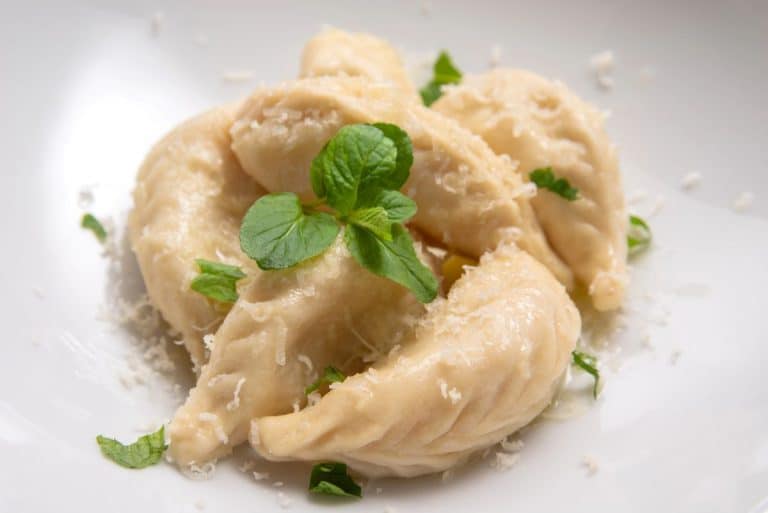 Recipe: Ogliastra PGI Culurgiones with Pecorino Romano PDO, the taste of longevity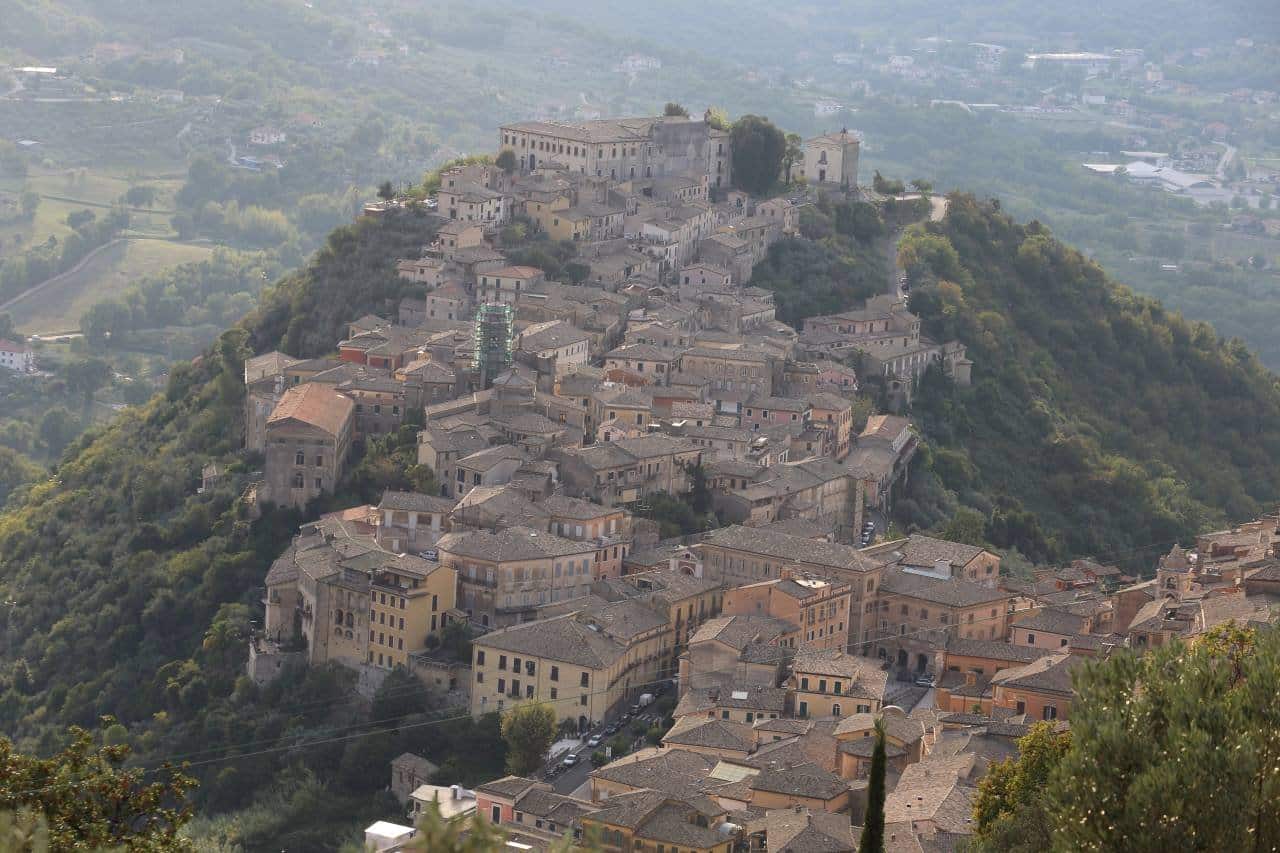
Arpino is a charming village in Ciociaria, in the province of Frosinone, known for being the birthplace of Marcus Tullius Cicero. Its ancient origins, the Acropolis with its imposing Cyclopean walls, breathtaking views and numerous cultural initiatives make it an ideal destination for those seeking authenticity, history and beauty. To walk through the alleys of Arpino is to immerse oneself in centuries of civilization, among art, monumental architecture and traditions that are still alive.
Photo gallery
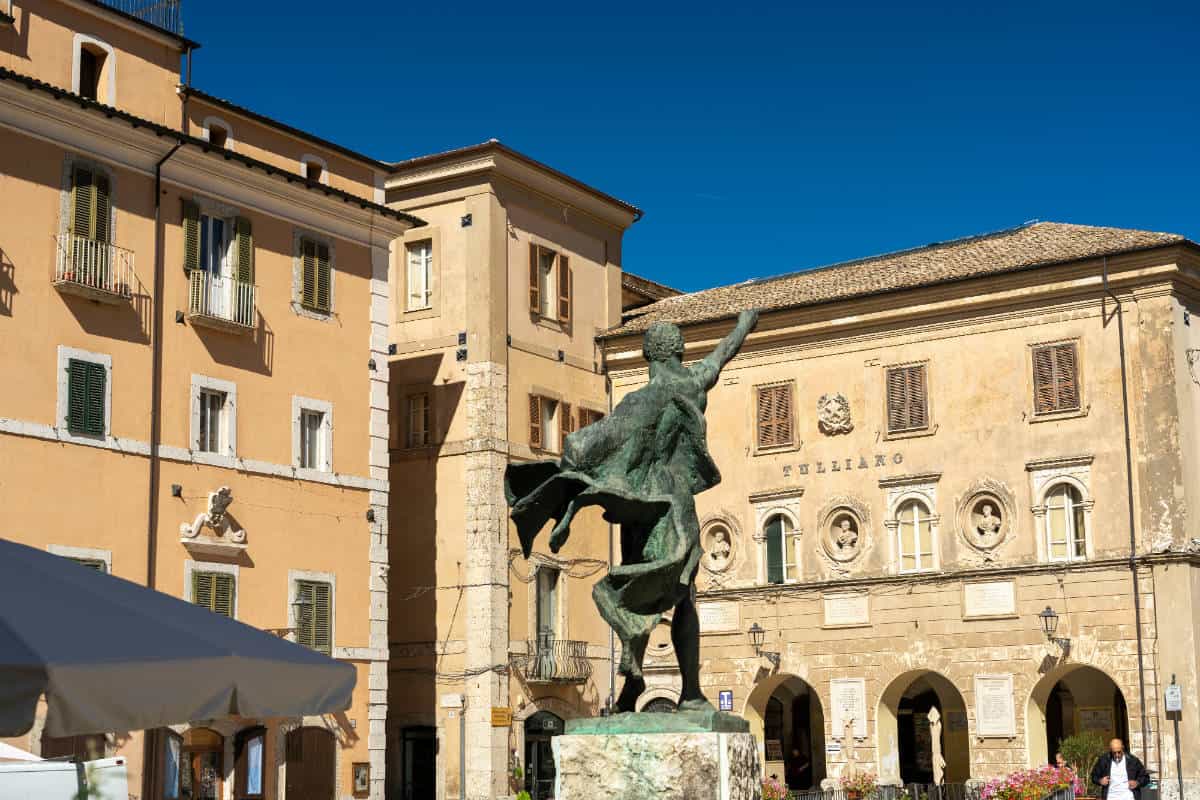
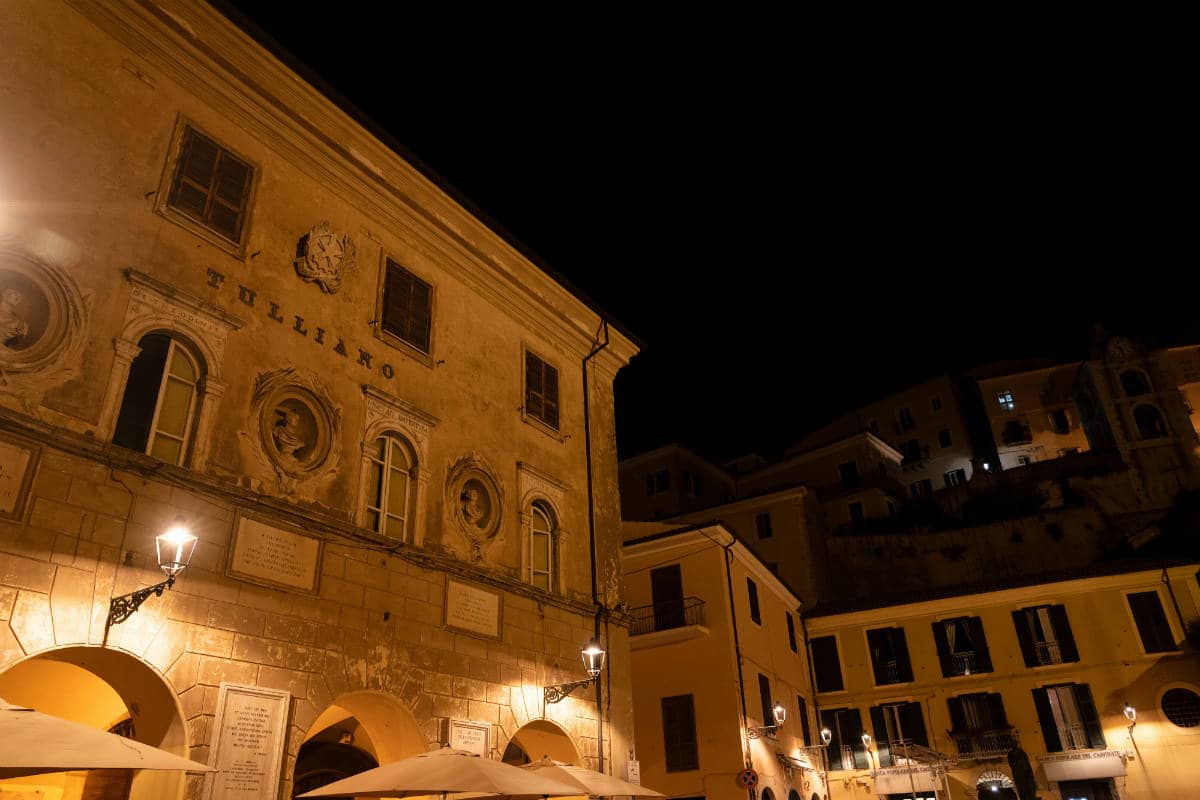
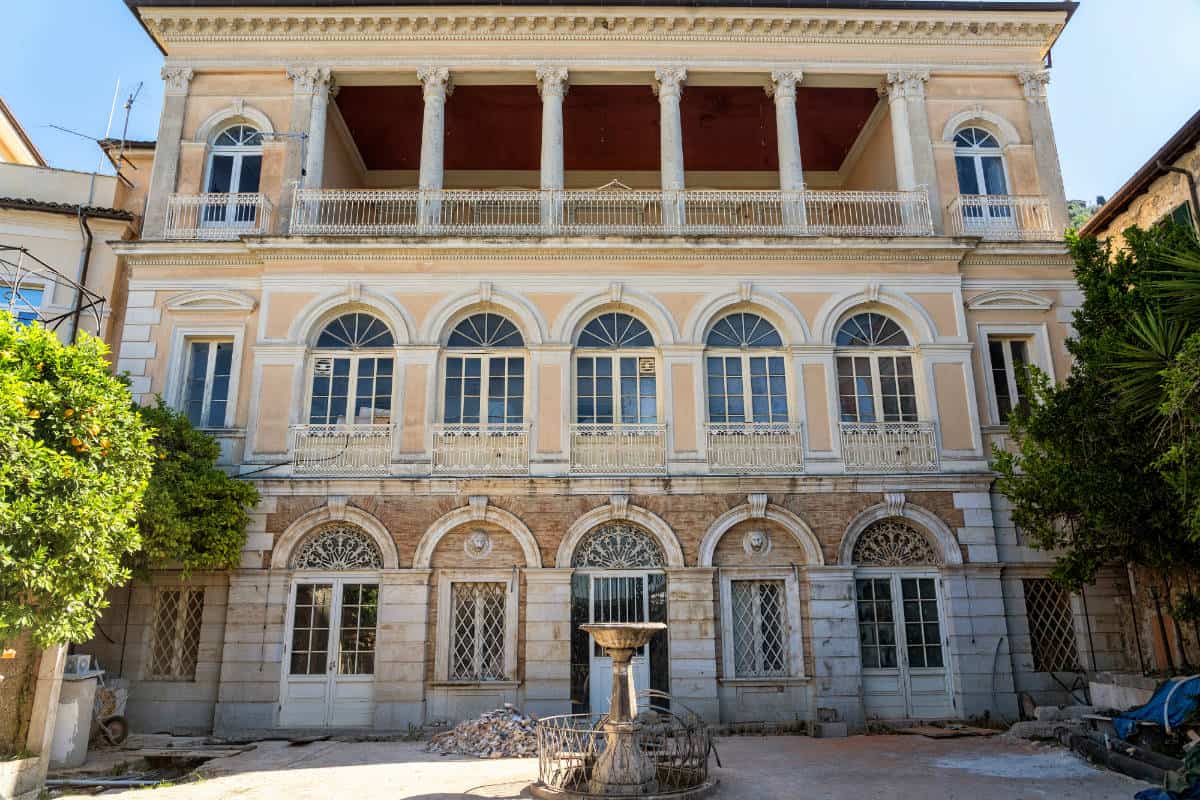
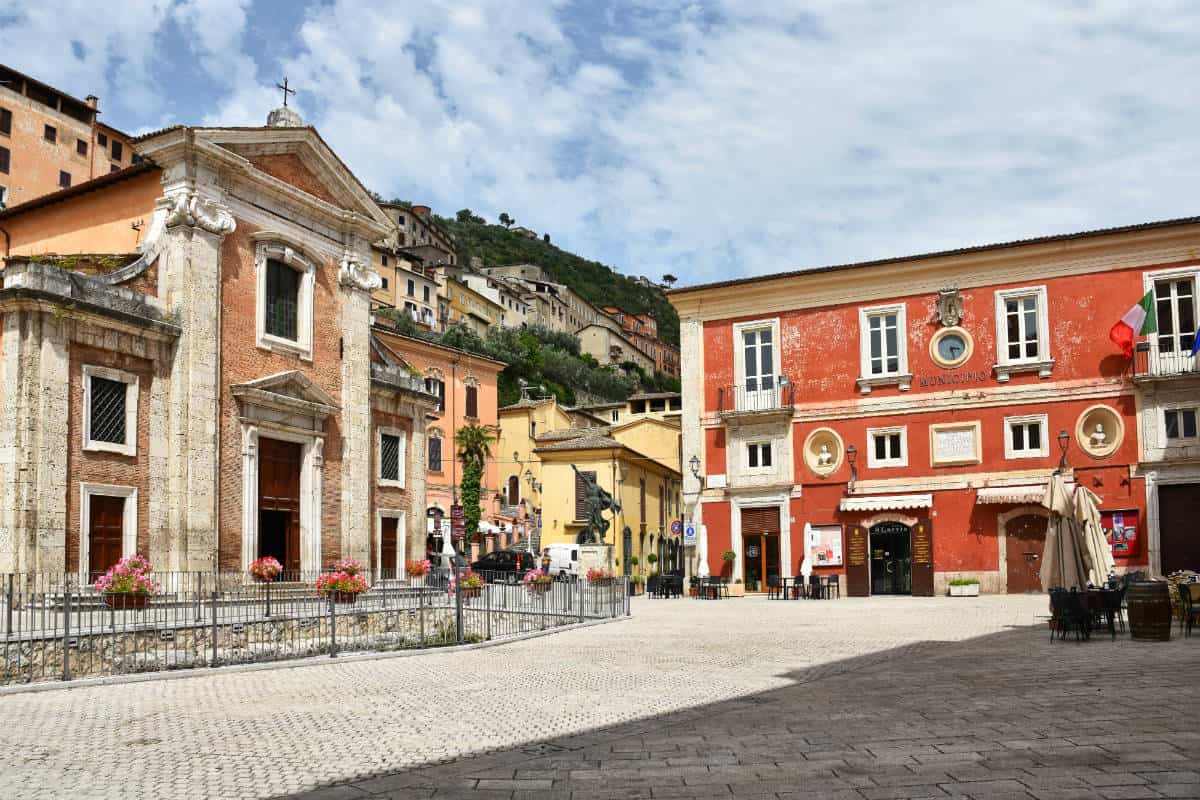
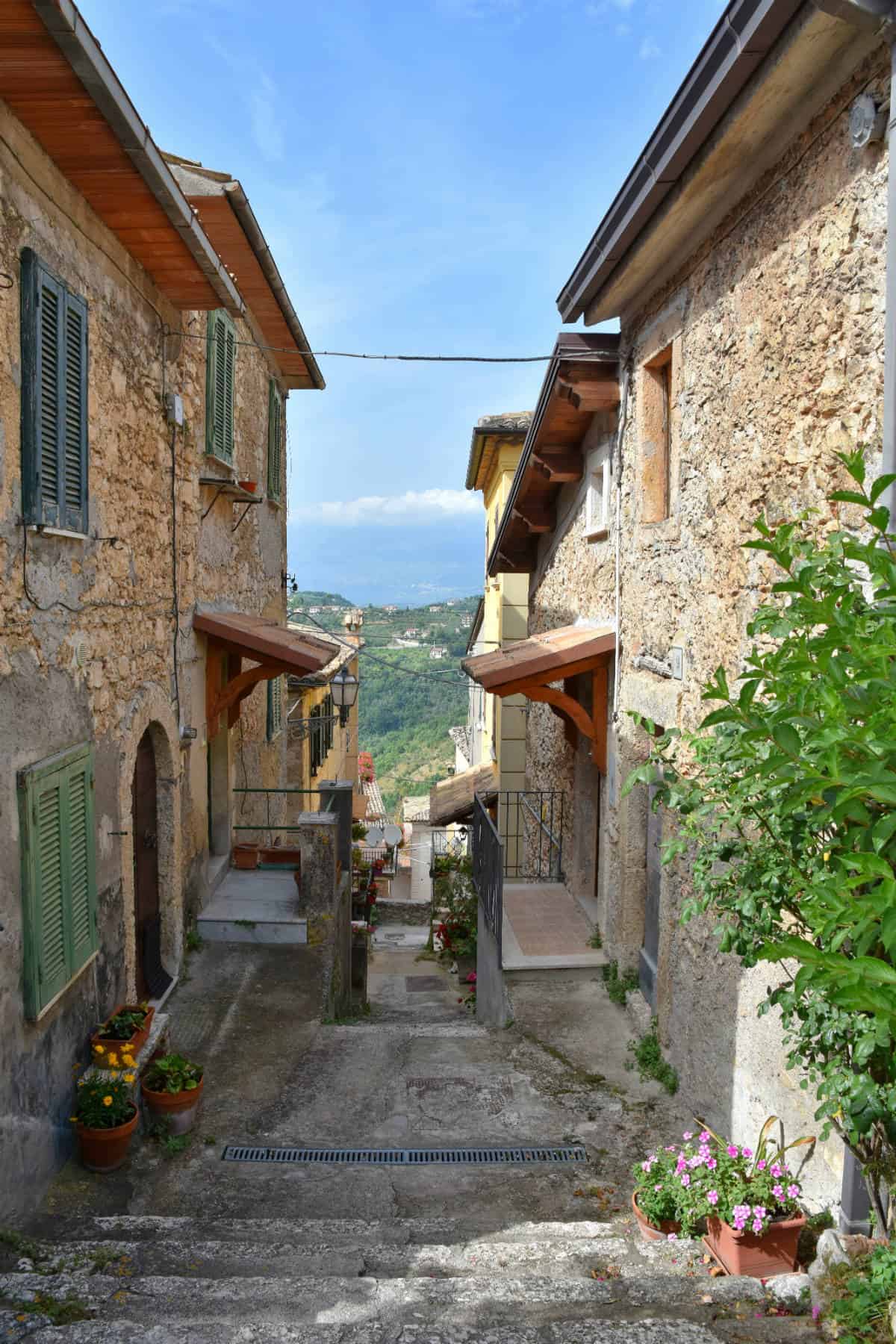
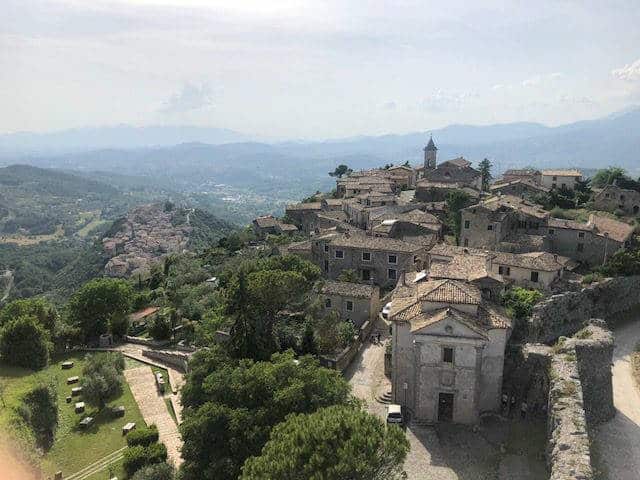
Nestled on the heights overlooking the Liri Valley, Arpino is one of the most fascinating and historically relevant towns in Lazio, in the province of Frosinone. Known for being the birthplace of Marcus Tullius Cicero, the famous Roman orator, politician and philosopher, Arpino is an authentic treasure chest of history, culture and art, set among centuries-old olive groves and landscapes that range from the hills to the Apennine mountains.
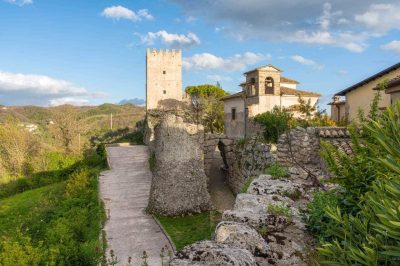
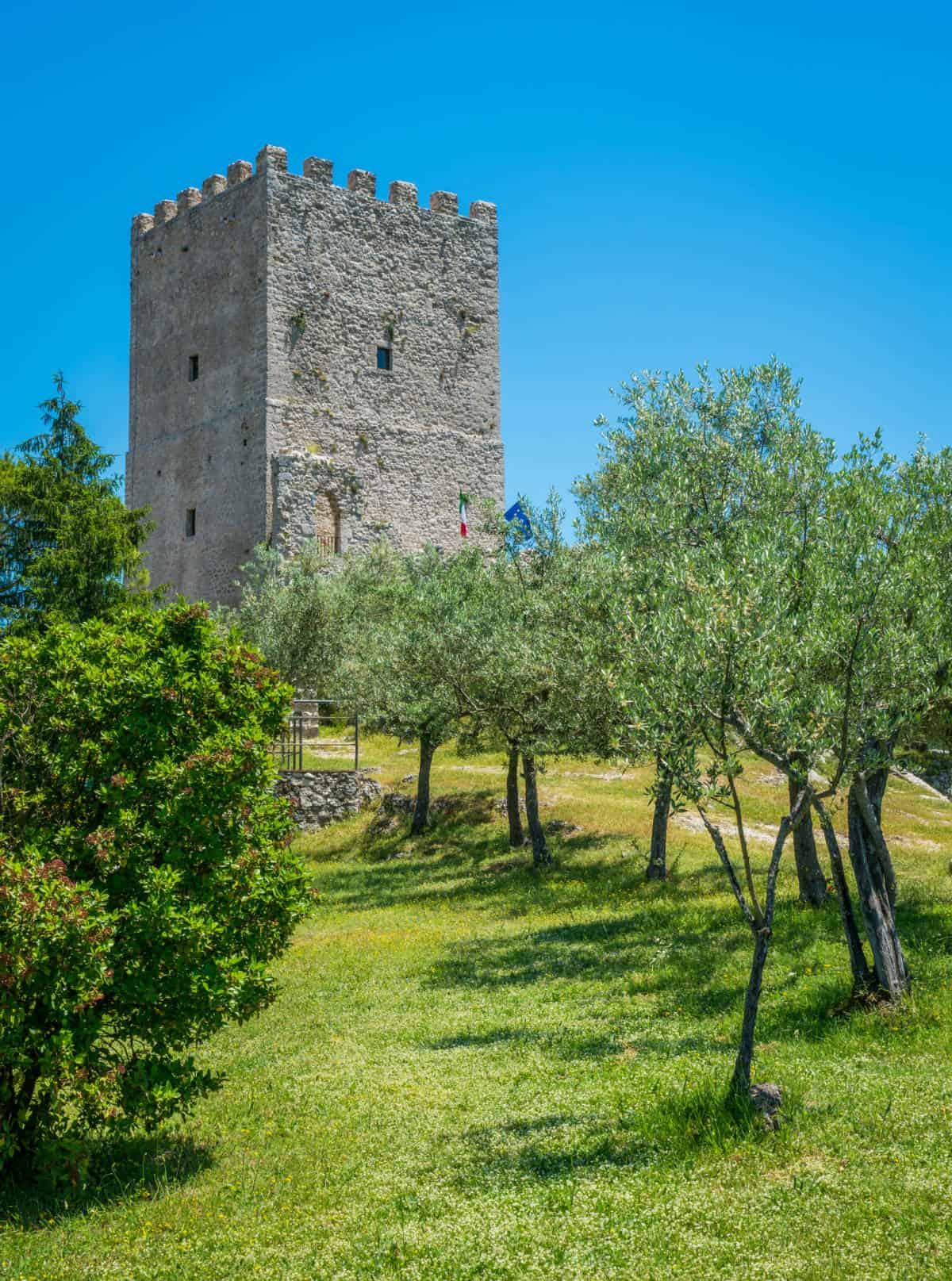
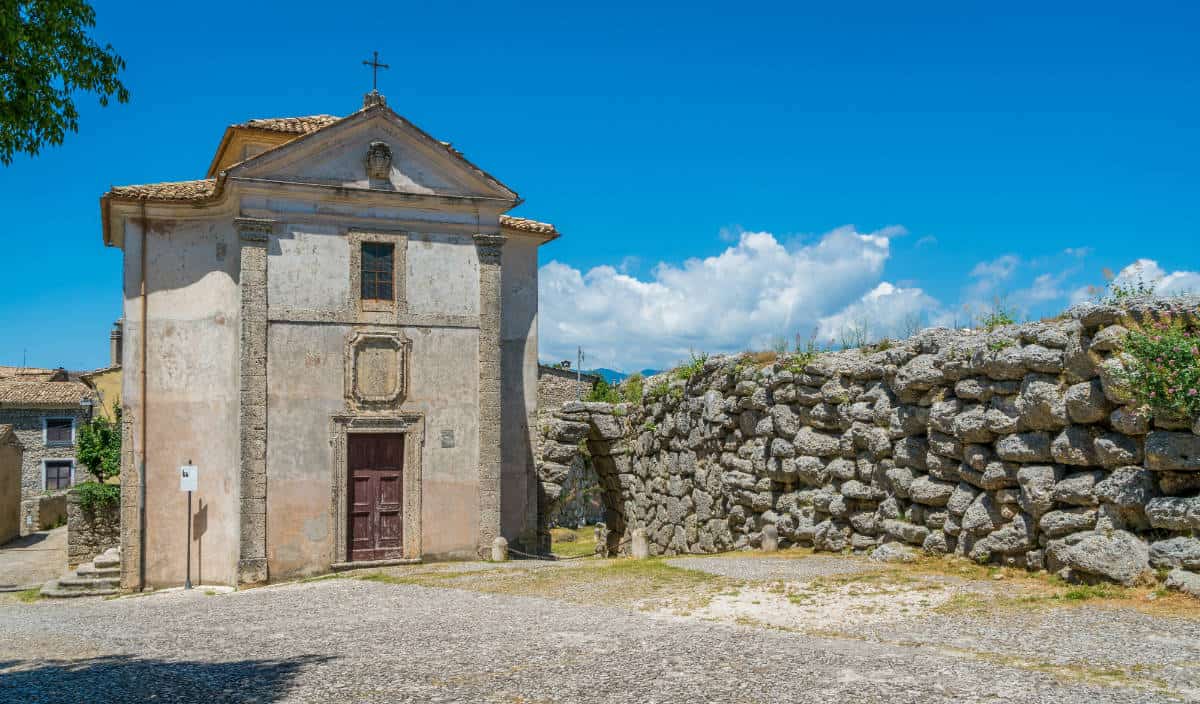
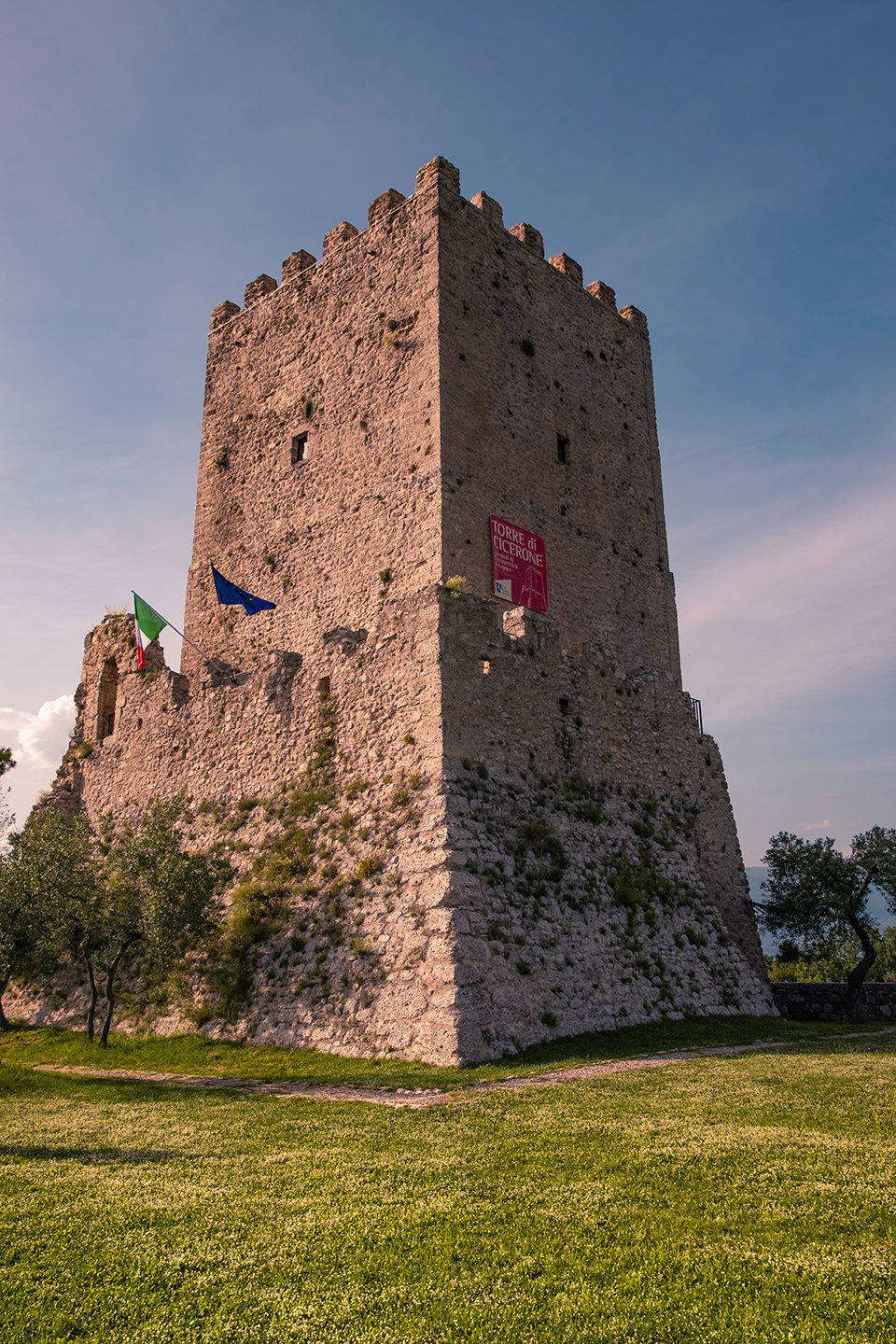
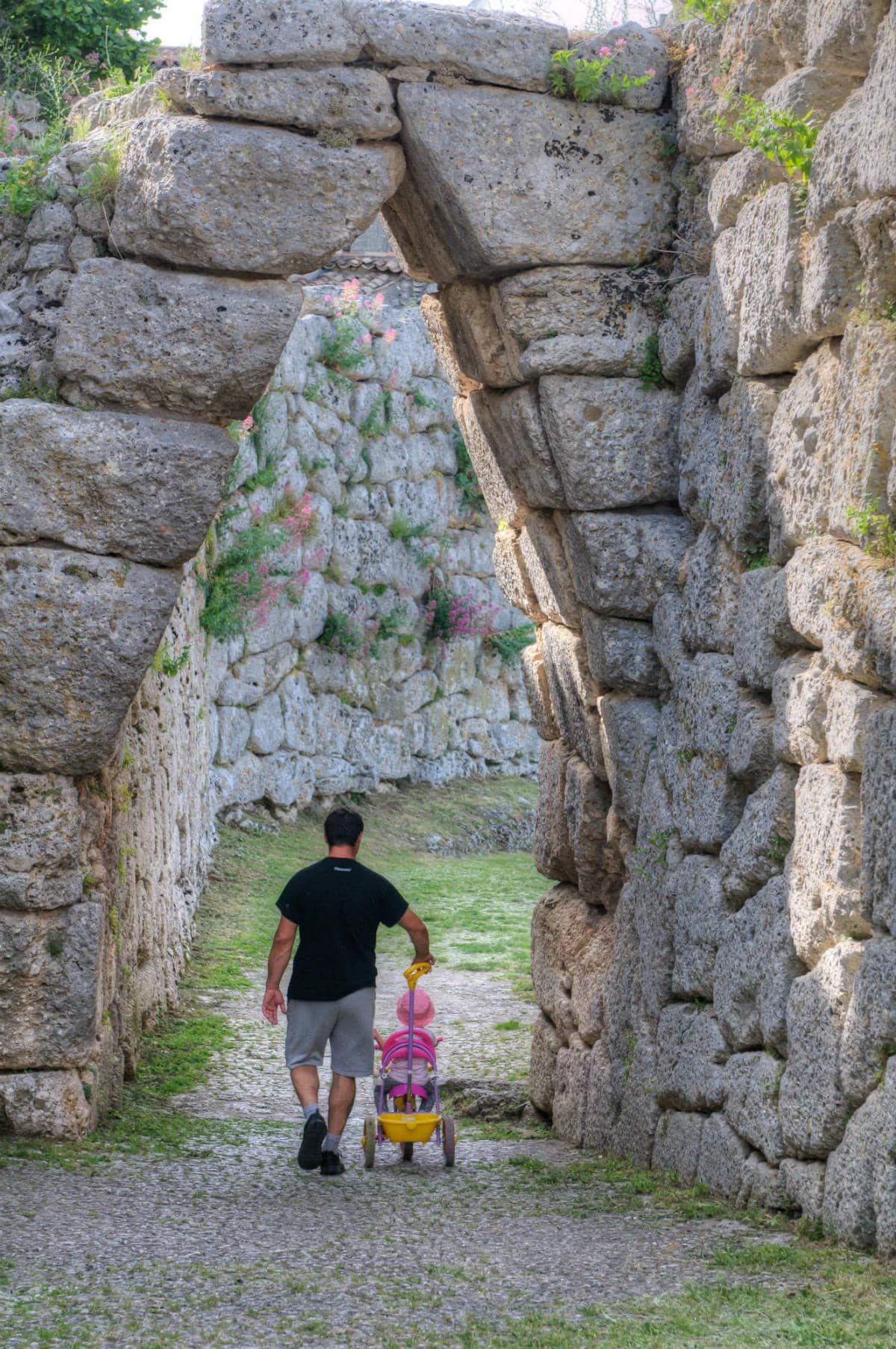
The village has ancient roots: it was first a stronghold of the Volscians, then a Samnite town and finally an important Roman center. The mighty megalithic walls of the Acropolis of Civitavecchia, which can still be seen and visited today, testify to Arpino’s strategic importance over the centuries. Here stands the only ogival pointed gate in pre-Roman Italy, built by the Volscians in the 7th century B.C., an extraordinary example of cyclopean architecture. Dominating the complex is the famous Tower of Cicero, from which there is one of the most striking views of Ciociaria.
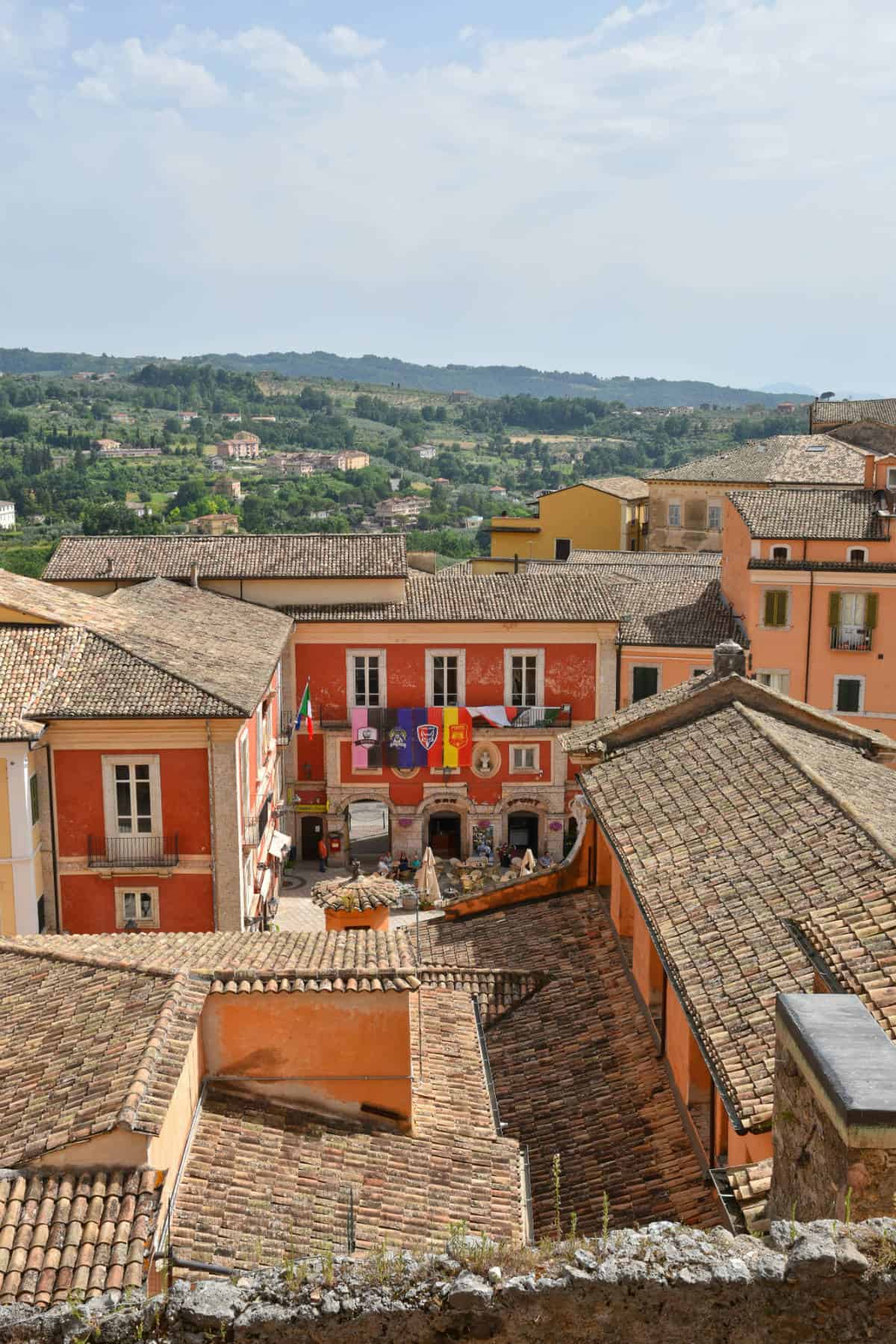
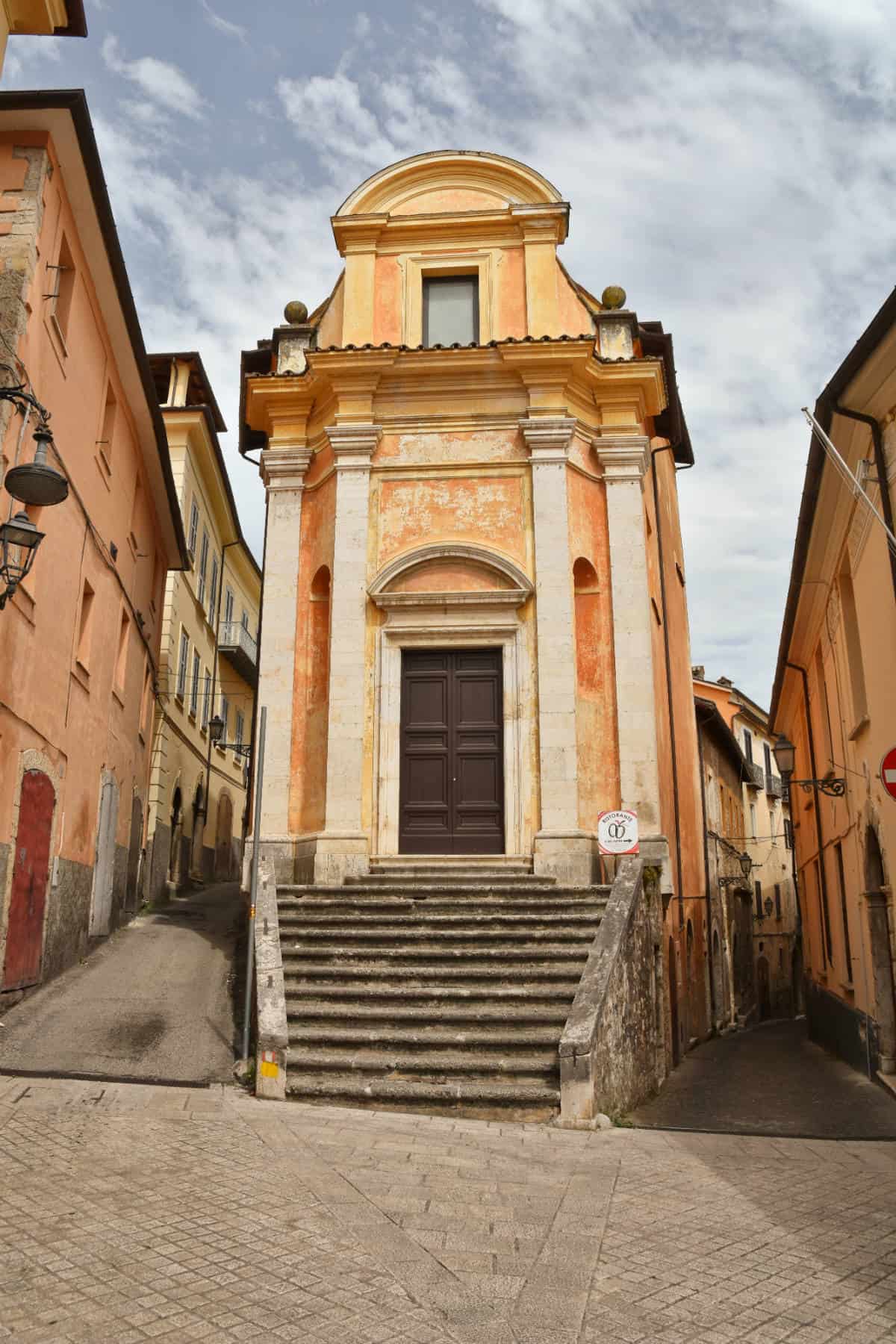
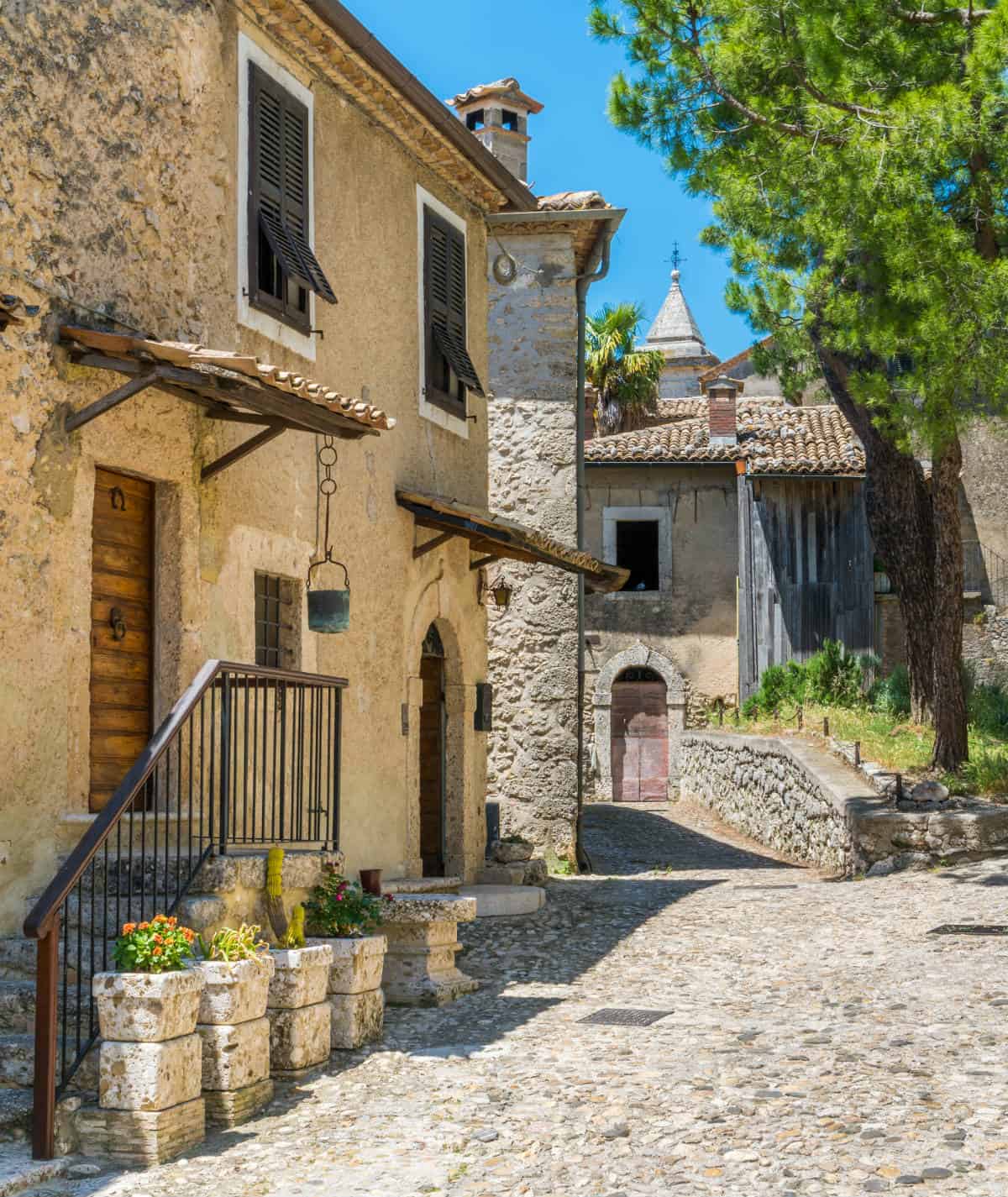
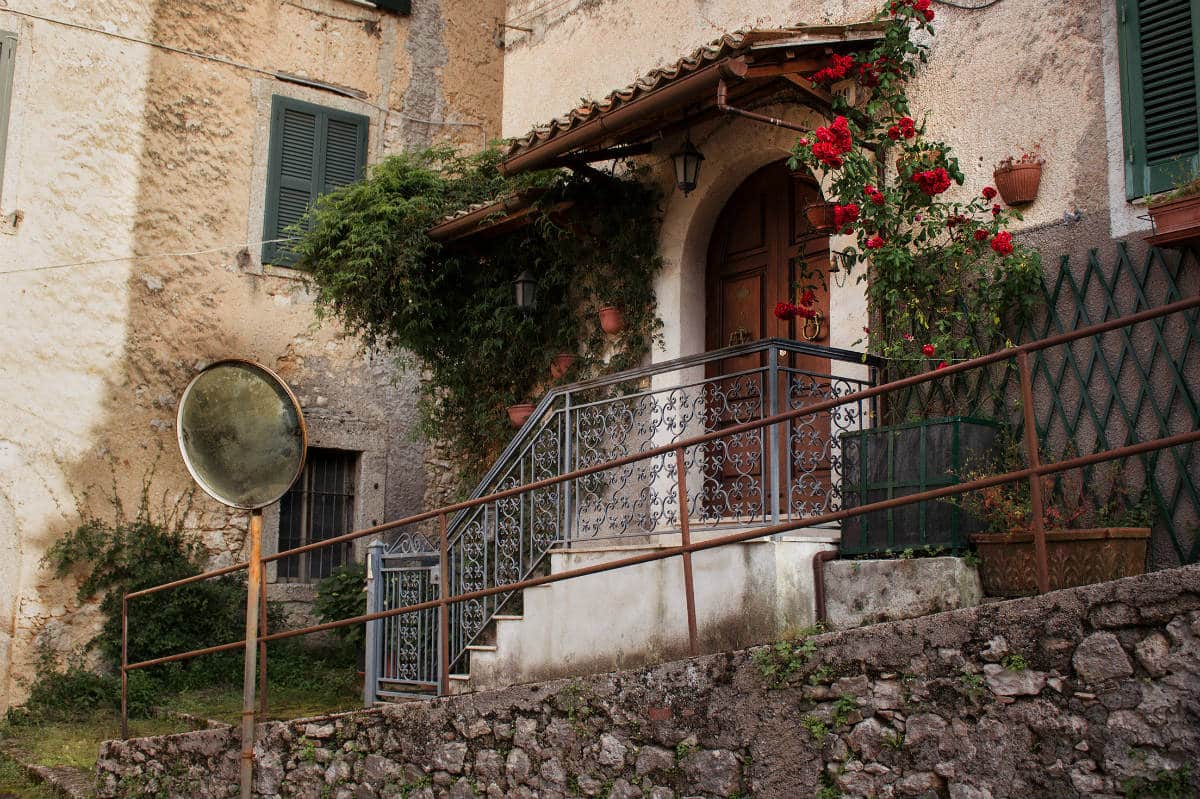
The historic center unfolds in a succession of alleys, small squares, noble palaces and fine churches. Notable among these are the Collegiate Church of San Michele Arcangelo, rich in works of art, and the Church of Santa Maria di Civita, which houses the venerated wooden statue of the Assumption, carried in procession every August 15. Also of special note are Palazzo Boncompagni, now the seat of the Town Hall, and Ladislaus Castle, with the adjoining little church of Our Lady of Loreto.
Arpino is not only a village with a millennial history, but also a fervent center of contemporary culture. The prestigious Certamen Ciceronianum Arpinas, a Latin competition that attracts students from all over Europe, is held here every year. The Stone Book, with poems engraved in the streets of the village, and the Umberto Mastroianni Foundation, with more than a hundred works by the famous artist, testify to the continuous dialogue between past and present.
Among the most heartfelt traditions is the Gonfalone di Arpino, a historical and folkloric re-enactment involving the districts and contrade in a series of games and celebrations. The Corsa con la Cannata, a typical Gonfalone race, was recognized in 2023 as a UNESCO Intangible Cultural Heritage.
Arpino is also a place of nature and tranquility: thanks to its location, at about 450 meters above sea level, it enjoys a healthy climate and is an ideal starting point for exploring the Abruzzo, Lazio and Molise National Park, Lake Posta Fibreno, and the Abbeys of Casamari and Montecassino.
With a population of about 8,000, Arpino is a lively and welcoming village, an Orange Flag of the Italian Touring Club for tourist-environmental merits. Here myth, history and beauty coexist in perfect harmony, giving visitors an authentic and unforgettable experience in the heart of Ciociaria.
Village of Arpino
Municipality of Arpino
Province of Frosinone
Lazio Region
Population: 3.907 arpinati
Altitude centre: 447 m s.l.m.
the Municipality is part of:
Unione Civitas d’Europa
Comunità montana Valle del Liri
Acknowledgments
Orange Flag – Italian Touring Club
Municipality of Arpino
Via Aquila Romana 2 – Arpino (FR)
Tel. +39 0776 85211
BY CAR
- From Rome: take the A1 highway (Milan-Naples) and take the Ferentino exit. Take the Frosinone-Sora highway and exit at Castelliri. Follow the indications for Arpino (about 10 km).
- From Naples: take the A1 highway (Milan-Naples) and exit at Ceprano. Follow the signs for Arce-Sora until the SS 82 della Valle del Liri. Continue towards Sora until the crossroads for Arpino.
- From the Adriatic side: take the A24 (Rome-Teramo) and A25 (Rome-Pescara) motorways and follow the exit towards Avezzano. Take the Avezzano-Sora-Cassino highway with the Broccostella exit and follow the signs for Arpino.
ON THE TRAIN
- Roccasecca station
- Frosinone station
BY PLANE
- Rome Ciampino Airport
- May – Certamen Ciceronianum Arpinas. International Competition of Latin language, where students participate in a race of translation and commentary of pieces of Cicero.
- Weekend after 15 August – The Gonfalon of Arpino. Palio of the districts of Arpino: Arc, Civita Falconara, Bridge and le Contrade Collecarino, Walloon and Vignepiane. The races are preceded by feasts of the district, from folk dancing and the parade in costumes tradition commonly said Ciociara. The Gonfalon is assigned on the basis of the results of the six races in which defy the athletes of the districts and of the contradas participants: the race of donkeys in the afternoon of Saturday; the stroke with the wheelbarrow and travel with the Cannata, the only race reserved for women who carry on the head the traditional terra cotta container filled with water; the stroke with the sack, that relay race and finally the tug-of-war. During the races athletes wearing strictly dressed in the local tradition (high land of Work) and they fit the typical cioce, except for athletes of the tug of war that use modern footwear for safety reasons.
- August – Arpinate Summer. Concerts, shows and entertainment at’open, exhibitions of paintings, handicrafts and local products, sporting events and gastronomic constitute a dense poster that revives the evenings towns animating squares, streets and courtyards of historical residences.
What to see in Arpino
Discover what to see in Arpino among monuments, scenic views, museums, churches and symbolic places of the village. A useful selection to plan your visit and explore the area.